




Antique Silver Dagger
An antique silver dagger brings together steel and precious metal in forms ranging from desk bookmarks to regional tribal arms.
Antique Silver Dagger
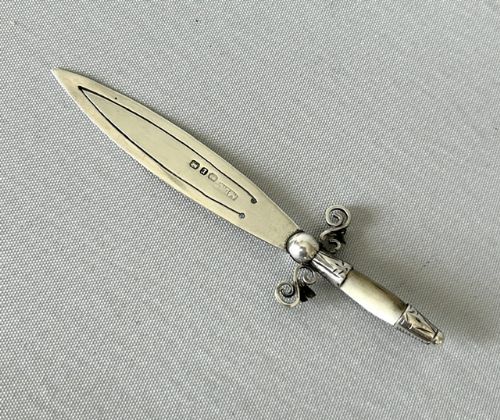
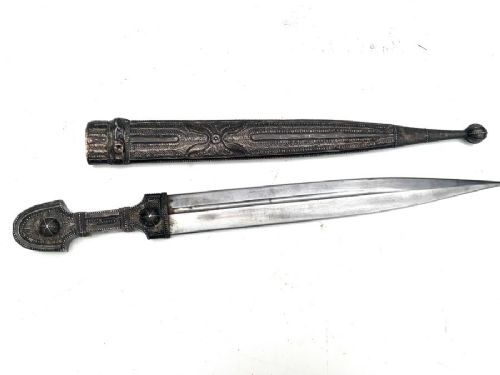
When you search for an antique silver dagger, you encounter a remarkably diverse group of objects spanning desk accessories, highland dress pieces, and regional edged weapons. These items range from small bookmark daggers mounted in mother-of-pearl to large tribal jambiyas and Caucasian kindjals.
The selections on this page draw from several distinct traditions, including Victorian Scottish revival dirks, North African and Yemeni tribal work, and Indo-Persian forms. Most examples date from the nineteenth and early twentieth centuries, alongside earlier continental and South Asian pieces.
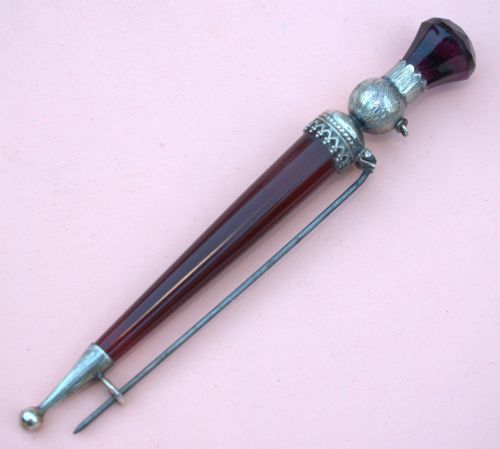
Beyond traditional weaponry, the category accommodates converted smallswords, walking sticks, and brooch forms utilising silver mounts. Each piece reflects the decorative tastes and metallurgical skills of its specific period and origin.
How they were made
Blades are typically forged from steel, whilst handles and scabbards incorporate sterling silver, silvered brass, wood, leather, and mother-of-pearl. Artisans employed repousse work, piercing, and inlay techniques to decorate the mounts and hilts.
Many regional pieces feature detailed silver frames and sheaths secured around organic grips, whilst smaller items like bookmarks integrate stamped silver blades with carved pearl handles.
Victorian readers marked their pages with silver swords, turning quiet reading into a miniature swashbuckling adventure.
What varies in quality
The distinction between ordinary and exceptional examples rests upon the crispness of the metalwork and the integration of materials. Superior pieces display finely detailed repousse decoration, secure and balanced mounts, and well-preserved natural elements such as agate or mother-of-pearl.
Age and regional authenticity also influence the standing of a piece, with traditional tribal craftsmanship and documented maker marks providing clearer insight into the original workshop standards.
Crisford & Norris
The Antique Silver Dagger Glossary
- Kindjal
- A traditional double-edged dagger originating from the Caucasus, characterised by a broad blade and straight hilt. These weapons often feature distinctive silver mounts and scabbards.
- Jambiya
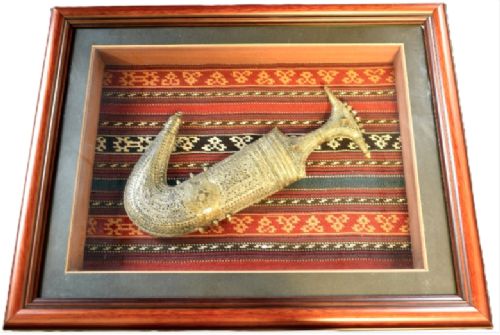
- A curved dagger associated with the Middle East and North Africa, featuring a prominent central ridge on the blade. Yemeni examples frequently display elaborate silver repousse work.
- Dirk
- A long Scottish dagger worn as part of traditional highland dress, often mounted with silver and semi-precious stones such as cairngorms or agate.
- Repousse
- A metalworking technique where the metal is hammered from the reverse side to form a raised design in relief. It is commonly found on the silver mounts of tribal daggers.
- Pesh Kabz
- A single-edged Indo-Persian dagger designed for piercing mail, typically featuring a T-section spine and robust construction.
Antique Silver Dagger: Frequently Asked Questions
How do I care for silver daggers?
Keep the metal clean with a soft cloth to avoid damaging delicate repousse details or organic grips like mother-of-pearl. Store the pieces in a dry environment to protect both the steel blade and the silver mounts from tarnishing and moisture.
Avoid using harsh chemical polishes on antique surfaces, as gentle maintenance preserves the original patination and character of the work.
What is a jambiya?
A jambiya is a traditional short dagger with a curved blade, commonly worn in regions such as Yemen and North Africa. They are distinguished by their distinctive shape and often feature decorative silver sheaths.
These daggers served both as functional items of daily wear and as markers of social status within tribal communities.
Are these daggers sharp?
Many antique daggers retain varying degrees of edge sharpness, whilst others have been blunted or converted purely for decorative or ceremonial display. Handle all edged pieces with appropriate care when examining them.
Blades range from working steel weapons to lighter conversion pieces and small desk accessories like bookmarks.
How do I identify Scottish dirks?
Scottish dirks are identifiable by their single-edged blades, characteristic straight pommels, and traditional handles often decorated with carved basket-weave patterns. They frequently incorporate silver mounts and inset stones like agate.
These pieces were historically worn with Highland dress and appear both as full-sized weapons and smaller brooch adaptations.