


Antique Military Sabre
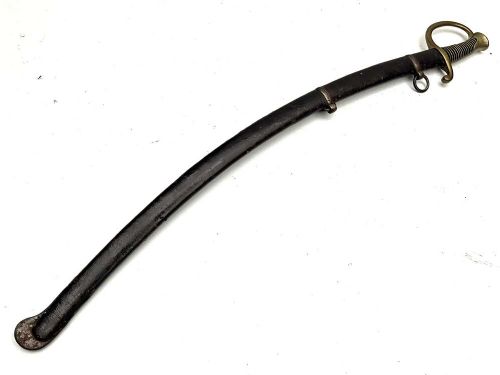
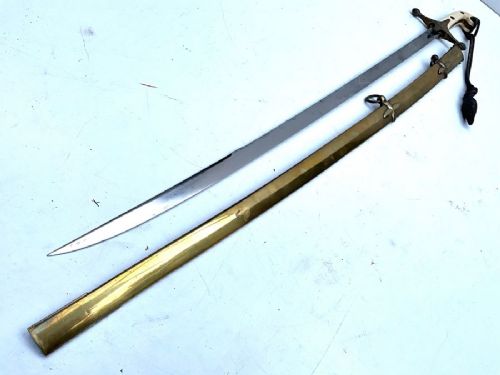
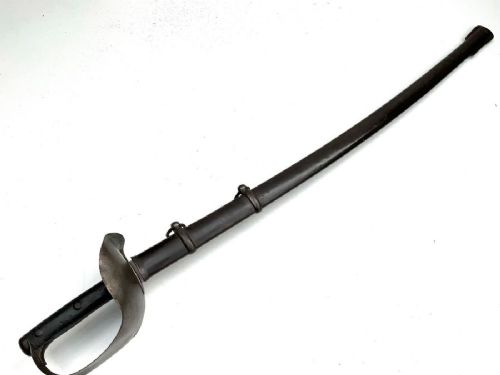
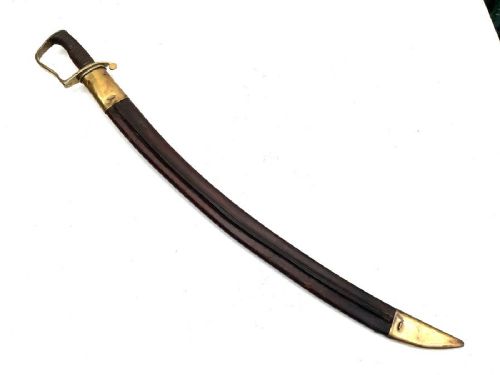
An antique military sabre is a historic edged weapon built for service, offering a tangible link to cavalry and infantry campaigns.
Antique Military Sabre
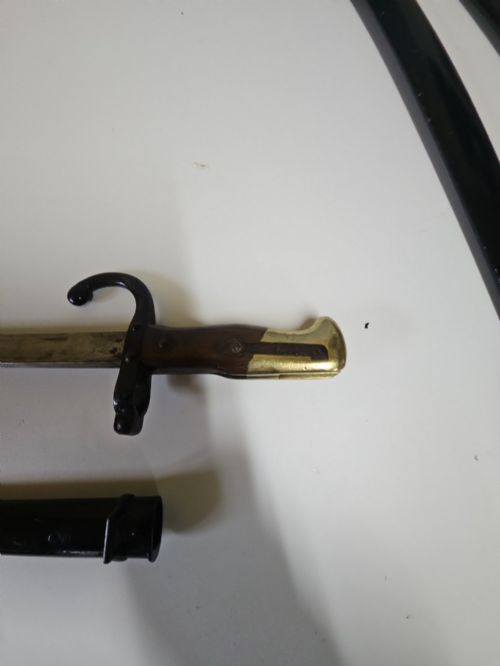
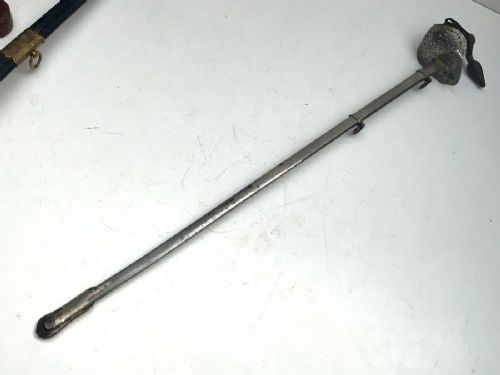
When you search for an antique military sabre, you encounter edged weapons spanning the eighteenth, nineteenth and twentieth centuries. These pieces encompass service swords, bayonets and presentation weapons from British, French, German, American, Japanese and Indo-Persian origins.
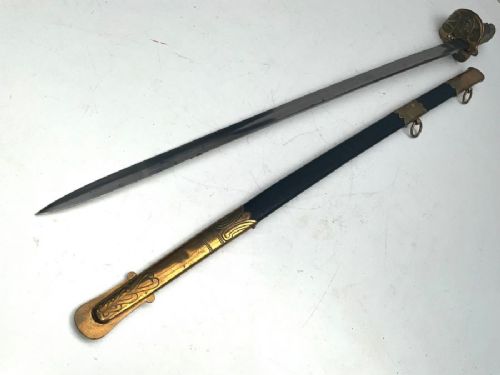
You are most likely to meet Victorian and nineteenth century cavalry troopers and officers sabres on this page. The selection frequently includes pattern swords such as the seventeen ninety-six light cavalry sabre and the eighteen thirty-one general officers mameluke.
The objects reflect active military service, ceremonial duties and national conflicts across different eras. Formations range from heavy cavalry swords to specialised regional types like the kora.
How they were made
Blades are forged from steel and iron, shaped for cutting or thrusting according to military regulations of the period. Makers utilised rigorous metalworking techniques to ensure the resilience required for active service.
Hilts incorporate brass, gilt brass, nickel, iron and wood, frequently paired with grips fashioned from bone or wrapped in leather. Scabbards combine steel, leather and brass fittings to protect the blade during campaigns.
Among the military hardware, a nineteen-forty Japanese officers chin-gunto katana stands ready for an unexpected Pacific campaign.
What varies in quality
The distinction between standard issue service weapons and officers or presentation pieces defines the upper tier of the range. Presentation swords often exhibit finer engraving on the steel blade and superior materials on the hilt.
The precision of the forging, the integrity of the grip materials and the preservation of markings from specific makers indicate the grade of the piece. Official inspection stamps and maker signatures elevate the standing of a sabre.
E Thurkle of Soho·H Wilkinson
The Antique Military Sabre Glossary
- Pattern
- An officially approved design of a weapon adopted by a military force for a specific period. It ensures uniformity across regimental equipment.
- Scabbard
- A protective sheath of steel, leather or metal in which the sabre blade is housed. It preserves the edge and allows safe carriage.
- Bayonet
- A blade designed to fit onto the muzzle end of a rifle for close combat. Several nineteenth century examples appear alongside sabres.
- Gilt brass
- A brass base metal coated with a thin layer of gold for decorative and protective purposes. It is commonly found on officers and presentation hilts.
Antique Military Sabre: Frequently Asked Questions
How do I identify the pattern?
Examine the blade shape, hilt construction and any stamped military acceptance marks. Official patterns correspond to specific adoption years set by armed forces.
Comparing measurements and guard designs against regimental records helps determine the exact pattern and period of manufacture.
Were these swords used in battle?
Many examples saw active service during nineteenth century conflicts and world wars. Service issue sabres show the wear expected from military campaigns.
Private purchase officers and presentation swords may have seen less combat use but still hold significant historical association.
How should I display a sabre?
Mount the weapon securely on a wall using specialised brackets that support the weight without damaging the blade or scabbard. Keep the piece away from direct sunlight and damp environments to protect the steel and leather.
Ensure the sabre remains accessible for occasional maintenance of the metal and grip materials.
What is a presentation sword?
A presentation sword is a special weapon given to an officer to mark a promotion, retirement or act of bravery. These pieces often feature inscribed blades and superior ornamentation.
They stand apart from standard issue troopers weapons through their bespoke craftsmanship and decorative detailing.