
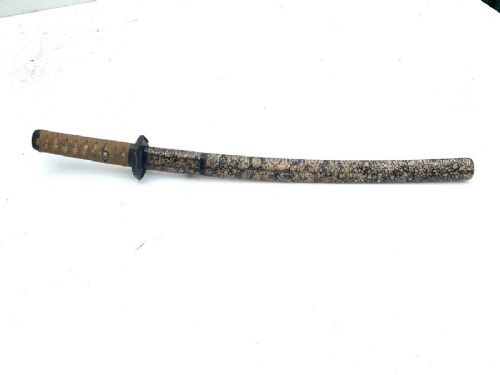
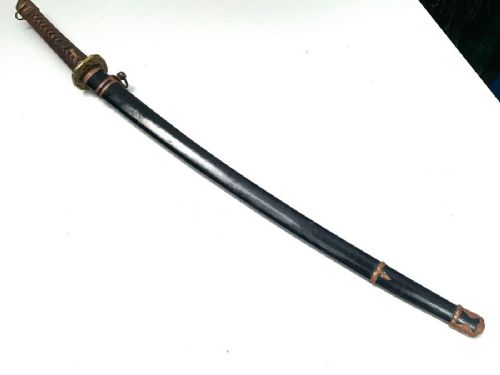
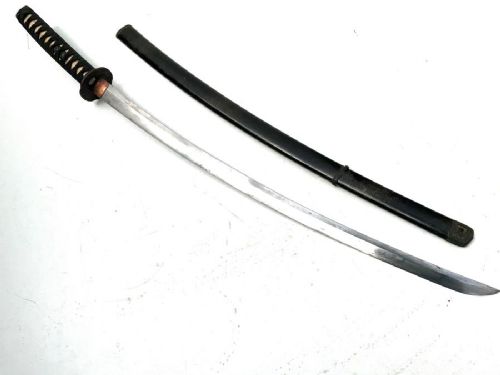
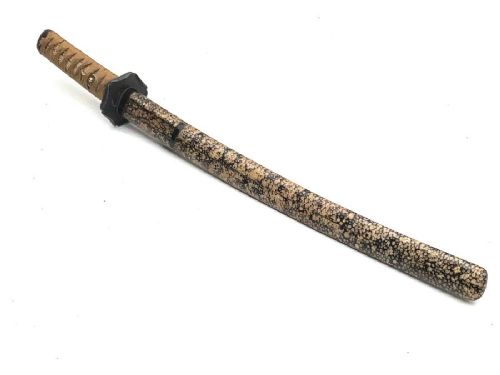





Antique Japanese Katana
An antique japanese katana carries centuries of metallurgical craft, offering collectors a tangible piece of samurai history.
Antique Japanese Katana
An antique japanese katana represents the pinnacle of traditional edged weapon manufacture, originating from various defined historical periods. Buyers seeking an antique japanese katana will encounter examples ranging from pre 16th century blades to Showa period military swords.
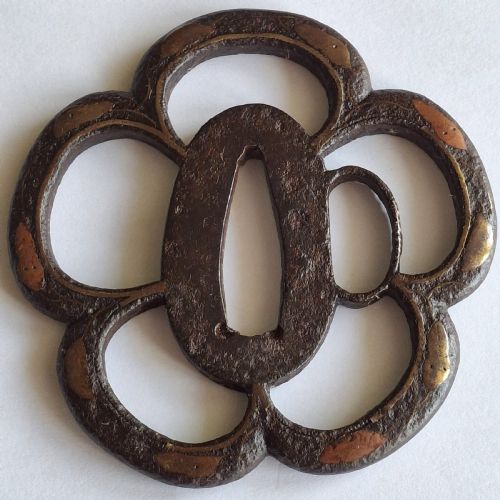
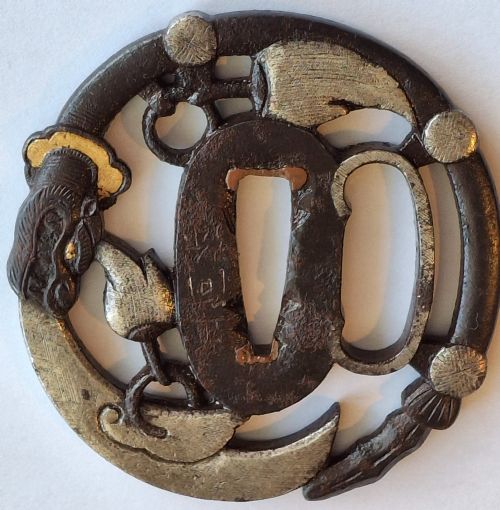
The inventory includes complete swords as well as associated sword guards and fittings like the tsuba. These pieces bridge martial utility and refined decorative art across the Edo, Meiji, and Muromachi periods.
How they were made
Blades are forged from steel, while mounts and associated guards utilise iron, wood, brass, and silver. Artisans applied ray skin and lacquer to the handles and scabbards for durability and grip.
Decorative elements involve copper inlay, cloisonne enamel, and high relief carving. Iron and bronze tsuba guards frequently display signed details and figurative motifs such as dragons and herons.
Even a fierce samurai appreciated a fine bird, as demonstrated by bronze tsuba shaped entirely like a heron.
What varies in quality
The standard of an antique japanese katana depends on the age and integrity of the blade, alongside the sophistication of its forge work. Earlier Koto blades and signed examples distinguish themselves through superior metal folding and historical lineage.
Mountings and guards demonstrate variance through artistic execution, such as intricate copper inlay or specialised enamel work on tsuba. Signed pieces by recognised smiths command distinct scholarly and collector interest.
The Antique Japanese Katana Glossary
- Katana
- A traditional long sword used by the samurai, characterised by a curved, single-edged steel blade.
- Tsuba
- The guard located between the blade and the grip of a Japanese sword, often highly decorated in iron, bronze, or copper.
- Tachi
- An earlier style of Japanese sword worn suspended edge-down from the waist, frequently associated with the Muromachi and earlier periods.
- Edo Period
- The historical epoch in Japan spanning from 1603 to 1868, known for prolonged internal peace and artistic development.
Antique Japanese Katana: Frequently Asked Questions
How do I identify an antique katana?
Examine the signature on the tang if accessible, and consider the historical style of the mounting and blade curvature. Material wear and construction techniques also help indicate the period of origin.
Consult specialised reference guides to match guard motifs and smith signatures with documented historical eras.
What is a tsuba guard?
A tsuba is the defensive disc placed between the handle and the blade of a Japanese sword. It protected the hand and provided balance.
These guards were frequently treated as independent works of art, featuring intricate metalwork, inlay, and folklore motifs.
How should I display my sword?
Store or exhibit your piece on a dedicated horizontal stand designed to support the weight evenly without stressing the mountings. Keep the blade lightly oiled and protected from excessive humidity.
Avoid placing iron and steel items in direct sunlight or areas with fluctuating temperatures to preserve the lacquer and metal.
Are Showa period swords different?
Showa period swords often include military issue pieces from the Second World War, such as officers' katanas and shin-gunto. These reflect standardised wartime production alongside traditional methods.
They differ in context and fittings from Edo or earlier Muromachi period pieces, which served distinct feudal roles.