


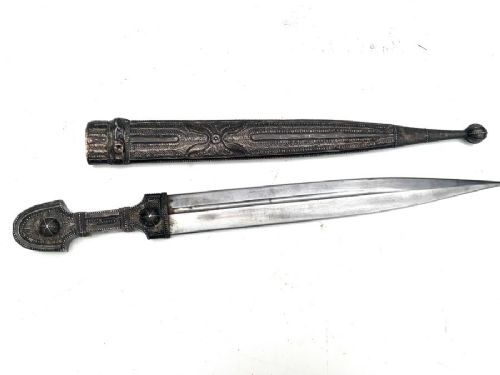

19th Century Sword
A 19th century sword brings the tactile weight of military campaigns and gentlemanly concealment into the modern room.
19th Century Sword
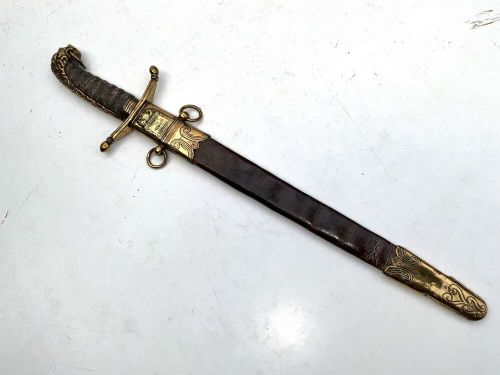
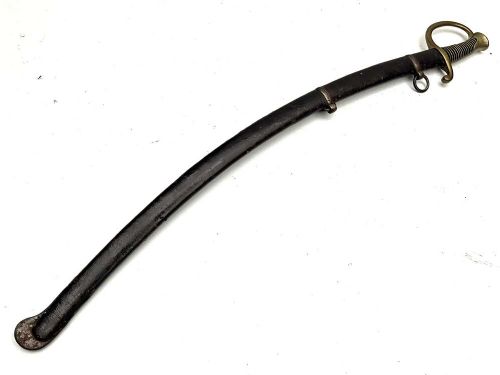
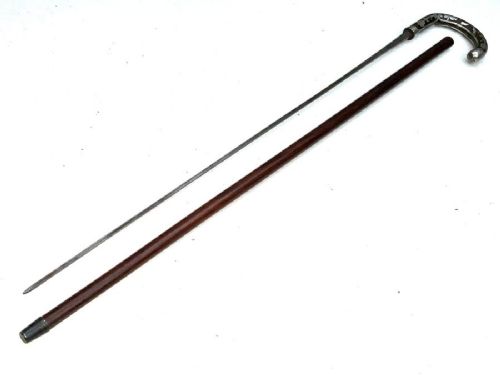
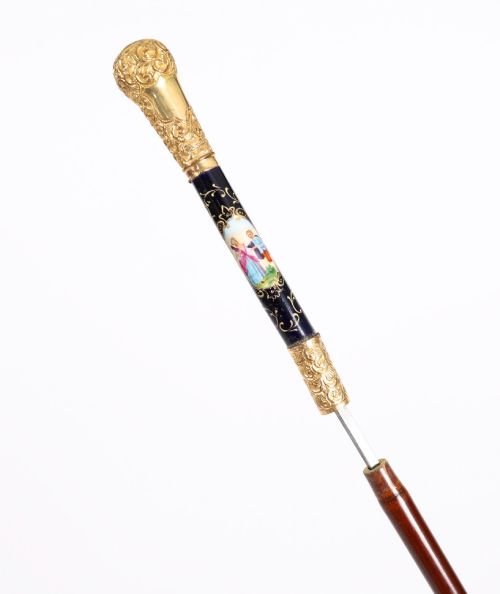
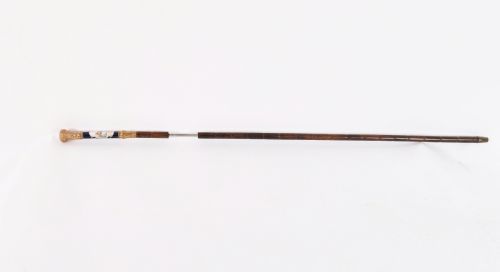
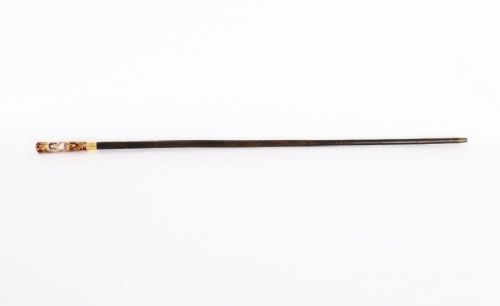
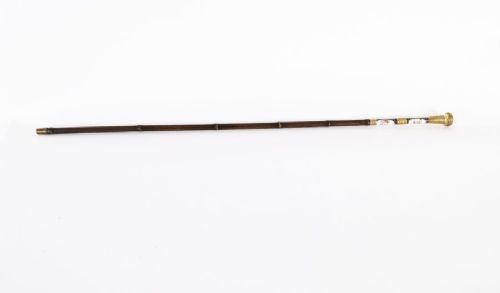
A 19th century sword encompasses military service blades, ceremonial sidearms, and disguised blade weapons housed within walking canes.
Naval dirks, heavy cavalry sabres, and Indian talwars sit alongside French bayonets and Scottish basket-hilt artillery pieces.
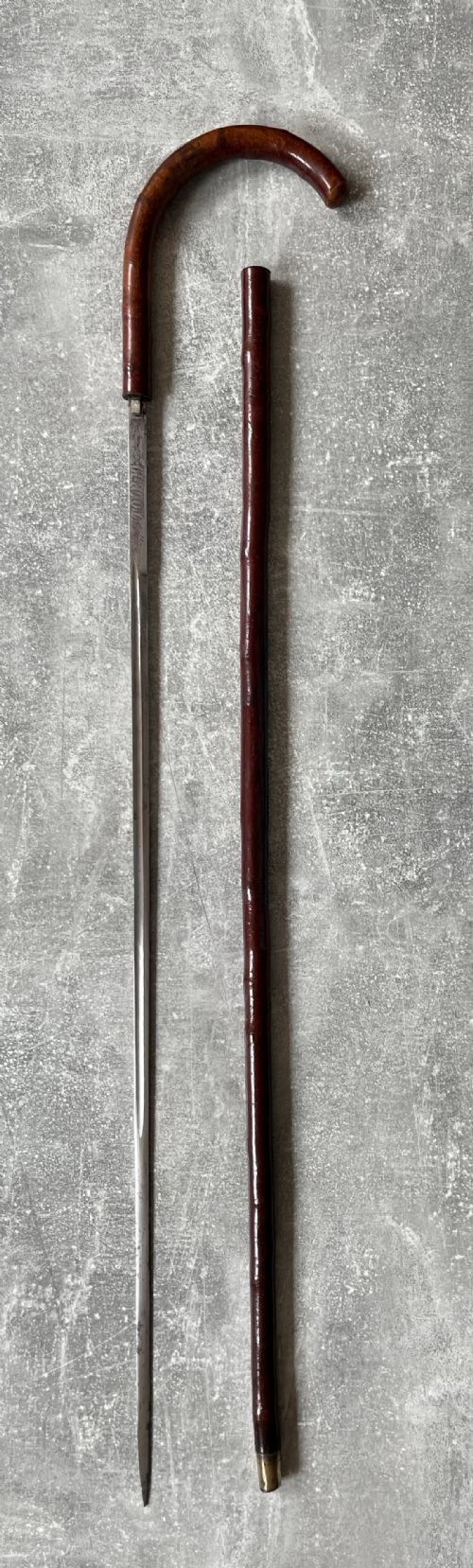
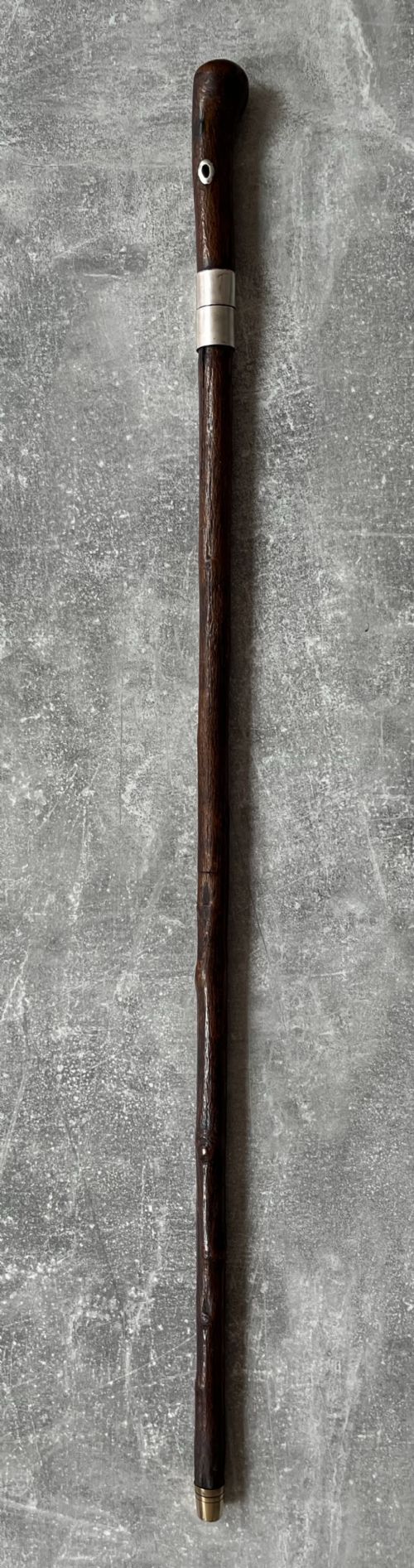
Concealed blade walking sticks utilising malacca, cherrywood, or briarwood form a significant portion of the available items.
How they were made
Blades forged from hardened steel pair with mounts of brass, silver, iron, and gold plate.
Handles incorporate organic materials including horn, bone, wood, and samber deer antler.
Scabbards utilise stitched leather or metal construction to protect the edges.
Listings feature steel blades, wooden walking sticks, and silver mounts across periods spanning from 1800 to 1900.
What varies in quality
Maker marks from recognised London or regional workshops separate standard military issue from documented ordnance.
The precision of grip carving and the metallurgy of the Toledo or engraved blades dictate overall desirability.
The integrity of silver collars and handle materials on concealed stick weapons indicates original workshop execution.
E Thurkle·H Wilkinson
The 19th Century Sword Glossary
- Sabre
- A backsword with a curved blade intended primarily for cutting from horseback. Cavalry units utilised these heavily throughout the period.
- Bayonet
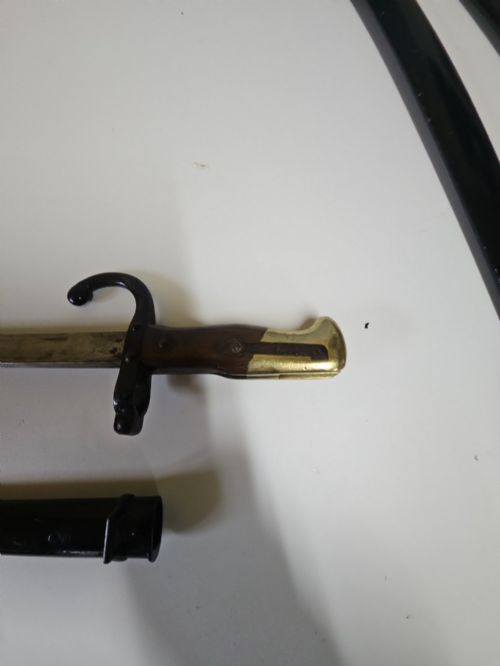
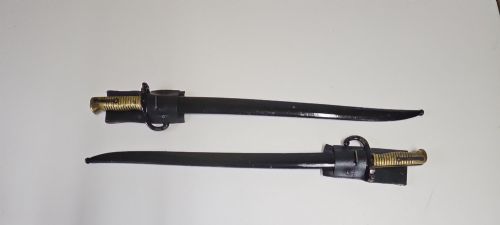
- A blade designed to fit onto the muzzle of a firearm for close combat. French and British examples are common.
- Sword stick
- A concealed blade housed inside the shaft of a walking cane. Malacca and bamboo served as popular outer housings.
- Talwar
- A curved Indian sword featuring a characteristic disk hilt. These ceremonial and combat weapons frequently display decorated handles.
- Dirk
- A long dagger carried by naval or highland officers. They denote rank and dress uniform traditions.
19th Century Sword: Frequently Asked Questions
How do I identify a military sword?
Examine the blade for maker stamps, military acceptance marks, and proof house stamps near the hilt. Pattern dates stamped on the spine or guard indicate the specific service regulation.
Scabbard style and grip materials further align the weapon with naval, infantry, or cavalry dress codes.
What woods were used for sword sticks?
Malacca, briarwood, hazel, cherrywood, and ebonised woods provided the rigid external shafts required for concealed blades. Silver, horn, or bone formed the handles atop these sticks.
Makers selected these timbers for straight grain and resilience during daily use.
Are sword sticks legal to own?
Regulations regarding antique edged weapons vary by region, though historical exemptions often apply to antique pieces. Collectors should verify local laws concerning concealed and bladed items.
Displaying them safely in the home remains the standard method for living with these items.
How should I display a sword?
Wall mounts or horizontal wooden display brackets support the weight of the blade and scabbard safely. Keep iron and steel components away from damp environments to prevent oxidation.
Occasional light oiling preserves the finish of the metal surface.