
Antique Ebonised Seat
An antique ebonised seat brings dark, polished timber and strong period character to a room, ranging from simple bobbin chairs to grand Victorian sofas.
Antique Ebonised Seat
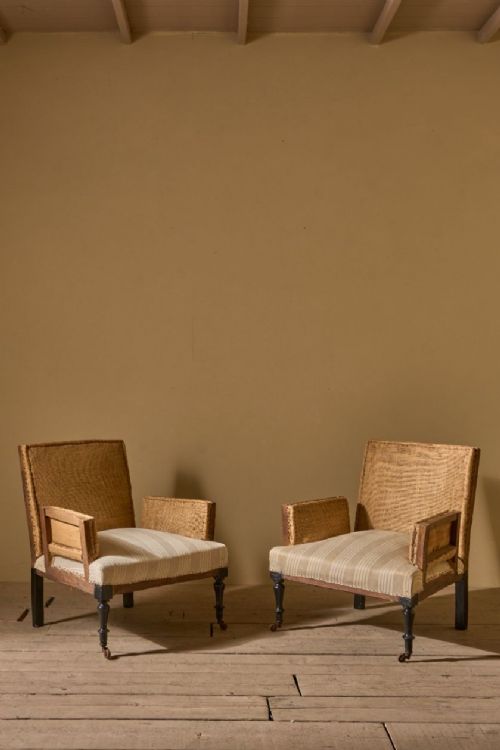
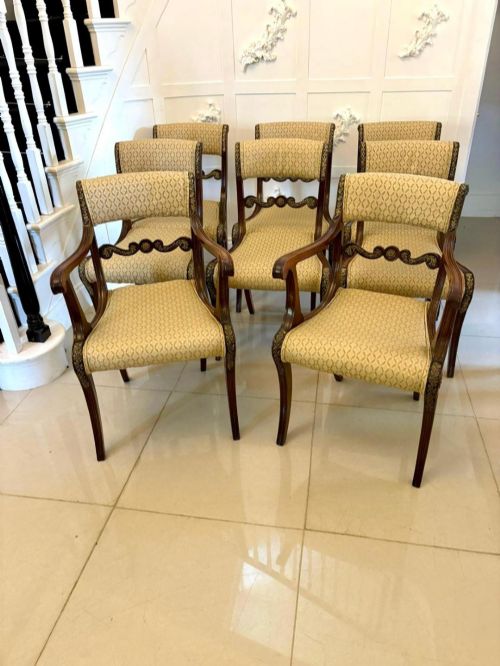
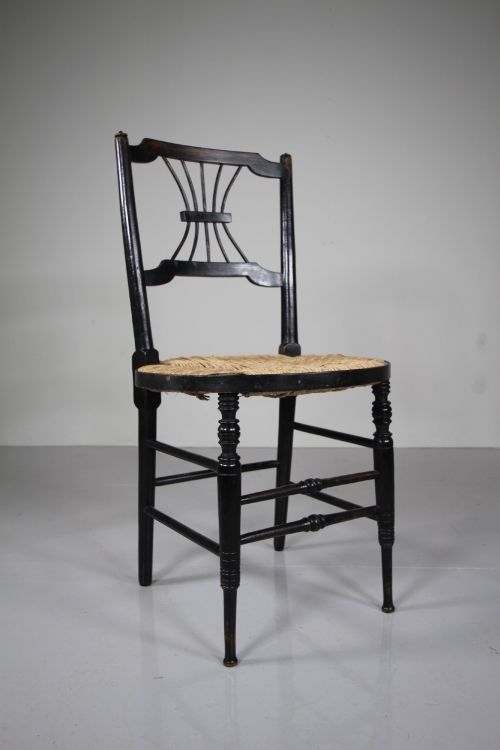
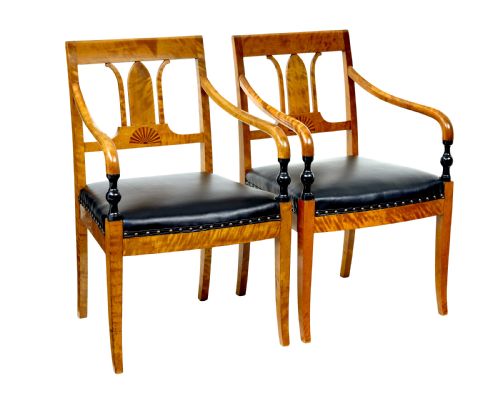
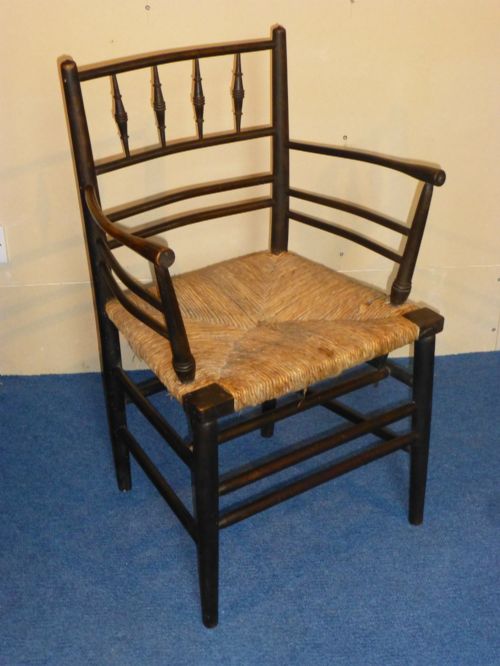
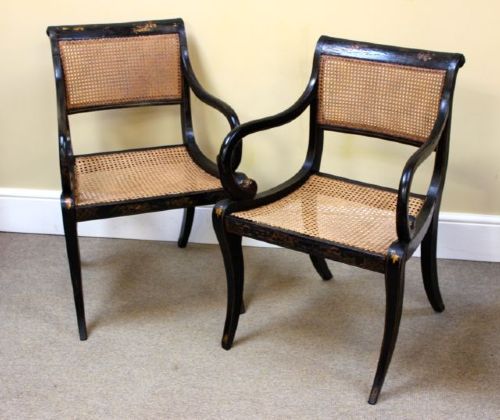
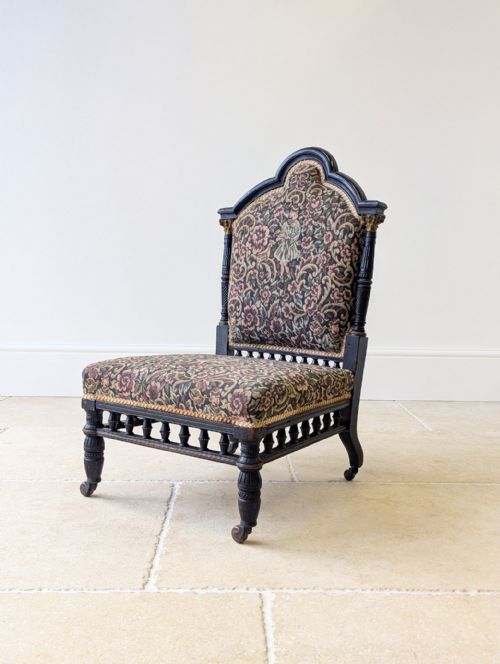
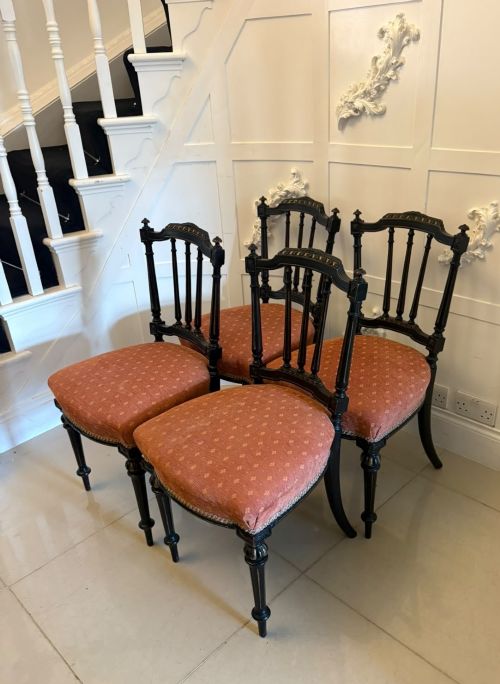
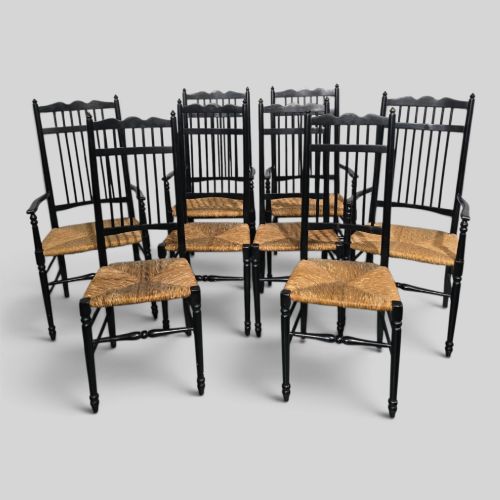
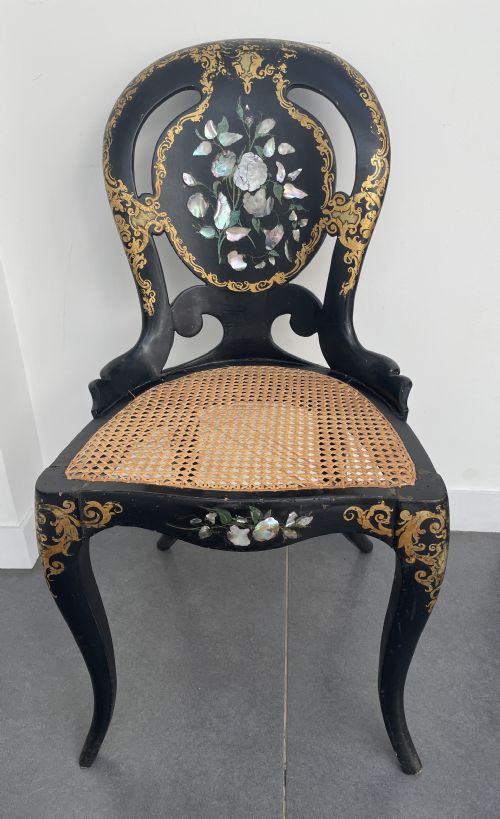
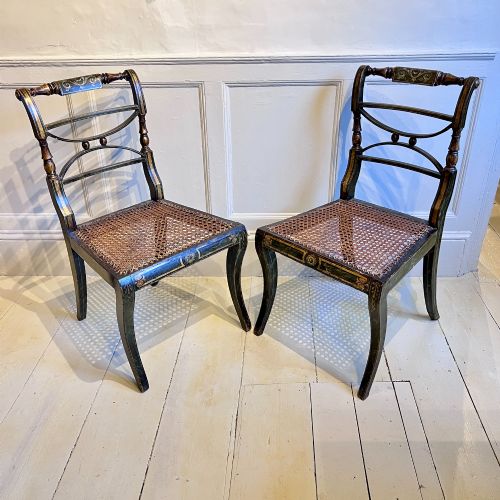
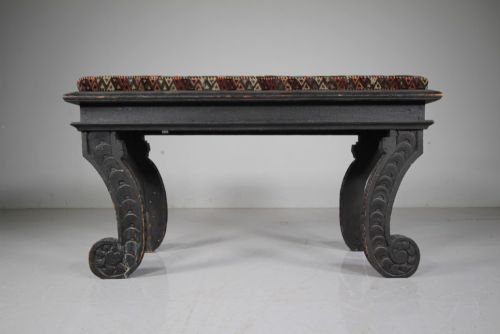
When you search for an antique ebonised seat, you enter a diverse field of nineteenth-century and later furniture finished in dark, blackened wood. These pieces span dining chairs, armchairs, salon seats, and long stools, offering both functional seating and strong decorative presence.
The versions you are most likely to meet on this page belong to the Victorian, Regency, and Aesthetic Movement periods. They frequently combine ebonised wood with materials like cane, velvet, or gilt highlights, reflecting the distinct taste of their era of manufacture.
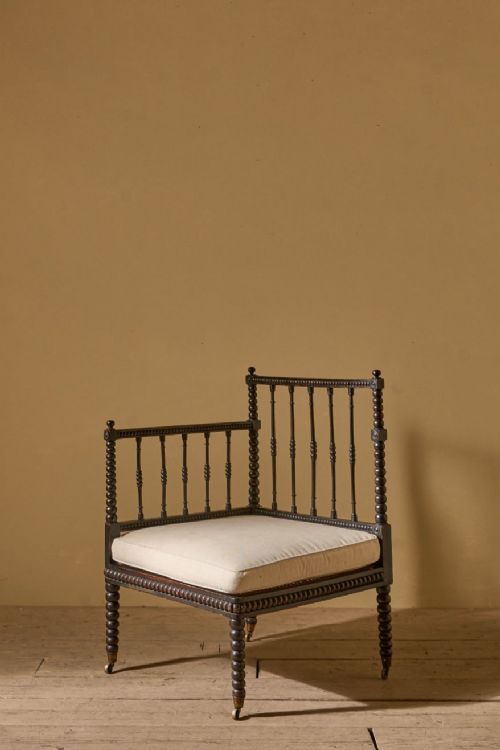
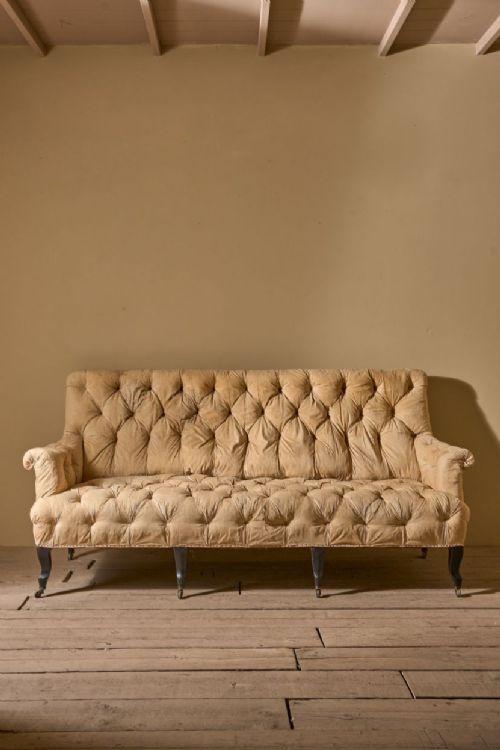
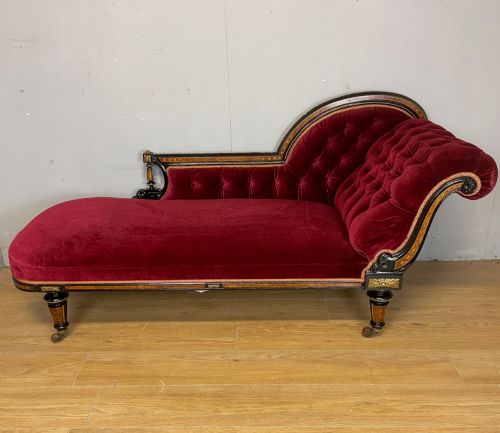
Forms range from intimate corner chairs and piano stools to expansive sofas and day beds. Each piece demonstrates how makers used dark painted or stained finishes to emulate expensive exotic hardwoods like ebony.
Materials and construction
Makers achieved the characteristic dark finish by applying black paint, stain, or lacquer to native timbers such as beech, pine, ash, and oak. This technique allowed workshops to produce fashionable furniture that imitated solid ebony at a more accessible cost.
Upholstery and decorative details form an integral part of these pieces, utilising cane, rush, horsehair, calico, and velvet alongside brass mounts, mother-of-pearl inlay, and parcel gilt accents.
Listings feature pieces spanning the eighteenth to the twentieth centuries, incorporating materials such as ebonised wood, brass, cane, velvet, and calico across multiple styles.
Assessing quality and craftsmanship
Quality in an ebonised seat rests in the crispness of the turning, the depth of the finish, and the integrity of the underlying timber. Superior examples display precise joinery, finely carved details, and well-preserved surface decoration rather than heavy, modern repainting.
The distinction between standard commercial production and finer pieces often lies in the secondary materials and subtle ornamentation, such as genuine parcel gilt, inlaid panels, or original cane and rush work.
William Morris·Rossetti·Philip Webb·Morris & Co
The Antique Ebonised Seat Glossary
- Ebonised wood
- Timber treated with stain, paint, or chemical processes to produce a dark, glossy black surface resembling true ebony. This finish became particularly popular during the Victorian and Aesthetic periods.
- Cane
- Woven split rattan used for seats and back panels. It offers a light, flexible surface that contrasts effectively with dark ebonised frames.
- Bobbin turning
- A form of furniture leg or stretcher turned on a lathe to resemble a string of beads or bobbins. It appears frequently on nineteenth-century chairs and stools.
- Parcel gilt
- A decorative technique where specific carved details or mouldings are partially gilded with gold leaf. It stands out sharply against a black ebonised ground.
- Bergere
- An enclosed armchair with a wooden frame and woven cane back and sides. These seats often feature upholstered loose cushions.
Antique Ebonised Seat: Frequently Asked Questions
How do I clean an ebonised finish?
Dust gently with a soft, dry cloth to protect the dark surface from scratches. Avoid modern chemical polishes that can degrade the historic black finish over time.
For stubborn marks, use a barely damp cloth with mild soap, drying the wood immediately afterwards to prevent moisture damage.
Can I reupholster an antique seat?
Many chairs and stools accept new fabric easily while retaining their historic frames and webbing. Traditional materials like horsehair and calico suit older pieces best.
Consult a specialist upholsterer to ensure the internal construction and traditional stitching methods remain respected during the update.
What is the Aesthetic Movement?
The Aesthetic Movement spanned the late nineteenth century, promoting art for art's sake and drawing inspiration from Japanese design. Ebonised furniture played a major role in this style.
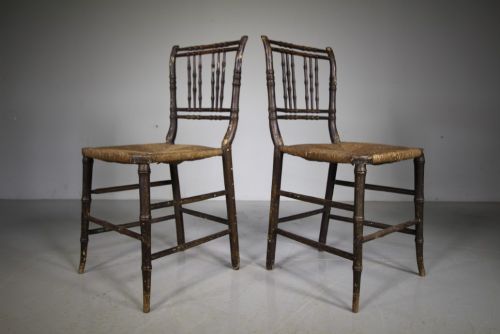
Pieces from this era often feature simple geometric lines, faux bamboo turnings, and contrasting gilt or inlaid decorations.
Are cane seats durable?
Historic cane panels require sensible care and occasional humidity to prevent the natural material from drying out and snapping. Avoid placing them near direct heat sources.
Professional caners can re-weave damaged panels entirely, restoring both the appearance and structural integrity of the seat.