




Small Accent Stool
These small antique accent stool pieces offer compact seating and occasional surfaces, crafted from solid timbers to anchor a room with period character.
Small Accent Stool
A small antique accent stool provides a portable seat or low perch, frequently taking the form of a joint stool or an upholstered top stool. These pieces appear across periods ranging from the seventeenth century through to the Edwardian era and the nineteen-thirties.
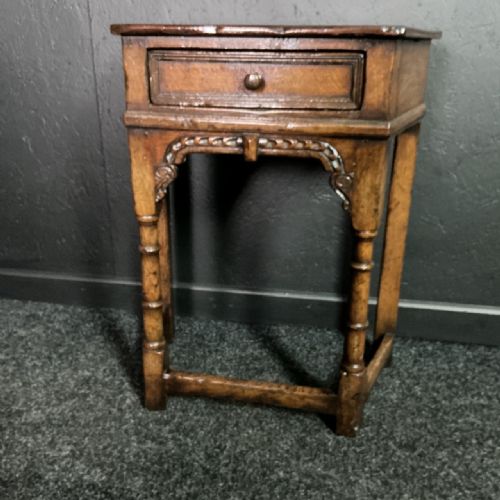
Makers shaped these small forms from robust native timbers, producing low seating alongside occasional tables that serve a similar domestic scale. The examples gathered here span diverse stylistic revivals, including Jacobean, Gothic, and Arts and Crafts designs.
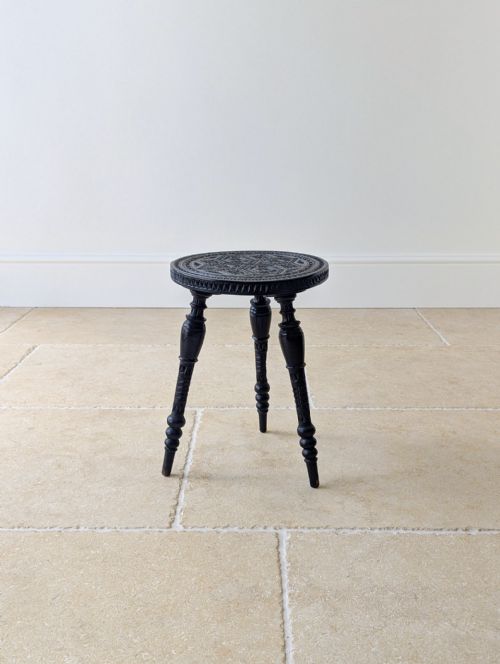
Buyers select a small antique accent stool to introduce genuine age into a compact corner, using the low profile as a footrest or a diminutive stand. The selection balances traditional timber frames with occasional ebonised or parcel gilt finishes.
What varies in quality
The distinction between standard domestic seating and superior examples rests in the crispness of the hand-carved detail and the selection of figured timber. Pollard oak tops and intricate chip carving indicate workshop attention that elevates a utility object into a considered decorative piece.
Structural honesty defines the better survivals, where joints remain tight without excessive timber replacement. The application of ebonising or parcel gilding varies from simple dark finishes to intricate decorative treatments that reflect specific nineteenth-century design movements.
Small Accent Stool Retail Price Guide 2026
Typical asking prices for small accent stool among the pieces listed under this phrase on Sellingantiques today, from the lower quarter to the upper quarter. They describe what is for sale here now, not the wider market.
The Small Accent Stool Glossary
- Joint stool
- A sturdy wooden stool constructed with mortise and tenon joints, pegged together for stability. These pieces typically feature turned legs and heavy timber rails.
- Ebonised
- Wood treated with a chemical stain or finish to imitate ebony. This dark, light-absorbing surface gained popularity during the Victorian and Aesthetic periods.
- Chip carving
- A decorative technique where small chips are removed from a wooden surface with knives or chisels to create geometric patterns. This method appears frequently on regional tables and stools.
- Bobbin turned
- Timber shaped on a lathe into a series of rounded spheres or discs resembling bobbins. This turning style is characteristic of seventeenth-century joinery and later revivals.
- Parcel gilt
- A surface treatment where selected portions of an object are highlighted with leaf gold while the underlying wood or ebonised finish remains visible.
Small Accent Stool: Frequently Asked Questions
How do I use a small antique accent stool?
These compact pieces function well as portable seats by a fireside, low footstools, or display surfaces for plants and lamps. Their small scale allows them to fit easily into narrow hallways and alcoves.
Position a sturdy timber stool where it receives minimal direct sunlight to protect antique finishes. Ensure upholstered examples support weight comfortably if intended for regular seating.
Are these stools suitable for daily sitting?
Solid oak and elm joint stools retain immense structural strength and tolerate everyday use. Upholstered variants require an assessment of the internal webbing and padding condition.
Check that the leg joints remain rigid before placing a heavy load on older frames. Traditional pegged construction usually ensures stability despite centuries of wear.
What woods were used for these antique pieces?
Makers relied heavily on native hardwoods like oak and elm for structural durability. Pollard oak and walnut appeared on more decorative table tops and feature stools.
Some pieces utilise stained wood or ebonised hardwoods to mimic more costly exotic materials. Each timber reacts differently to humidity, requiring stable indoor conditions.