

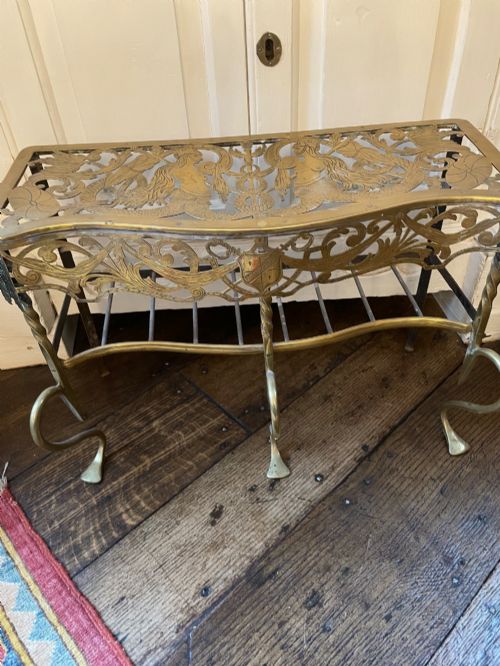
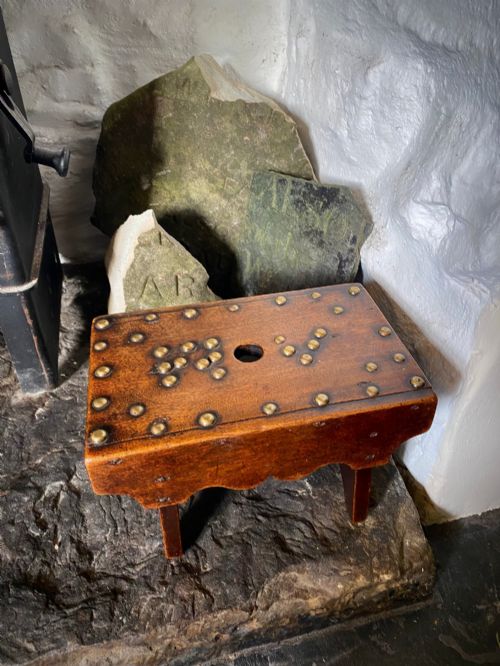
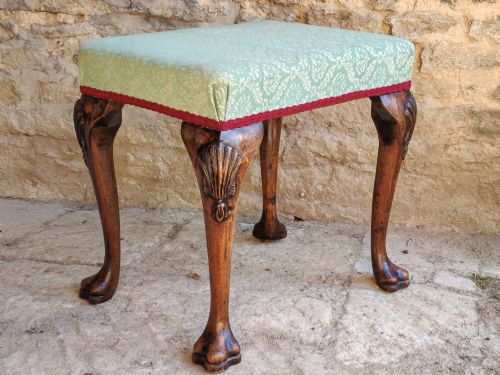

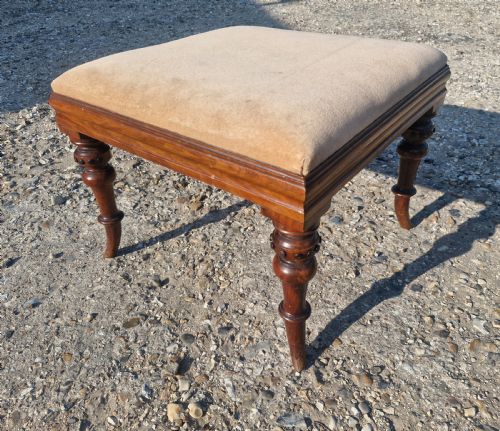


Victorian Carved Hearth Stool
A victorian carved hearth stool brings deep nineteenth century character to a fireside, offering low, sturdy seating shaped by revival styles.
Victorian Carved Hearth Stool
When someone searches for a victorian carved hearth stool, they are looking at low seating designed to sit directly before a fireplace. The pieces on this page span the nineteenth century, including specific dates from eighteen fifty to eighteen eighty alongside broader Victorian classifications.
Forms range from large Scottish Baronial examples and Gothic stools to oval windsor seats and oblong rosewood pieces on cabriole legs. Walnut and mahogany appear frequently, often paired with original needlepoint, tapestry, or various textiles.
Buyers are most likely to meet walnut and rosewood fender stools or fireside pieces from the mid to late nineteenth century. These items reflect distinct revival movements, encompassing Victorian Rococo, Gothic Revival, and rustic country aesthetics.
How they were made
These stools are built from solid timbers including walnut, mahogany, rosewood, oak, elm, and ebonized wood, shaped with carved detail. Cabinetmakers utilised sturdy construction methods to endure heavy daily use beside the hearth.
Upholstery relies on traditional textiles, specifically needlepoint and tapestry, secured over padded seats. Frames showcase stylistic turning and carving characteristic of Victorian, Gothic, and Scottish Baronial craftsmanship.
Victorian Carved Hearth Stool Retail Price Guide 2026
Typical asking prices for victorian carved hearth stool among the pieces listed under this phrase on Sellingantiques today, from the lower quarter to the upper quarter. They describe what is for sale here now, not the wider market.
Materials recorded on this page include walnut, mahogany, rosewood, oak, elm, textile, tapestry, and fabric.
What varies in quality
Quality rests in the depth and crispness of the timber carving upon the frame and legs. Pieces featuring dense hardwoods like walnut or rosewood display superior substance compared to simpler country pine or elm variants.
The survival of original needlepoint or textile upholstery elevates a piece above those with modern replacements. Finer examples exhibit balanced proportions, such as well-formed cabriole legs or substantial dimensions suited to grand fireplaces.
The Victorian Carved Hearth Stool Glossary
- Hearth stool
- A low seat traditionally placed directly in front of a fireplace. These pieces provide long, horizontal seating arrangements.
- Fender stool
- A specialised long stool designed to fit snugly against or around a hearth fender. They share many physical traits with standard hearth stools.
- Cabriole leg
- A furniture leg that curves out and then in, resembling an animal's leg. This form appears frequently on mid nineteenth century seating.
- Needlepoint
- Stitched textile work traditionally used for upholstery on period stools. Original needlepoint adds considerable interest to nineteenth century pieces.
- Scottish Baronial
- A nineteenth century architectural and decorative revival style drawing on medieval Scottish castles. Stools from this lineage often feature robust, imposing proportions.
Victorian Carved Hearth Stool: Frequently Asked Questions
What is a hearth stool?
A hearth stool is a low piece of seating designed to sit directly in front of a fireplace. These items provided comfortable places to sit close to the warmth in nineteenth century homes.
Today, they function well as decorative low seats, footrests, or long coffee table alternatives in traditional living spaces.
How do I style a fireside stool?
These stools sit naturally before an open fireplace or wood burner where their low profile keeps lines of sight open. They also work at the foot of a bed or beneath a window.
Pairing a walnut or rosewood frame with traditional textiles anchors the piece within period interiors.
Are these stools comfortable for daily use?
Nineteenth century stools were built with sturdy timber frames and dense padding designed for lasting support. Many retain original needlepoint or heavy tapestry surfaces.
Their low height makes them ideal as resting spots for feet or casual seating during gatherings.
How can I tell the period of a stool?
Dating relies on identifying timber choices like rosewood and walnut alongside stylistic cues from Gothic Revival or Victorian Rococo movements. Specific dates such as eighteen fifty or eighteen eighty appear across various maker traditions.
Examining construction joints and upholstery techniques also helps distinguish mid nineteenth century pieces from later adaptations.