
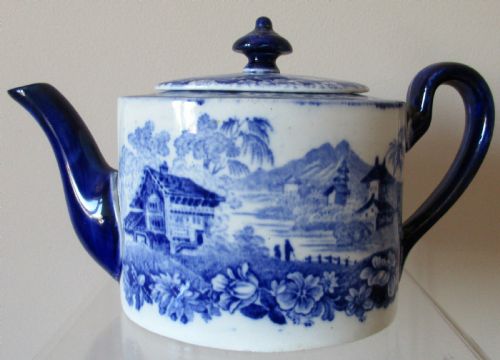


Antique Earthenware Teapot
An antique earthenware teapot brings tactile warmth to the table, offering a tangible link to centuries of domestic tea rituals.
Antique Earthenware Teapot
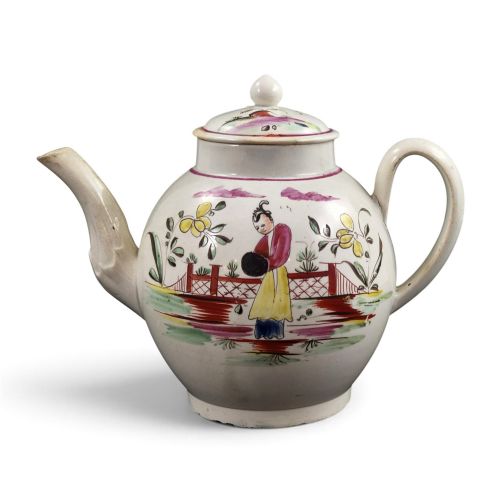
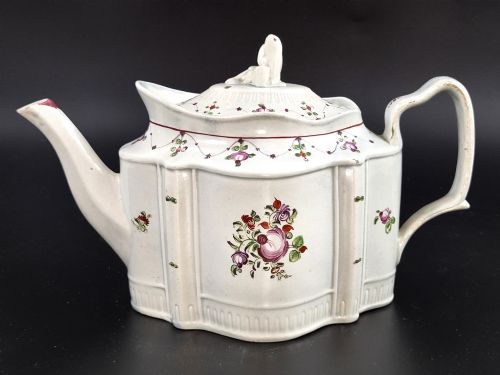
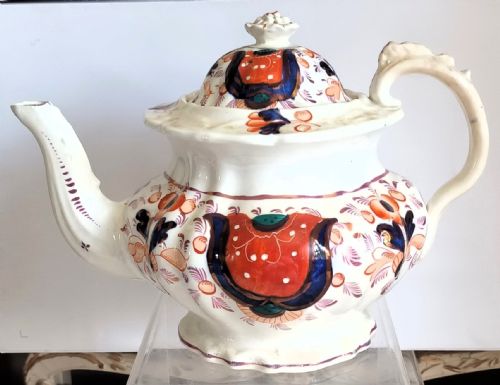
An antique earthenware teapot spans distinct historical periods, from the Georgian era through to the Victorian period and into the twentieth century. These vessels appear in varied domestic forms, including commode shapes, octagonal silhouettes, and large bargeware designs.
The pieces represented here originate from English potteries, Staffordshire workshops, and international makers, reflecting diverse stylistic influences. Collectors frequently encounter creamware, lead-glazed bodies, and transfer-printed patterns within this selection.
Makers ranged from notable Staffordshire names to folk artists working in earthenware. Each piece provides a functional record of ceramic development across the eighteenth, nineteenth, and early twentieth centuries.
Materials and Techniques
Potters built these vessels using porous earthenware clay bodies, which required protective surface treatments to hold liquids. Lead glaze, cobalt glaze, and enamel applications provided both waterproofing and decorative colour.
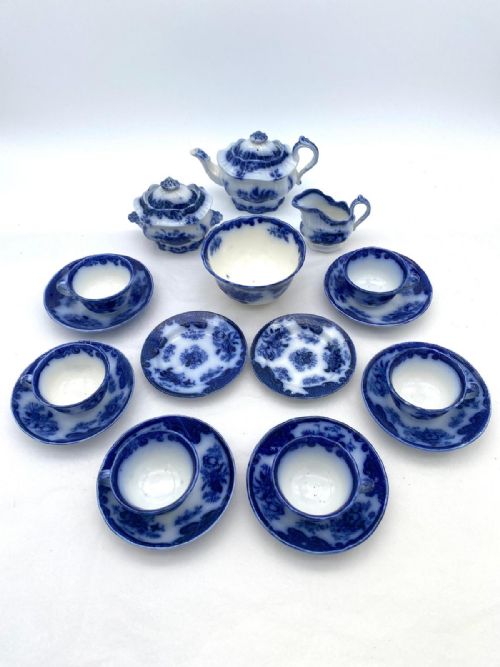
Decoration relied upon hand-painted motifs, transfer printing, and applied details such as widow finials. Potters also utilised specialised techniques like agateware mixing and majolica moulding to achieve textured surface effects.
Listings feature earthenware teapots spanning the Georgian, Victorian, and Edwardian periods, utilising lead glaze, enamel, and cobalt decoration.
Evaluating Quality
Quality rests in the crispness of the moulding and the surety of the hand-applied decoration, whether cobalt blue or polychrome enamel. Superior pieces display careful control during firing, resulting in stable glazes and well-balanced spouts and handles.
The distinction between standard domestic wares and exceptional examples often lies in the attribution to a known maker or workshop. Finer pots retain their original finials and lids, showing precise alignment between lid and collar.
Copeland·Mintons·Clarice Cliff·Thomas Wolfe·Enoch Wood and Sons·Thomas Harley·Joseph Holdcroft
The Antique Earthenware Teapot Glossary
- Creamware
- A refined earthenware developed in eighteenth-century England, characterised by its pale yellowish-cream tone and clear lead glaze. It became the dominant domestic ceramic before the rise of harder white stonewares.
- Majolica
- A type of earthenware covered with an opaque tin glaze and painted with metallic oxide colours, fired at high temperatures. This technique produced vivid, glossy surfaces popular during the Victorian period.
- Transfer printing
- A method of applying complex decorative patterns to ceramics by engraving a copper plate, printing on tissue paper, and pressing the ink onto the biscuit or glazed surface. It allowed for intricate blue and white designs to be replicated consistently.
- Agateware
- Pottery made from layers of tinted clays pressed together to mimic the banded appearance of natural stone. The marbled patterns run entirely through the body of the vessel rather than sitting solely on the surface.
- Widow finial
- A small, knob-like ceramic handle positioned on top of the teapot lid, traditionally associated with eighteenth and early nineteenth-century domestic pots.
Antique Earthenware Teapot: Frequently Asked Questions
How do I date an antique earthenware teapot?
Dating relies on stylistic clues, glaze types, and any impressed factory marks found on the base. Georgian pieces often feature creamware bodies and simpler shapes, while Victorian examples introduce transfer printing and majolica glazes.
Changes in handle design, lid construction, and manufacturing stamps help narrow the production period further when visual evidence is combined with known maker timelines.
Can I still use an antique teapot for daily tea?
Using these pots for daily tea is generally discouraged due to the porous nature of historical earthenware and the potential fragility of old lead glazes. Thermal shock from boiling water can also cause hairline fractures in aged ceramic bodies.
It is best to treat these vessels as decorative or collection pieces rather than functional kitchenware, preserving their condition for the future.
What is bargeware pottery?
Bargeware refers to folk pottery traditionally produced along English canals during the nineteenth century. These large teapots are characterised by exuberant applied decoration, including modelled flowers, leaves, and sometimes names or dates.
Created by self-taught or regional potters, bargeware stands apart from factory production through its rustic charm and heavy, utilitarian earthenware construction.
How should I clean my earthenware teapot?
Cleaning should be restricted to gentle dusting with a soft, dry cloth to protect fragile glazes and historical surfaces. Submerging porous earthenware in water can cause moisture to penetrate old hairline cracks and destabilize the fabric.
Avoid abrasive cleaners, chemical solvents, and dishwashers entirely, as these will permanently damage the historic glaze and any enamel decorations.