

Antique Door Weight
An antique door weight is a heavy metal or iron piece designed to keep draughts out, and these practical English examples bring character to a hallway.
Antique Door Weight
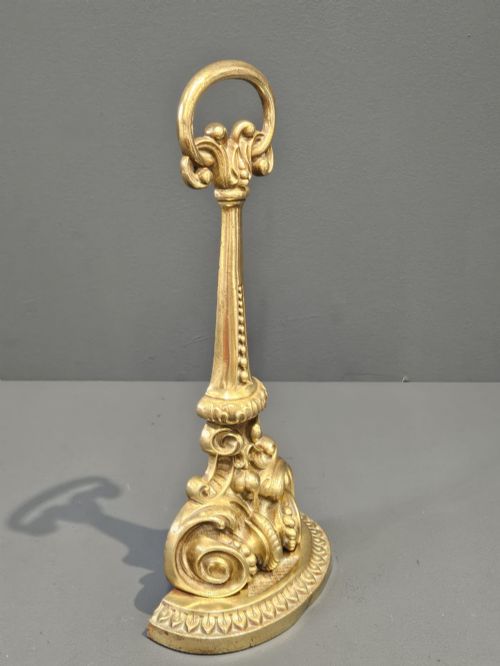
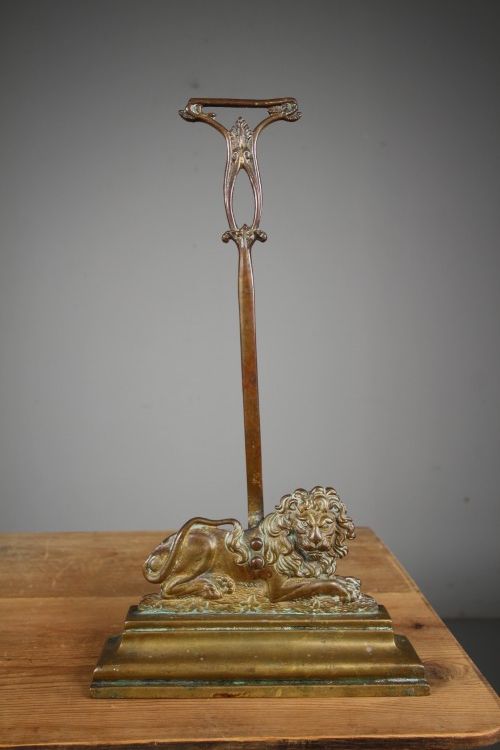
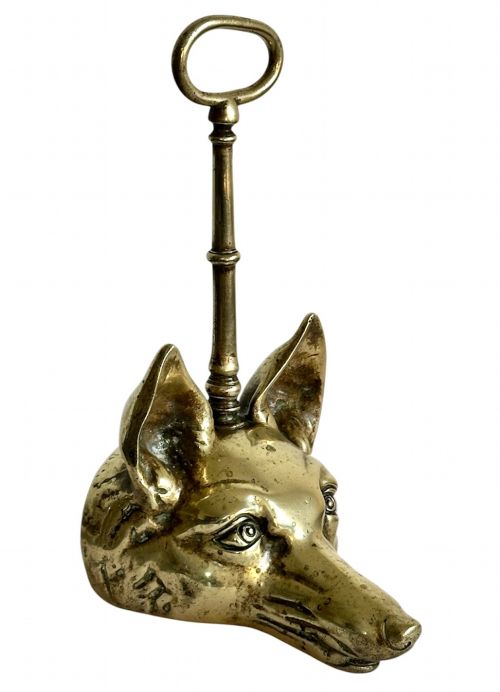
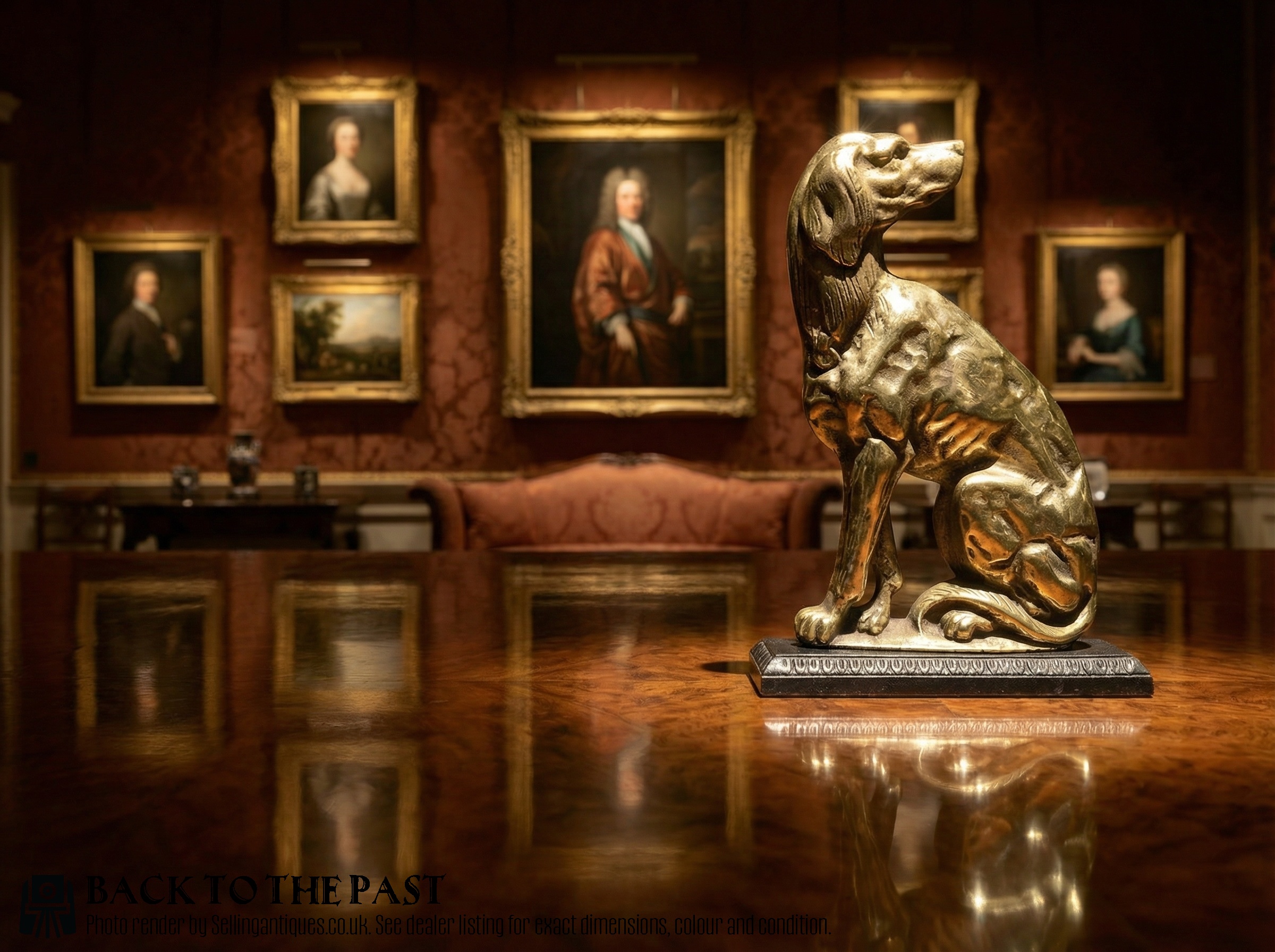
When you search for an antique door weight, you encounter heavy functional objects designed to hold internal doors open against draughts. These pieces appear most frequently as figural doorstops or door porters originating from the Victorian, Edwardian, and Regency periods.
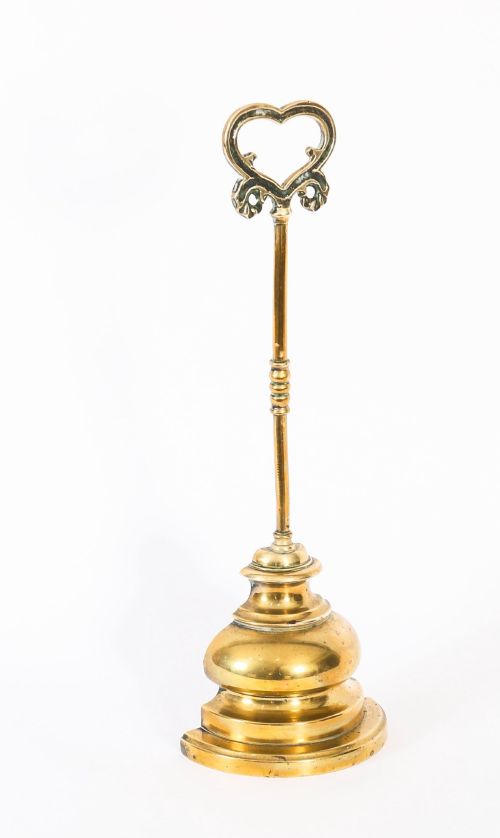
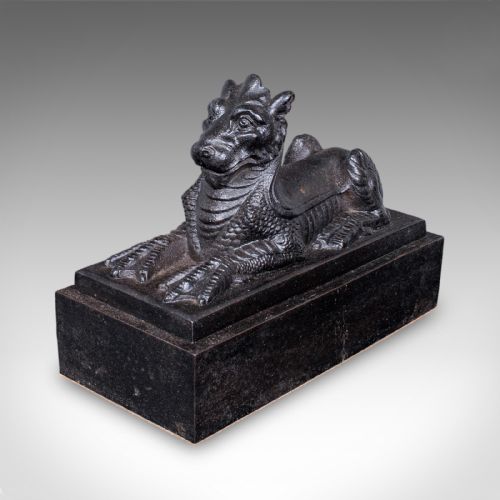
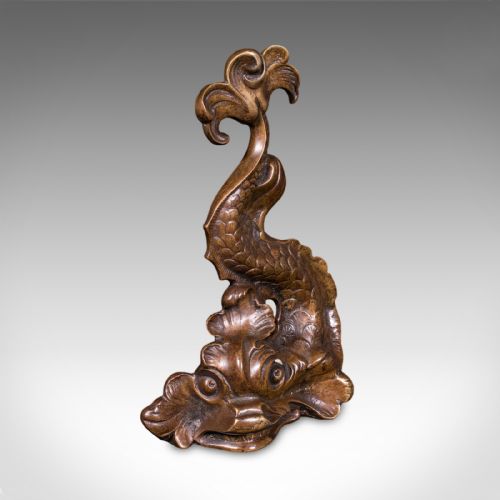
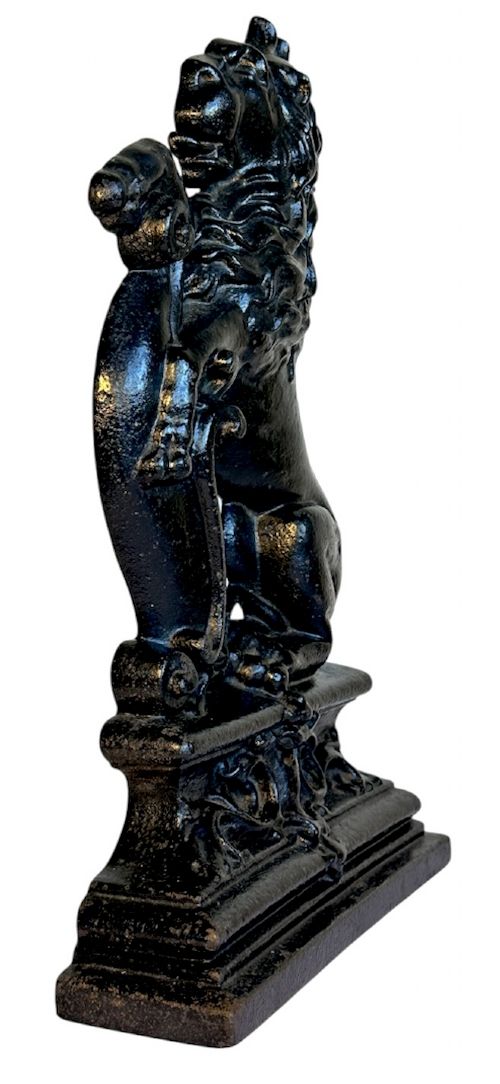
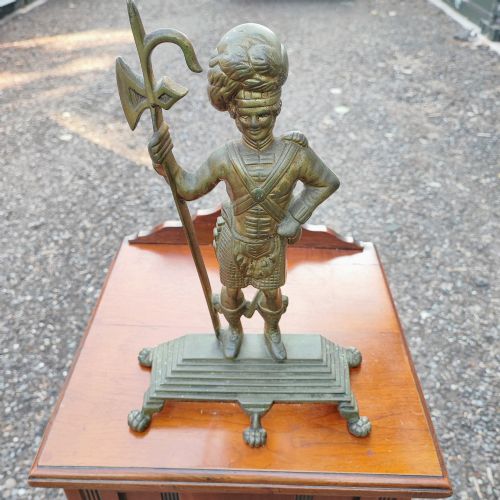
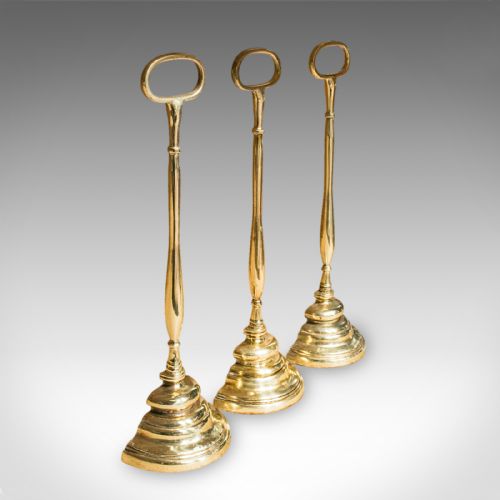
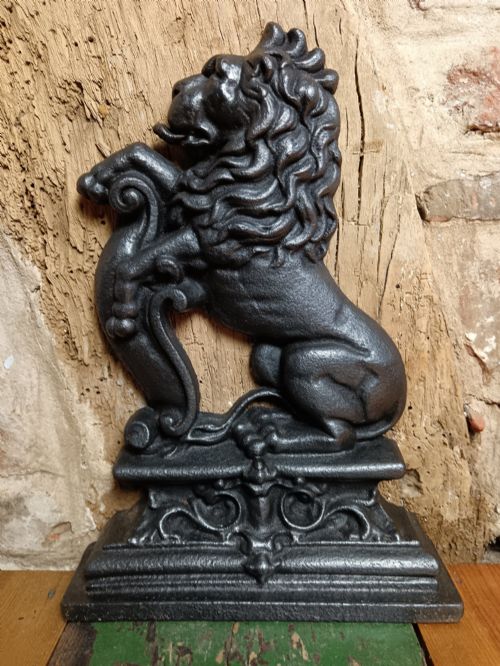
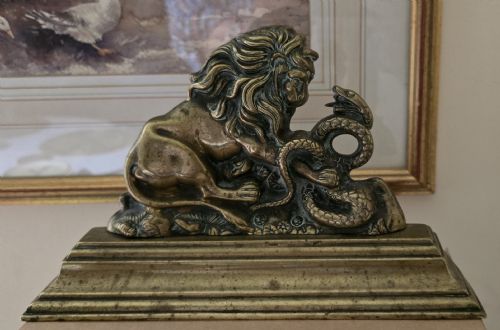
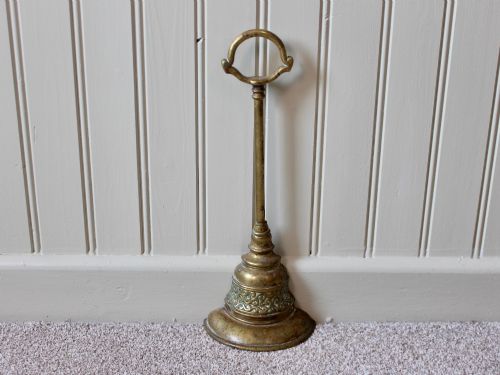
The selections span cast iron, brass, and bronze, often taking the form of lions, horses, dolphins, and figures such as Mr Punch or Lord Nelson. You also find bell weight shapes and heraldic designs intended for English country houses.
Makers such as Tonks produced utilitarian brass items alongside sculptural door keeps. The domestic interior of the nineteenth century relied heavily on these substantial metal objects.
How they were made
Heavier door porters often combined cast brass elements with sturdy iron shafts to add the necessary heft for holding back heavy oak or mahogany doors. The metal was polished or painted depending on the workshop and the intended room in the house.
Antique Door Weight Retail Price Guide 2026
Typical asking prices for door weight among the pieces listed under this phrase on Sellingantiques today, from the lower quarter to the upper quarter. They describe what is for sale here now, not the wider market.
The listings span the Victorian, Edwardian, and Regency periods, utilising cast iron, brass, bronze, and paint.
What varies in quality
The crispness of the casting separates standard production pieces from superior examples, as finer moulds captured intricate facial expressions and deeper relief on animal and human figures. Heavy solid brass or bronze specimens possess greater material weight than lighter iron alternatives.
Original painted surfaces and untouched patination elevate certain examples above those stripped or repainted in later decades. The depth of the modelling in complex forms like sphinxes or cherubs dictates the overall standard.
Tonks·William Tonks·Gustav Becker·James Wood
The Antique Door Weight Glossary
- Doorstop
- A heavy object placed on the floor to prevent a door from swinging shut. These items were essential in draughty nineteenth-century hallways.
- Door porter
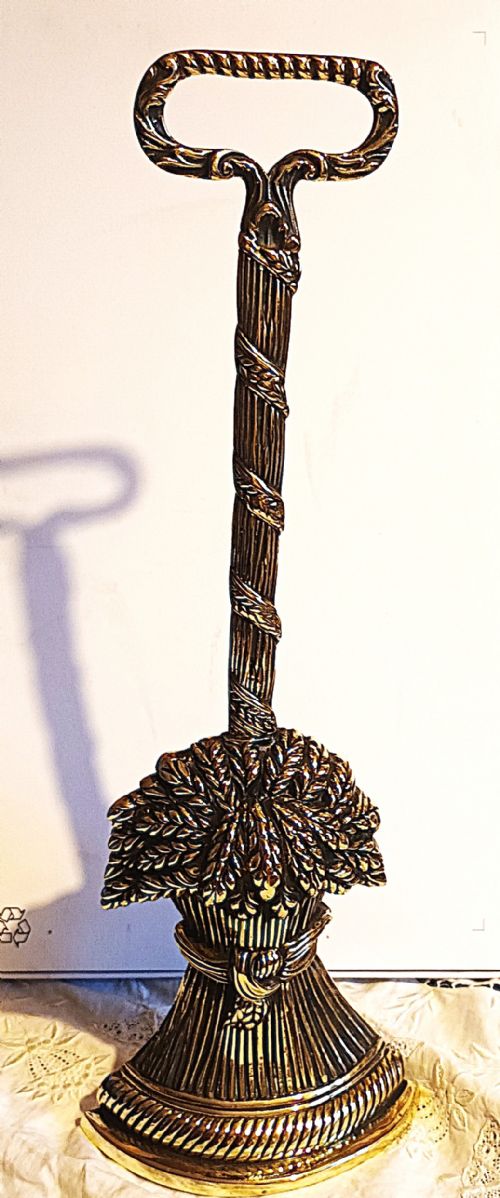
- A tall, weighted handle design often featuring a carrying ring at the top. They were lifted and moved easily by domestic staff.
- Cast iron
- An iron-carbon alloy poured into moulds to create rigid, heavy items. It forms the foundation of many nineteenth-century animal door stops.
- Cast brass
- An alloy of copper and zinc melted and cast into decorative shapes. It provides a bright golden appearance suited to formal spaces.
- Patina
- The surface sheen and oxidation developed over decades of handling and polishing. Collectors value undisturbed patination on older metalwork.
Antique Door Weight: Frequently Asked Questions
What is an antique door weight?
An antique door weight is a heavy metal object, typically made of cast iron or brass, used to hold interior doors open. They date primarily from the nineteenth century.
These items range from simple bell-shaped weights to elaborate figural sculptures representing animals, historical figures, and mythical beasts.
How do I use a door porter?
A door porter is designed to stand upright against a heavy door without needing to be tucked underneath the latch. The handle at the top allows for easy repositioning.
Position the heavy base firmly against the open door to prevent it from moving in household draughts.
Are cast iron doorstops heavy?
Cast iron doorstops possess significant physical weight due to the density of the metal. This mass allows them to hold substantial doors securely in place.
Smaller examples weigh a few pounds, while larger figural porters provide enough heft for heavy country house doors.
How do I date a brass door stop?
Dating relies on stylistic clues, manufacturing techniques, and periods such as Regency or Victorian. Pieces from the early nineteenth century often display finer neoclassical motifs.
Later Victorian and Edwardian examples frequently utilise robust cast iron or brass with distinct registration marks or foundry attributions.