
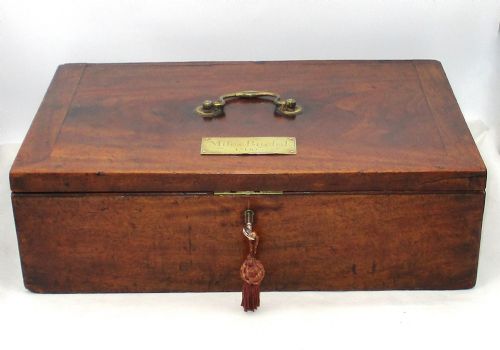
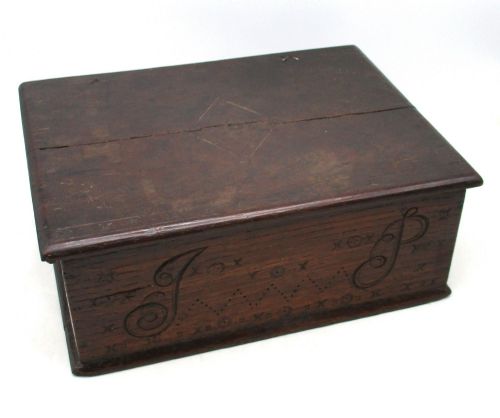
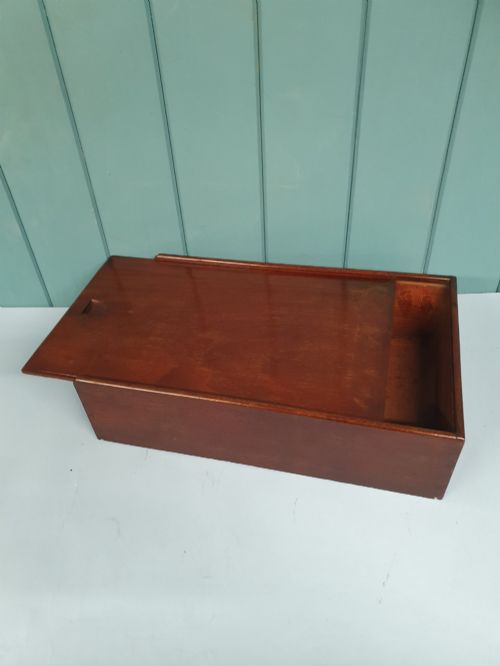
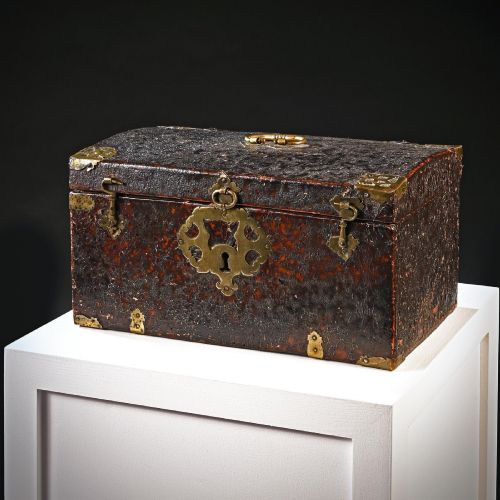
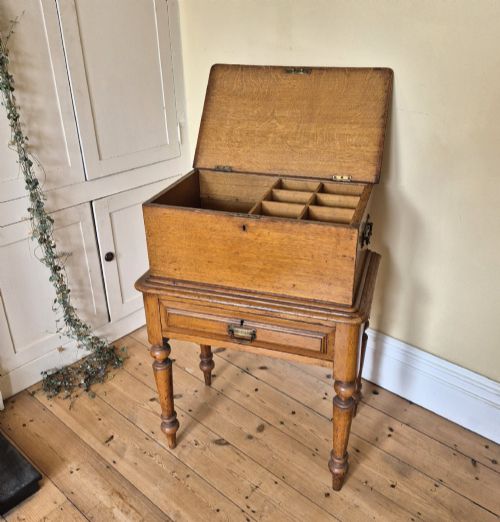
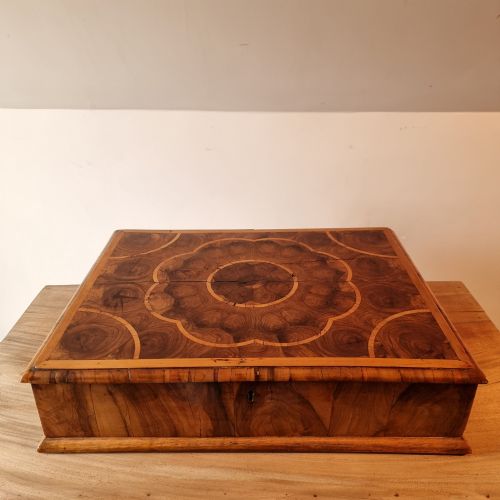
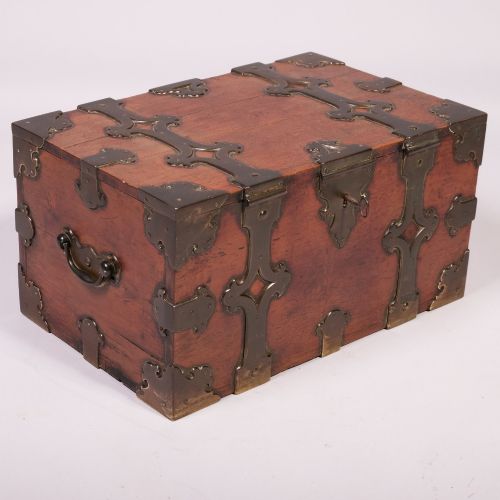
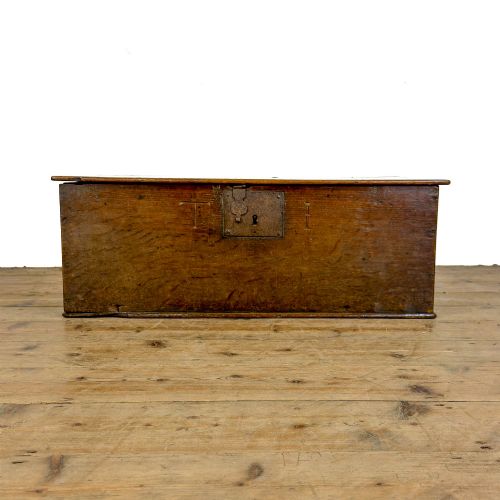
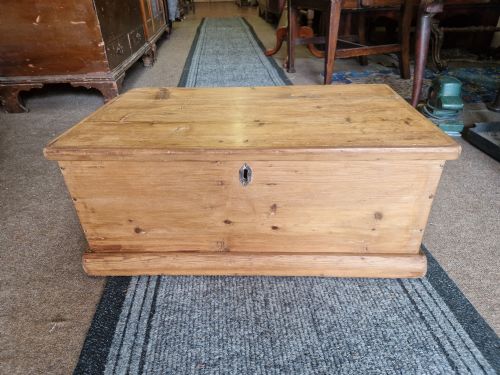
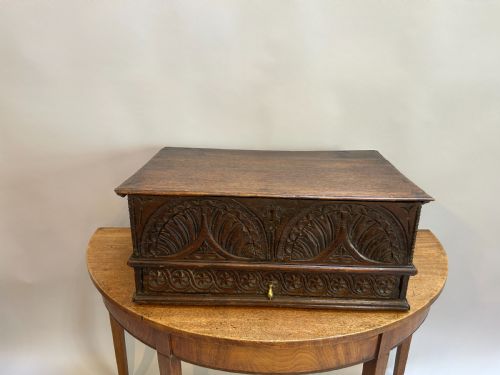
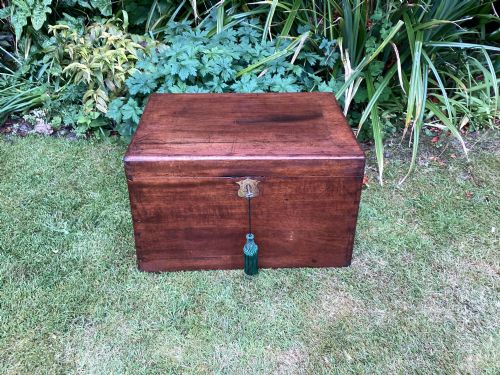
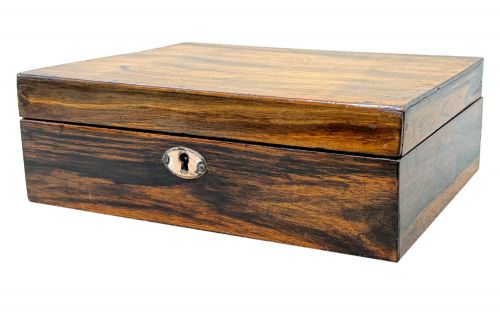
Antique Document Storage Box
An antique document storage box keeps papers secure, offering robust utility and characterful period craftsmanship for the modern study.
What They Are
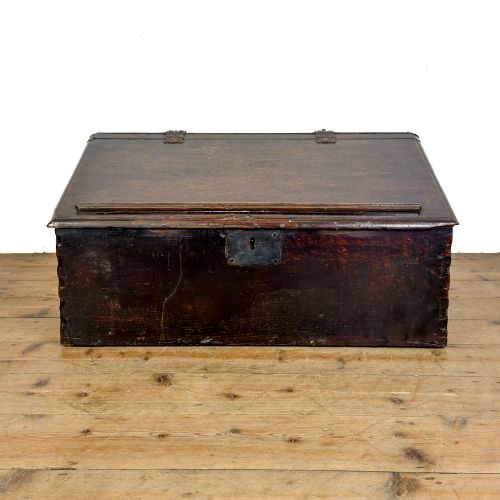
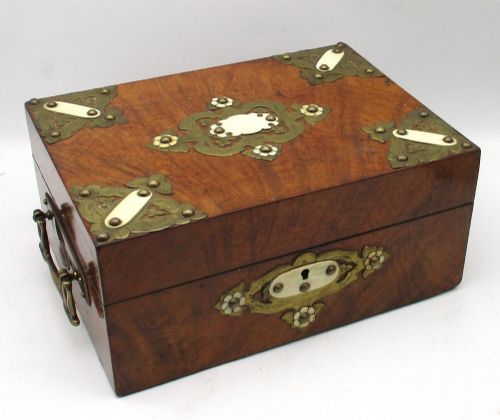
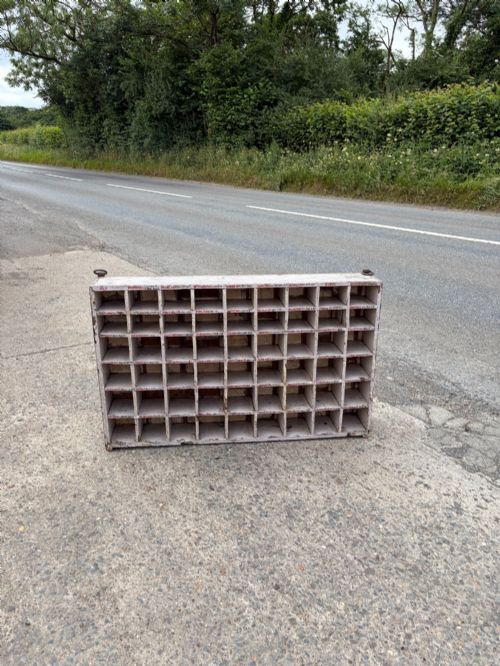
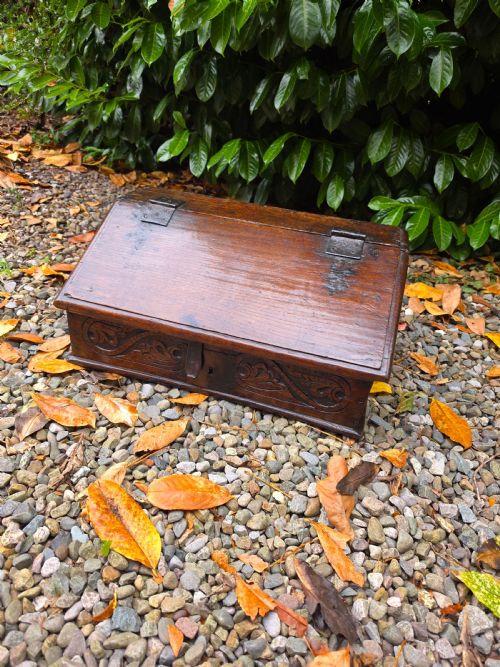
An antique document storage box encompasses practical forms designed to hold papers securely, ranging from compact desk boxes to vertical filing systems. When seeking an antique document storage box, a buyer encounters distinct formats developed across different centuries for home and office administration.
The selection includes robust sixteenth and seventeenth-century oak slant front bible boxes alongside nineteenth-century French paper boxes and Amberg filing cabinets. These varied objects reflect how generations stored correspondence, records, and important texts before modern mass filing.
Early examples prioritise secure lidded compartments for precious manuscripts, whilst later nineteenth-century iterations introduce multi-drawer mechanisms and specialised indexing systems. Each piece demonstrates a specific historical approach to paper management and desktop organisation.
How They Were Made
Cabinet makers utilised solid oak and durable papers alongside supportive card structures to construct these receptacles. Metal fittings such as brass hinges, iron locks, and structural brackets provided necessary reinforcement for heavy daily use.
Early boxes display traditional joinery techniques suited to dense timbers, whereas later nineteenth-century pieces incorporate mechanical metal filing hardware. The combination of tactile natural materials and functional metalwork defines the construction of these storage items.
Early box makers trusted iron locks so thoroughly that losing the key meant consulting the local blacksmith.
What Varies in Quality
Quality rests in the integrity of the materials and the sophistication of the internal mechanism or joining. Early oak boxes derive their merit from the crispness of the timber grain and original operational ironwork, whereas later cabinets rely on the smooth precision of their filing architecture.
The refinement of surface decoration, from simple moulded oak panels to delicate paper coverings, distinguishes utilitarian items from high-status desk furniture. Superior pieces retain intact original hardware and stable structural timbers without excessive replacement parts.
Amberg
The Antique Document Storage Box Glossary
- Slant front
- A hinged sloping lid designed originally for reading or writing upon, commonly found on early desk and bible boxes. This ergonomic form kept documents accessible whilst providing a firm writing surface.
- Bible box
- A small, secure wooden chest traditionally used to house a family Bible and important household papers. These early pieces often feature robust lock mechanisms to protect valued texts.
- Filing cabinet
- A freestanding piece of furniture incorporating multiple drawers or compartments for systematic document storage. Nineteenth-century versions introduced structured vertical indexing for office efficiency.
- Jacobean
- The stylistic period spanning the early seventeenth century, characterised by sturdy proportions and geometric carved decoration in oak. Pieces from this era display heavy construction and dark patination.
Frequently Asked Questions
What fits inside an antique document storage box?
These boxes accommodate folded letters, modern correspondence, and stationery depending on the internal dimensions of the specific desk box or cabinet. Early bible boxes suit flat papers, while filing cabinets manage vertical folders.
Buyers often utilise them on desks or sideboards for daily storage of important personal documents and notes.
How do I date an early oak box?
Dating relies on examining the joinery methods, timber species, and the style of iron hinges or locks. Seventeenth-century pieces typically feature pegged joints and hand-forged ironwork.
Secondary indicators include tool marks on the underside and the natural patination acquired over centuries of handling.
Where should I place a filing cabinet?
A nineteenth-century filing cabinet functions well in a home office or study where paper management is required. Ensure it sits away from direct heat sources to protect the wooden or paper surfaces.
Allow sufficient clearance around drawers or drop-fronts for smooth daily operation.
Are paper boxes durable enough for daily use?
Nineteenth-century paper and card boxes were manufactured for structural strength in office environments, using heavy-grade materials. They handle light everyday retrieval of documents when treated with reasonable care.
Keep them in stable, dry environments to preserve the integrity of the card and decorative paper coverings.