

Antique Dining Furniture
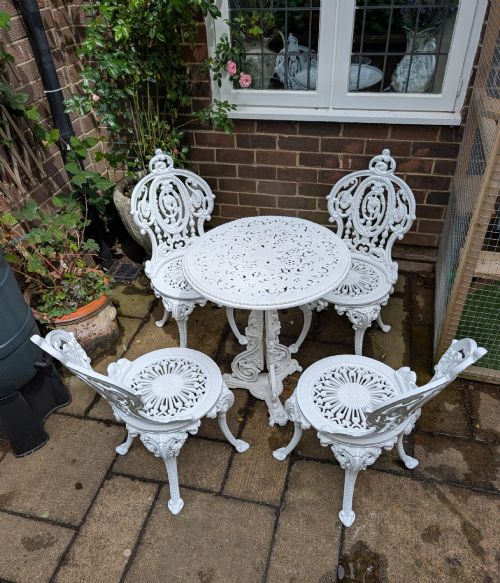
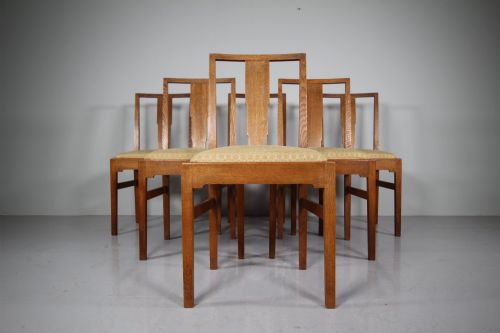
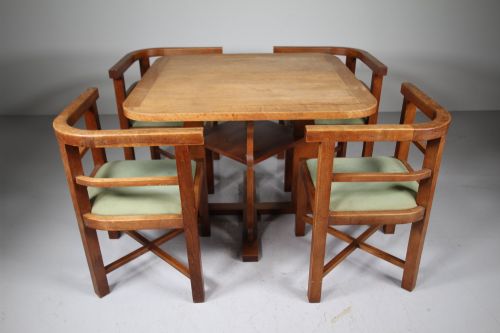
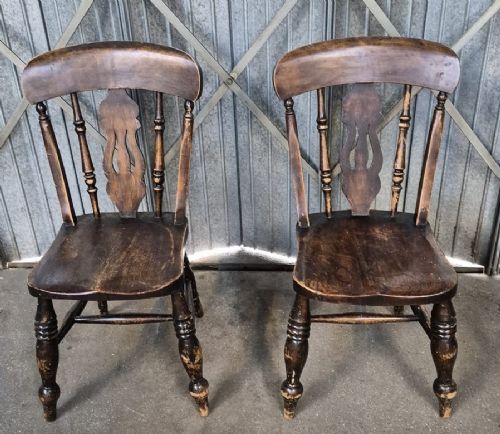
These pieces of antique dining furniture, spanning walnut, oak and mahogany tables and chairs, bring genuine period character to any interior.

Antique Dining Furniture
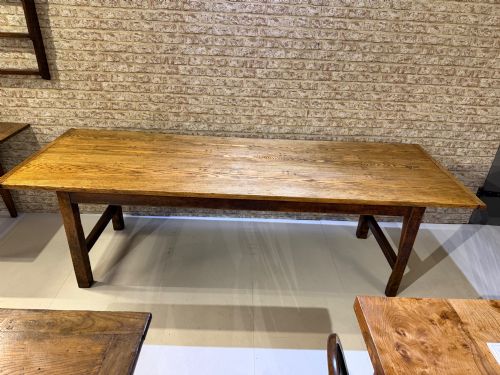
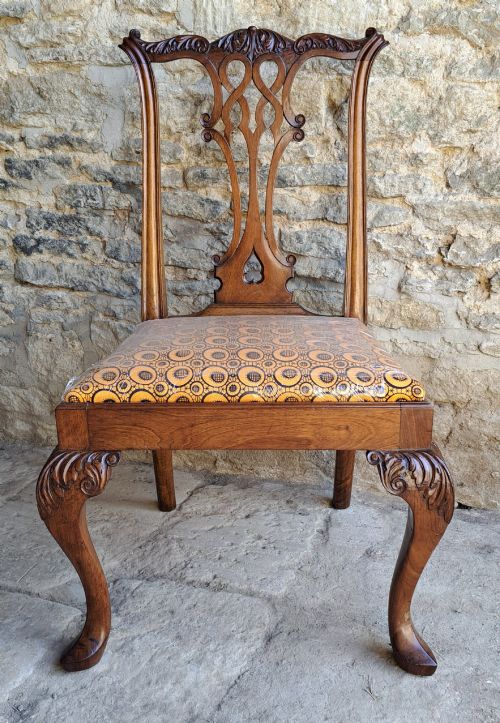
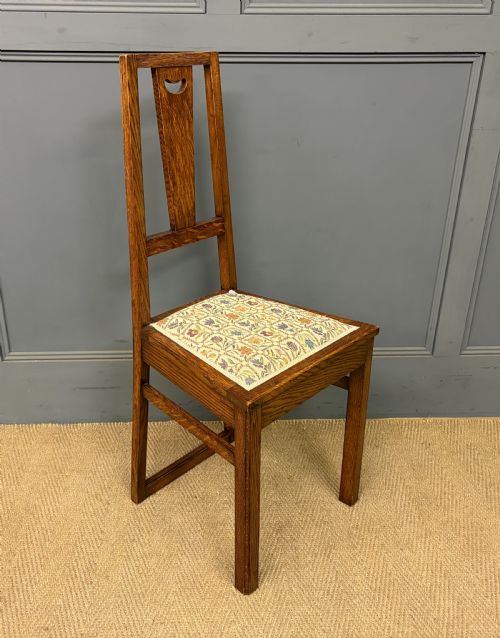
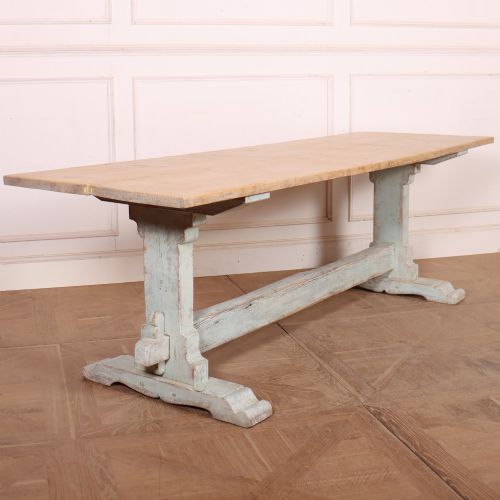
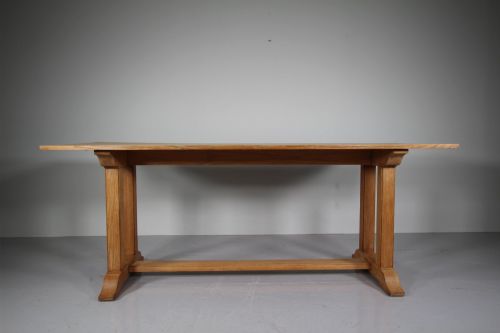
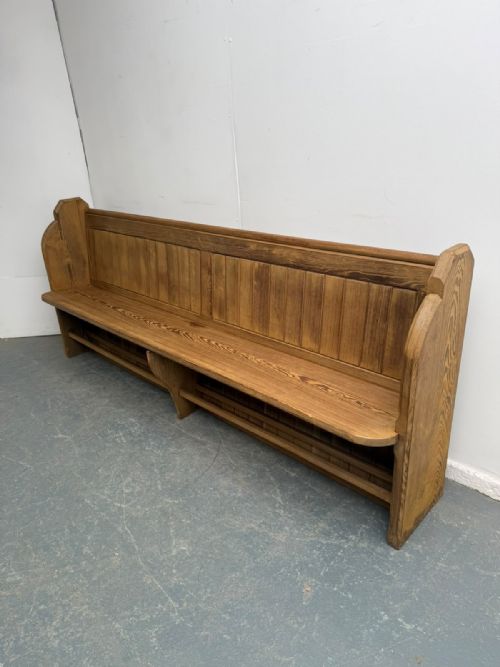
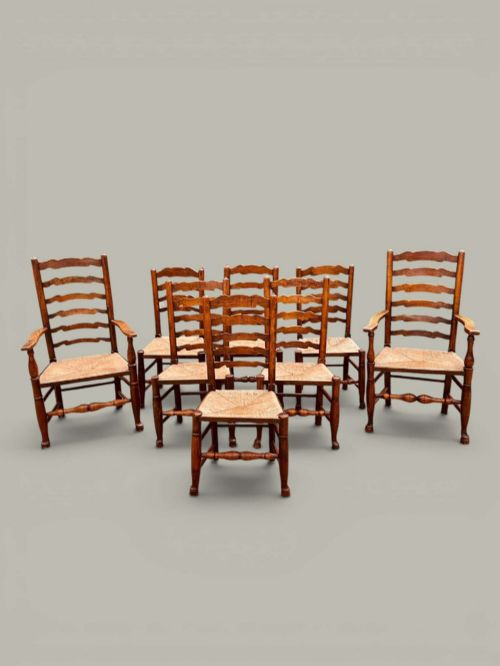
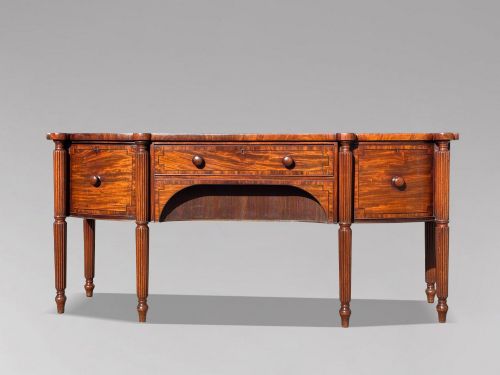
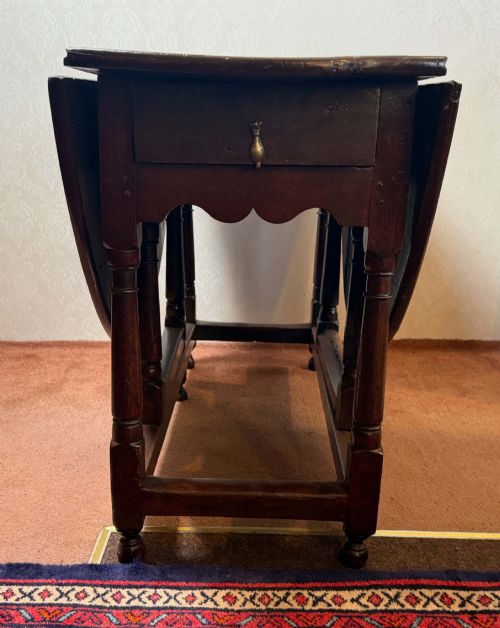
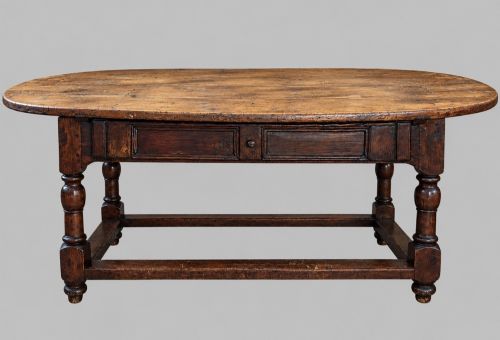
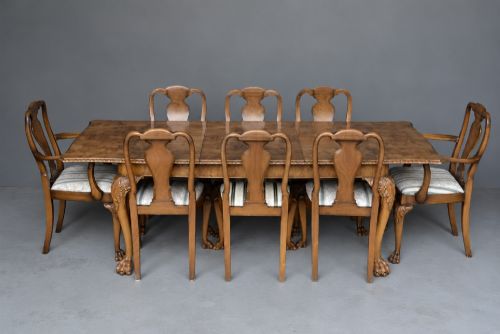
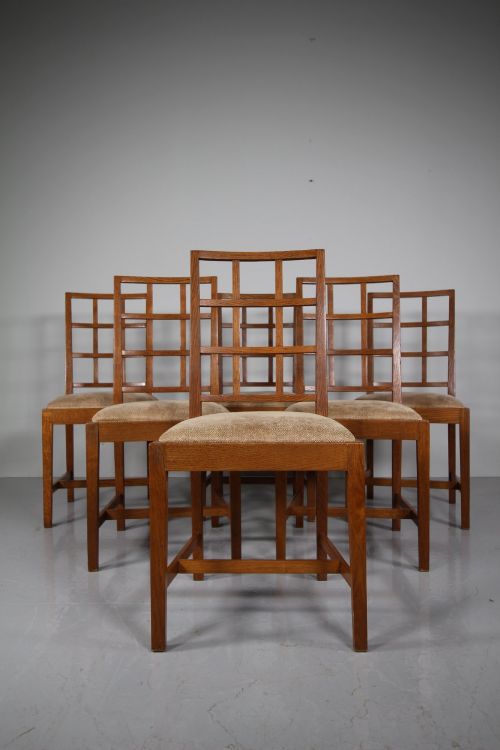
Antique dining furniture covers everything needed for the formal or everyday meal, bringing together tables, sideboards, and chairs from the eighteenth, nineteenth, and early twentieth centuries. Pieces range from large oak farmhouse tables and Spanish elm boards to walnut centre tables and sets of mahogany chairs.
Materials and construction
Timber choice dictates the character of these items, utilising solid oak, mahogany, walnut, rosewood, and elm. Cabinet makers employed robust construction methods such as draw-leaf mechanisms, tilt-top actions, and single-plank tabletops.
Decoration relied on skilled hand-craftsmanship, including marquetry inlay, brass detailing, trefoil carved supports, and intricate gilding. Finishes highlight the natural grain of the wood, from pollard oak to flame mahogany.
Antique Dining Furniture Retail Price Guide 2026
Typical asking prices for dining furniture among the pieces listed under this phrase on Sellingantiques today, from the lower quarter to the upper quarter. They describe what is for sale here now, not the wider market.
The archive and active stock display forms ranging from heavy refectory tables to delicate satinwood bow-front sideboards.
Judging the standard
Quality rests on the selection of timber and the precision of the joinery rather than age alone. Finer pieces display careful book-matching of veneers, crisply carved ornamentation, and original hardware.
Hewetsons London·Maurice Adams·Edwards and Roberts
The Antique Dining Furniture Glossary
- Draw leaf
- A table featuring pull-out leaves stored beneath the main top to extend surface length.
- Marquetry
- Decorative patterns formed by fitting together thin pieces of wood veneer and other materials.
- Refectory
- A long, narrow dining table traditionally used in communal halls and monastic settings.
- Tilt top
- A tabletop mounted on a pivot mechanism that tips vertically for storage when not in use.
- Carver
- An armchair designed with arms, typically placed at the head of a dining table.
Antique Dining Furniture: Frequently Asked Questions
How do I choose the right table size?
Measure your dining room space carefully, allowing ample room around the perimeter for chairs to pull out comfortably. Consider whether an extending model or draw-leaf mechanism might offer flexibility for hosting guests.
Matching the table length to the quantity of chairs you intend to seat prevents overcrowding. Keep in mind the clearance needed for legs, pedestals, or trestle ends.
Are antique tables suitable for daily use?
Solid timbers like oak, mahogany, and walnut withstand regular domestic routines well when treated with sensible care. Using heat-resistant mats and promptly wiping spills preserves the polished or waxed finish.
Routine maintenance involves gentle dusting and occasional waxing rather than harsh cleaning agents. Many families mix antique chairs and tables into modern kitchens without issue.
How do I identify a Victorian dining table?
Victorian pieces often feature dense timbers like burr walnut or rosewood, frequently incorporating tilt-top mechanisms or heavy carved pedestals. Construction methods from this era also introduced robust mechanical extensions.
Look for structural characteristics typical of the mid to late nineteenth century, alongside characteristic decorative motifs. Comparing the timber grain and joinery against dated examples helps confirm the period.