


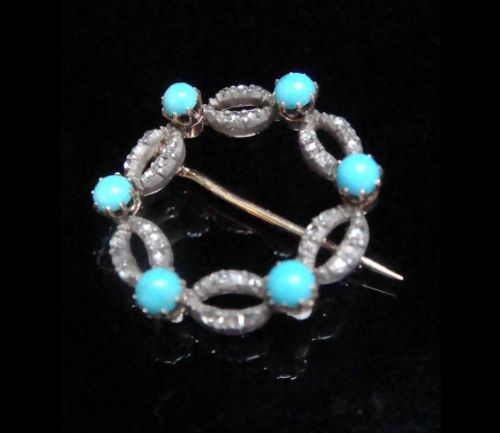

Antique Diamond Brooch Pin
An antique diamond brooch pin combines historic precious metals with fine stone settings to fasten garments or transform into a pendant.
Antique Diamond Brooch Pin
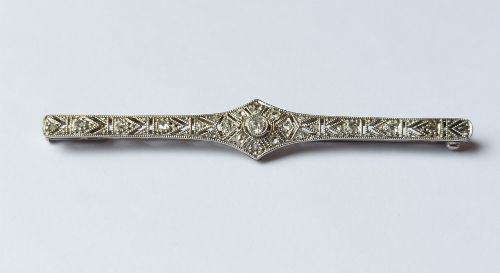
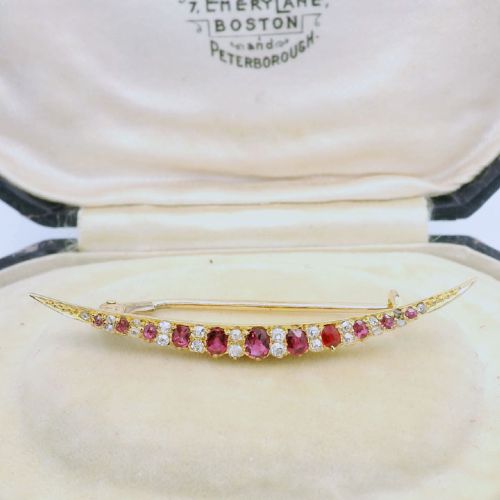
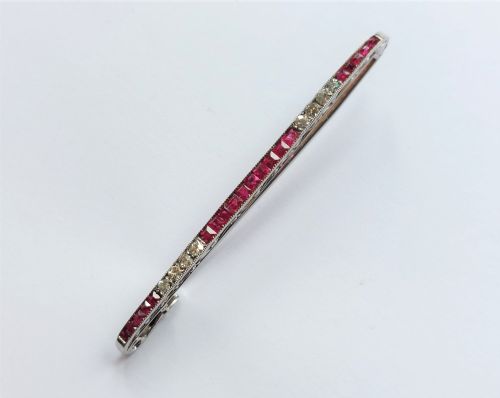
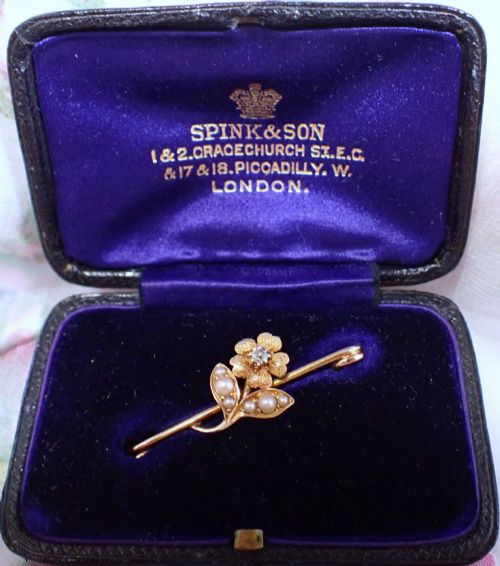
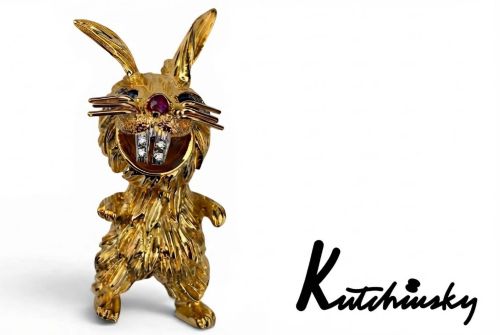
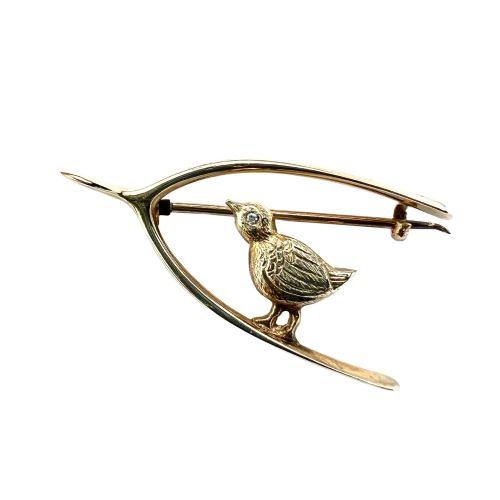
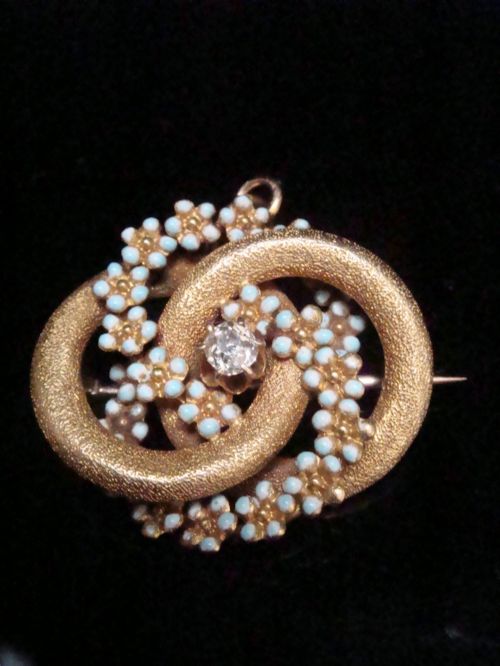
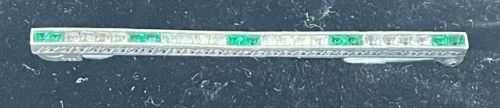
When searching for an antique diamond brooch pin, buyers encounter Victorian, Edwardian, and Art Deco designs shaped into bar brooches, floral clusters, and whimsical figurative motifs. The selections span from nineteenth-century gold crescent pieces set with old-cut stones to geometric platinum platinum-topped creations from the nineteen-twenties.
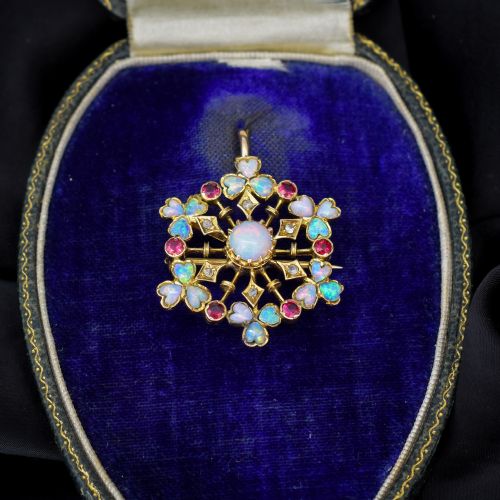
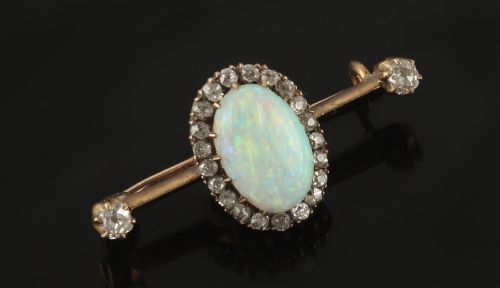
The most common formats met on this page include linear bar brooches and convertible brooch-pendants that transition between clothing fasteners and neckwear. Makers utilised yellow gold, white gold, platinum, and silver-topped gold to mount diamonds alongside rubies, sapphires, opals, and pearls.
Materials and construction
Metals such as platinum, silver-topped gold, and varied carat weights of yellow and white gold provide the structural foundation for these jewels. Platinum gained prominence in Edwardian and Art Deco work for its strength in delicate, lace-like settings, while earlier Victorian pieces relied on yellow gold and silver to reflect candlelight.
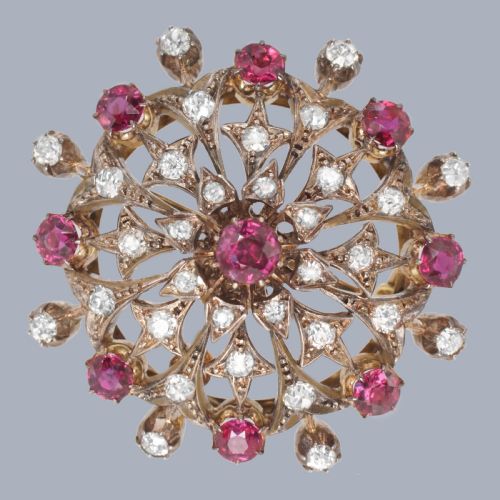
Diamonds are paired with coloured gemstones including rubies, sapphires, peridots, and garnets using traditional claw, bezel, and pave techniques. Many examples incorporate intricate metalwork details such as cannetille wirework alongside secure pin stems and safety clasps.
The listings feature pieces spanning the nineteenth century through the nineteen-fifties, utilising platinum, silver, and gold alongside diamonds, rubies, and pearls.
Distinctions in craftsmanship
Quality rests upon the precision of the stone setting and the integrity of the metalwork, distinguishing refined workshop production from standard output. Superior examples display harmonious stone matching, secure flush or claw settings, and well-executed piercing or repousse details.
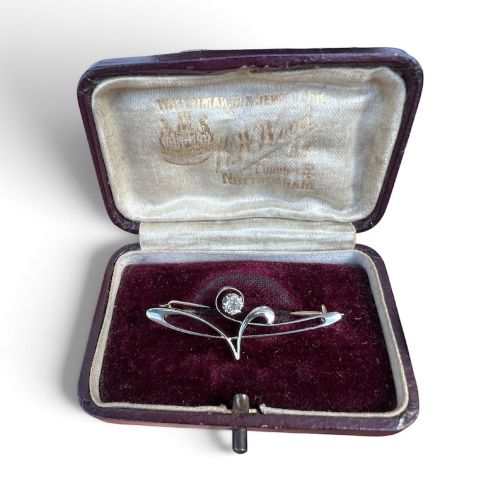
The sophistication of the design and the balance between the central diamonds and accent gems such as rubies or pearls define the upper tier of the range. Original fitted boxes and documented maker provenance add notable context to the surviving pieces.
G. Colani
The Antique Diamond Brooch Pin Glossary
- Bar brooch
- A horizontal pin featuring stones mounted along a narrow metal rod. These linear designs were widely produced during the late Victorian and Edwardian eras.
- Old-cut diamond
- A hand-faceted diamond cut before modern automated standards, typically featuring a smaller table and larger culet. These stones exhibit a distinctive soft scintillation under low light.
- Silver-topped gold
- A manufacturing technique where a gold backing provides structural strength while a silver front layer holds diamonds securely. Silver was favoured because its white surface enhanced the appearance of the stones.
- Cannetille
- A decorative metalwork technique utilising fine gold wire twisted into intricate lace-like patterns. This method appears frequently on mid-nineteenth-century pieces.
- Convertible pendant
- A piece engineered to function alternately as a clothing brooch and a necklace pendant via hidden loops or hinged Bails.
Antique Diamond Brooch Pin: Frequently Asked Questions
How do I wear an antique brooch pin today?
These pieces pin securely onto jacket lapels, heavy scarves, and textured knitwear using traditional pin stems and safety clasps. Many designs feature integrated loops that allow the piece to suspend from a chain as a pendant.
Heavier platinum or multi-stone configurations require sturdy fabrics to prevent sagging. Lighter bar brooches sit well on silk blouses or fine wool waistbands.
What periods are common for these brooches?
The listings span from the nineteenth century through the mid-twentieth century, encompassing Victorian, Edwardian, Art Nouveau, and Art Deco aesthetics. Victorian pieces often incorporate natural rubies, pearls, and yellow gold in figurative or botanical shapes.
Edwardian and Art Deco examples favour platinum, geometric lines, and white gold settings. These twentieth-century works showcase symmetrical arrangements and intricate millegrain detailing.
Are these brooches convertible into necklaces?
Several examples function as both brooches and pendants through the inclusion of hinged loops or detachable fittings. This dual purpose was popular across the Victorian and Edwardian periods.
Buyers can suspend the piece from a suitable chain when the fitting is engaged. The conversion mechanism remains hidden behind the main gemstone cluster when worn as a brooch.
What gemstones appear alongside diamonds?
Rubies, sapphires, opals, pearls, peridots, and garnets frequently accompany diamonds in these historical mounts. Coloured stones were selected to create contrast within floral clusters, crescent shapes, and target motifs.
Natural pearls and cabochon opals are typical of nineteenth-century and early twentieth-century jewellery. Synthetic or paste alternatives also appear in specific decorative bar brooches.