
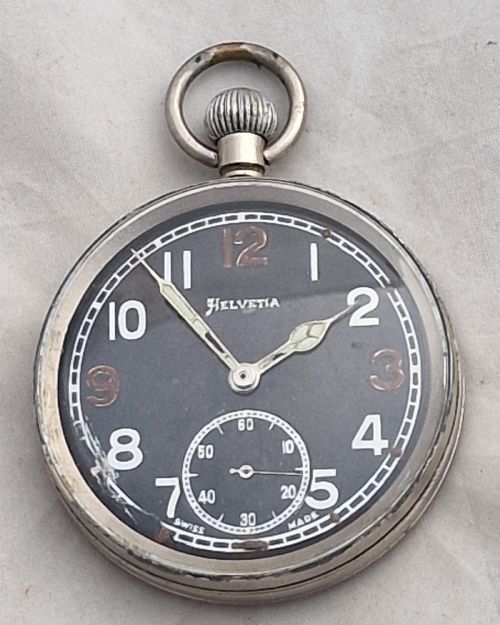
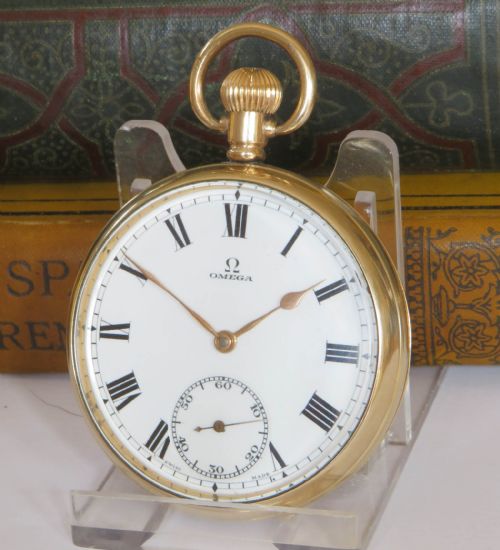
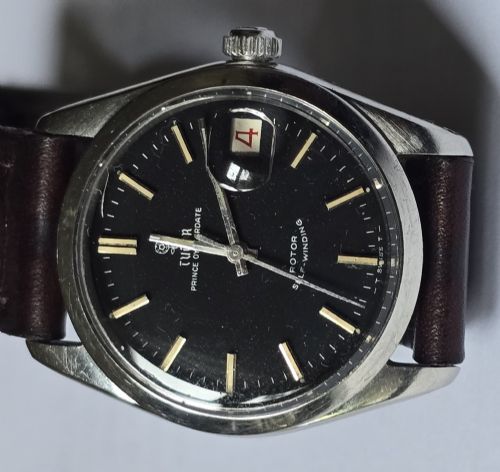
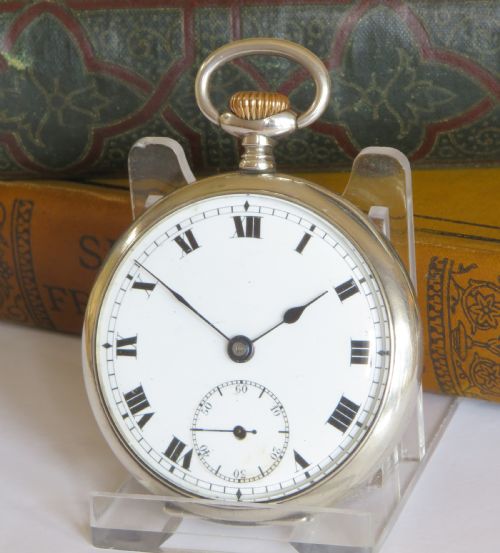

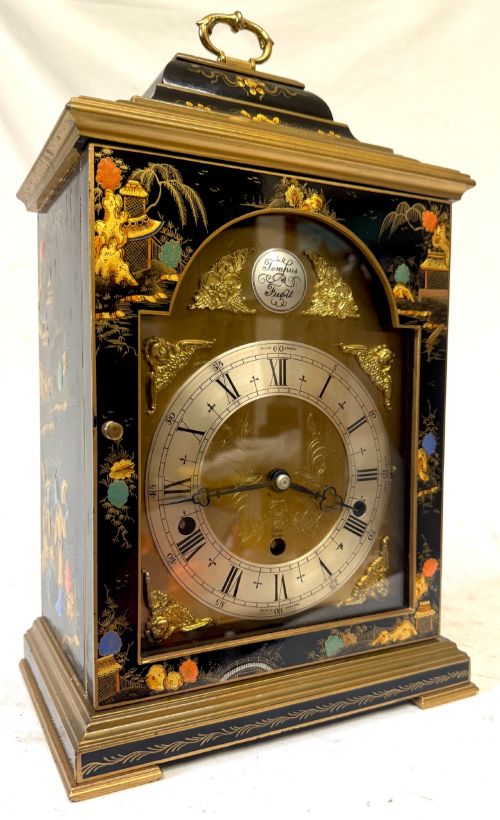
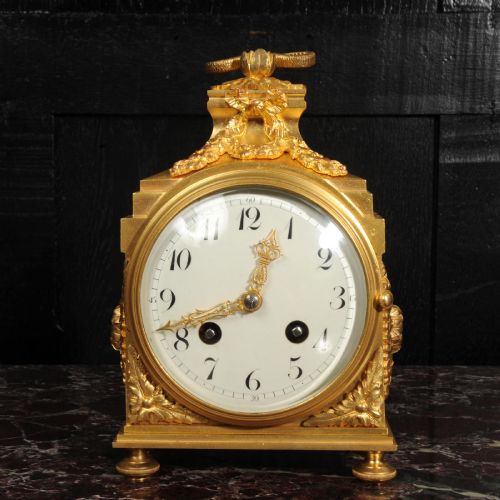
Antique Dial Timepiece
An antique dial timepiece covers everything from heavy railway wall clocks to pocket watches, uniting practical timekeeping with distinct period design.
Antique Dial Timepiece
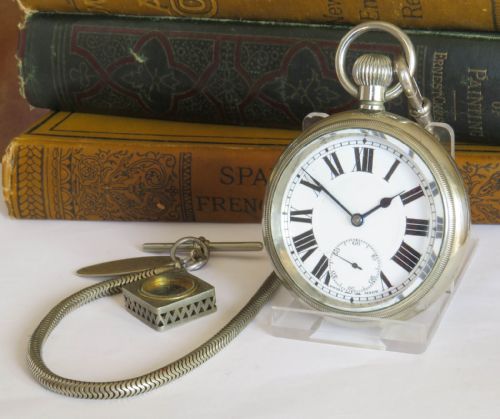
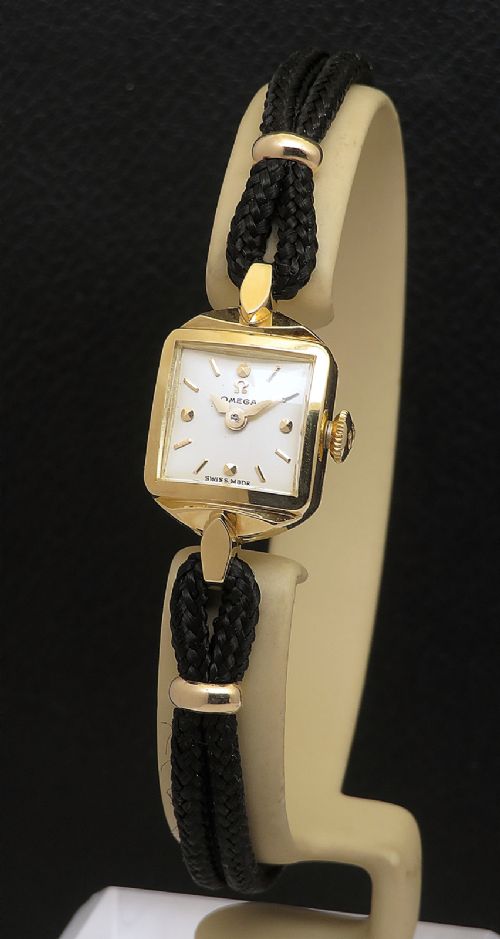
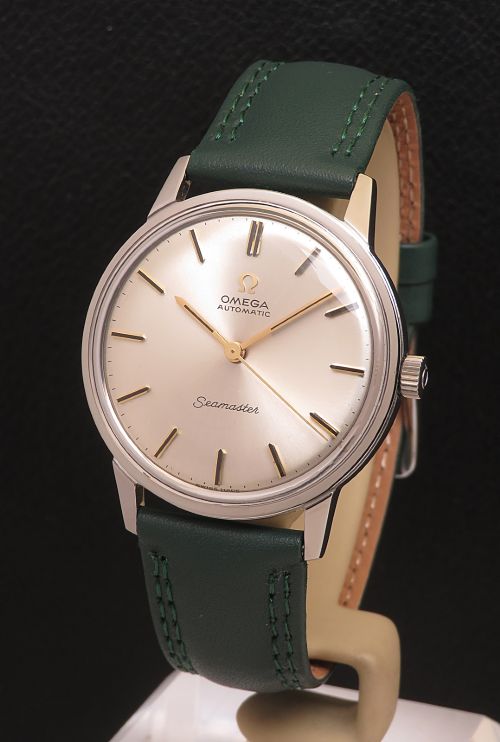
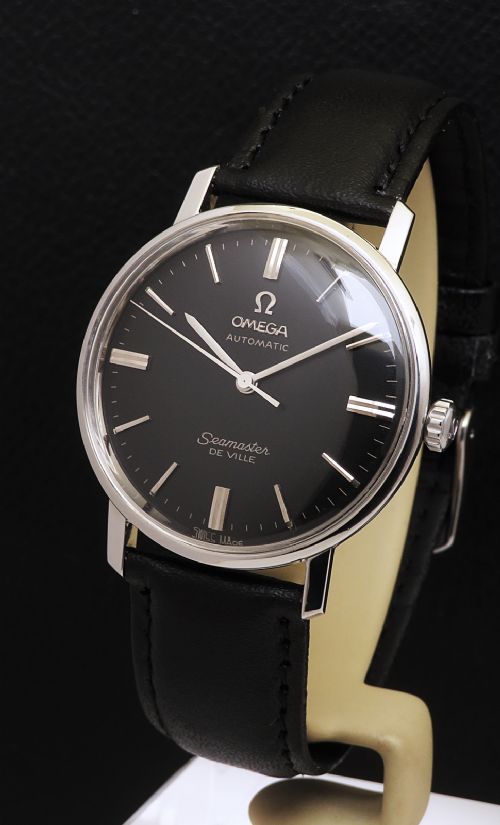
An antique dial timepiece brings together diverse objects sharing a primary focus on a clear clock face, spanning pocket watches, wall clocks, and mantel clocks. Buyers searching for an antique dial timepiece frequently encounter robust station wall clocks alongside delicate carriage clocks and silver pocket watches.
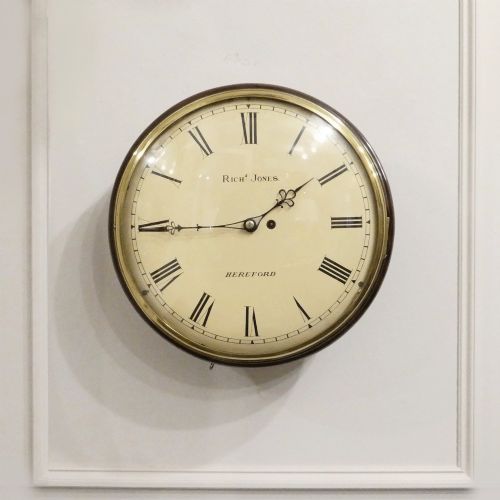
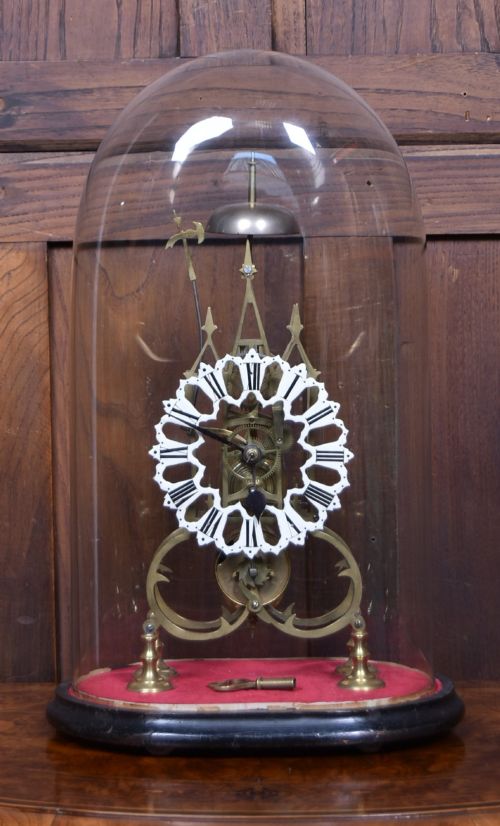
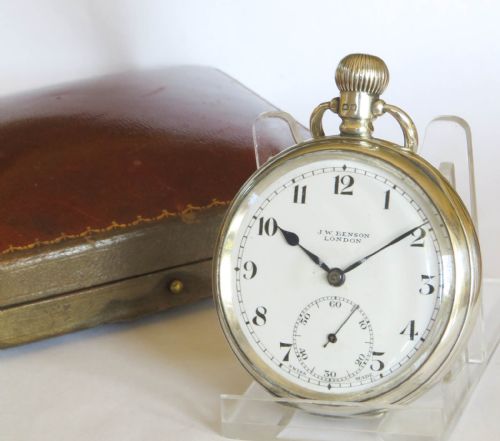
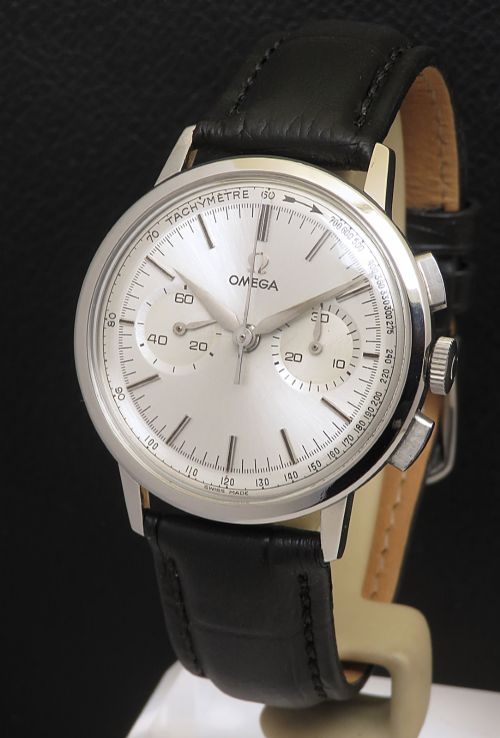
The selection ranges across several decades and centuries, with Victorian railway wall clocks, Edwardian mantel clocks, and 1920s pocket watches appearing regularly. Forms vary from mahogany school clocks and brass-inlaid octagonal wall timepieces to wristwatches and portable travel clocks.
Origins stretch from British workshops and railway centres to French carriage makers and Swiss watchmakers. This variety allows collectors to choose between domestic mantel pieces, heavy utility clocks designed for transport networks, and personal timepieces meant for the pocket or wrist.
Materials and construction methods
Casings rely heavily on timber, brass, and steel, with mahogany used widely for wall clock surrounds and heavy brass applied to carriage clocks and fuseebezels. Glass protects the dials of wall clocks and pocket watches, while silver and stainless steel form the bodies of portable watches.
Movements incorporate mechanical fusee systems in wall clocks alongside Swiss mechanisms in pocket and wristwatches. Dial construction often involves painted metal, enamel, or porcelain panels, paired with brass hands and occasionally leather travel cases for portable units.
Some military watches arrive equipped with metal shrapnel guards, ready for the trenches of the First World War.
Markers of standard and execution
Quality separates through the precision of the movement and the integrity of the dial housing, distinguishing utilitarian production from finer workshop output. Maker signatures, such as those from established watch firms or regional clockmakers, mark out superior examples.
Material selection and decorative execution differentiate standard pieces from exceptional ones, seen in the choice of solid mahogany over secondary woods, or hand-painted porcelain panels against plain metal faces. The preservation of original components and casework maintains the standing of an individual piece.
J W Benson·Helvetia·Omega·Record·Henri Jacot·Elgin·Cyma·Bulova·Lange & Sohne·Eterna·Silvana·Ansonia·Thomas Russell & Son·Tavannes·New York Standard·Festina·William Gard·George Clarke·Barnard·Howell & James
The Antique Dial Timepiece Glossary
- Fusee
- A conical pulley used in older clock movements to maintain even tension on the gear train as the mainspring unwinds.
- Pendule d'Officier
- A French style of portable military officer's clock, usually housed in a brass case with a swing handle.
- Hunter pocket watch
- A pocket watch featuring a spring-loaded metal cover designed to protect the glass dial face.
- Shrapnel guard
- A protective metal grille fitted over the glass of a military trench watch during the First World War.
- Bracket clock
- A portable table clock originally built with a handle or intended to sit on a wall bracket.
Antique Dial Timepiece: Frequently Asked Questions
What is a fusee dial clock?
A fusee dial clock uses a specialised mechanical chain-and-cone system to regulate power delivery from the mainspring, ensuring accurate timekeeping.
These clocks were widely utilised in railway stations, schools, and offices where reliable time tracking was essential for operations.
How do I wind a mechanical timepiece?
Mechanical pocket watches and wall clocks require a key or an integrated crown to tension the mainspring inside the movement.
Care must be taken not to overwind the mechanism, stopping as soon as resistance is felt to protect the internal gears.
Where were carriage clocks placed?
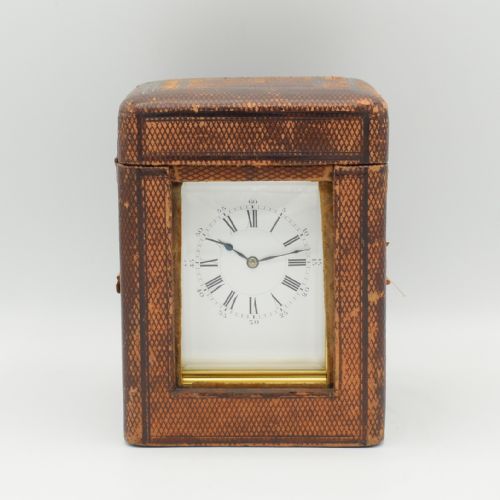
Carriage clocks were originally built as portable timepieces for travellers during the nineteenth century, often supplied with dedicated leather travel cases.
Their robust brass frames and protected glass panels allowed them to withstand movement in horse-drawn carriages and early trains.
What is a railway station wall clock?
Railway station wall clocks are large, clear-faced timepieces designed for public visibility in transport hubs across Britain.
They feature sturdy mahogany surrounds and simple, legible dials to help passengers and staff monitor train departures accurately.