


Antique Devon Painting
When you search for an antique devon painting, you enter a rich visual archive of West Country coastlines, moorlands, and river valleys.
Antique Devon Painting
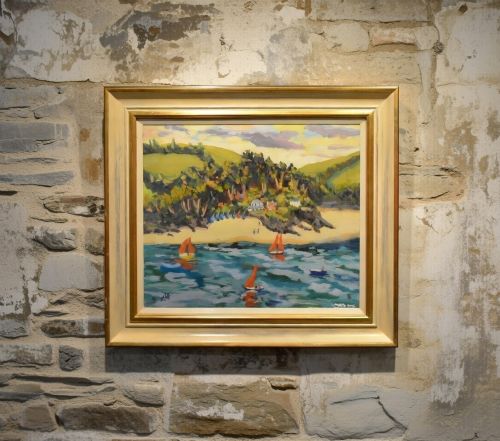
An antique devon painting captures the distinct topography, maritime heritage, and rural character of the county through historical artistic interpretations. You encounter framed watercolours and oil paintings depicting local landmarks from Dartmoor and Exmoor to coastal villages like Lynmouth and Salcombe.
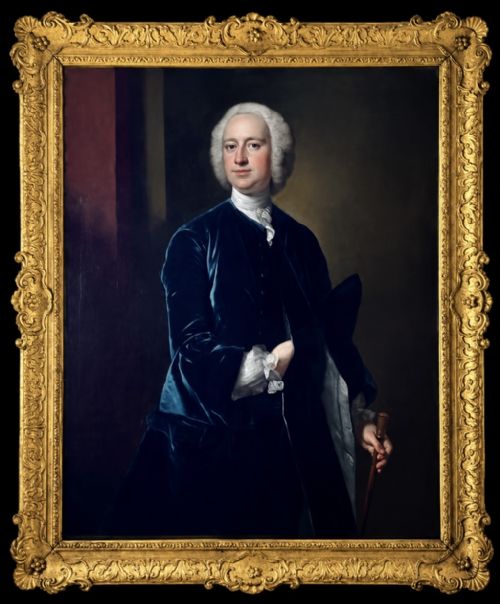
The selections span centuries, featuring Georgian portraits alongside Victorian and Edwardian landscapes. You are most likely to meet works executed on paper or canvas by regional artists documenting local scenery.
How They Were Made
Artists utilised traditional media such as watercolour on paper, gouache, and oil on canvas or wood panel. Brushwork ranges from the tight precision of early portraiture to the looser atmospheric marks characteristic of British Impressionism.
Support materials include stretched canvas, wooden panels, and heavy paper stock, frequently housed within period wooden frames under glass.
Listings include works executed in oil, watercolour, gouache, and pastel across the eighteenth, nineteenth, and early twentieth centuries.
What Varies in Quality
Quality rests in the fidelity of the draughtsmanship, the handling of natural light, and the accuracy of the regional topography. Superior examples display confident brushwork and a sophisticated palette that conveys the specific atmosphere of the West Country.
Condition also dictates standing, particularly the stability of the pigment, the absence of excessive toning on paper, and the preservation of original stretcher bars and framing.
Thomas Hudson·Joseph Knight·Charles William Adderton·Charles Walter Simpson·Richard Harry Carter·Ernest Higgins Rigg·William Traies·Walter Henry Sweet·Charles Branwhite·Samuel Edward Kelly·Richard Cosway·Edmund Gouldsmith·William Shayer Snr·George Marks·Alfred Leyman·H Stuart·John Syer·John Dobby Walker·John Shapland·Richard Henry Nibbs·Alfred Walter Williams·Lady Fanny Maxwell Lyte·Charles D'Oyly·Frank Hider·J Jackson Curnock
The Antique Devon Painting Glossary
- Watercolour
- A painting method in which the paints are made of pigments suspended in a water-based solution. It is frequently applied to heavy paper stock in transparent washes.
- Canvas
- A closely woven fabric used as a surface for oil painting. It is typically stretched across a wooden frame before application.
- Gouache
- An opaque water-based paint that includes a white pigment added to watercolours. This produces a heavier, more solid colour finish on paper.
- Stretcher
- The wooden framework upon which an artist's canvas is fastened. It maintains the tension of the painted surface over time.
- Provenance
- The chronological history of the ownership of a piece. It establishes authenticity and traces the work back to its creation or early exhibition.
Antique Devon Painting: Frequently Asked Questions
How do I identify a regional Devon scene?
Artists frequently inscribed the specific location directly onto the front mount, reverse stretcher, or backing board. Look for familiar landmarks such as Dartmoor tors, Brixham harbour, or named river valleys.
Familiarity with regional geography helps confirm the depicted locale, as many works document specific coastal villages and moorland bridges.
Are these works usually framed in period?
Many examples retain their original Victorian or Edwardian wooden frames, which complement the artistic style of the era. These frames often show minor age-related wear that confirms their long history.
Retaining the original framing adds context, though some watercolours are reframed behind conservation glass to protect the paper.
What is the difference between oil and watercolour here?
Oil paintings on canvas or wood panel offer a heavier texture and deeper colour saturation, often capturing dramatic coastal weather. Watercolours on paper provide a lighter, more luminous quality well-suited to river scenes and bright coastal light.
Both mediums were utilised extensively by regional artists recording the local landscape.
How should I care for an antique painting?
Keep paintings away from direct sunlight to prevent fading in both watercolours and oil pigments. Maintain stable room humidity to protect wooden stretchers and paper supports from warping.
Glazed watercolours benefit from sealed backing boards to keep out dust and atmospheric pollutants.