


Framed Victorian Landscape Artwork
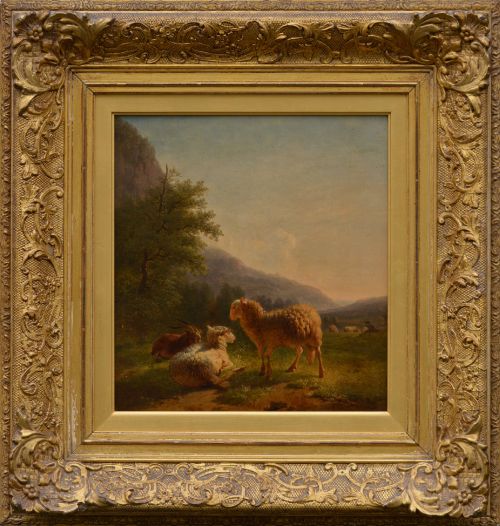
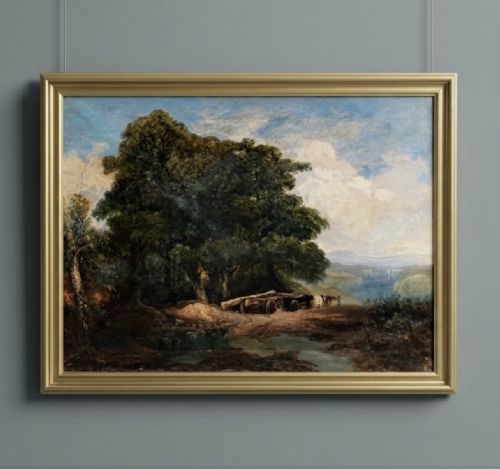
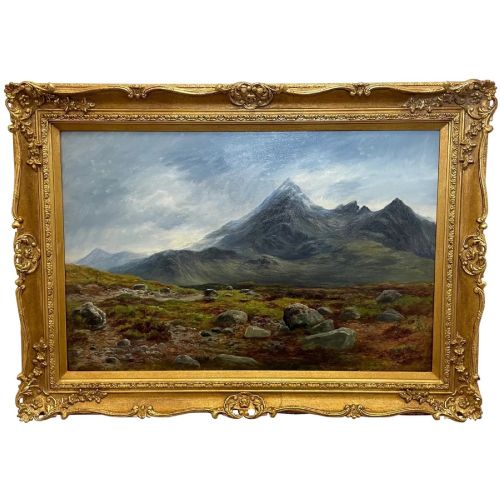
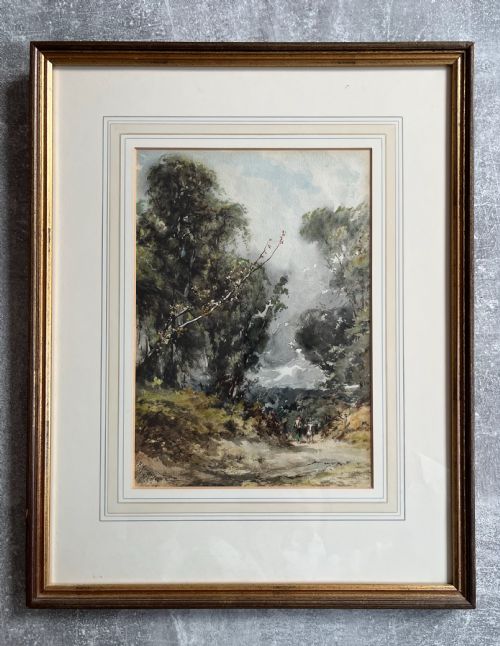
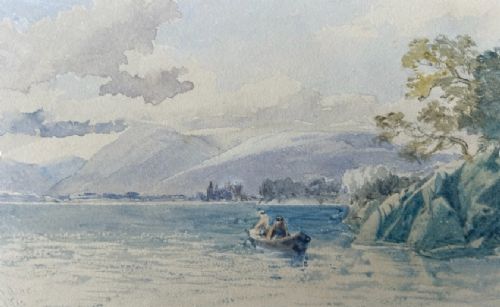
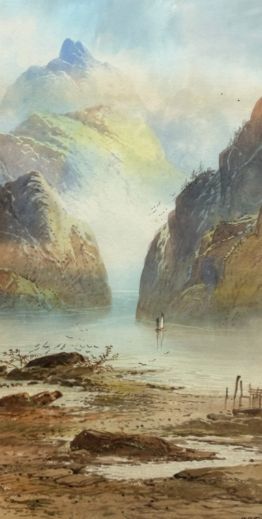
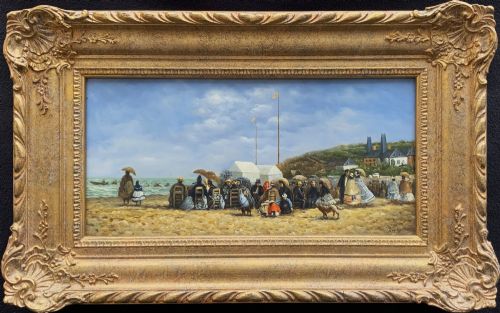
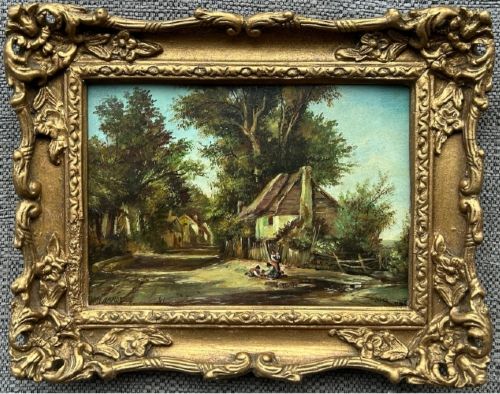
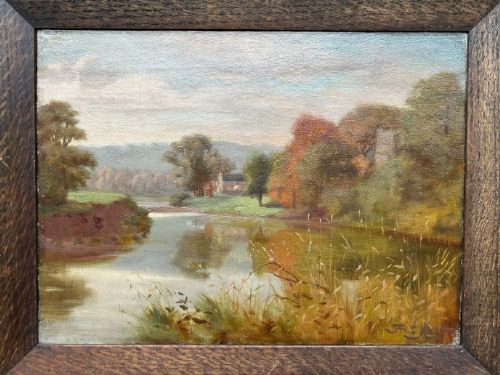
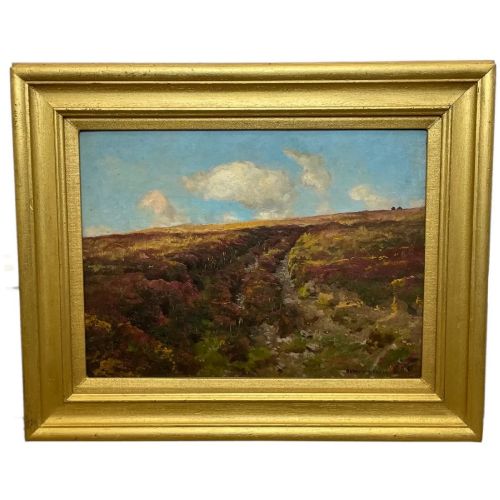
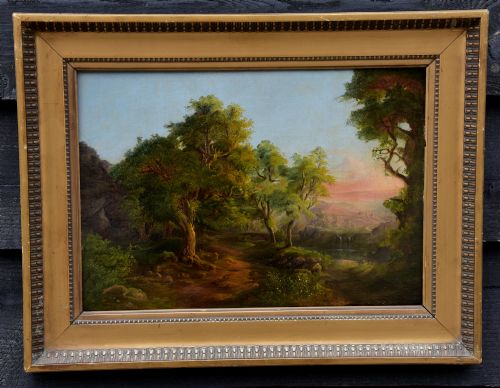
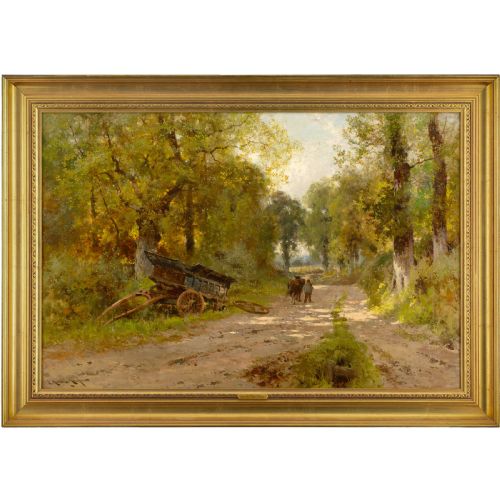
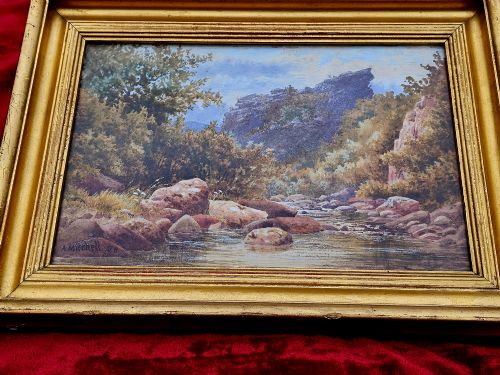
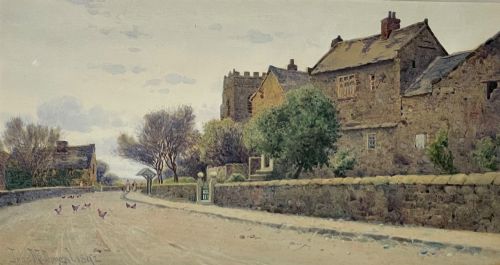
These framed victorian landscape artwork selections capture pastoral fields, coastal harbours, and lochs through oil and watercolour.
Framed Victorian Landscape Artwork
Framed victorian landscape artwork brings nineteenth-century topography, rural scenes, and marine views into domestic interiors. Buyers examining this category encounter works spanning the mid nineteenth century through the Edwardian period, executed in oil and watercolour.
The most common examples on this page are British landscape paintings on canvas, panel, or paper, housed in period wood and gilt frames. These pieces depict woodland paths, river valleys, coastal fishing boats, and pastoral figures working the land.
Originating largely from British and European schools, the works reflect nineteenth century romanticism, pastoral traditions, and regional topographical study. Works range from modest watercolours of village lanes to large canvases of Scottish lochs and Italianate vistas.
Materials and technique
Artists painted primarily in oil on canvas, panel, or board, and in watercolour on paper, applying pigments with varied brushwork to capture light and atmosphere. Canvas and panel supports provided a sturdy base for layered oil paints, while paper accommodated delicate watercolour washes.
Frames constructed from wood, frequently finished with giltwood, protected the paper, canvas, or board and completed the presentation. Glazing protected works on paper from atmospheric damage, while oil paintings remained exposed or varnished for preservation.
Among the rural cattle and coastal boats, a Victorian prized shorthorn bull stands proudly on canvas.
Factors of quality
Quality rests upon the artist's handling of light, depth, and proportion within the composition, distinguishing accomplished academic output from routine studio production. Stronger pieces demonstrate confident brushwork, precise topographical detail, and a balanced tonal range.
The preservation of the original medium, whether oil paint on canvas or watercolour on paper, influences the visual impact of the piece. Surviving period frames constructed from wood and giltwood also contribute to the overall integrity of the object.
Eugène Verboeckhoven·Richard Sebastian Bond·William Beattie-Brown·George Fotherly Hargitt·Thomas Miles Richardson Jnr·James Orrock·William Henry Earp·Frederick Marriott·Arthur Wardle·John Horace Hooper·John McDougal·Alfred Fontville de Breanski Jr·Edward Mills·William Banks Fortescue·Thomas W Lascelles·Robert A Nottingham·David Bates·Robert John Hammond·Alfred Pollentine·Walter Heath Williams·Robert W Macbeth·Robert Thorne Waite·Francis Moltino·Bernard Benedict Hemy·Thomas Creswick
The Framed Victorian Landscape Artwork Glossary
- Oil on canvas
- Pigment mixed with drying oil applied to a woven fabric stretched over a wooden frame. This method allowed artists to build rich textures and deep colour gradients.
- Watercolour
- Water-soluble pigment suspended in a solution applied to paper. This medium creates translucent washes of colour suited for capturing changing atmospheric conditions.
- Giltwood
- Wood carved and coated with a thin layer of gold leaf or gilt finish. Frames of this material provided decorative borders for nineteenth-century paintings.
- Pastoral
- A genre of art depicting rural life, shepherds, and agricultural landscapes. These scenes emphasised a tranquil relationship between humans and the countryside.
- Topographical
- Artwork that records specific geographical locations and identifiable landmarks accurately. Artists often travelled across Britain and Europe to document these sites.
Framed Victorian Landscape Artwork: Frequently Asked Questions
What periods do these artworks cover?
The inventory encompasses the nineteenth century, including the Victorian era, the Edwardian period, and surrounding decades from the mid 1800s to the early 1900s.
These dates reflect the active years of the painters represented in the collection, capturing changing artistic movements across Britain and Europe.
Are the frames original to the paintings?
Many pieces retain their period wood or giltwood frames, which reflect the framing conventions of the nineteenth century.
Buyers should examine specific listings to determine whether a frame dates to the period of the artwork's creation.
How should I hang watercolour paintings?
Works on paper require placement away from direct sunlight to prevent the fading of watercolour pigments and paper discolouration.
Utilising conservation-grade glass and backing boards helps protect these delicate pieces from environmental moisture.
What subjects are most common?
Common subjects include Scottish and English landscapes, coastal fishing scenes, rural villages, and pastoral figures with livestock.
Topographical views of specific rivers, lochs, and European landmarks also appear frequently throughout the selection.