


Victorian Nature Scene Art
Victorian nature scene art captures the quiet beauty of the nineteenth-century countryside through oil and watercolour.
Victorian Nature Scene Art
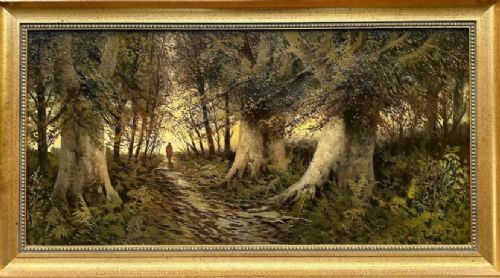
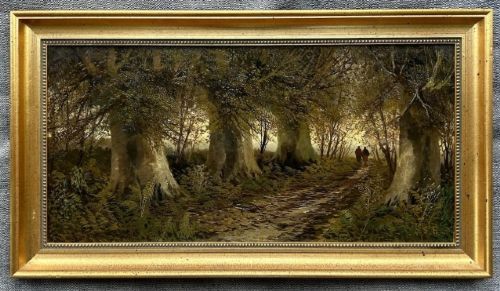
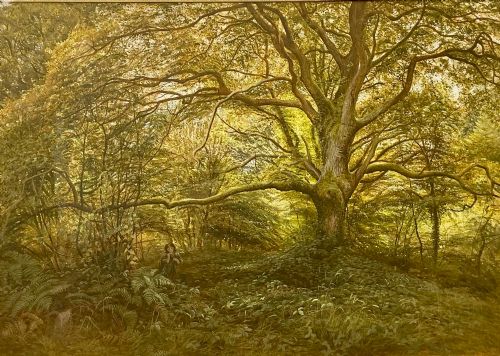
Victorian nature scene art brings traditional rural views, wooded river landscapes and Scottish highlands directly onto canvas and paper. These works reflect the nineteenth-century fascination with the natural world, often depicting quiet country lanes, sunset woodlands and rural river glens.
Buyers will most frequently encounter framed watercolours and original oil paintings dating from the Victorian period through to the early twentieth century. Common subjects range from pastoral river scenes to detailed depictions of woodland wildlife and figures within the landscape.
How they were made
Artists worked primarily in oil paint on canvas or applied watercolour to paper, frequently housed within traditional framed presentations. Canvas supports allowed for rich textures in oil paintings depicting wooded landscapes and rural valleys.
Watercolour works on paper captured finer atmospheric details of rivers and hills, often enhanced by gold leaf accents or plaster frames. Pigments were applied with careful brushwork to render natural light, foliage and water reflections accurately.
Even a humble bird's nest commanded an artist's full attention in Victorian times.
What varies in quality
Quality in Victorian nature scene art rests upon the artist's skill in handling light, perspective and natural detail within the landscape. Works by recognised painters demonstrate superior composition and depth compared to anonymous or less detailed regional pieces.
The preservation of the original canvas, paper support and period frame also influences the overall standing of the work. Clear artist signatures and well-documented provenance elevate certain paintings within nineteenth-century art traditions.
Thomas W Lascelles·Bonomi Edward Warren·John Wright Oakes·William Langley·William Stephen Coleman·Charles Branwhite·James Kinnear·William Mellor
The Victorian Nature Scene Art Glossary
- Oil on Canvas
- A painting technique utilising pigment suspended in drying oils applied directly to a stretched fabric support. This method allowed artists to build rich, textured layers for woodland and river scenes.
- Watercolour
- A medium where coloured pigments are suspended in a water-soluble vehicle, typically painted on paper. It was widely used by Victorian artists to capture light and atmosphere in rural views.
- Gold Leaf
- Gold beaten into extremely thin sheets, often applied to frames or specific areas of artwork for ornamentation. It provides a warm metallic contrast to natural scenery.
- Impressionist
- A style involving thin brush strokes and an emphasis on accurate depiction of light in its changing qualities. This approach influenced later nineteenth and early twentieth-century landscape art.
Victorian Nature Scene Art: Frequently Asked Questions
What subjects appear in Victorian nature scene art?
These works primarily feature British countryside views, wooded river landscapes, Highland scenery and rural rural valleys. Artists focused on capturing natural light, local flora and quiet pastoral moments.
Figures, birds' nests and meandering rivers frequently animate the composition, grounding the vast landscapes in human or natural scale.
How should I display these paintings at home?
Display these works away from direct sunlight and excessive moisture to protect the canvas, watercolour paper and period frames. Proper wall placement ensures the pigments do not fade over time.
Pairing them with traditional interiors allows the nineteenth-century aesthetic of wood and canvas to complement your living space naturally.
How do I identify a Victorian watercolour from an oil painting?
Watercolours are painted on paper, typically protected beneath glass within a frame, showing a translucent quality of pigment. Oil paintings use canvas supports with textured, opaque paint layers that do not require glass.
Examining the surface under natural light reveals the distinctive matte finish of paper versus the heavier sheen of dried oil.
Are these artworks signed by the artists?
Many pieces feature original signatures, initials or artist attributions inscribed directly onto the canvas or watercolour paper. Signed works often link the painting to known nineteenth-century painters and schools.
Initialled pieces also appear, pointing to talented regional artists working during the Victorian and Edwardian eras.