


Framed Country Painting
A framed country painting brings rural life indoors, capturing quiet fields, livestock and rustic cottages behind glass and wood.
Framed Country Painting
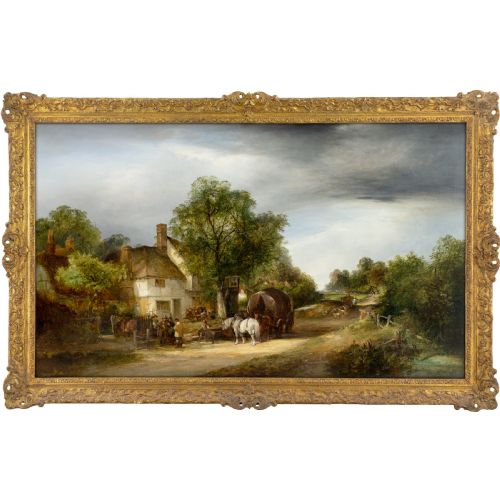
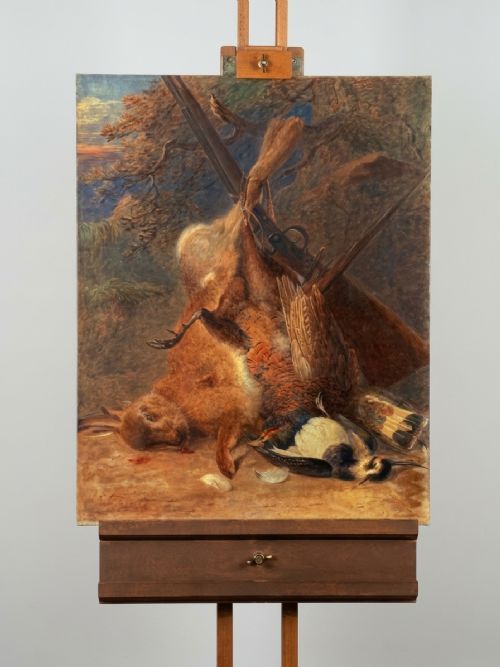
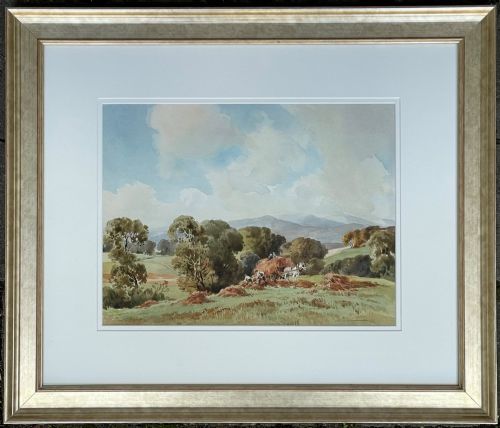
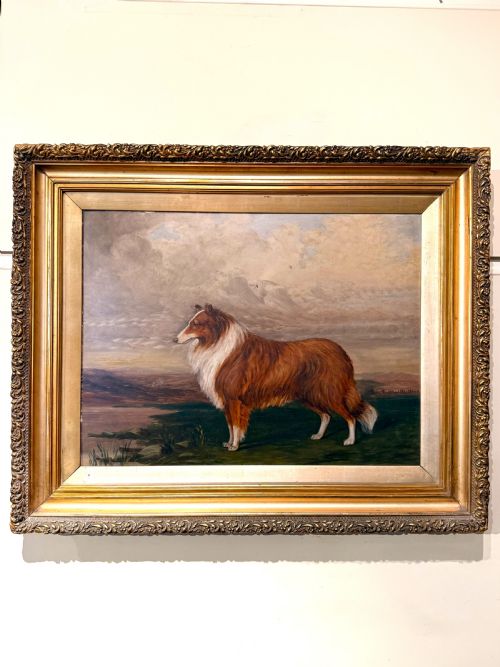
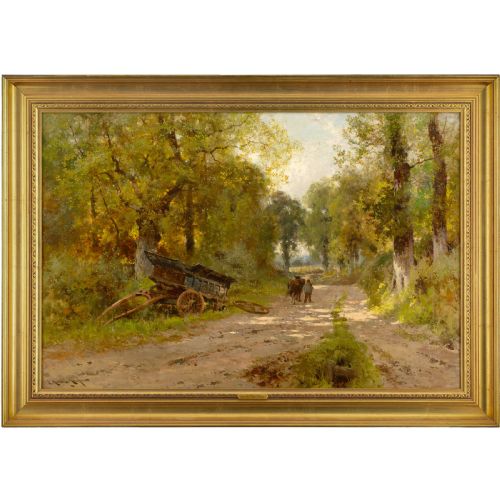
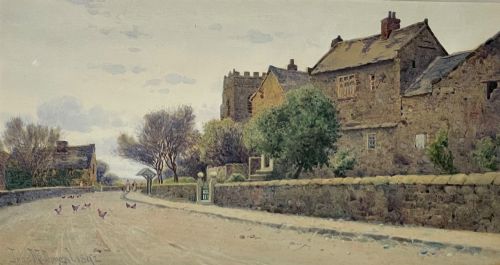
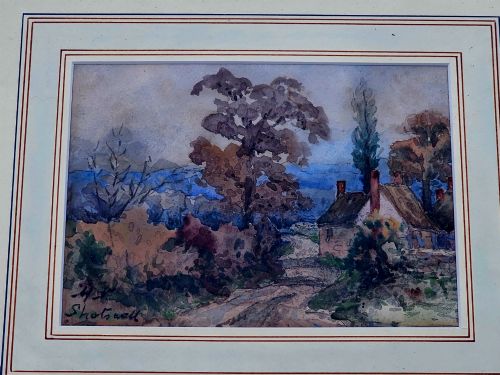
When you search for a framed country painting, you find artworks depicting rural scenes, animals, agricultural life and village architecture spanning the eighteenth, nineteenth and twentieth centuries. These pieces record pastoral views, farming landscapes and domestic country scenes executed by British and European artists.
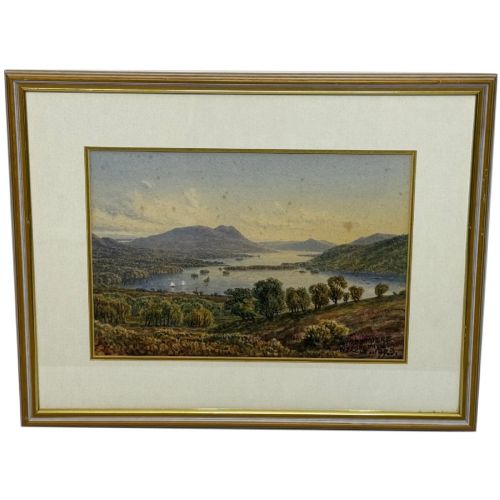
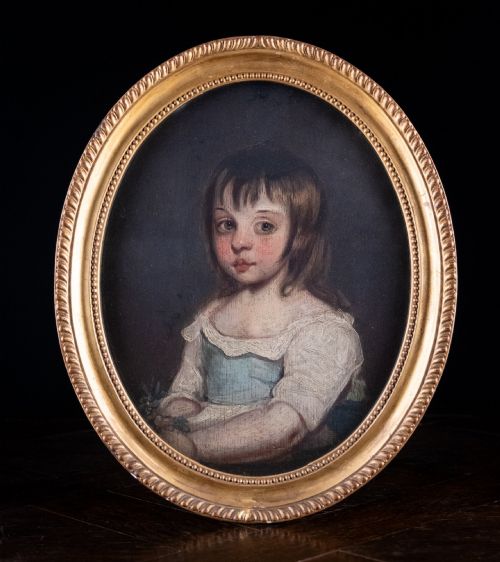
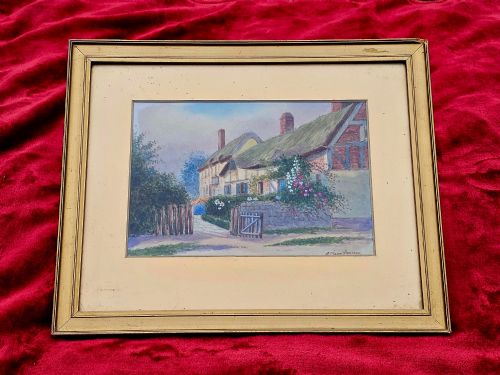
The most common versions met on this page are nineteenth and early twentieth-century works rendered in oil on canvas, oil on board or watercolour on paper. They frequently arrive in their original frames of gilt wood or painted timber, preserving the complete historical object as it hung in period interiors.
How They Were Made
Artists painted these rural subjects using oil paint on stretched canvas, wood panels or stiff card, building up layers of pigment to capture light across fields and farmyards. Alternatively, many works utilise watercolour and pastel applied to paper, capturing the softer atmospheric conditions of British and French countryside.
The finished artworks were secured within wooden frames, frequently finished with gilt leaf or painted surfaces to complement the domestic setting. Glass was often placed over watercolours and pastels to protect the delicate paper surfaces from atmospheric moisture and dust.
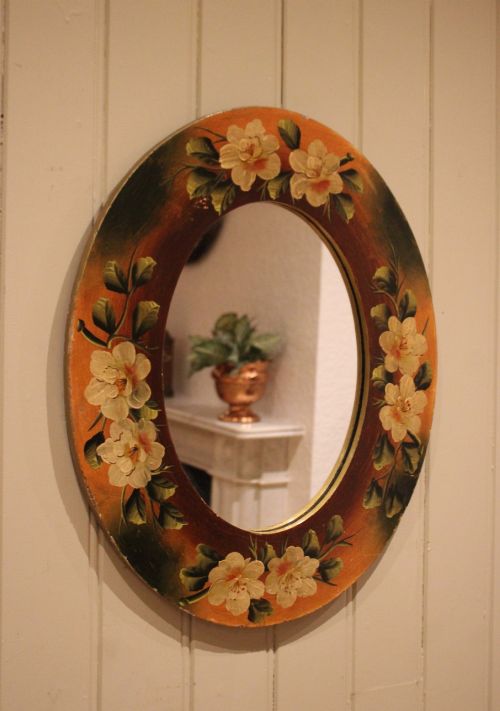
Subject matter ranges from French pastoral mirrors and British shire horses to harvest landscapes and country cottage interiors.
What Varies in Quality
Quality rests in the artist's command of light, shadow and anatomical precision, separating standard decorative sketches from accomplished works by named painters. The depth of observation in figures, animals and landscape perspective dictates the artistic standing of each piece.
The preservation of the original framing materials also influences the piece, particularly where period gilt wood or specific paint finishes remain intact. Surviving artist signatures, exhibition labels and documented provenance elevate the historical importance of the artwork.
Percy Lancaster·William Howard Hardy·John Horace Hooper·A. Marie Parsons·John McDougal·Kershaw Schofield·Stephen Samuel Lewin·Robert Morson Hughes·Arthur Gué·Henry Silkstone Hopwood·Robert John Hammond·Walter Heath Williams·John Smith Atherton·Howard Helmick·Lucy Pratt·George Augustus Holmes·Thomas Sidney Cooper·Joseph H Barnes·Raymond Booth·Ernest Arthur Rowe·Pamela Hughes
The Framed Country Painting Glossary
- Oil on Canvas
- Pigment mixed with drying oil applied to a woven fabric support stretched over a wooden frame. This medium allowed artists to build rich textures and deep tones for pastoral scenes.
- Watercolour
- Paint consisting of colour suspended in a water-soluble binder, traditionally applied to paper. It offers luminous, translucent washes ideal for capturing shifting rural light.
- Gilt Wood
- Timber carved or moulded and coated with a thin layer of gold leaf or metallic powder. Frames finished in this manner were standard for displaying fine art in period homes.
- Trumeau
- A decorative wall mirror or panel featuring an oil painting set into the upper section. These architectural pieces originated in France and combined functional glass with pastoral art.
- Barbizon School
- A nineteenth-century French movement focused on plein-air landscape painting and direct observation of nature. Artists associated with this group emphasised realistic portrayals of rural farmyards and forests.
Framed Country Painting: Frequently Asked Questions
What periods do these paintings cover?
The works span from the eighteenth century through the Victorian and Edwardian eras up to the mid-twentieth century. Most examples date from the nineteenth and early twentieth centuries.
During this timeframe, rural subjects remained popular among artists documenting agricultural life, farm animals and traditional country cottages before rapid industrialisation transformed the landscape.
Are the frames original to the artwork?
Many pieces retain their period frames, constructed from wood with gilt or painted finishes that match the era of the painting. These original housings complete the historical presentation of the artwork.
Some works have been reframed over the decades to suit changing interior tastes while protecting the canvas or paper underneath.
How should I care for a framed painting?
Keep the artwork away from direct sunlight and damp environments to protect both the paint pigments and the underlying canvas or paper. Dust the frame gently with a dry, soft cloth.
Watercolours and pastels require glass protection and stable indoor humidity to prevent the paper from warping or fading over time.
How do I identify the artist?
Look for signatures, monograms or inscriptions located in the corners of the canvas or across the paper surface. Additional clues often appear on the reverse of the frame or stretcher bars.
Exhibition labels, gallery stamps and handwritten notes left by previous owners frequently provide documentation regarding the painter's identity and exhibition history.