




Traditional English Painting
Traditional English painting captures centuries of rural life, portraiture and landscape through oils and watercolours passed down through generations.
Traditional English Painting
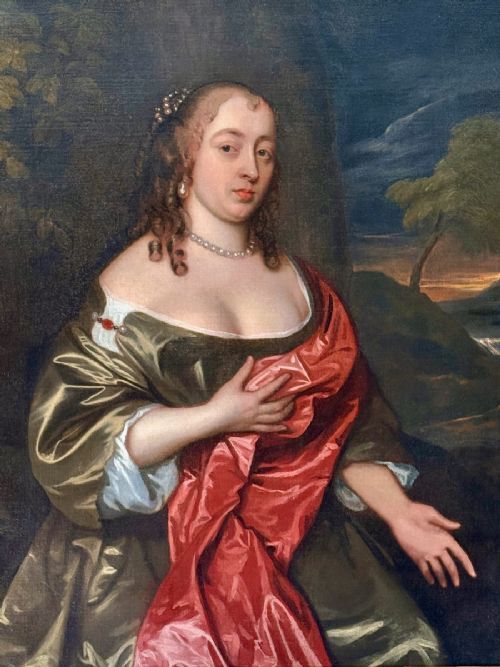
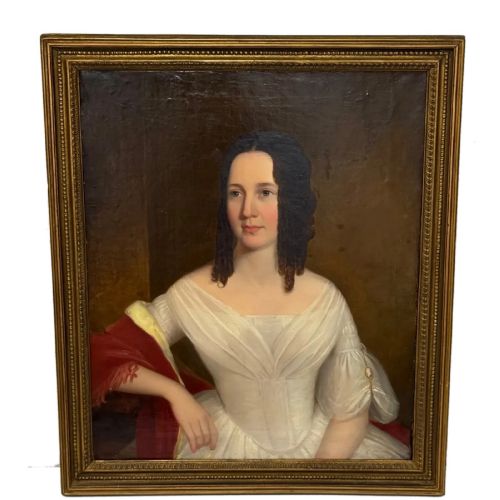
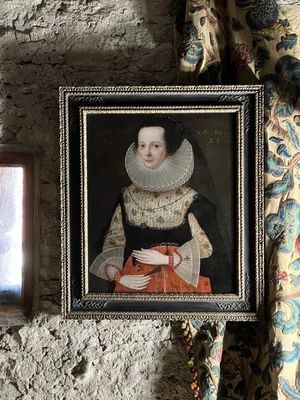
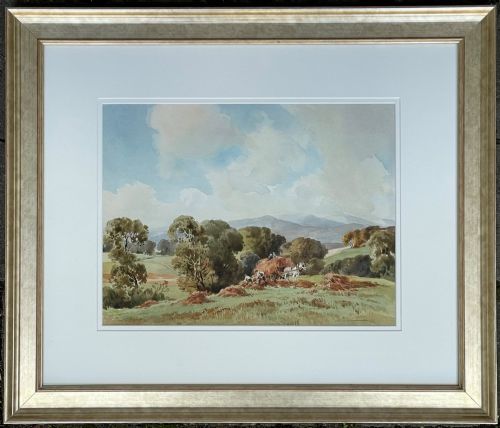
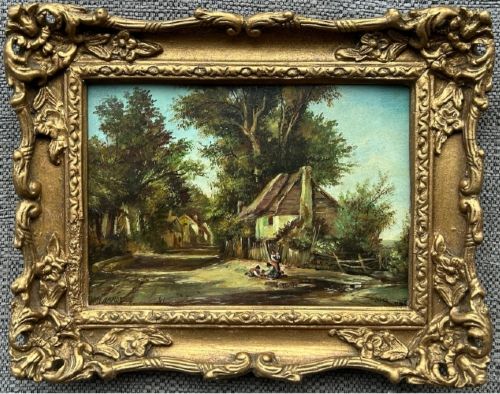
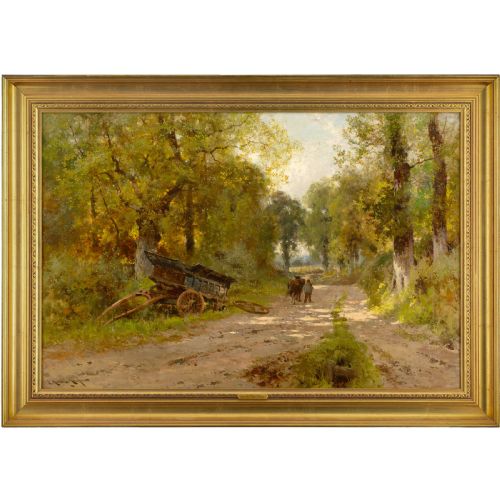
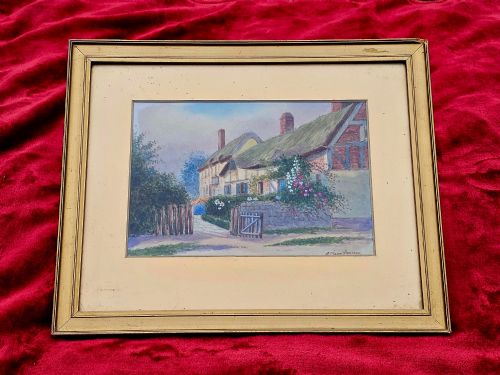
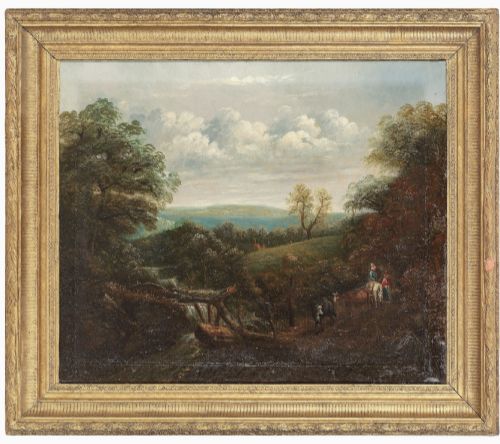
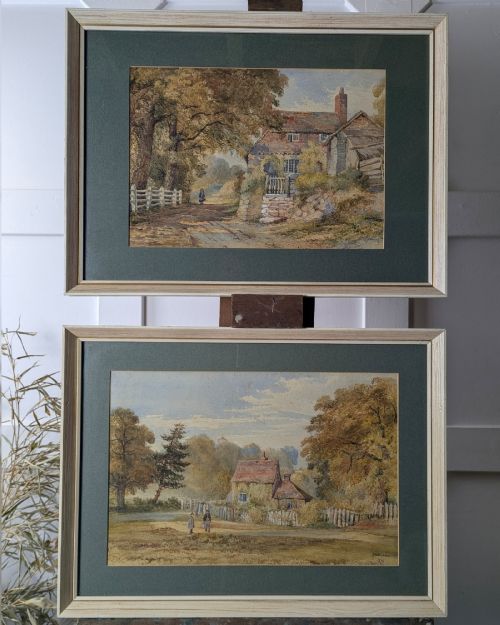
A traditional English painting encompasses oil on canvas, panel and card, alongside watercolours depicting landscapes, seascapes, portraits and rural scenes. These works span from the seventeenth century through the Victorian and Edwardian eras, reflecting changing domestic and pastoral tastes.
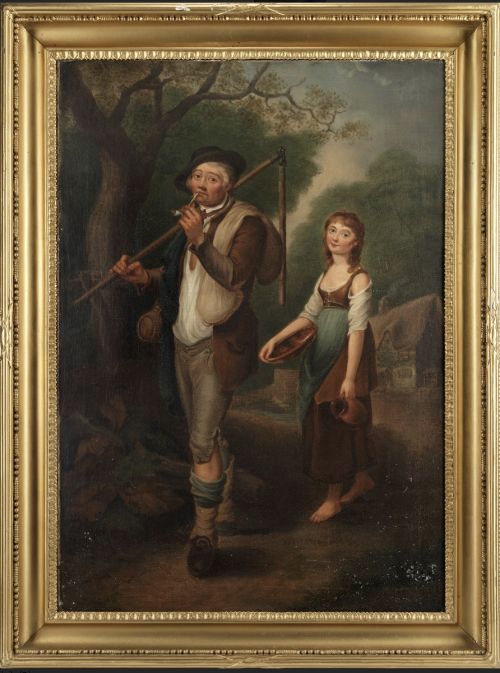
Buyers encounter named artists from regional schools alongside anonymous works grouped under the English School. Subjects range from harvests and coastal harbours to livestock and formal portraiture.
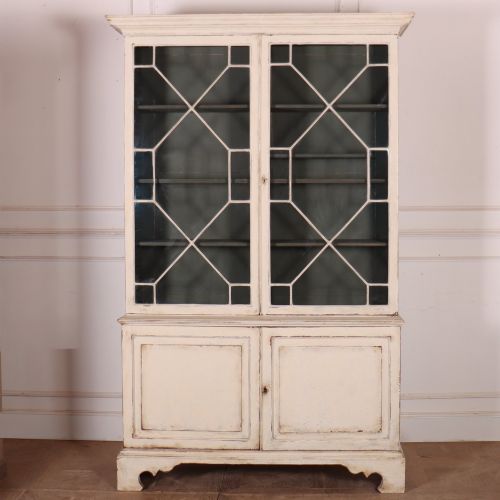
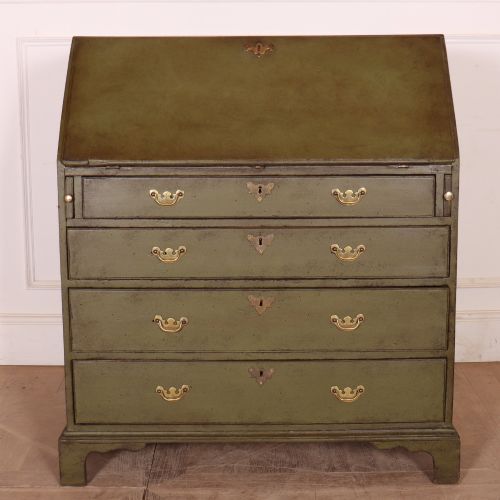
The selection also includes painted furniture and clocks carrying decorative imagery, connecting canvas art with broader interior traditions.
How they were made
Makers applied oil paint to stretched canvas, wooden panels and card, building depth through layered brushwork and glazes. Watercolours utilised paper supports, capturing light and atmosphere with transparent washes.
Frames in giltwood and wood completed the works, protecting the edges and complementing the pigments within the composition.
A prized shorthorn bull shares gallery space with noblewomen in elaborate costumes and ducks on Cornish waters.
What varies in quality
Quality rests in the handling of light, perspective and anatomy, separating confident portraiture and landscape observation from stiffer academic exercises. The precision of brushwork and the preservation of the original pigment vitality distinguish superior examples.
Framing and the integrity of the support structure, whether canvas or panel, play a significant role in the overall standing of an artwork.
John Hayls·George Graham·Alfred Young Nutt·Percy Lancaster·William Howard Hardy·John Horace Hooper·A Marie Parsons·William Banks Fortescue·Thomas Barker of Bath·David Bates·Walter Heath Williams·Albert Clark·Robert Thorne Waite·John Smith Atherton·Edward Ladell·Thomas Sidney Cooper·Joseph H Barnes·John Sargent Noble·George Oyston
The Traditional English Painting Glossary
- Oil on canvas
- Pigments bound in a drying oil applied to a woven fabric support. This technique allowed artists to blend tones smoothly and rework areas over time.
- Watercolour painting
- Pigments suspended in a water-soluble vehicle applied to paper. It relies on the white of the paper to provide luminosity through transparent washes.
- English School
- A designation for works created by British artists whose specific individual identities remain unrecorded. It groups pieces by shared stylistic periods and regional methods.
- Giltwood
- Wood carved and coated with gold leaf or a gold-coloured metallic finish. It provided ornate and reflective borders for significant canvases.
Traditional English Painting: Frequently Asked Questions
How do I date an antique painting?
Dating relies on stylistic evidence, costume details in portraits, stretcher construction and framing techniques. Canvas types and written inscriptions on the reverse also offer chronological clues.
Comparing the handling of light and subject matter with known dated works by specific schools helps narrow the period of creation.
Where should I hang a landscape watercolour?
Watercolours require placement away from direct sunlight to prevent the fading of delicate pigments on paper. Stable indoor humidity protects both the paper support and the mounting materials.
Pairing them with period furniture creates a cohesive interior display that reflects their historical origins.
What is the English School designation?
The term denotes British artists working within a particular period whose individual names are lost or unrecorded. These works share technical methods and regional styles with their documented contemporaries.
Such pieces represent the broader output of British studios and provincial workshops.
How do oil paintings differ from watercolours?
Oil paintings utilise slow-drying oil paints on canvas or wood panels, allowing for heavy impasto and deep tonal layering. Watercolours use pigment on paper, emphasising transparency and luminous washes.
Oils generally require more robust framing without glass protection, whereas watercolours need glazing to safeguard the paper.