




Antique Decorative Lacquer Tray
An antique decorative lacquer tray brings hand-painted scenes and lustrous surfaces straight to a table, offering both utility and historic charm.
Antique Decorative Lacquer Tray
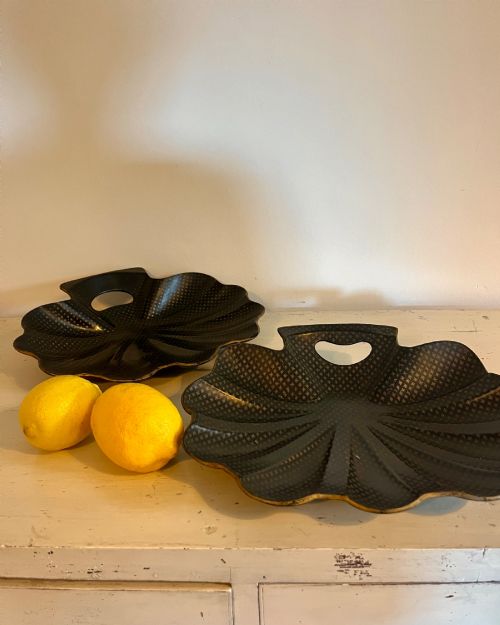
When you search for an antique decorative lacquer tray, you encounter an array of serving platters, card baskets, and dishes spanning several centuries. The selection encompasses forms ranging from compact oval dishes to massive platters and trays mounted upon stands.
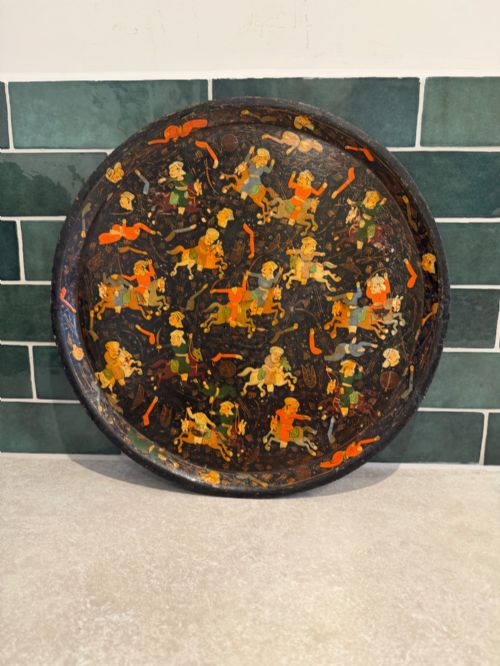
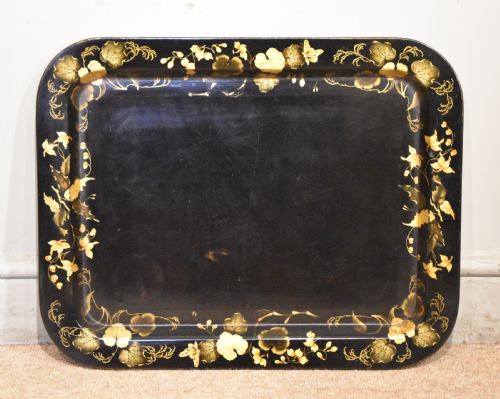
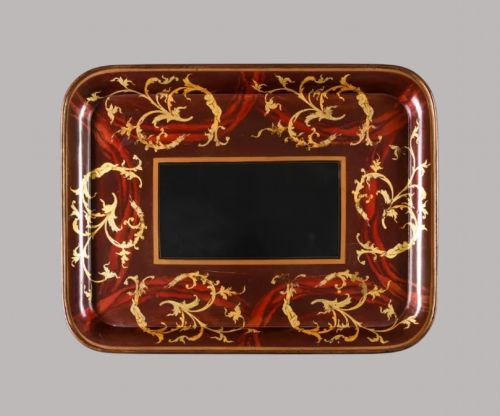
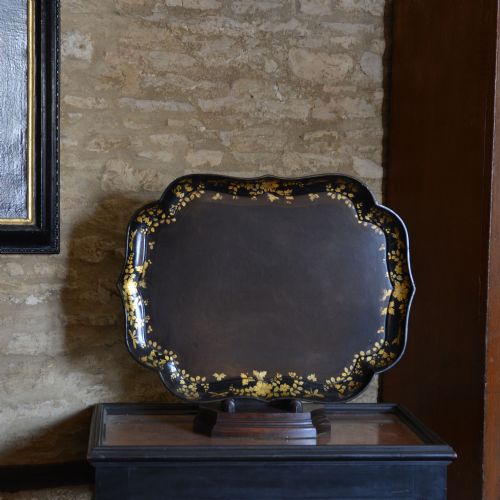
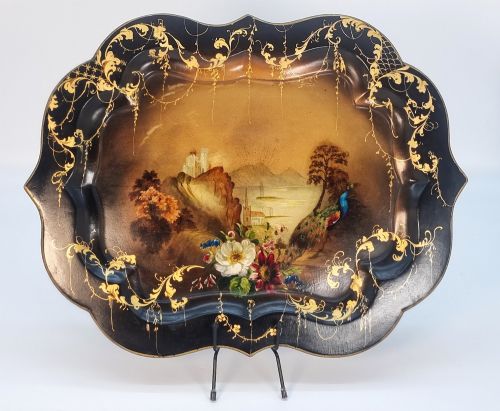
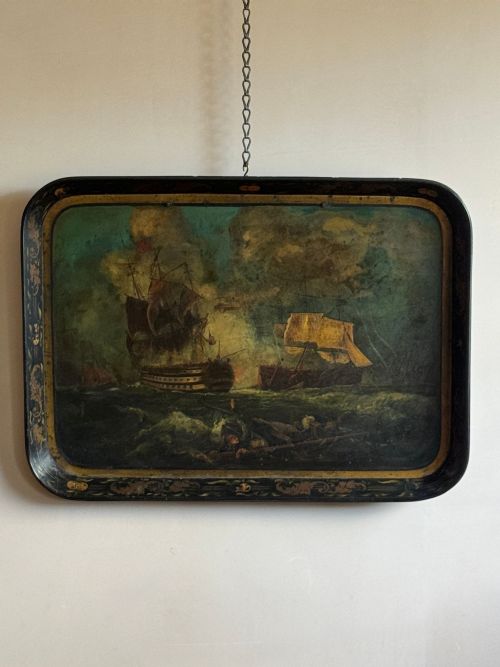
The version you are most likely to meet on this page is a nineteenth-century papier-mâché piece from the Regency or Victorian eras. These items often feature painted landscapes, hunting scenes, or Chinoiserie decoration.
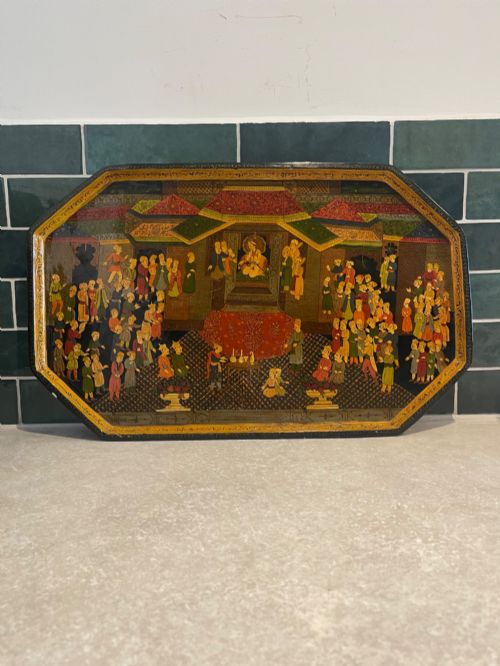
Alongside English examples, the inventory includes items originating from China, Japan, Sweden, and Kashmir. These diverse geographical origins introduce variations in form, from octagonal serving trays to rectangular plaques.
How they were made
The foundation of many English pieces relies on papier-mâché or toleware, constructed from layered paper pulp or metal sheets treated for durability. Lacquer and paint are then applied to create a smooth, sealed surface.
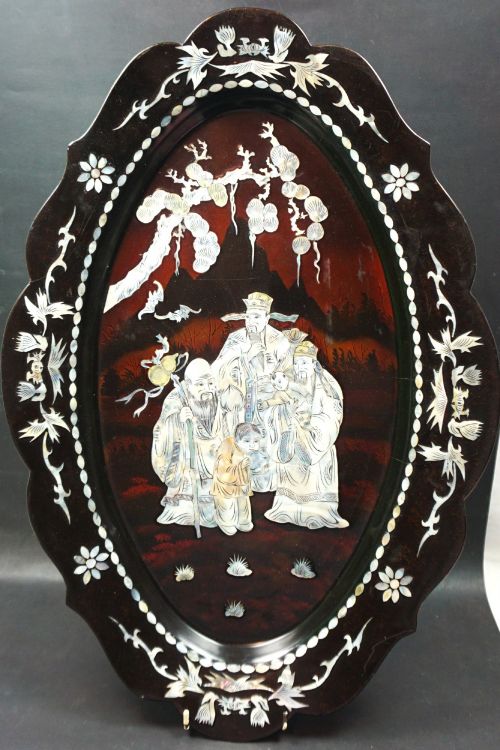
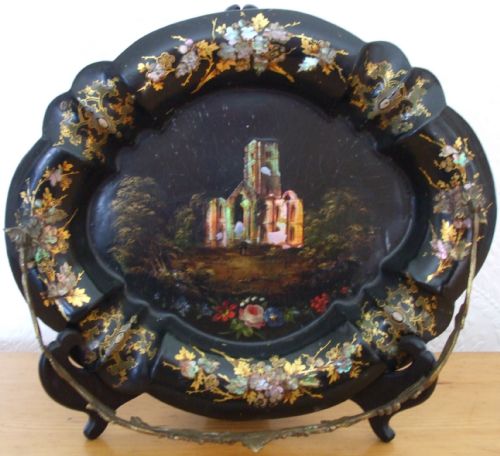
Decoration often incorporates gold leaf, gilding, and mother-of-pearl inlay to build contrasting metallic highlights and shimmering pictorial details. Artisans layer these materials by hand to achieve rich pictorial depth.
Antique Decorative Lacquer Tray Retail Price Guide 2026
Typical asking prices for decorative lacquer tray among the pieces listed under this phrase on Sellingantiques today, from the lower quarter to the upper quarter. They describe what is for sale here now, not the wider market.
Listings feature materials including lacquer, papier-mâché, gold leaf, paint, gilding, wood, and mother-of-pearl across multiple centuries.
What varies in quality
The standard of execution in the painted decoration determines much of the distinction between pieces. Delicately rendered landscapes and crisp pictorial motifs separate master-painted examples from simpler, naive works.
The preservation of the original surface finish and the integrity of the underlying papier-mâché or wood structure govern the desirability of each item. Trays retaining their untouched, early gilding or specific maker signatures hold particular distinction.
Jennens and Bettridge·Clay
The Antique Decorative Lacquer Tray Glossary
- Papier-mâché
- A composite material made from paper pulp or sheets mixed with glue and pressed into moulds before drying. It provides a lightweight yet sturdy base for lacquer and paint.
- Toleware
- Painted or lacquered sheet metal items produced in various domestic forms. This technique offers a durable metallic alternative to wood or paper bases.
- Chinoiserie
- European artistic styles reflecting Chinese motifs and decorative themes. Artisans applied these imaginative designs widely across nineteenth-century furnishings.
- Japanned
- Finished with a hard, glossy black or coloured varnish imitating East Asian lacquerware. European workshops adopted this technique extensively during the Georgian and Regency periods.
- Mother-of-pearl inlay
- Thin iridescent shell fragments embedded directly into the lacquer surface. This technique adds luminous contrast to dark backgrounds.
Antique Decorative Lacquer Tray: Frequently Asked Questions
How do I clean an antique lacquer tray?
Dust the surface gently with a soft, dry cloth to remove loose particles. Avoid using water, chemical sprays, or abrasive cleaners, which can damage the aged lacquer.
Keep the piece away from direct sunlight and excessive heat sources to prevent the finish from cracking or warping over time.
Can I use these trays for serving food?
While many were originally designed for serving drinks or food, older lacquer and painted surfaces are sensitive to moisture and heat. Modern use is best restricted to dry items or purely decorative display.
Placing hot cups or wet glasses directly on delicate antique surfaces risks leaving permanent rings or stains on the finish.
How do I tell Regency trays apart from Victorian ones?
Regency pieces often display restrained neoclassical motifs, Chinoiserie scenes, and crisp gilding on dark papier-mâché grounds. They date from the early nineteenth century.
Victorian examples frequently incorporate richer mother-of-pearl inlay, broader floral compositions, and painted Victorian social or sporting scenes from the mid to late nineteenth century.
What is the difference between papier-mâché and toleware?
Papier-mâché utilises compressed paper pulp or layered paper sheets to form a lightweight, rigid tray body. It provides a warm touch and deep black finish.
Toleware consists of sheet metal painted and lacquered to achieve a similar decorative effect, offering a heavier metallic structure.