





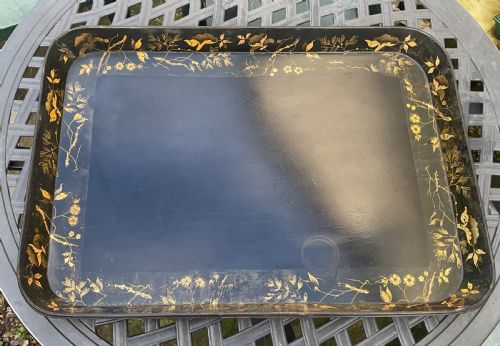


Victorian Gilt Serving Tray
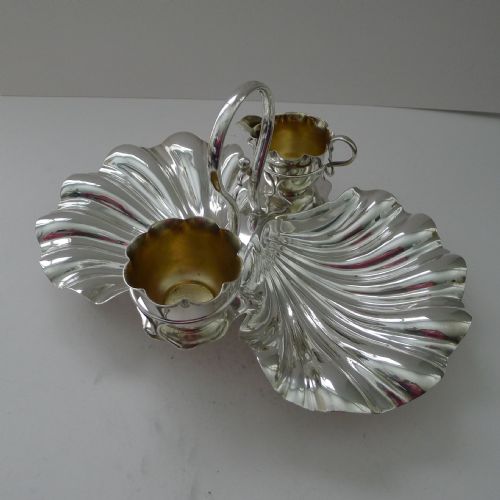
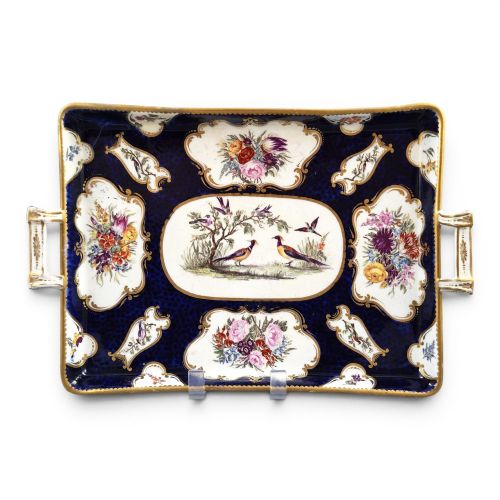
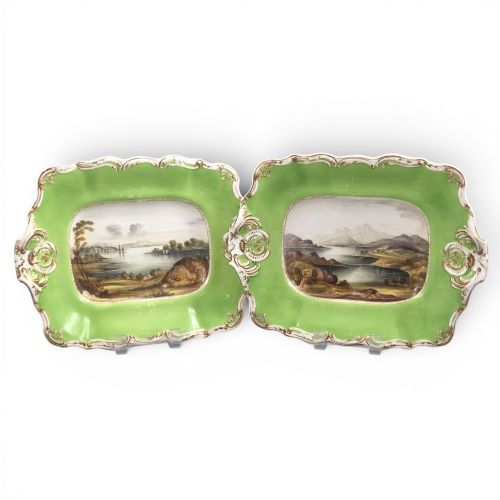
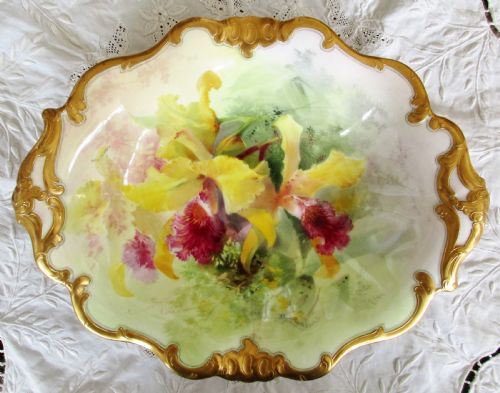
A victorian gilt serving tray brings a gleam of nineteenth century craft to a table, offering rich surfaces and heavy lacquer.
Victorian Gilt Serving Tray
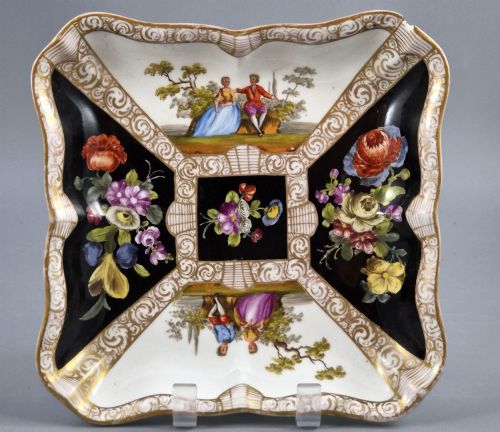
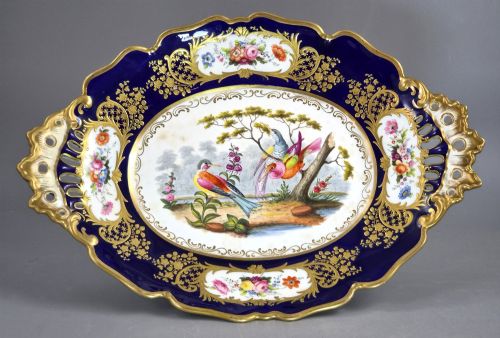
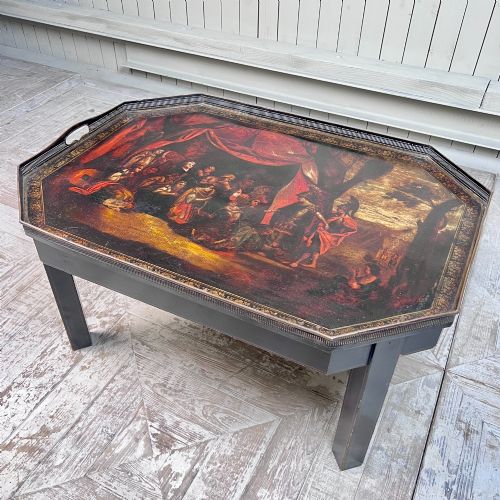
A victorian gilt serving tray is typically found as a substantial papier-mâché, toleware, or porcelain piece produced during the nineteenth century. These items appear in rectangular, oval, and octagonal formats, frequently incorporating painted scenes or stands that transform them into low tables. The selections here draw heavily from English and continental workshops operating across the Victorian and Regency periods.
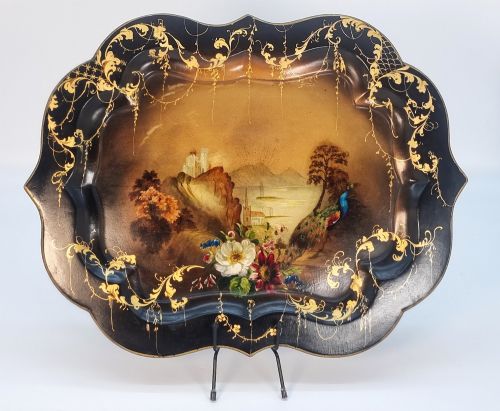
Buyers encounter both flat serving platters and deep butler trays designed for display or hospitality. Many examples feature ebonised grounds decorated with gilt embellishments or Chinoiserie motifs, reflecting the varied design influences popular during the period. These objects bridge decorative arts and practical function.
Materials and Method
Makers utilised papier-mâché, metal toleware, and hard-paste porcelain as foundations for these trays. Papier-mâché pieces relied on layers of paper pulp and glue pressed in moulds, then baked and finished with durable black lacquer. Metal items used sheet iron painted and stove-varnished to create a smooth surface.
Gilding and paint completed the decoration, employing gold leaf, powdered metals, and hand-applied enamels. Artisans painted intricate figural scenes, floral borders, and exotic bird motifs directly onto the prepared dark grounds before sealing the surface with clear varnishes.
Victorian Gilt Serving Tray Retail Price Guide 2026
Typical asking prices for victorian gilt serving tray among the pieces listed under this phrase on Sellingantiques today, from the lower quarter to the upper quarter. They describe what is for sale here now, not the wider market.
Several trays depict elaborate hunting scenes and classical literary narratives alongside domestic fowl.
Gradations of Quality
The standard of a victorian gilt serving tray rests upon the precision of the hand-painted detail and the stability of the foundation material. Superior pieces display finely rendered figural scenes, complex gilt work, and uncompromised structural integrity in the papier-mâché or metal body. Lesser examples show hurried brushwork, worn varnish, and heavy surface craquelure that obscure the original design.
Makers known for exceptional production maintain crisp definition in their moulded edges and secure attachment points if mounted on stands. The depth of the lacquer finish and the brilliance of the remaining gold leaf distinguish standard utility pieces from masterworks of the workshop.
Jennens and Bettridge·Coalport·Meissen·Royal Doulton·Daniel Arter·Copeland and Garrett·Minton·Carlton Ware·H. Meeson·Royal Crown Derby
The Victorian Gilt Serving Tray Glossary
- Papier-mâché
- A composite material made from paper pulp or sheets of paper mixed with glue and resin, pressed and dried to form a rigid body.
- Toleware
- Painted or lacquered sheet metal items, particularly popular in the nineteenth century for domestic trays and vessels.
- Chinoiserie
- European decorative styles imitating Chinese artistic traditions, often featuring figures, pagodas, and landscapes in gold on a dark background.
- Gilding
- The application of gold leaf or gold powder to a surface to impart a metallic lustre.
- Ebonised
- Wood or other materials finished to resemble dark ebony wood, frequently used as a backdrop for gold decoration.
Victorian Gilt Serving Tray: Frequently Asked Questions
How were these trays used originally?
These trays served wealthy households for carrying drinks, tea services, and food, or functioned as decorative display pieces on sideboards. Larger examples often rested on dedicated folding stands to create portable serving tables in reception rooms.
Over time, many of these trays found permanent homes mounted on low frames to serve as coffee tables in modern drawing rooms.
Are these trays water resistant?
Traditional lacquer and painted surfaces tolerate light use and gentle wiping with a dry or slightly damp cloth. However, standing water or prolonged moisture damages the historic varnish and lifts the delicate gold leaf.
Owners should avoid submerging papier-mâché or toleware items in water and keep them away from direct heat sources.
How do I date a piece?
Dating relies on stylistic clues, workshop marks, and the physical materials used in construction. Pieces bearing specific manufacturer stamps or signatures often align with documented operational years for those potteries and firms.
General construction methods, such as the weight of the papier-mâché and the composition of the back paint, provide further chronological context.
What is toleware?
Toleware refers to lacquered and enamelled metalware produced in imitation of Asian lacquer goods. Artisans painted sheet iron items by hand before baking them in kilns to harden the finish.
This technique produced durable serving vessels decorated with rich metallic pigments and floral motifs.