

Antique Credenza Table
These pieces sold as an antique credenza table span centuries of timber and joinery, offering grand storage and display surfaces for serious rooms.

Antique Credenza Table
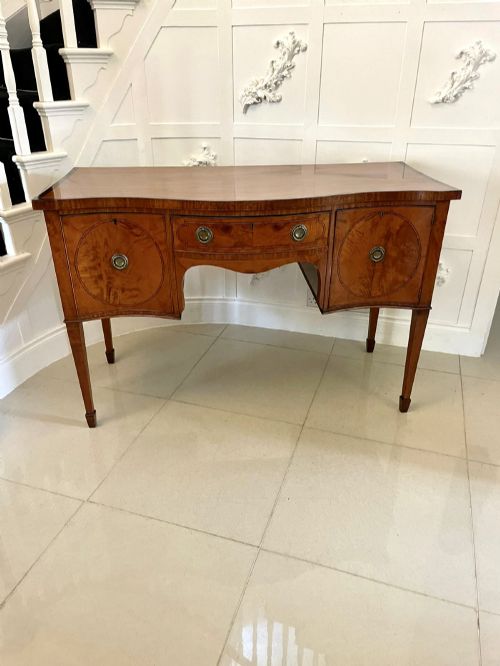
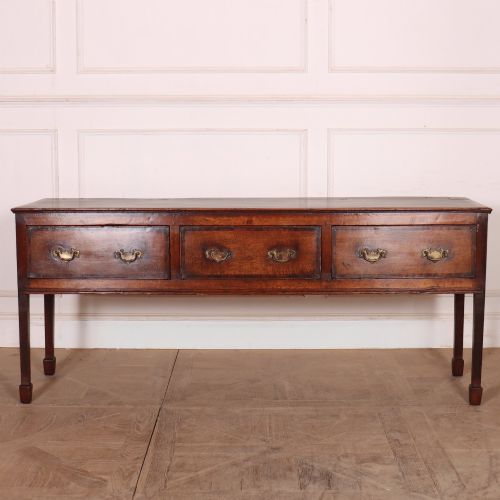
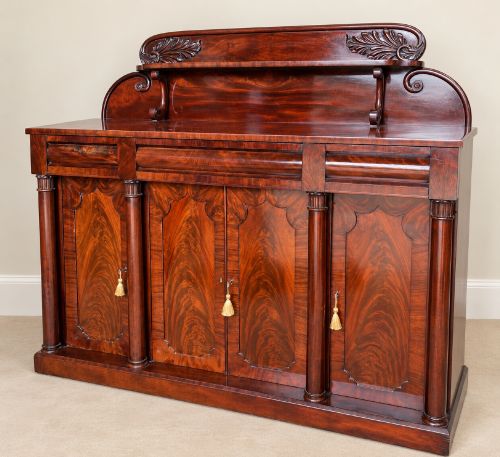
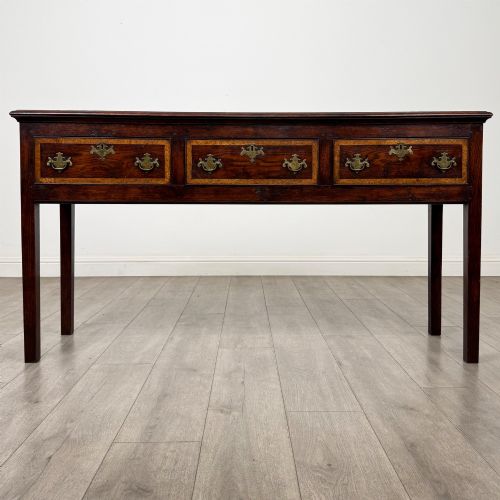
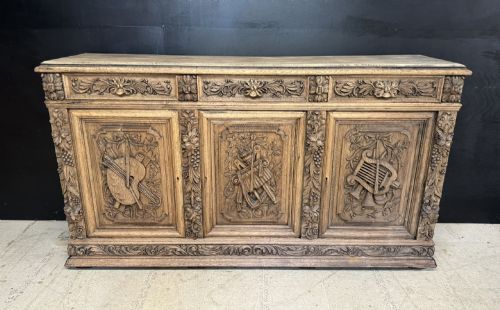
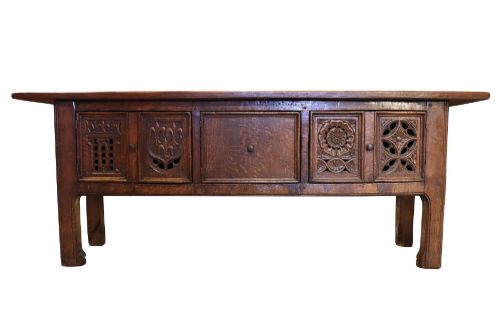
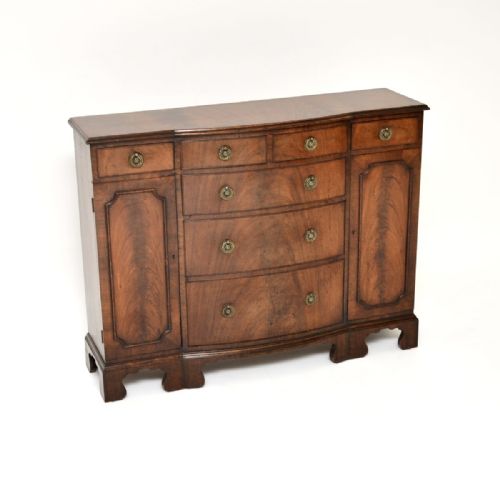
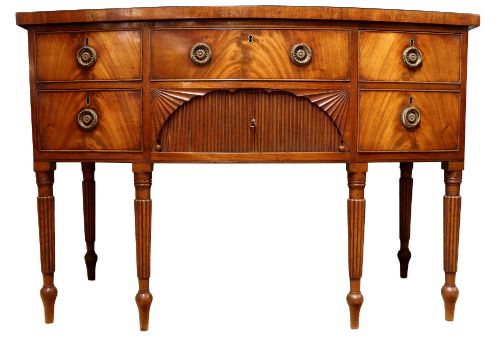
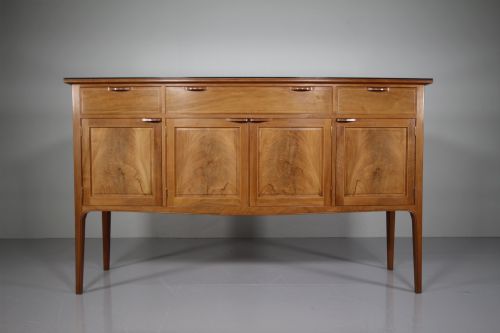
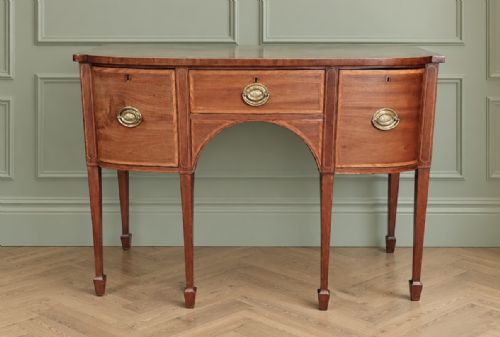
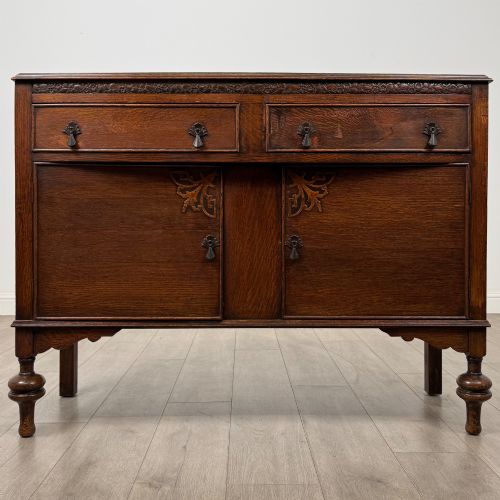
When you search for an antique credenza table, you are looking at a varied group of large storage furniture, sideboards, and dresser bases spanning several periods. The selection includes formal Georgian mahogany pieces alongside robust 18th century oak pieces and later Victorian and Edwardian interpretations.
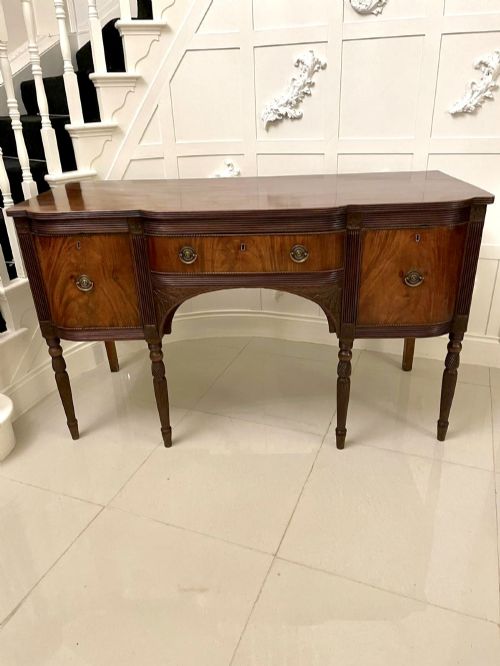
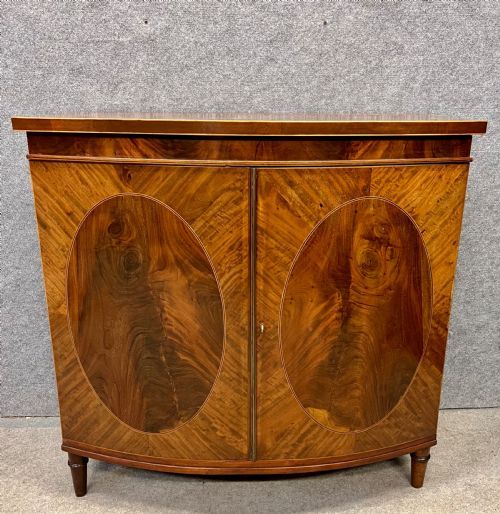
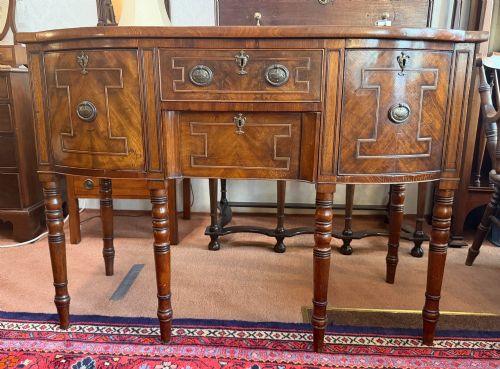
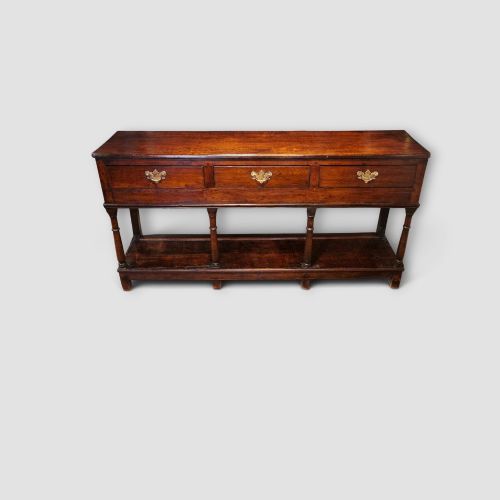
The versions you are most likely to meet on this page are mahogany sideboards with bow fronts or serpentine shapes, and solid oak dresser bases featuring potboards. These forms served dining rooms and halls for centuries, designed to hold plate and provender while anchoring a room with dense timber.
Makers drew on diverse styles across the 18th, 19th, and early 20th centuries, producing Gothic Revival, Regency, and Adam Revival variations. Buyers find everything from narrow Gothic oak pieces to large breakfront models with intricate inlay.
Judging quality in these pieces
The distinction between ordinary and exceptional pieces lies in the selection of timber and the crispness of the cabinetmaker's hand. Superior examples display highly figured veneers and finely executed carving that integrates cleanly into the overall structure rather than appearing applied.
Proportion and architectural harmony also separate the finer items from standard stock. A well-balanced breakfront or a neatly proportioned serpentine shape demonstrates a confident grasp of form, while secondary timbers used in drawer linings reveal the care taken behind the facade.
Materials span native oak and imported mahogany, complemented by decorative accents in brass, glass, burr walnut, and flame mahogany veneer.
The Antique Credenza Table Glossary
- Breakfront
- A piece of furniture whose central section projects forward from the flanking outer sections. This arrangement creates visual depth and architectural interest in large sideboards.
- Serpentine
- A front profile curving outward in the centre and inward toward the ends in a continuous wave. It requires considerable skill from the woodworker to shape accurately.
- Potboard
- An open lower shelf fitted beneath a dresser base, traditionally used for storing pots and heavy domestic utensils. It is a defining feature of country oak furniture.
- Inlay
- A decorative technique where contrasting woods or materials are set flush into the primary surface to form patterns. It was used extensively on late 18th century and Edwardian pieces.
- Ormolu
- Gilded bronze mounts applied as decorative ornaments to furniture cabinets. This French technique appeared on select 19th century exhibition pieces.
Antique Credenza Table: Frequently Asked Questions
What is an antique credenza table?
An antique credenza table bridges the gap between a low storage cabinet and a serving surface, drawing on forms like sideboards, breakfronts, and dresser bases.
These pieces were traditionally placed in dining rooms or formal reception spaces to store tableware and display silver or porcelain.
How do I date an antique oak dresser base?
Dating relies on examining the timber grain, construction methods, and tool marks visible on the interior boards and drawer linings.
Early 18th century examples typically feature pegged frame joints and hand-planed oak planks, whereas later revival pieces show more uniform machine sawing.
Where were these pieces used?
They originated in the principal rooms of large houses, functioning primarily in dining parlours, halls, and drawing rooms for serving food and storing valuables.
Today, they adapt easily to modern living spaces as sideboards in kitchens, media consoles, or statement storage in entrance halls.
What is the difference between a sideboard and a credenza?
A sideboard traditionally stands lower and focuses on drawer and cupboard storage for dining accessories, while a credenza often incorporates sliding doors or display surfaces.
In antique terminology, the terms frequently overlap depending on the regional workshop and the specific stylistic period of the piece.