
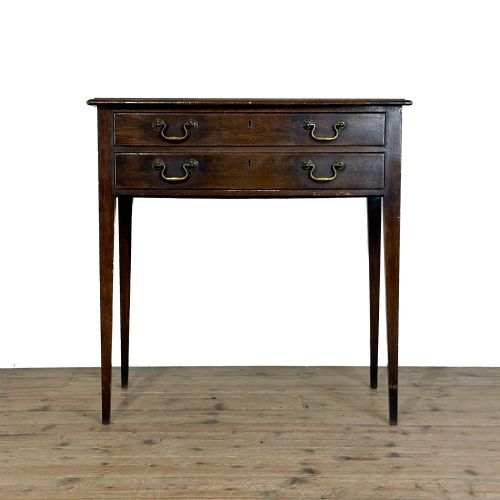
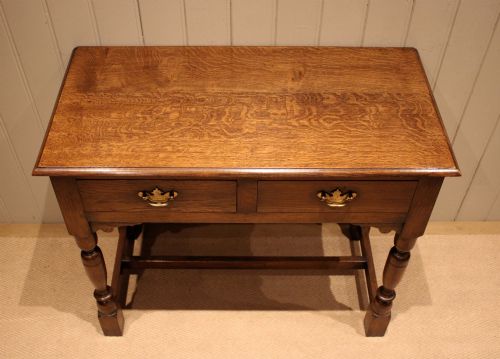
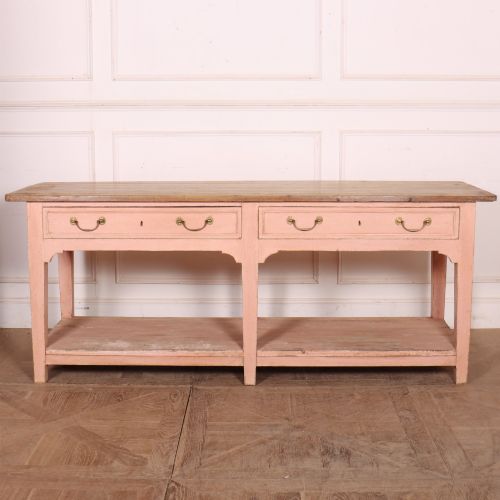
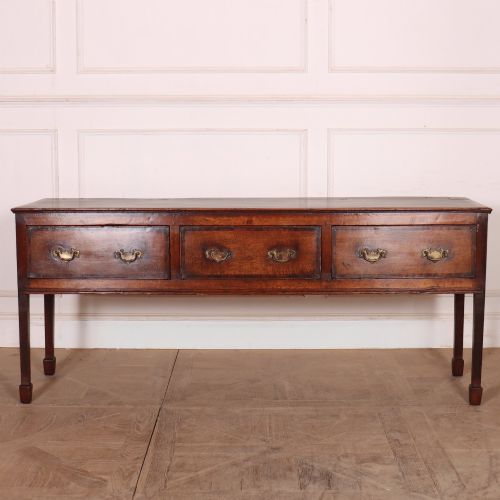

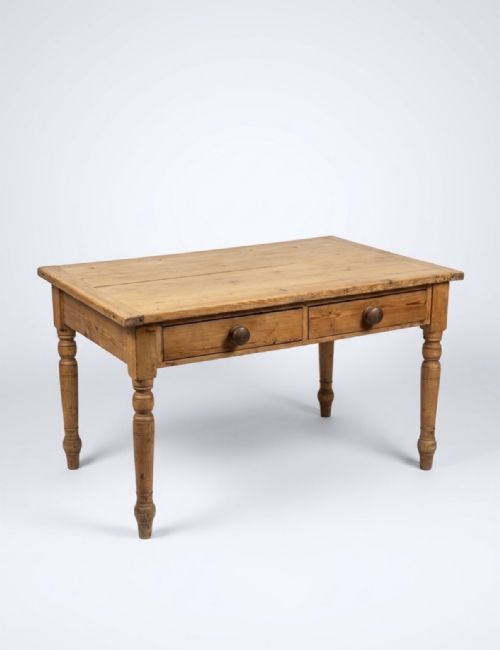
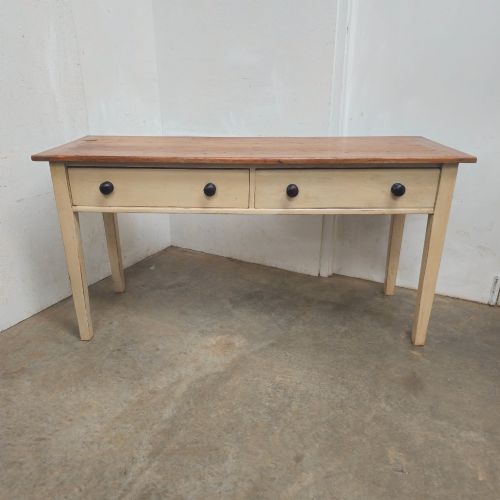
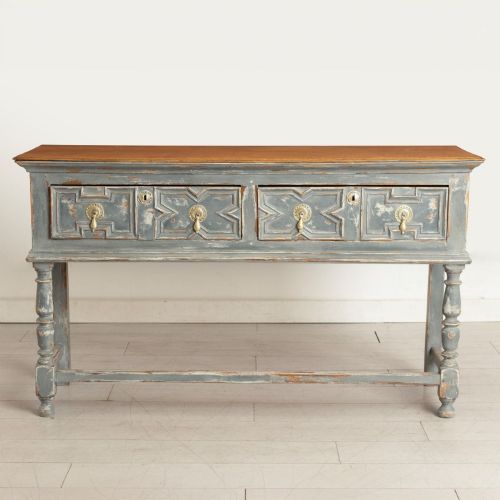
Antique Country Server
An antique country server brings honest utility and vernacular character to a room, offering sturdy timber surfaces and practical storage rooted in domestic history.
Antique Country Server
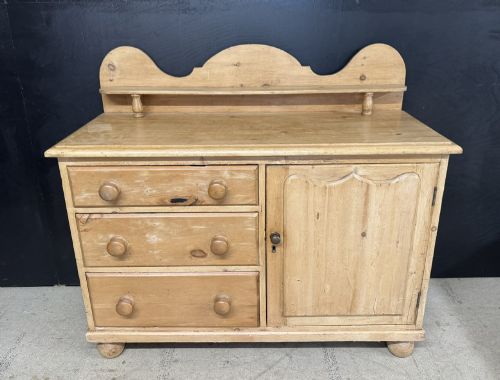
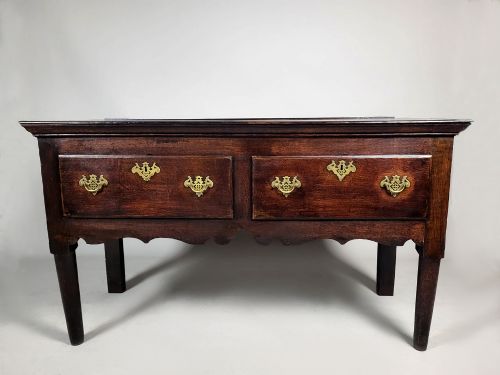
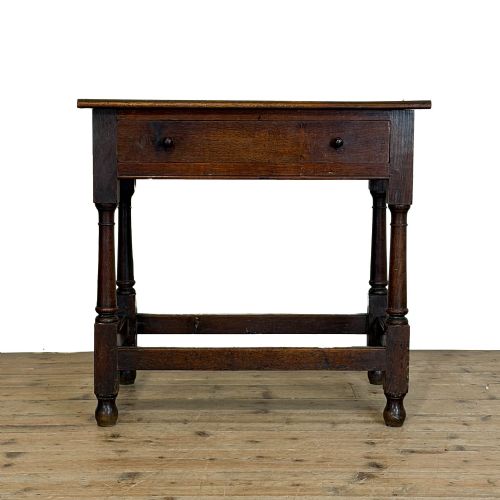
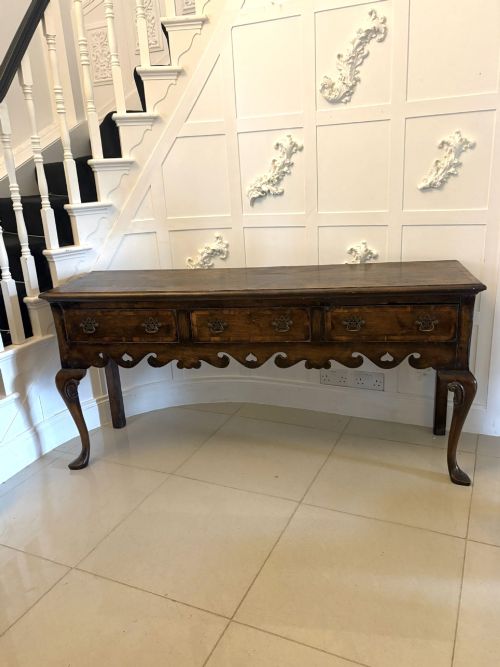
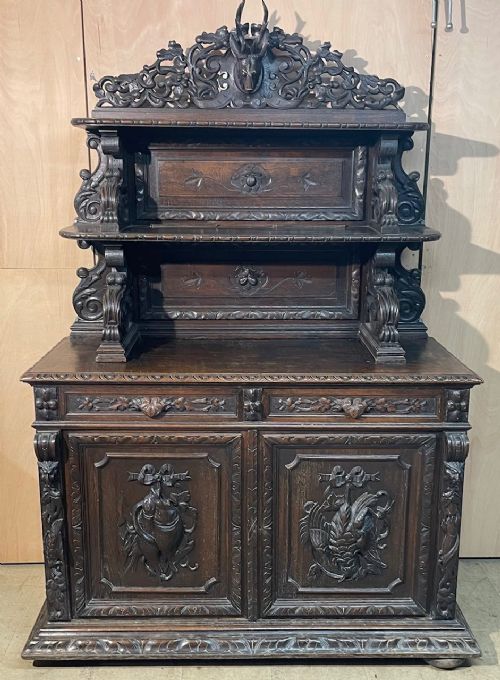
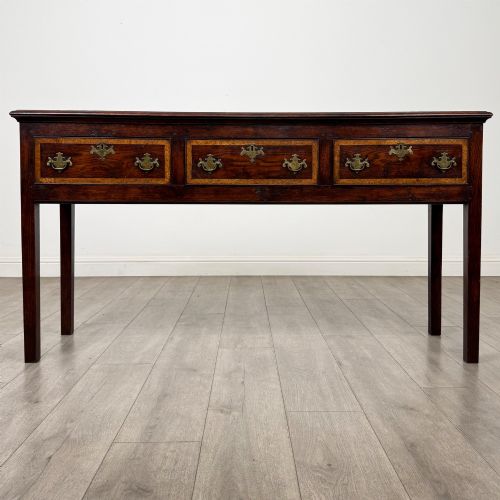
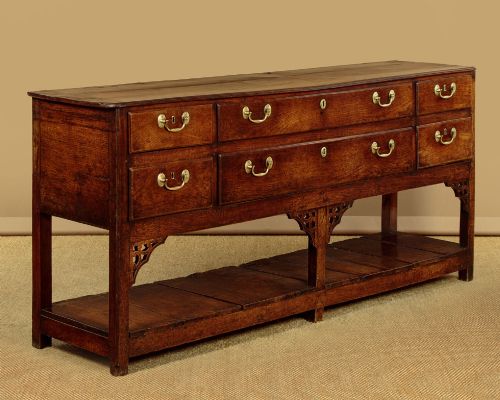
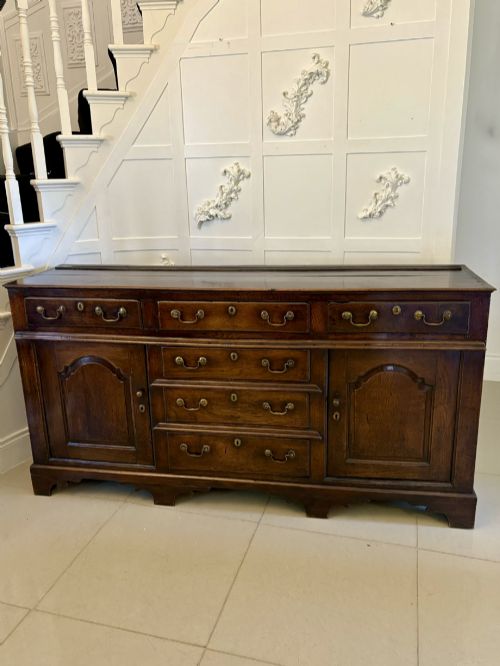
When you search for an antique country server, you encounter robust forms intended for rural domestic use, principally dresser bases, sideboards, lowboys, and serving tables. These pieces originate across the eighteenth and nineteenth centuries, spanning Georgian, Victorian, and Edwardian eras, alongside continental French and English regional examples.
The version you are most likely to meet on this page is constructed from oak or pine, often featuring a low profile with drawers or an open potboard beneath. They range from unpretentious farmhouse tables to more formal George III designs, reflecting the everyday storage needs of period households.
Assessing Quality and Character
The distinction between ordinary and superior pieces rests on timber selection, surface patination, and structural integrity. Examples retaining their original scrubbed pine or rich waxed oak surfaces with deep historical wear command greater appreciation.
Proportion and regional detailing differentiate standard utility items from finer cabinetwork. Pieces exhibiting thoughtful timber matching, crisp carving where present, and minimal later intervention demonstrate higher traditional craftsmanship.
Listings span the 17th, 18th, 19th, and 20th centuries, featuring materials such as oak, pine, fruitwood, marble, and brass.
The Antique Country Server Glossary
- Potboard
- An open lower shelf fitted between the legs of a dresser base. It was traditionally used to store pots and heavy kitchenware off the damp floor.
- Lowboy
- A small oak or walnut table with drawers, commonly standing on four legs. It functioned as a side table or serving surface in domestic interiors.
- Dresser Base
- The lower section of a kitchen dresser, featuring drawers and cupboards beneath a flat top. It served as a primary food preparation and serving counter.
- Fruitwood
- Dense timber gathered from fruit-bearing trees such as pear or cherry. Makers utilised it for turned elements and cabinet panels due to its fine grain.
- Patina
- The surface sheen and colour acquired by timber and paint over centuries of handling and cleaning. It serves as a key indicator of age and authenticity.
Antique Country Server: Frequently Asked Questions
What is an antique country server?
An antique country server is a utilitarian table, dresser base, or sideboard made for rural domestic storage and food preparation.
These pieces typically date from the eighteenth and nineteenth centuries, constructed from regional timbers like oak and pine.
How were country servers used?
They functioned as auxiliary surfaces in kitchens, dairies, and dining rooms for holding food, dishes, and household provisions.
The lower shelves and drawers kept heavy utensils and pottery organised within easy reach.
How do I care for waxed oak?
Maintain waxed oak surfaces by dusting with a dry cloth and applying natural beeswax sparingly to nourish the timber.
Avoid placing these pieces near direct heat sources or in damp environments to prevent wood movement.
How can I tell pine from oak?
Oak is a heavy hardwood featuring prominent growth rings and medullary rays, whereas pine is a softer conifer with a lighter weight.
Pine country furniture is also frequently found with historic painted finishes rather than exposed grain.