


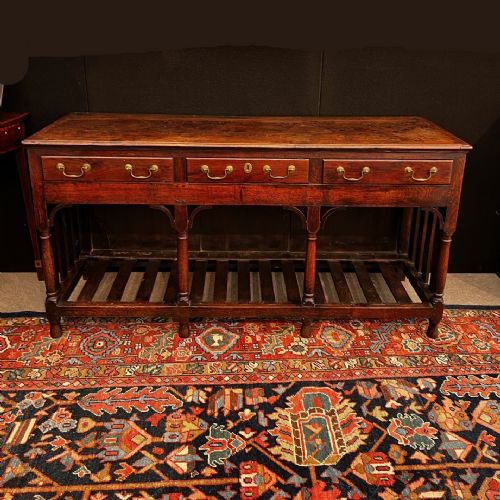

Georgian Elm Table
A georgian elm table brings domestic history into a room through honest country craftsmanship and deep, figured timber.
Georgian Elm Table
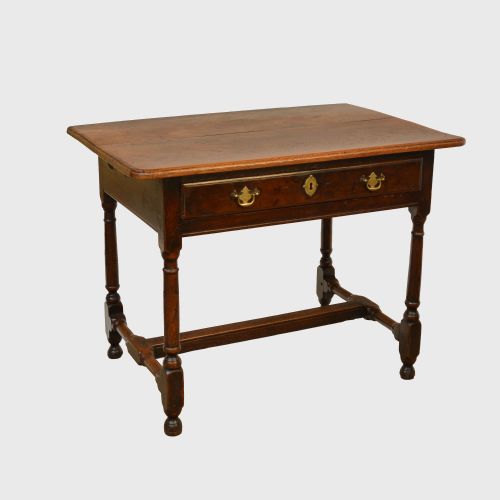
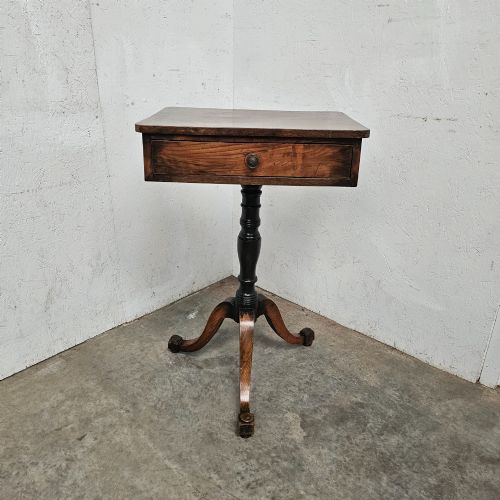
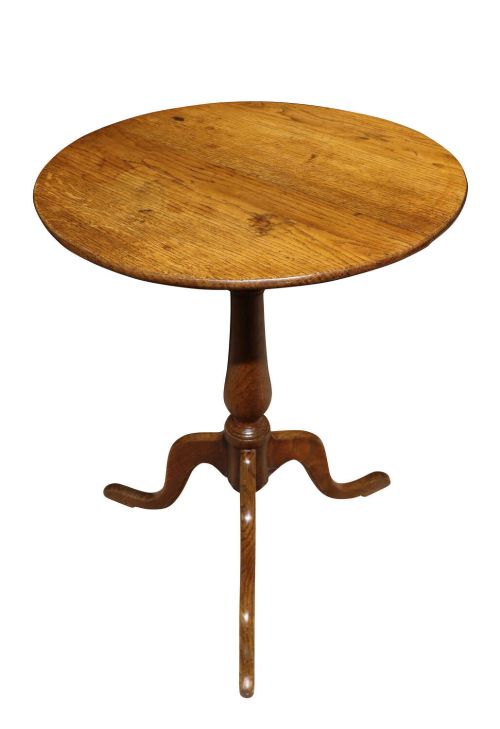
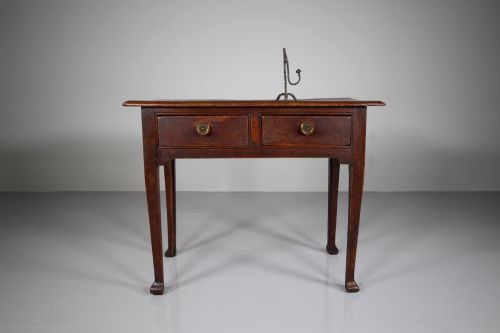
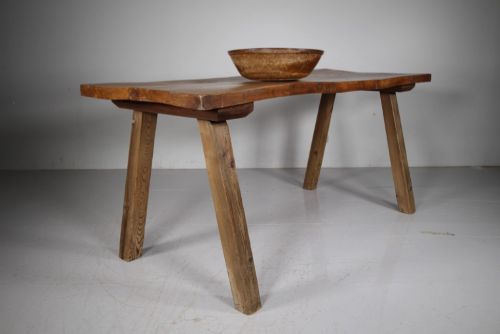
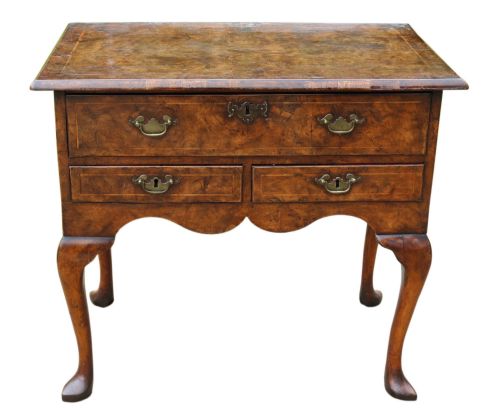
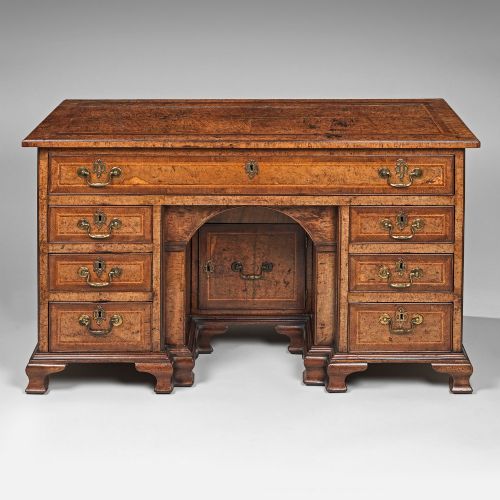
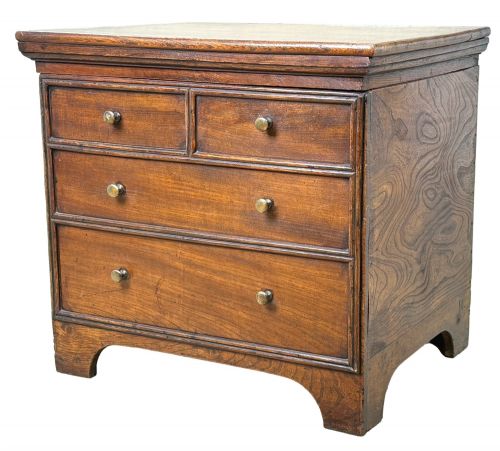
A georgian elm table encompasses a wide variety of domestic furniture shapes built across the eighteenth and nineteenth centuries, reflecting both rural vernacular traditions and formal urban design. Buyers searching for a georgian elm table frequently encounter side tables, tripod occasional tables, and country dining tables alongside lowboys and cricket tables.
The material displays distinct regional character, often combining elm tops with secondary woods such as oak for structural framing or fruitwood for contrast. Many examples emerge from provincial workshops, bearing the marks of country makers who utilised native timber for everyday utility.
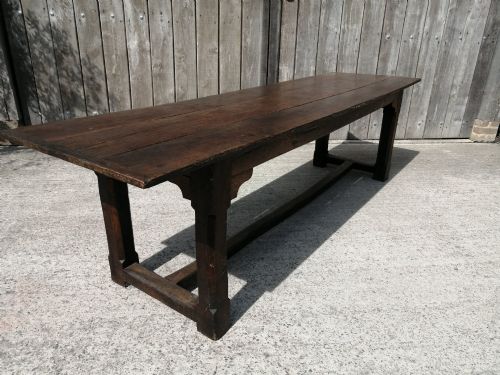
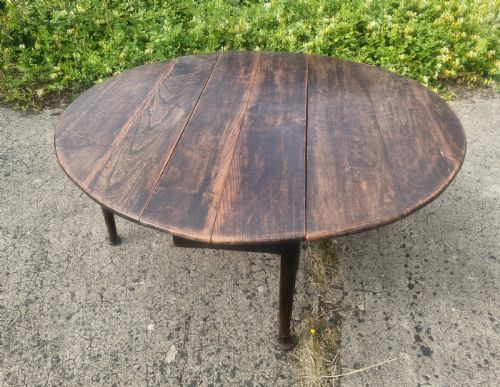
Surviving pieces range from compact tavern tables and tilt-top breakfast pieces to large eight-seater dining surfaces intended for farmhouse interiors. This diversity means buyers choose between small decorative items for corners and substantial surfaces designed for daily family use.
Materials and Construction
Elm timber forms the primary visual surface, prized for its interlocking grain that resists splitting while presenting dynamic, swirling figures, especially in burr sections. Cabinetmakers often paired this resilient wood with oak for legs, stretchers, and drawers to provide rigid structural support.
Joinery techniques rely on traditional pegging, mortise and tenon joints, and sturdy turnings suited to heavy provincial workloads. Tripod tables utilise birdcage mechanisms or tilt-top catches carved directly from the solid wood, while country dining pieces employ pegged frame construction.
Surface finishing involved simple wax or oil applications that allowed the natural warmth and colour of the grain to emerge without heavy varnishes. Carpenters worked the stubborn timber by hand, resulting in undulating surfaces and tool marks that remain visible on unpretentious country examples.
Early elm tables often wobble slightly because unyielding country wood warped around stubborn handmade pegs over the centuries.
Evaluating the Range
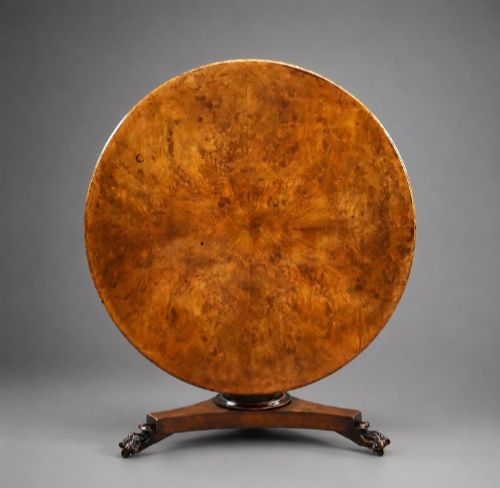
The quality of a georgian elm table rests on the figure of the timber and the integrity of its original construction rather than decorative carvings. Highly figured burr elm tops elevate a piece significantly above plain board surfaces, showing complex grain patterns that catch the light.
Proportion and structural balance dictate the visual success of vernacular furniture, separating clumsy provincial builds from harmonious country classics. Tables that retain their original untrimmed legs, undisturbed top fixings, and honest patination command greater appreciation among collectors.
The Georgian Elm Table Glossary
- Burr elm
- A growth deformity on the elm tree that produces highly decorative, swirling grain patterns when sliced into veneer or solid boards. Furniture makers utilised these sections for tabletops and drawer fronts to create striking visual movement.
- Cricket table
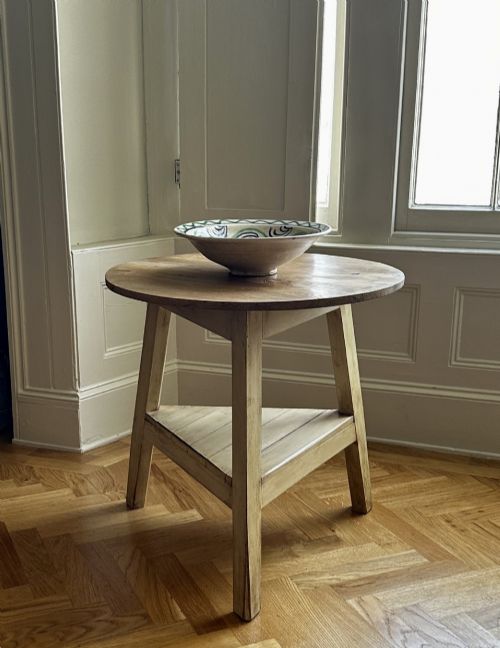
- A small three-legged round table with a low shelf beneath, traditionally used in country settings. The three splayed legs ensure stability on uneven farmhouse flagstones.
- Lowboy
- A small dressing or side table featuring one or more rows of drawers beneath a flat top. These pieces typically stood in bedrooms or parlours during the eighteenth century.
- Tilt-top
- A tabletop hinged to a central pillar, allowing the surface to fold vertically when not in use to save space. This mechanism appeared frequently on tripod occasional and wine tables.
- Refectory table
- A long, narrow dining table supported by heavy trestles or turned legs connected by floor stretchers. These robust surfaces accommodated large households in communal dining spaces.
Georgian Elm Table: Frequently Asked Questions
How do I clean my table?
Dust the surface regularly with a soft, dry cloth to prevent dirt accumulation within the textured grain. Apply a traditional beeswax sparingly to nourish the dry timber and maintain a soft sheen.
Avoid modern liquid polishes containing silicones, which can penetrate open grain and dull the natural patination over time. Keep the wood away from direct heat sources and strong sunlight to prevent warping and cracking.
Can I use it daily?
These tables served generations for dining, writing, and daily domestic tasks, making them robust enough for modern living. Use placestats and coasters to protect the historic surface from moisture rings and hot dishes.
Treat the timber with gentle care, accepting that minor everyday use adds to the ongoing narrative of the piece. Regular handling actually helps maintain the dry wax finish developed over centuries.
What is burr elm?
Burr elm comes from a knotty excrescence on the tree where bud growths caused chaotic, circular grain patterns. Cabinetmakers valued this wild figure for tabletops because it provided rich visual depth and complexity.
Because burr timber is unstable in large solid boards, it requires careful seasoning and skilled construction to prevent movement. Finding a large surface in this figured wood indicates a master carpenter's selection.
How do I date a piece?
Examine the construction methods underneath, looking for hand-sawn board marks, pegged joints, and secondary woods like oak. Eighteenth-century examples often display irregular tool marks and hand-forged iron or wooden fixings.
Compare the leg turnings and stretcher arrangements with known regional styles from the georgian period. Wear patterns around footings and drawer runners also provide clues to the age of active use.