

Antique Country Occasional Table
An antique country occasional table brings honest vernacular craft and compact utility into a room, offering a sturdy surface shaped by daily domestic use over centuries.
Antique Country Occasional Table
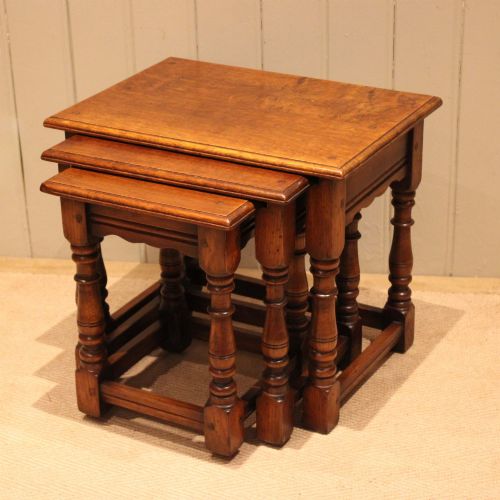
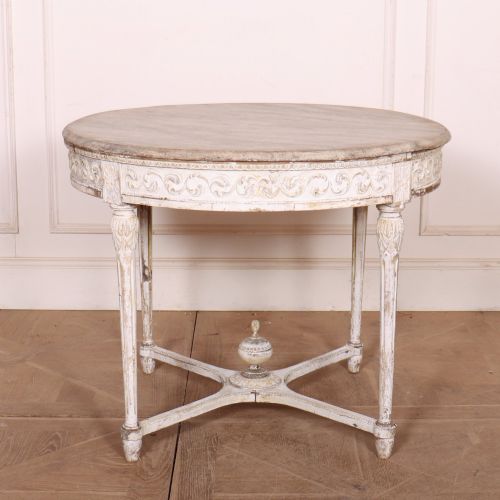
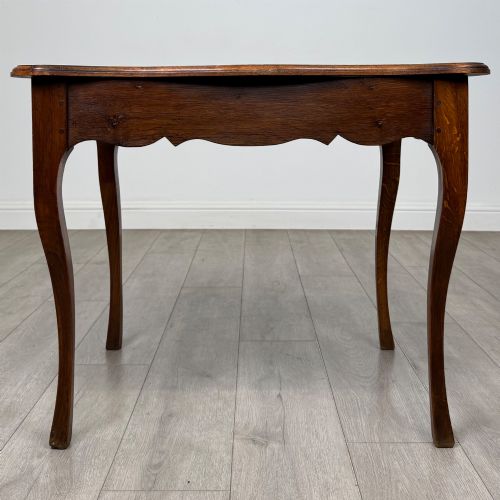
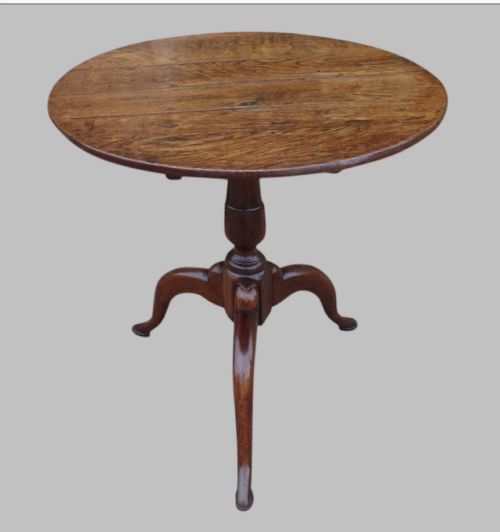
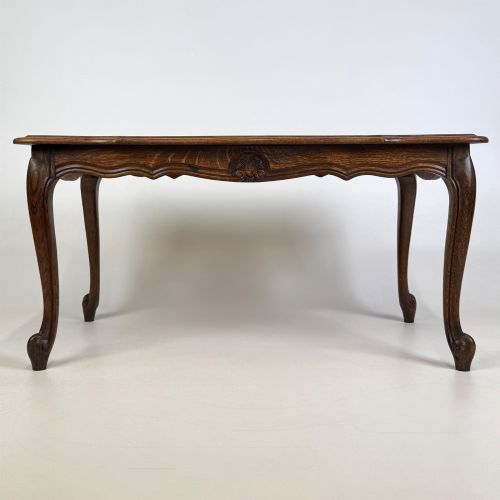
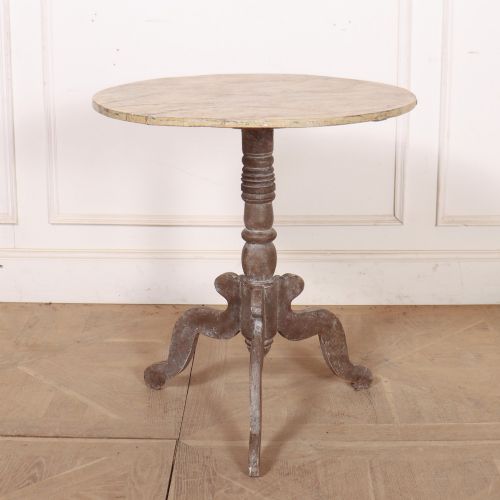
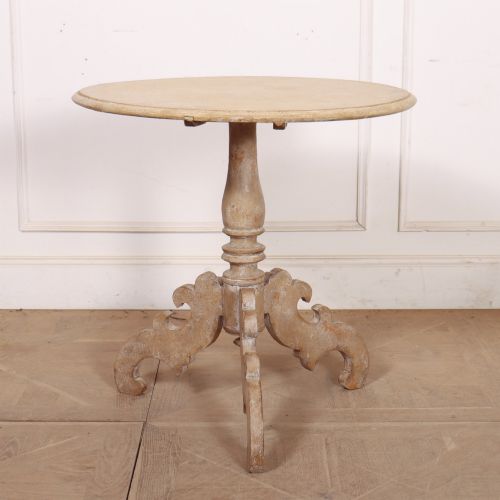
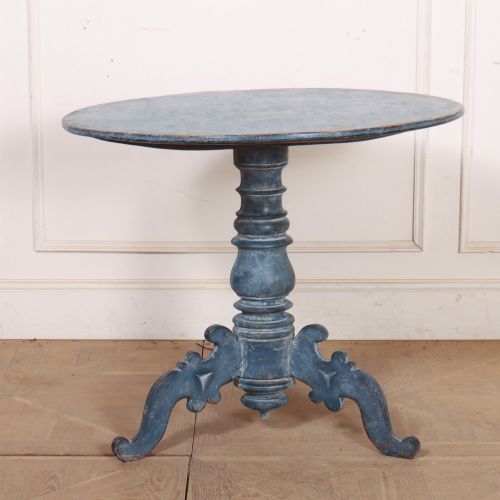
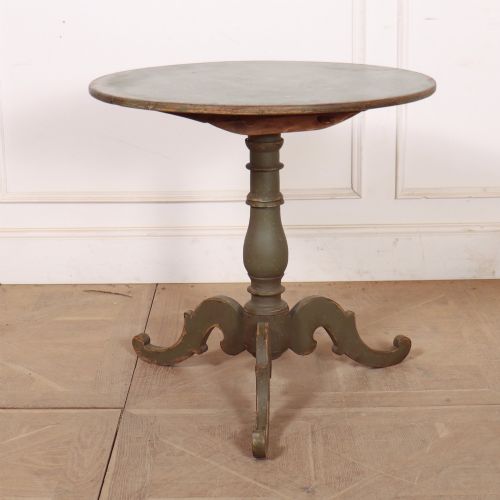
When you search for an antique country occasional table, you encounter a diverse group of small tables designed for movable utility rather than formal dining. The pieces seen here span centuries of domestic life, ranging from sturdy three-legged cricket tables to compact tripod and wine tables.
You are most likely to meet oak and fruitwood examples from the eighteenth and nineteenth centuries, often showing vernacular regional characteristics. These smaller surfaces served practical roles beside chairs or in halls, adapting easily to modern rooms where floor space is precious.
The selection encompasses English, French, and Swedish traditions, showing how different rural workshops solved the basic problem of supporting a timber top. Whether you find a low coffee table conversion or a tall lamp table, each object carries the marks of regional timber availability and local turning techniques.
Materials and construction methods
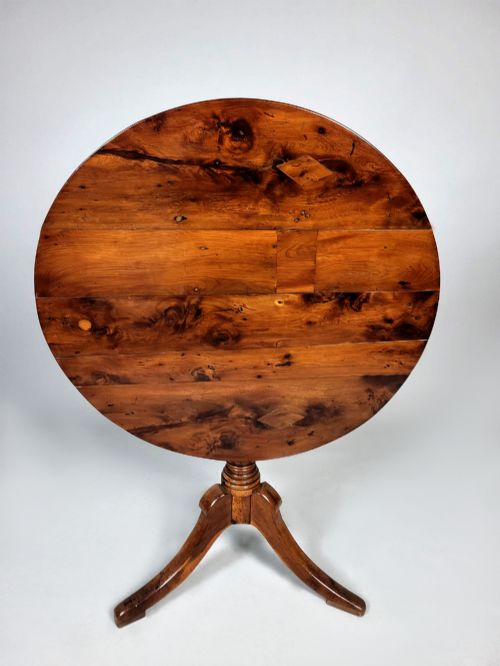
Makers relied on native timbers such as oak, elm, fruitwood, and pine, selecting boards for local availability and working strength rather than uniform grain. Plank tops were joined simply and secured to turned or pegged underframes that could withstand heavy daily burdens.
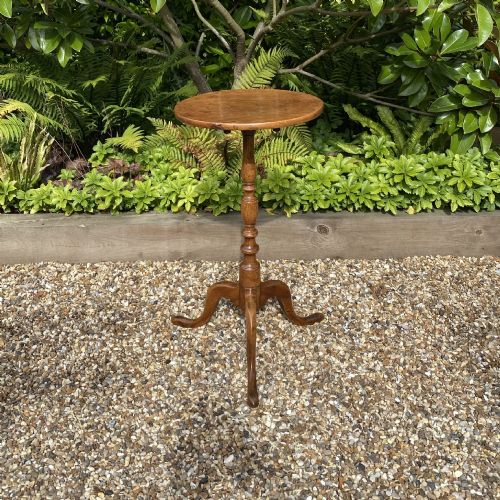
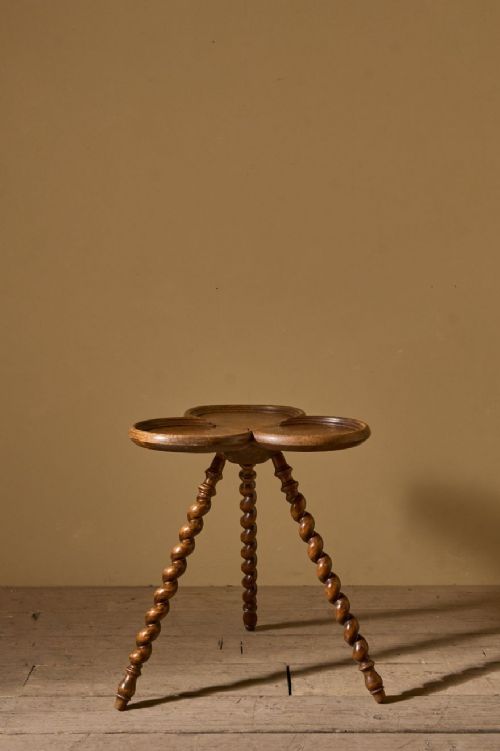
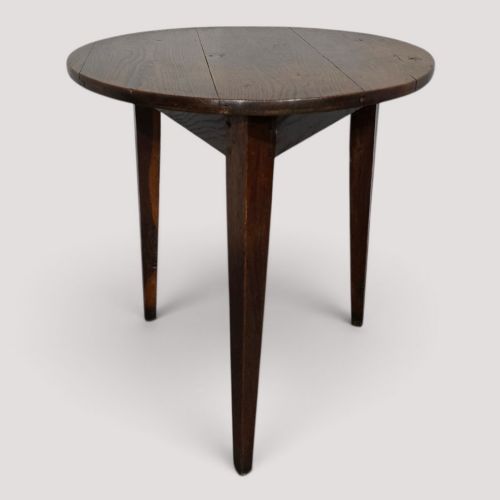
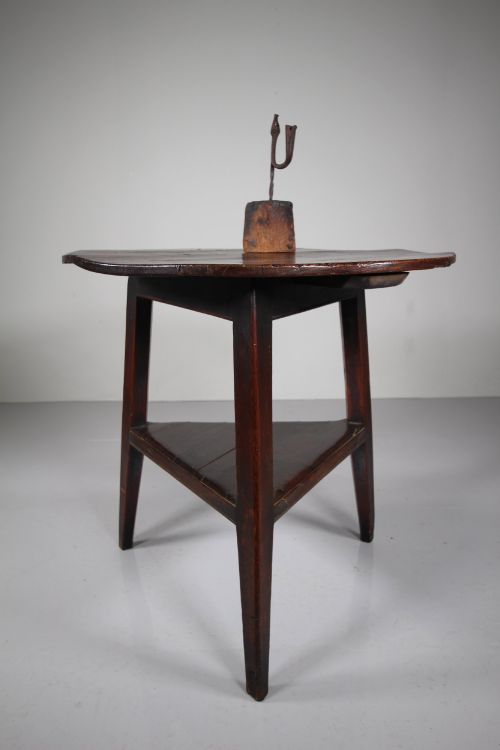
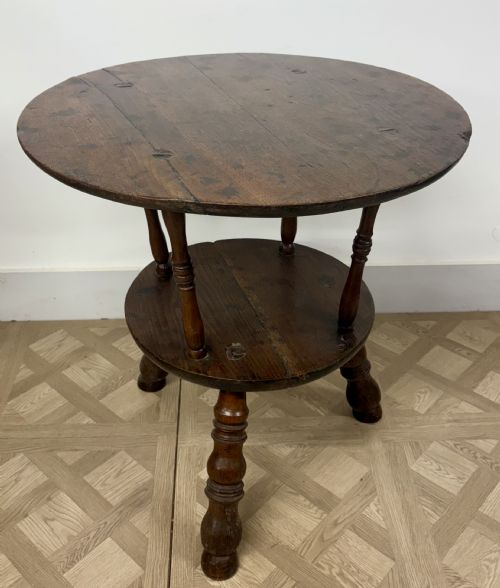
Tripod tables utilise slender turned columns rising from three splayed legs, often secured with pegged joints or tilting mechanisms for storage. Cricket tables employ three rigid legs bracing a circular top, creating an inherently stable structure on uneven farmhouse floors.
One remarkably honest piece bears a maker's stamp reading simply 'BL', leaving the rest of its rustic history delightfully unwritten.
Distinguishing quality in rural tables
Quality rests in the harmony of proportion between the top and the supporting legs, along with the crispness of turning on the pillar or stretchers. A superior table exhibits thoughtful timber selection, where natural figuring in the oak, fruitwood, or elm enhances the modest form.
The integrity of the original construction matters deeply, separating tables that have retained their primary timber and pegged joints from those rebuilt with modern replacements. Surface patination - developed through generations of polishing and wear - further separates ordinary utility pieces from those possessing genuine visual depth.
The Antique Country Occasional Table Glossary
- Cricket table
- A small three-legged table with a circular wooden top, traditionally used in English cottages because three legs remained steady on uneven flagstone floors.
- Tripod table
- A small occasional table supported by a single central pillar that divides into three legs at the base.
- Vernacular
- Everyday furniture built by local carpenters using regional materials and traditional designs, distinct from metropolitan high-style cabinet making.
- Fruitwood
- Timber sourced from fruit-bearing trees such as pear, apple, or cherry, prized by rural makers for its fine grain and warm tone.
- Tilting table
- A table featuring a mechanism beneath the top allowing the surface to tip vertically when not in use.
Antique Country Occasional Table: Frequently Asked Questions
What is a cricket table?
A cricket table is a distinct small table supported by three legs and topped with a circular wooden board. These pieces originated in cottages where three legs naturally found stable footing on uneven floors.
They were utilised for various daily chores, from holding small lamps to serving meals by the hearth. Their simple construction makes them versatile accents in contemporary homes.
How do I use an occasional table?
Occasional tables are compact surfaces designed to be moved easily around a room to hold books, drinks, or small lamps. Their modest scale allows them to fit beside armchairs, in narrow hallways, or corners.
Living with these pieces involves appreciating their utility while protecting their aged wooden surfaces from excessive moisture and heat. A simple coaster and careful placement preserve the historic finish.
How can I tell the period of a table?
Dating relies on observing construction marks, timber characteristics, and the turning style of the legs or central column. Eighteenth-century examples often feature pegged tenons and hand-sawn board marks beneath the top.
Later nineteenth-century pieces may show more uniform machine-sawn timber and different fastening methods. Comparing the patination of the wood helps confirm the age of the piece.
Are these tables sturdy enough for daily use?
Most country tables were built for heavy domestic service and remain remarkably resilient despite their age. The tight joints and robust native timbers ensure they handle normal everyday placement of lamps and decorative objects.
Checking that the legs remain firmly anchored in the block or top ensures the table stays secure. Periodic gentle waxing keeps the dry timber nourished against modern indoor climates.