
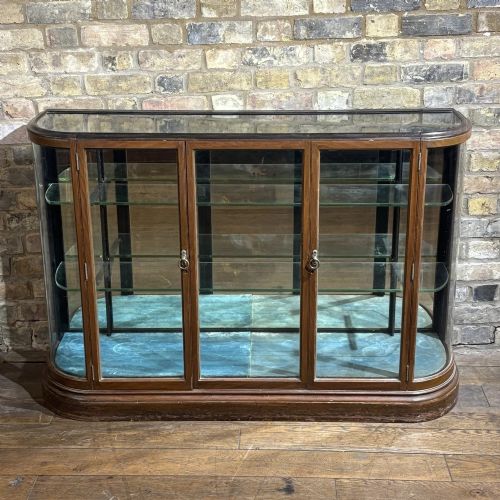


Antique Counter Display Case
An antique counter display case brings the tactile history of late Victorian and Edwardian commerce directly onto your tabletop.
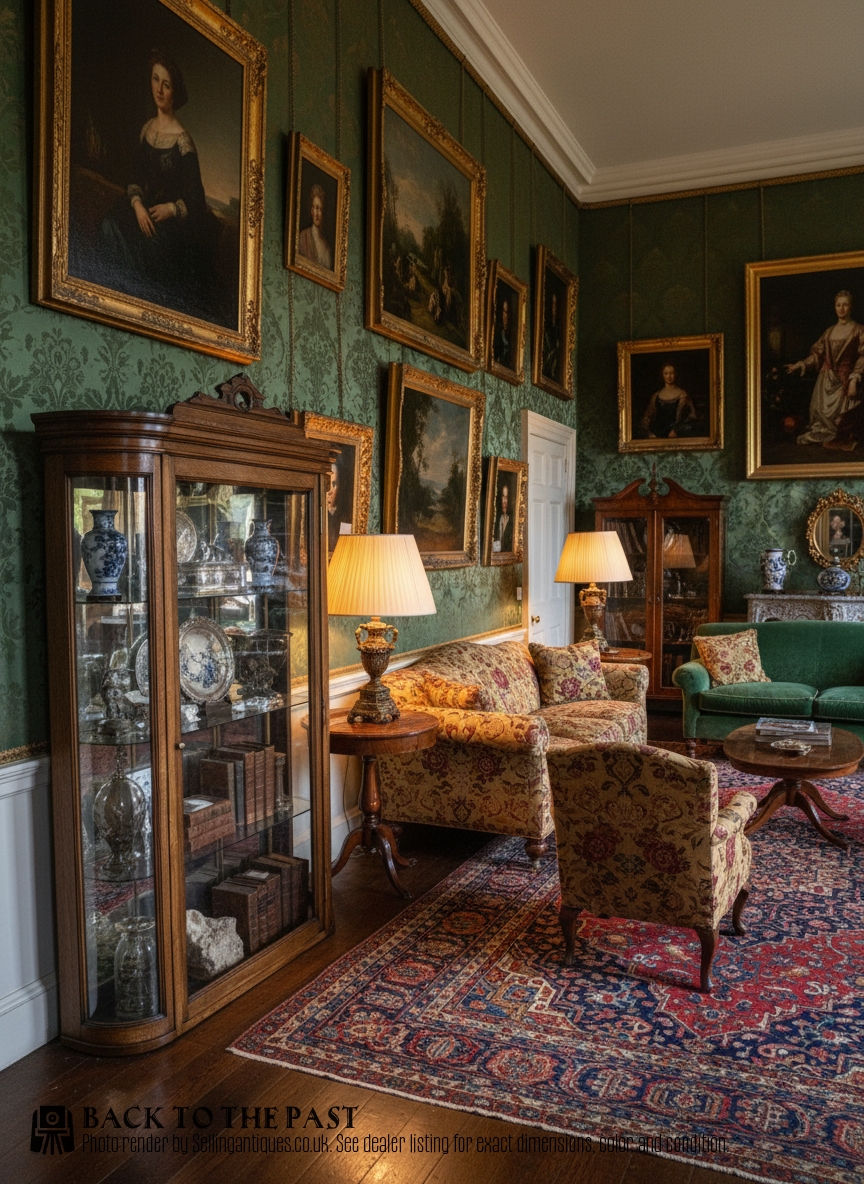
Antique Counter Display Case
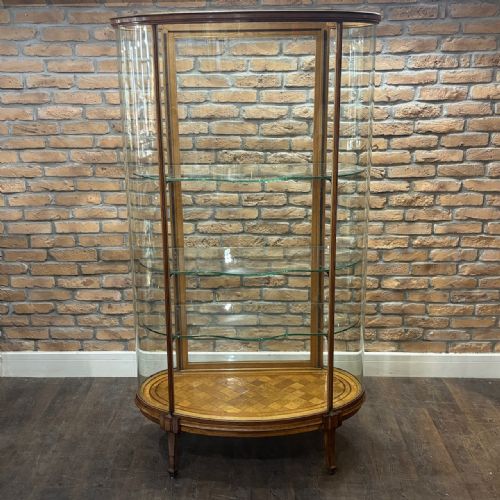
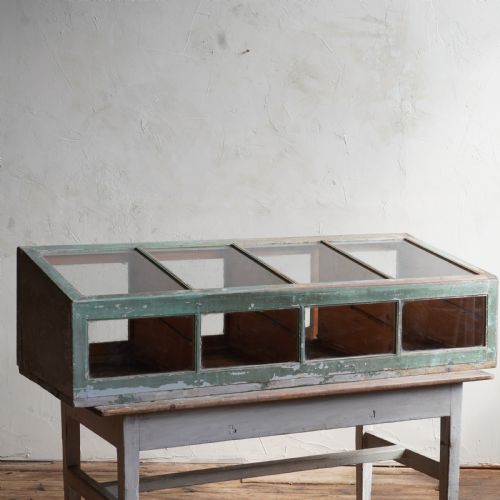
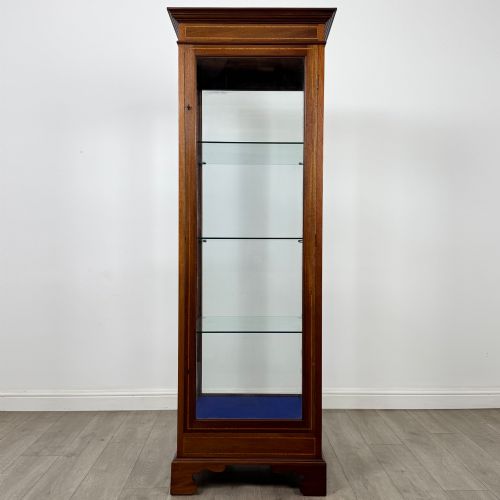
An antique counter display case serves to present retail goods across various commercial interiors from the nineteenth and twentieth centuries. These items range from small tabletop vitrines and countertop boxes to large freestanding shop counters and haberdashery cabinets.
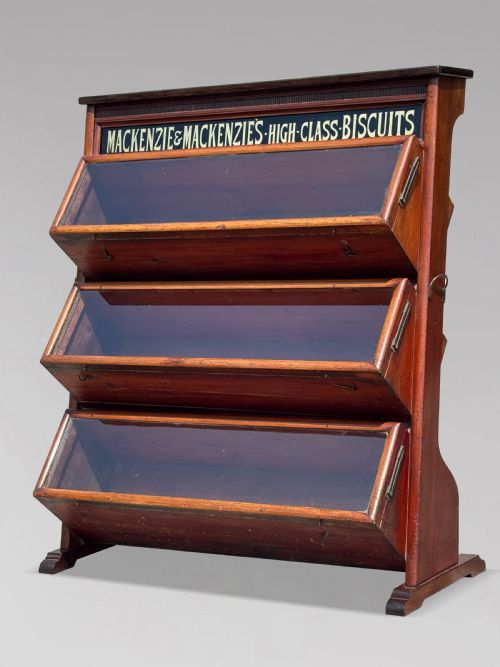
The specimens seen here hail from the Victorian, Edwardian, and Art Deco periods, extending through the 1920s and 1930s. Buyers frequently encounter oak and mahogany tabletop units alongside specialised advertising cabinets for confectionery and sewing cottons.
How they were made
Construction relies heavily on timber frames of mahogany and oak combined with extensive glass glazing to showcase merchandise from multiple angles. Brass or aluminium framing provides structural support in later 1920s and 1930s examples.
Interiors often incorporate mirrored backs to amplify light, alongside velvet linings for delicate items. Ebonized finishes and distressed painted surfaces appear across specific commercial forms.
Materials span traditional oak and mahogany alongside later aluminum framing, mirrored glass, velvet, and brass.
What varies in quality
The standard of timber selection and joinery separates standard utility shop fittings from pieces produced by specialist retail furnishers. Fine grain mahogany framing and complex bow end or pentagonal shapes indicate superior workshop output.
Original maker branding, intact mirrored interiors, and specialised advertising glazing elevate the historical standing of a cabinet. Plain functional carcasses contrast with ornate architectural details like Adam style mouldings.
F. Sage & Co·John Stow Ltd of Bradford·Saml. Elliott & Sons
The Antique Counter Display Case Glossary
- Vitrine
- A glass display cabinet used for protecting and exhibiting objects of curiosity or merchandise. These units often feature glazed sides and doors.
- Haberdashery cabinet
- A specialised multi-drawer store fitting designed for organising sewing accessories, ribbons, and small textiles. They frequently incorporate glass fronts or drawer labels.
- Countertop
- A smaller display format intended to sit directly on top of a retail sales counter for eye level customer viewing. These are common in surviving apothecary and confectionary pieces.
- Bow end
- A cabinet design featuring curved glass and framing at one or both extremities. This shape softens the profile and maximises visibility from multiple angles.
Antique Counter Display Case: Frequently Asked Questions
What did shops put inside these cases?
Merchants used these glazed enclosures to hold small high value goods, specialised confectionery, and delicate apothecary preparations. Brands utilised branded advertising versions for chocolates and sewing cottons.
Items remained visible to patrons while staying secure behind glass doors and hinged lids during busy retail hours.
How do I place an antique counter display case at home?
Tabletop units sit comfortably on top of sideboards, desks, or existing tables to hold curated collections of small objects. Freestanding counters function as functional kitchen islands or hallway consoles.
Position cases away from direct sunlight to protect interior velvet linings and delicate timber surfaces from fading.
How do I tell Victorian cases from 1920s examples?
Victorian specimens typically rely on heavier timbers like solid oak and mahogany with traditional joinery and deep mouldings. Pieces from the 1920s and 1930s often introduce lighter frames, ebonized finishes, or alternative metals like aluminium.
Commercial advertising lettering and specific maker plaques also help anchor a piece to its exact decade of manufacture.
Were these cases used in homes originally?
Original manufacture served strictly commercial environments such as chemists, sweet shops, and drapery stores. Retailers needed durable counters that could withstand heavy daily customer contact.
Modern interiors repurpose these trade fixtures for domestic display, adapting shop fittings into residential storage.