






Vintage Advertising Showcase
These vintage advertising showcase pieces are glazed mercantile fixtures that bring authentic commercial history into domestic spaces.
Vintage Advertising Showcase
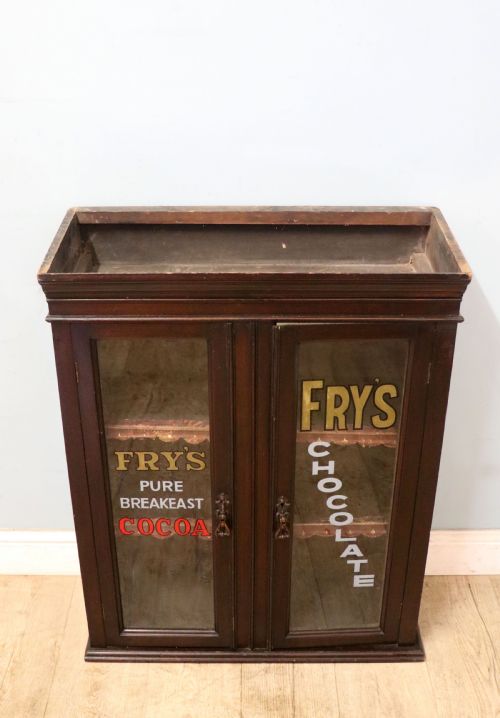
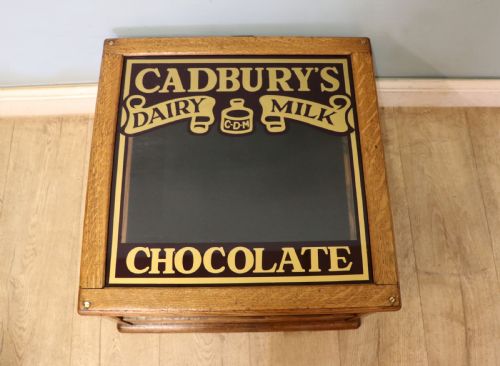
When you examine a vintage advertising showcase on this page, you encounter timber-framed glazed enclosures originally built for retail trade. The selection spans the Victorian and Edwardian eras into the nineteen-thirties, drawing from commercial workshops and tea rooms.
You are most likely to meet countertop display cabinets and small cupboards constructed in solid mahogany, American walnut, oak, and pine. Many examples feature later hand sign-written decoration promoting confectionery, cocoa, tea, bread, and tobacco.
The forms vary from tall display cabinets to low countertop cases designed to sit directly on shop counters. These pieces bridge utilitarian shopfitting and graphic advertising history, retaining original glass panels and brass hardware.
How they were made
Maker construction relies on traditional cabinet-making joints utilising solid hardwoods such as mahogany, oak, and American walnut alongside pine and hardwood frames. Glazing is fitted into rebated wooden frames to protect fragile mercantile goods while maintaining clear visibility for customers.
Sign-writing forms an integral part of the fabrication history, applied by hand to glass or timber surfaces using specialised lettering enamels. Metal components such as nickel-plated fittings and brass hinges secure doors and access panels for daily retail use.
One exceptional pencil dispenser once kept a nineteenth-century stationer's desk fully stocked and ready for trade.
What varies in quality
The distinction between tiers rests upon timber selection and structural integrity. Superior examples utilise dense, finely figured solid mahogany or American walnut with tight joinery, whereas simpler pieces employ plain pine or standard hardwood frames.
The execution and survival of the hand sign-written advertising text also separate standard items from superior survivals. Crisp, well-preserved lettering enhances the historical character of the cabinet.
The Vintage Advertising Showcase Glossary
- Countertop
- A descriptive term for furniture built to sit upon shop counters for customer transactions. These compact cases place goods directly at eye level.
- Sign-written
- Lettering applied by hand to surfaces using traditional signwriter brushes and paint. This technique creates the commercial branding seen across the glass and timber.
- Glazed
- Fitted with glass panels to enclose the display space while permitting light and visibility. Surviving early glass adds authenticity to the cabinet.
- Shopfitting
- The trade and practice of manufacturing interior fittings and furniture for retail premises. These commercial fixtures reflect the rigorous demands of period commerce.
Vintage Advertising Showcase: Frequently Asked Questions
Where were these cabinets used?
These display cases originally stood upon counters and shelves in confectioners, grocers, and tobacconists. Shopkeepers utilised them to protect small goods while advertising specific brands to buyers.
Over time, surviving examples transitioned from commercial environments into domestic interiors as collectors sought functional display furniture with distinct historical character.
Are the advertising signs original?
Many listings note that the sign-written lettering is later hand application upon period timber or glass. This practice reflects how merchants refreshed or repurposed older fixtures for new stock.
Examining the relationship between the wood age and the painted surface helps determine the timeline of the commercial decoration.
How do I date these cabinets?
Dating relies upon timber types, construction methods, and stylistic cues such as Victorian proportions or Art Deco lines. The presence of nickel-plated metal and specific hardware aids chronological placement.
Comparing the joinery techniques against known period examples provides a reliable method for establishing the decade of manufacture.
Can I use these for modern display?
These glazed enclosures suit modern domestic display for small collections, books, or kitchenalia. Their glass panels protect delicate items from dust while maintaining visual access.
Placing them on existing tables or countertops allows you to integrate commercial history into contemporary living spaces.