



Antique Column Plinth
An antique column plinth raises sculpture or ornament to eye level, bringing classical proportion and presence to a room.
Antique Column Plinth
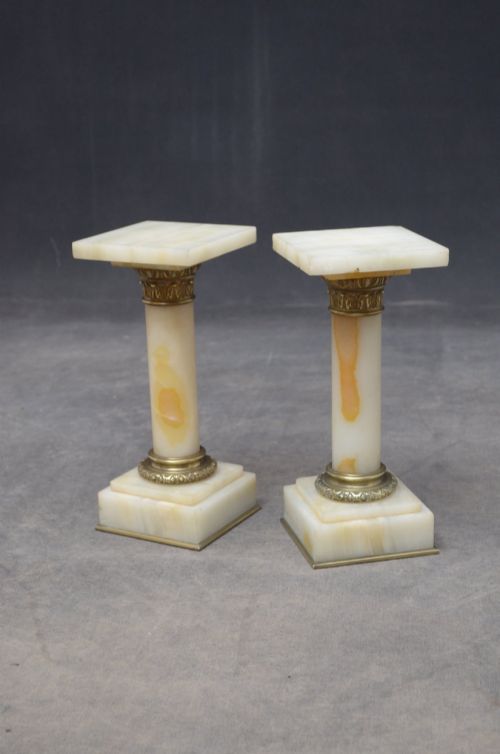
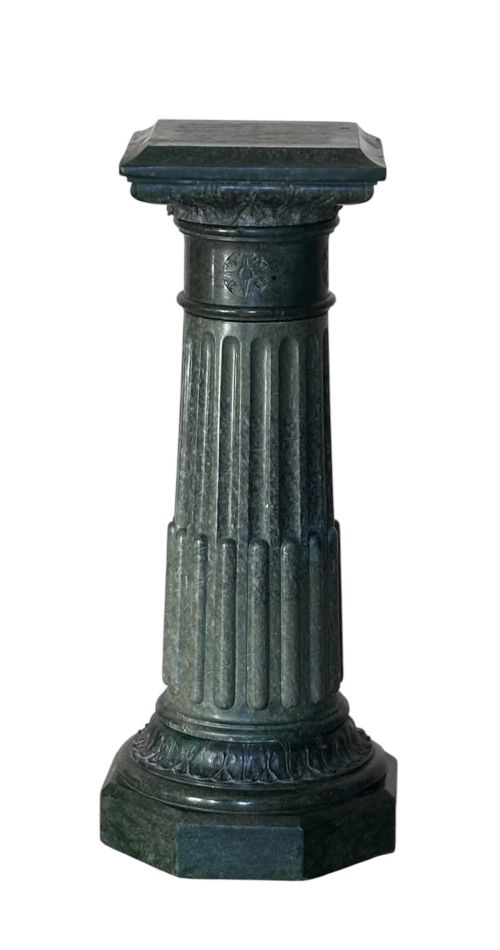
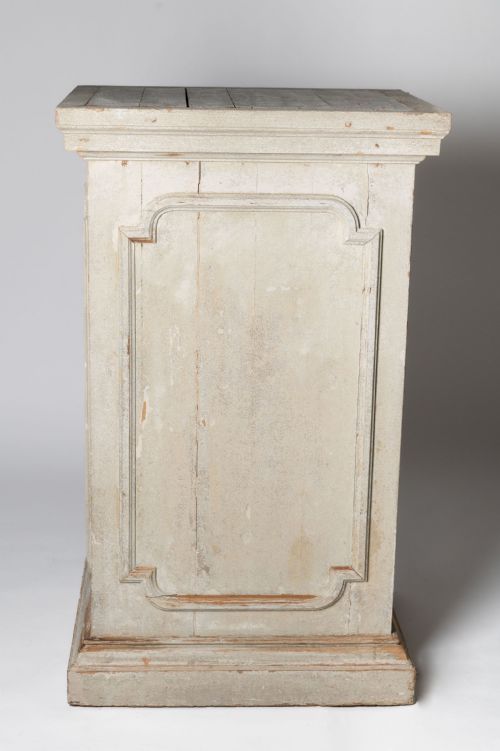
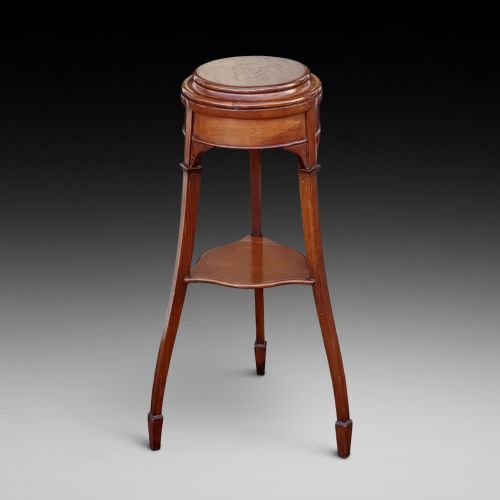
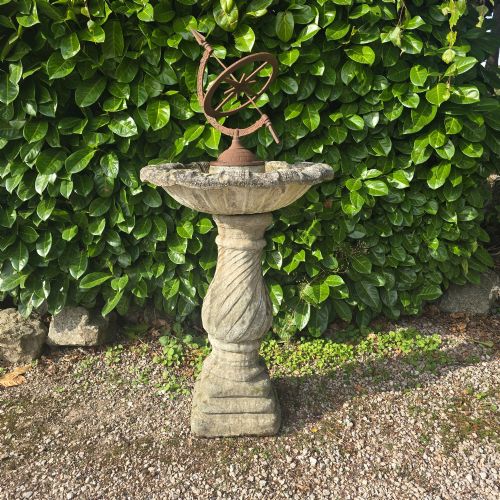
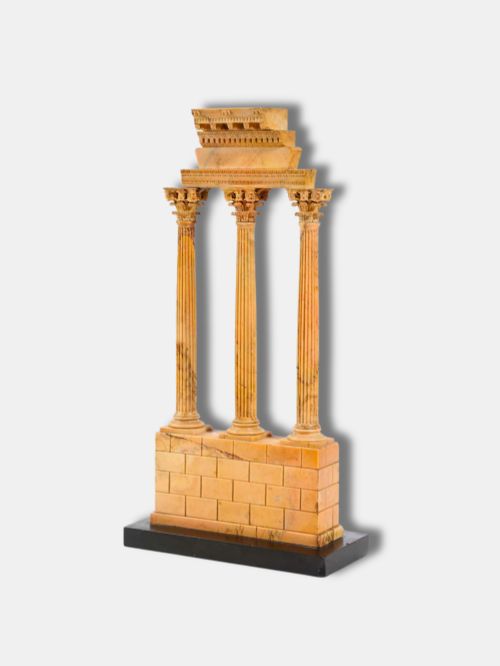
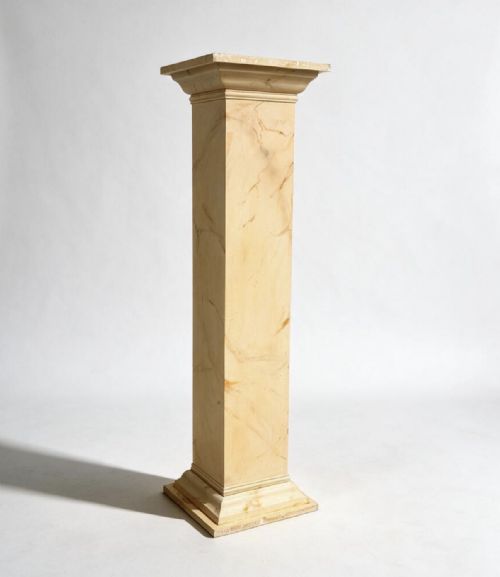
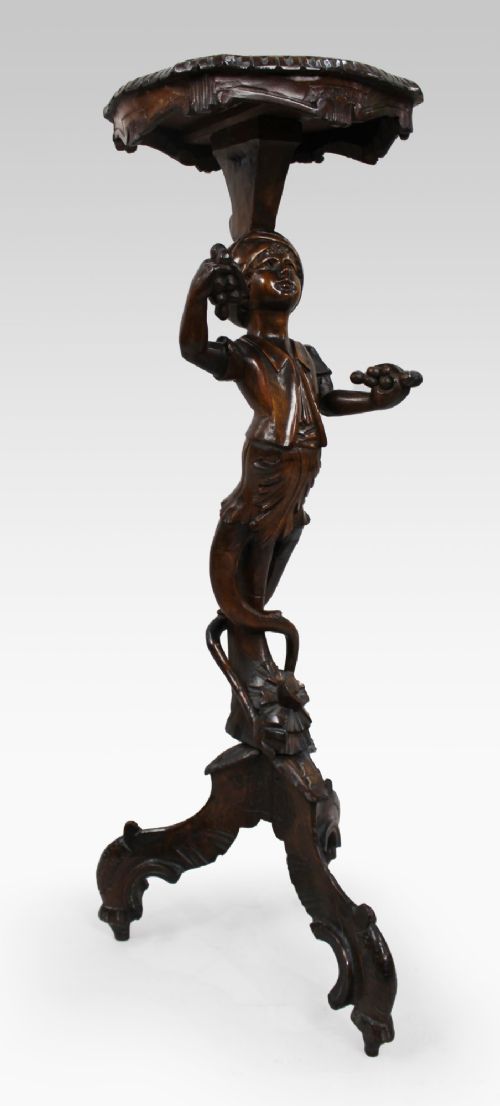
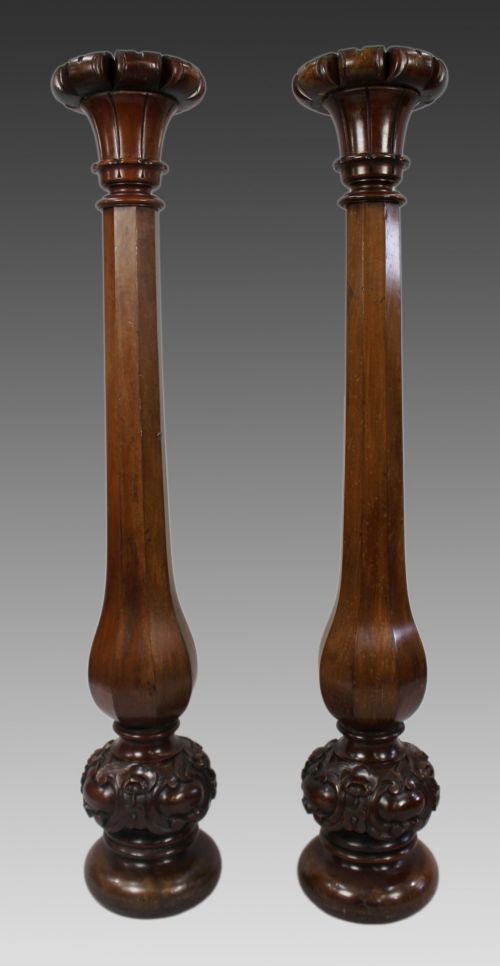
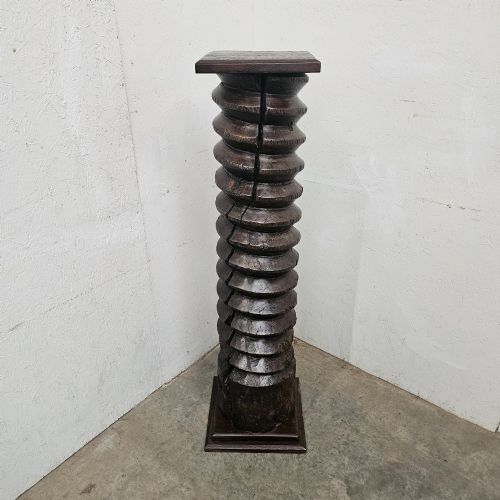
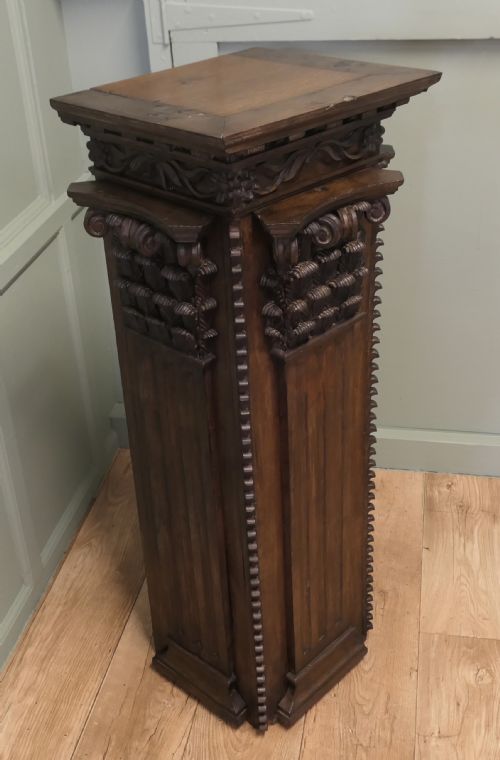
An antique column plinth appears across several centuries, with nineteenth-century examples forming the majority of the selection. These pieces serve primarily as stands for busts, vases, and garden statuary, taking the form of tall pedestals, columns, and low display stands.
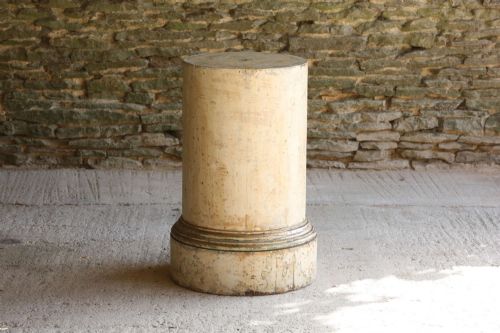
Origins range widely from English workshops to French studios and Italian marble centres. Makers utilise varied regional styles, from neoclassical formality to heavy oak carving and lighter painted finishes.
Materials and Construction
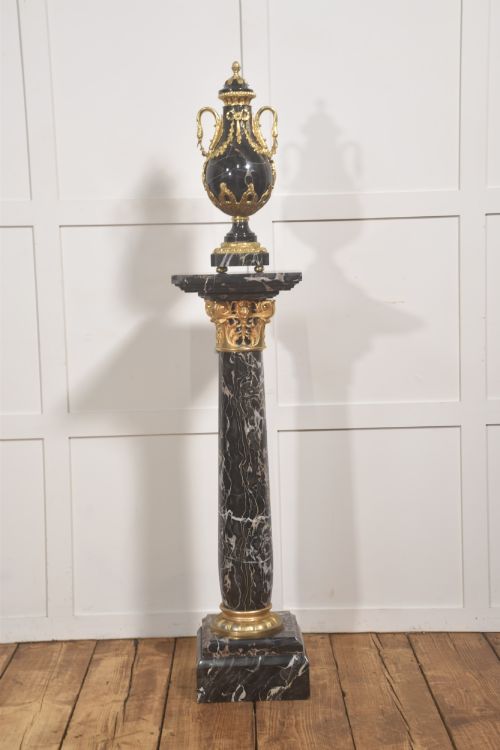
Natural stone dominates the selection, featuring varieties such as marble, onyx, limestone, and composite stone. Many examples incorporate decorative metal accents, including ormolu collars, brass mounts, and gilt bronze details.
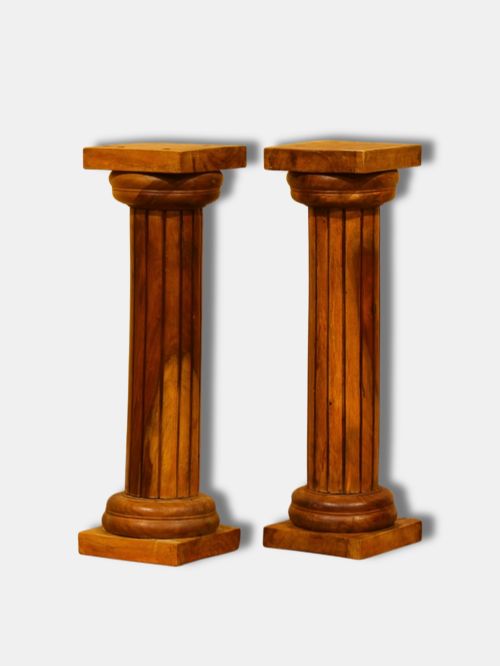
Wooden pieces employ timber such as mahogany, walnut, oak, satinwood, and birch, often shaped by turning or carved with classical motifs. Scagliola and faux marble painted finishes replicate solid stone using plaster and pigments.
Antique Column Plinth Retail Price Guide 2026
Typical asking prices for column plinth among the pieces listed under this phrase on Sellingantiques today, from the lower quarter to the upper quarter. They describe what is for sale here now, not the wider market.
Listings feature items spanning the eighteenth, nineteenth, and early twentieth centuries, constructed from marble, mahogany, oak, limestone, and terracotta.
Craftsmanship and Material Depth
Quality rests on the selection of materials and the precision of the carving or turning. Solid marbles with rich natural veining and finely cast ormolu mounts indicate superior production compared to simpler painted pine or basic softwood forms.
Structural stability and the crispness of classical detailing define the execution. Proportion remains critical, as the relationship between the capital, shaft, and base determines the visual balance of the piece.
Gillow and Co.
The Antique Column Plinth Glossary
- Ormolu
- Gilded bronze mounts applied to furniture and decorative objects. This technique creates bright metallic highlights that contrast against stone and dark wood surfaces.
- Scagliola
- A composite material made from selenite, glue, and pigments, mimicking true marble. Artisans inlay and polish this mixture to achieve convincing stone effects.
- Solomonic
- A column shaft twisted into a helical spiral. This form creates dynamic movement and deep shadow lines along the vertical column.
Antique Column Plinth: Frequently Asked Questions
What were antique column plinths used for?
These pieces functioned primarily as elevated stands to display sculpture, porcelain, and ornamental vases within domestic interiors and gardens. They raised works of art to eye level to improve visibility and theatrical impact.
In grander settings, they supported architectural elements or lighting fixtures, acting as permanent fixtures of interior decoration and room division.
How do I choose the right height?
Selection depends on the object placed on top and the scale of the surrounding room. Taller columns suit smaller busts and urns, bringing them up to a natural viewing height.
Shorter plinths work better with larger sculptures or heavy garden planters, maintaining stability and preventing the display from appearing top-heavy.
How do I tell marble from faux marble?
True marble feels cold to the touch, possesses natural weight, and shows continuous mineral veining that penetrates the surface depth. Scagliola and painted timber reveal a warmer surface temperature and lack internal stone structure.
Close inspection under natural light uncovers brush marks on painted pine or the smooth, plaster-like composition of scagliola.