




Antique Coloured Glassware
Antique coloured glassware brings rich hues to the table, offering vibrant wine glasses, goblets and decanters crafted across the Georgian and Victorian eras.
Antique Coloured Glassware
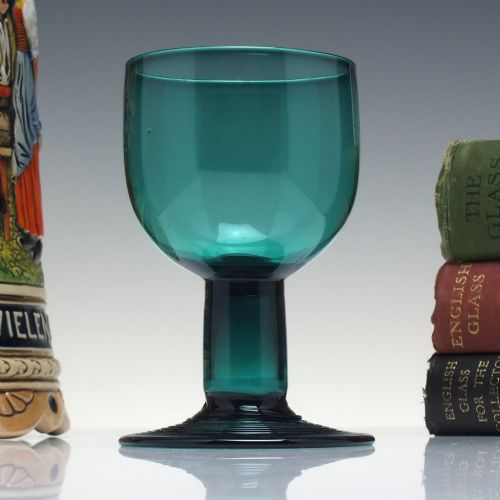
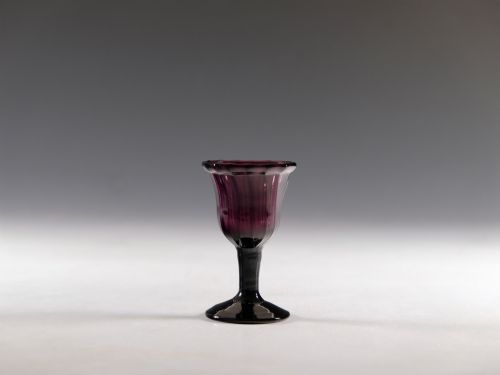
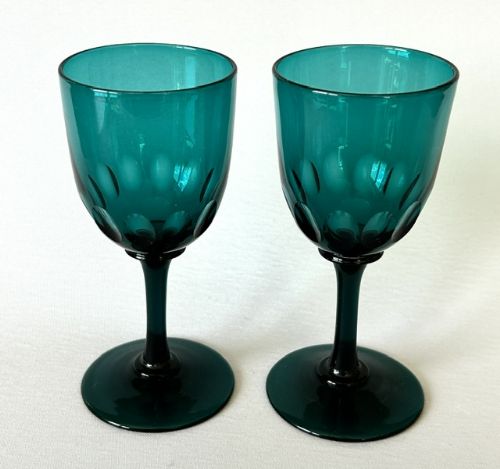
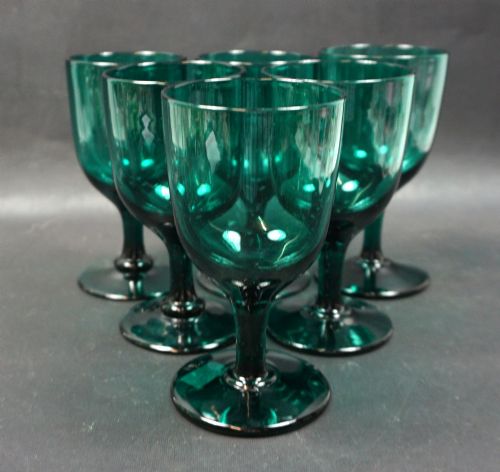
Antique coloured glassware encompasses drinking vessels, wine glasses, rummers, dram glasses and vases produced primarily during the Georgian, Victorian and Edwardian periods. Buyers searching for antique coloured glassware frequently encounter matched sets of wine glasses alongside single Georgian specimens rendered in deep greens, turquoise, cranberry and amethyst.
The forms range from small dram glasses and egg cups to tall Edwardian goblets and Venetian Revival creations. English workshops and continental makers shaped these diverse drinking vessels for dining tables and display cabinets across the nineteenth and early twentieth centuries.
Vessels span several stylistic movements, incorporating Bohemian influences, Victorian exuberance, Art Nouveau curves and Venetian Revival details. Collectors find these pieces valued both for their saturated tones and their functional place in historic dining traditions.
Factors of quality and execution
Quality rests upon the purity of the metal, the even saturation of the pigment and the precision of hand-blown or cut details. Superior examples exhibit balanced proportions, crisp facet cutting and consistent colour distribution throughout the vessel wall.
The integrity of applied stems, polished pontil marks and matching sets elevate certain items above standard production wares. Condition and structural refinement separate everyday domestic utensils from exhibition-grade cabinet pieces.
Some Victorian wine glasses were built with stems so short and round they resemble glass bobbin toys.
Stuart England for Liberty·Italian Murano Salviati
The Antique Coloured Glassware Glossary
- Cranberry glass
- A rich red glass coloured with gold chloride, highly popular during the Victorian period for tableware and stemware. It appears frequently in matching sets of wine glasses.
- Colour twist
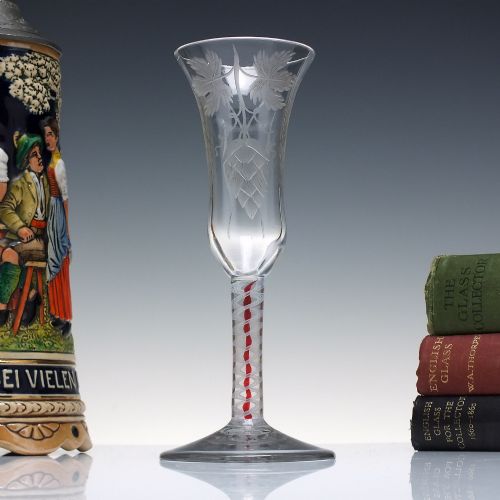
- A decorative stem formation involving opaque or coloured glass threads spun within a clear glass stem. This technique is often seen on eighteenth-century drinking vessels.
- Roemer
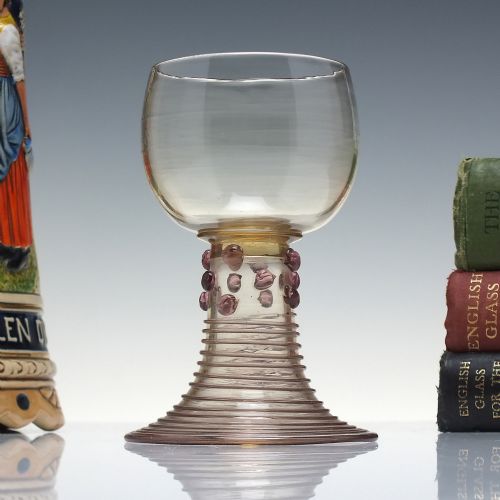
- A traditional continental wine goblet featuring a large bowl set on a cylindrical stem decorated with applied prunts. These often combine contrasting glass colours, such as amethyst bowls on amber bases.
- Pontil mark
- The rough scar left on the base of a vessel where the pontil rod was snapped away after blowing. Skilled finishers ground and polished this mark on better quality items.
- Lead glass
- A heavier glass composition containing lead oxide, which increases brilliance and makes the metal softer for cutting. It provides the weight characteristic of fine antique crystal.
Antique Coloured Glassware: Frequently Asked Questions
How do I date antique coloured glassware?
Dating relies on stylistic clues, pontil preparation and manufacturing techniques documented across specific eras. Georgian pieces often display different stem structures and metal weights compared to Victorian or Edwardian production.
Examining the depth of colour, wear patterns on the base and stylistic associations like Art Nouveau or Bohemian cuts helps narrow down the decade of origin.
Are coloured wine glasses safe to use?
Most antique drinking vessels remain structurally sound for careful contemporary use, provided they are handled with appropriate caution. Hand washing in lukewarm water preserves the historic glass surface.
Sudden temperature changes should be avoided to protect lead glass and hand-blown items from thermal shock and hairline fractures.
What caused the different colours in old glass?
Colour was achieved by adding specific metallic oxides and minerals to the molten batch during production. Cobalt created blues, gold chloride produced cranberry reds, and various copper or iron compounds yielded greens and amethysts.
Formula variations between English glasshouses and continental factories resulted in the distinctive hues seen in antique specimens today.