
Antique Clock with Weights
These antique clock with weights pieces bring mechanical rhythm and period presence into a room, offering gravity-driven timekeeping from past centuries.
What These Clocks Are
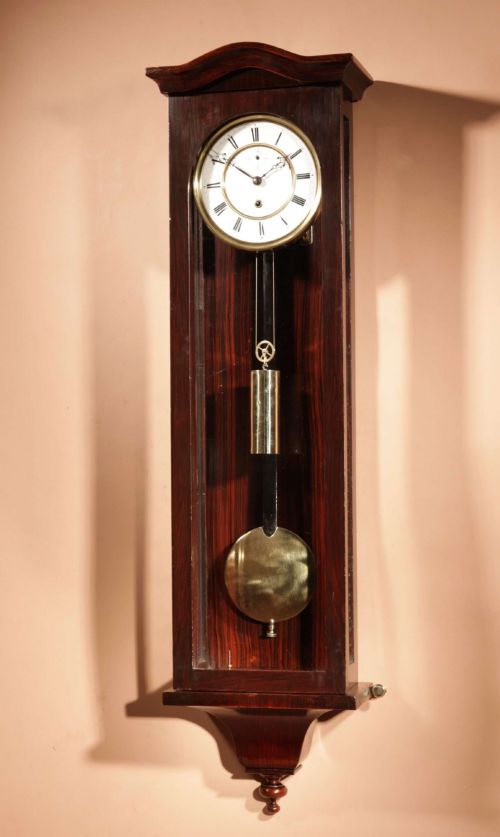
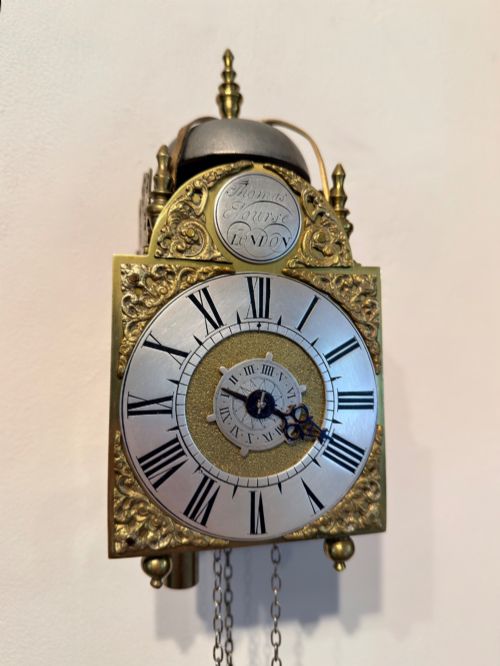
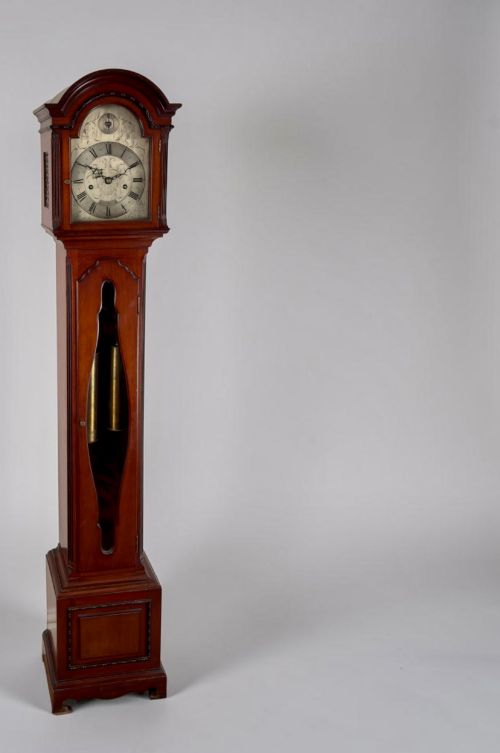
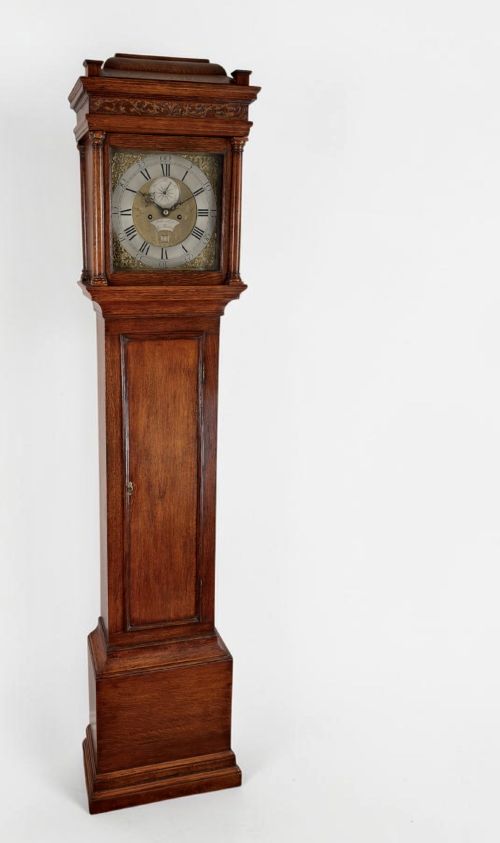
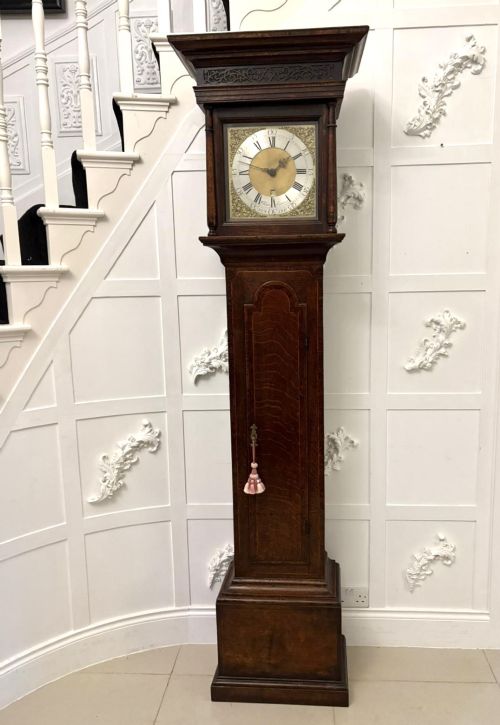
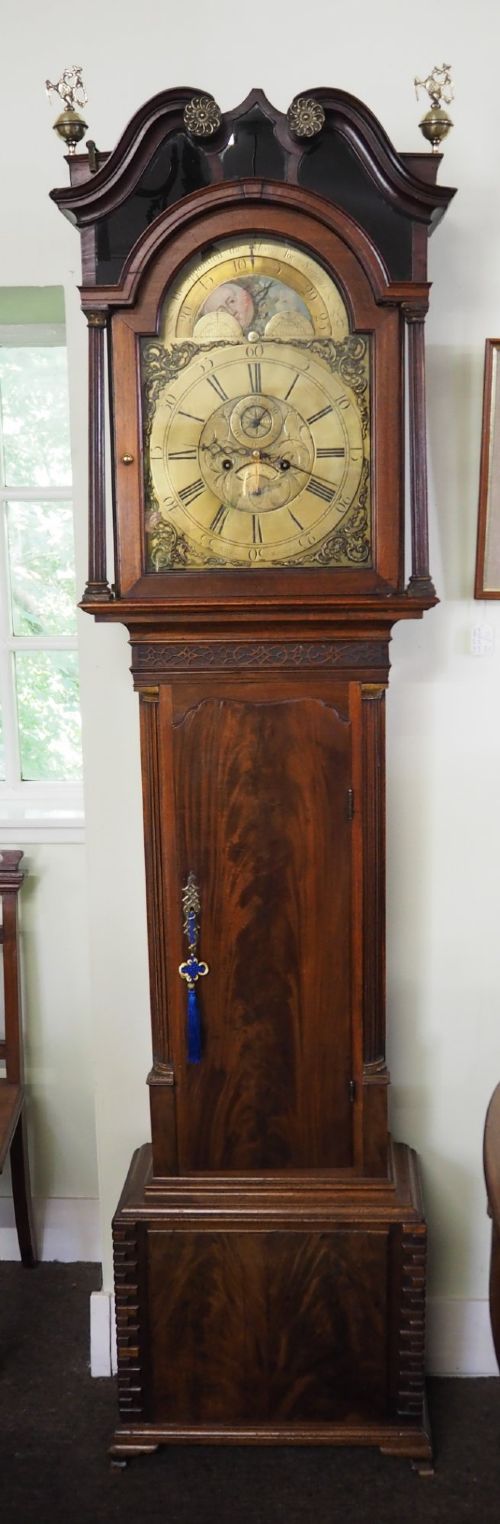
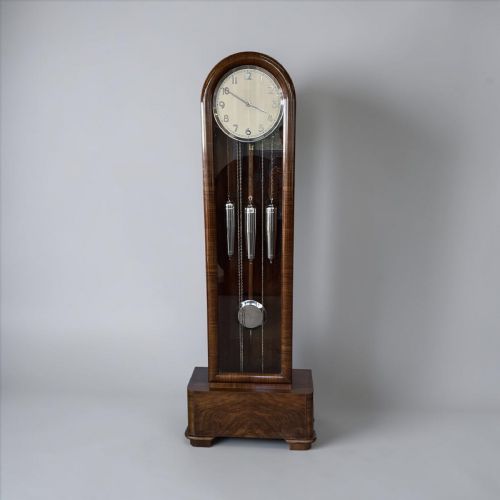
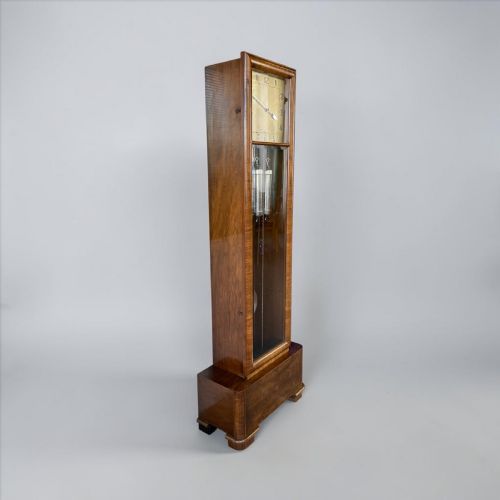
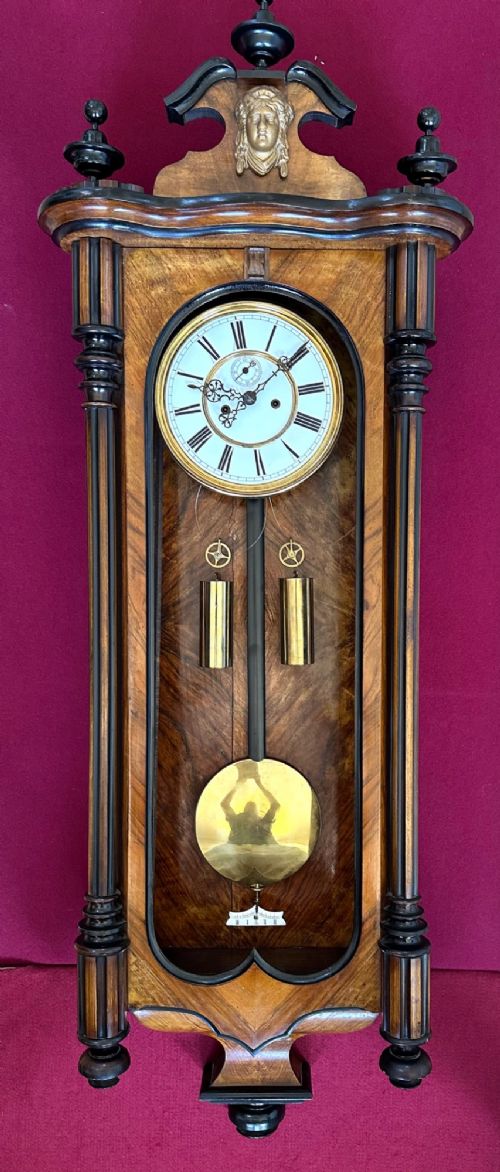
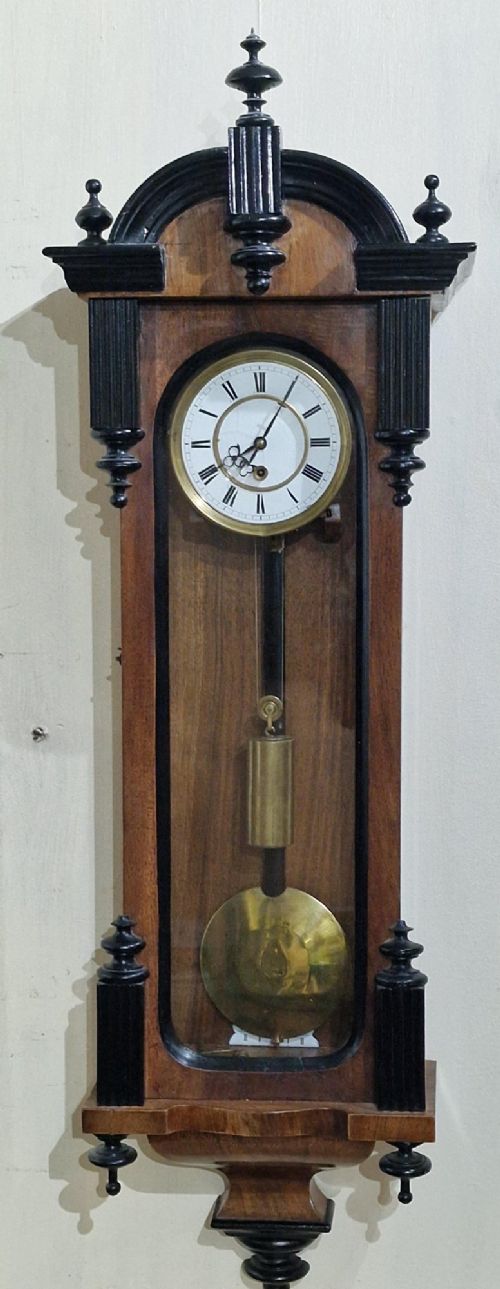
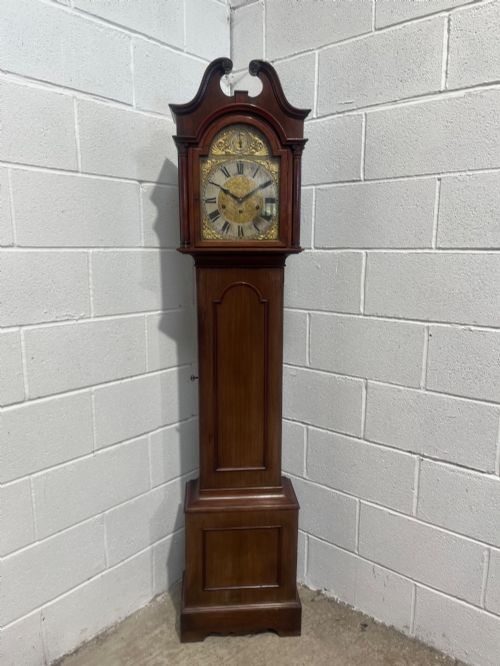
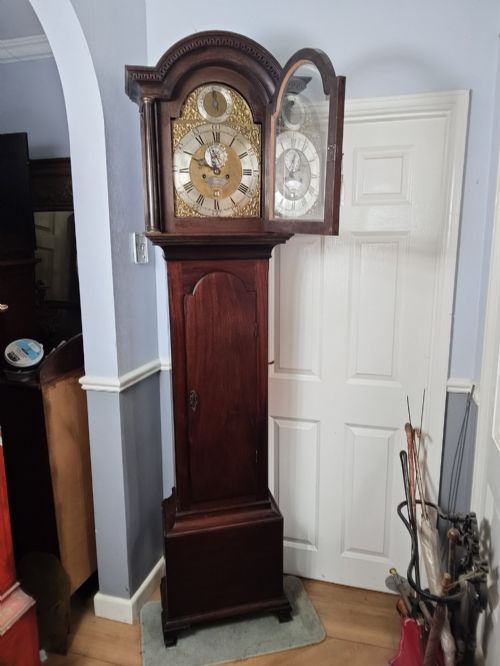
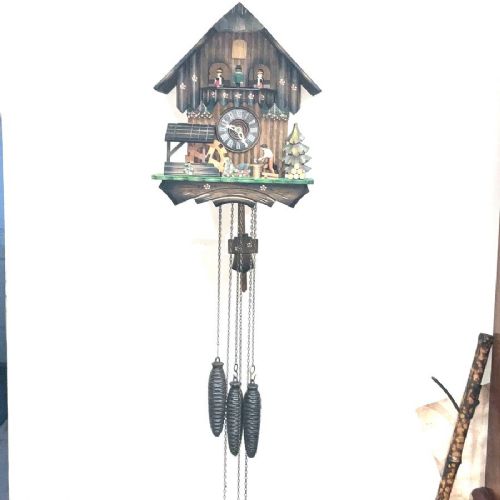
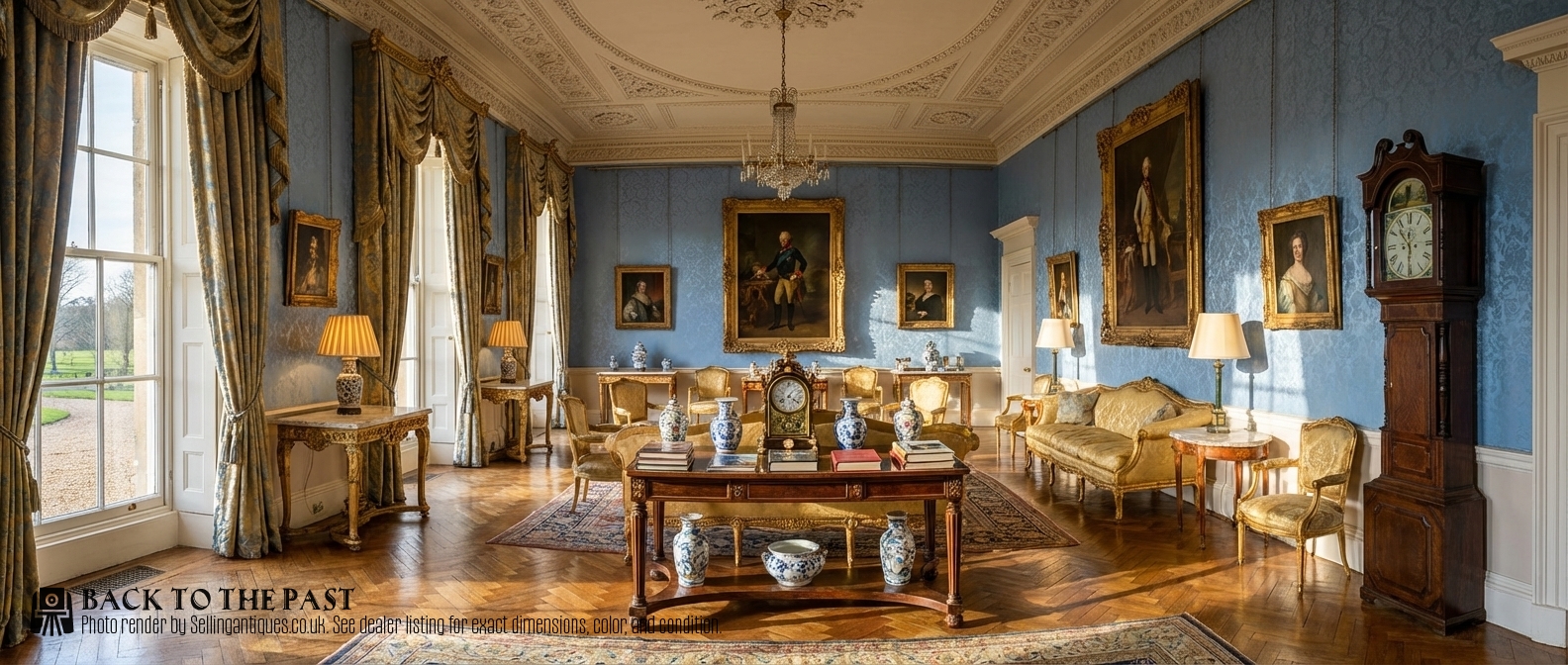
An antique clock with weights relies on suspended masses rather than springs to drive its movement. The pieces gathered under this phrase span tall floor-standing longcase clocks and wall-mounted regulators or tavern clocks.
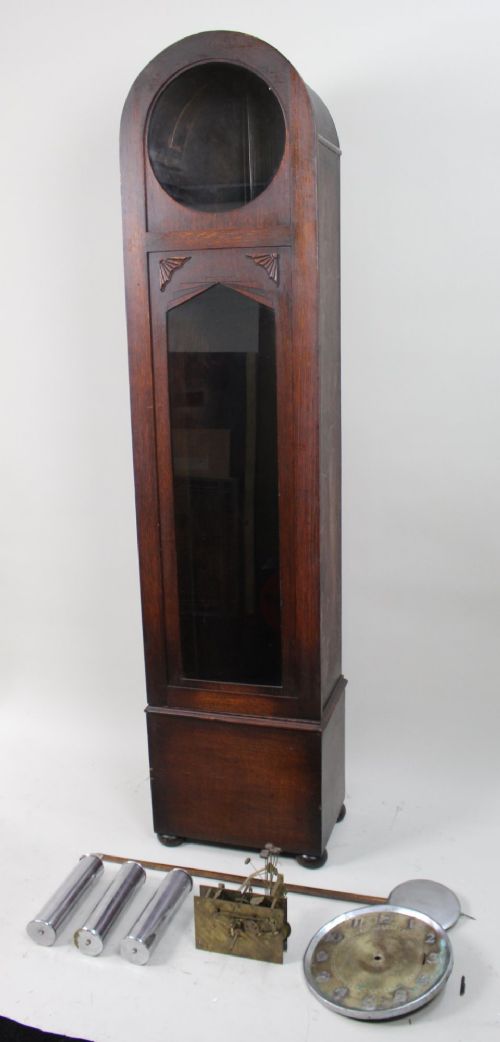
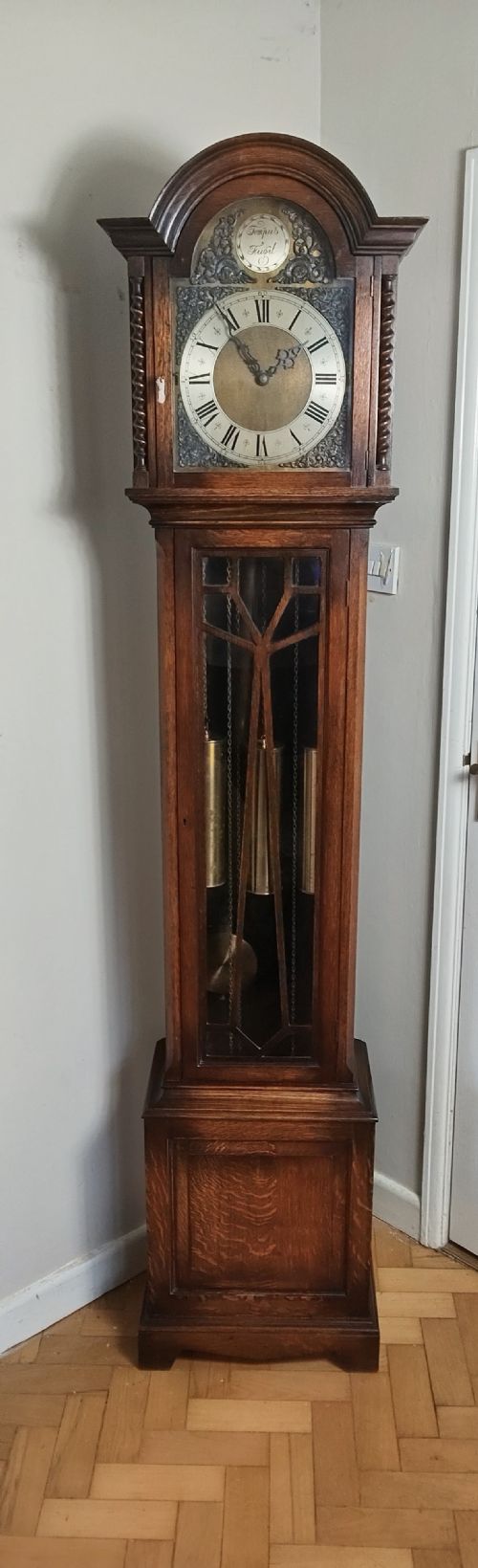
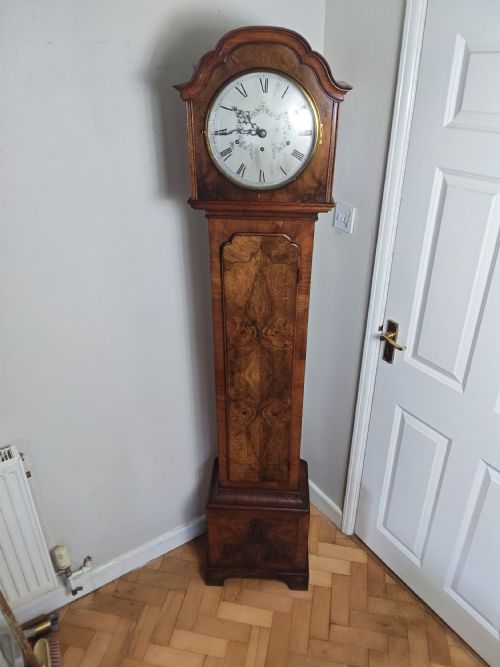
The floor-standing longcase clocks, frequently termed grandfather clocks, dominate the selection. They combine tall wooden cases with brass faces, housing weights that descend slowly as the mechanism operates.
Wall clocks appear alongside the tall cases, offering a more compact alternative driven by weights visible behind glass doors. These diverse forms share a reliance on gravity to power their pendulum and gear trains.
Materials and Construction
Cabinetmakers utilised robust timber such as mahogany, oak, burr oak, and walnut to construct the tall floor cases. These woods were often polished to highlight natural grain patterns, sometimes incorporating decorative inlay work.
Retail Price Guide 2026
Typical UK retail prices for clock with weights, calculated from the Sellingantiques database of over a million retail prices indexed since 2003. This retail price guide relies exclusively on Sellingantiques data; no external sources or auction records are used, so the figures do not describe the wider market.
Hearing the steady, heavy thump of a pendulum echoing from deep inside a wooden trunk connects your hallway directly to the eighteenth century.
Quality and Distinction
The refinement of the timber case sets the standard across the range, distinguishing simple utility boxes from sophisticated architectural cabinetry with burr veneers and crisp inlay. Dial execution also separates standard production from superior work.
The integrity of the mechanical movement dictates overall merit. Clocks retaining their original brass works and proper weight-driven gear trains represent the higher tier of surviving examples.
The Antique Clock with Weights Glossary
- Longcase clock
- A tall, floor-standing timekeeper housed in a wooden case with a pendulum and hanging weights. This form is widely recognised as a grandfather clock.
- Regulator wall clock
- A precision timekeeper mounted to a wall, driven by weights suspended behind glass. These were designed for high accuracy.
- Burr oak
- A figured wood growth harvested from oak trees, prized by cabinetmakers for its swirling grain patterns on clock doors and panels.
- Dial
- The visible face of the clock, typically constructed of brass or enamel, displaying the hours and minutes.
Frequently Asked Questions
How do weight-driven clocks work?
Weights attached to cords or chains provide the mechanical force needed to turn the gear train as they slowly descend inside the case.
Gravity pulls the weights downward over a period of days, requiring a key or crank to haul them back to the top during winding.
Where should I place a longcase clock?
Floor-standing clocks need a stable, level surface on a solid floor to ensure the pendulum swings evenly without catching.
Avoid placing them against exterior walls subject to dampness or in areas with significant temperature fluctuations that affect wood and metal.
How do I date an antique clock?
Cabinet timber choice, dial style, and construction methods offer primary clues to the period of manufacture.
Records inscribed on the brass face or movement backplate by makers also help pinpoint the origin and date.
What maintenance do these clocks need?
Regular winding keeps the weights descending and the mechanism functioning properly according to the design of the movement.
Professional cleaning and oiling every few years ensure the brass gears and pivots avoid excessive wear over time.