
Antique Clear Glass Goblet
These antique clear glass goblet pieces are robust vessels of early drinking culture, prized for their tactile weight and historical presence.

Antique Clear Glass Goblet
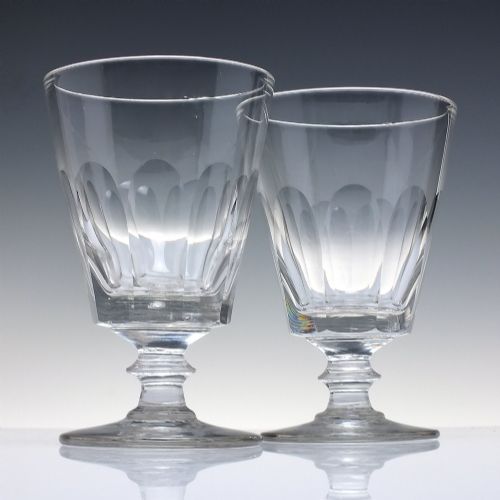
An antique clear glass goblet encompasses drinking vessels produced during the Georgian and eighteenth-century periods. These items take the form of wine glasses and rummer glasses, serving as functional tablewares from the past.
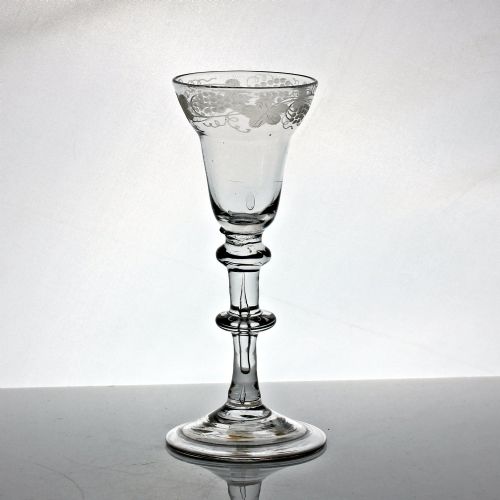
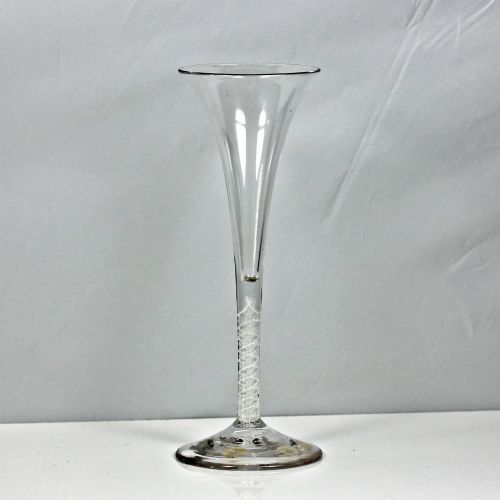
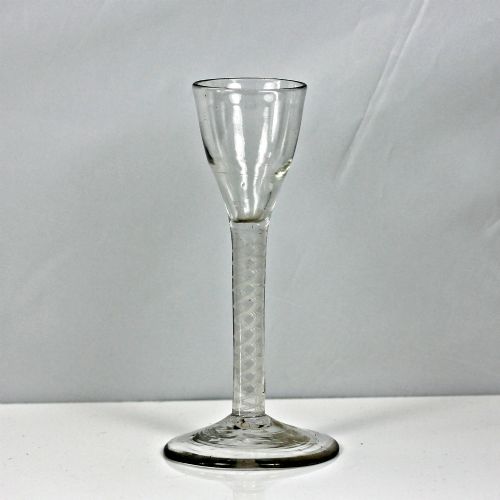
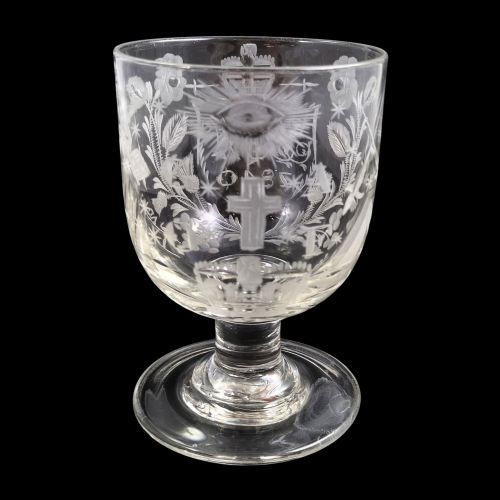
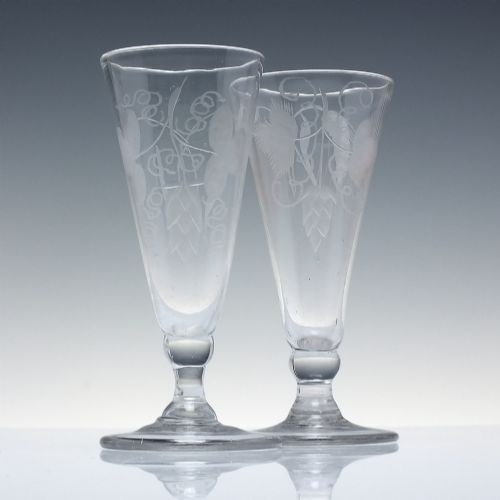
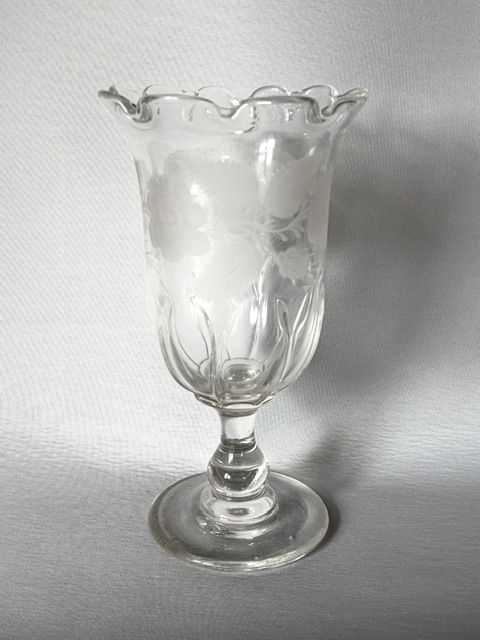
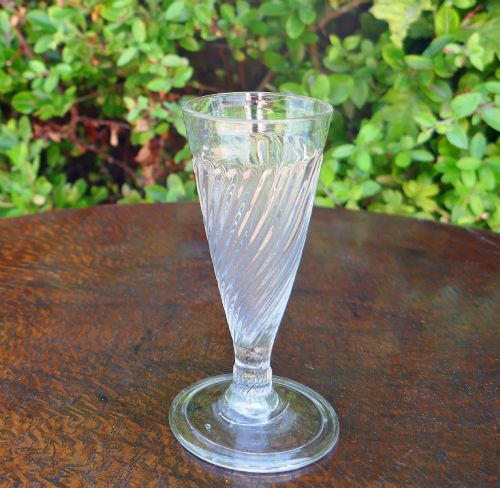
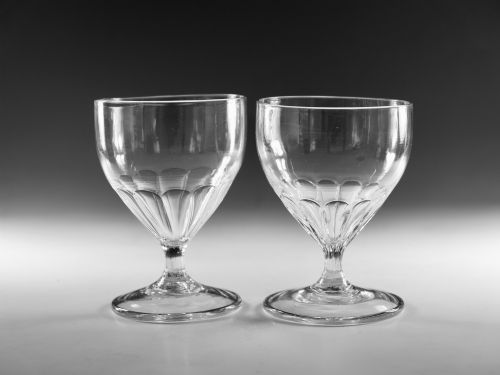
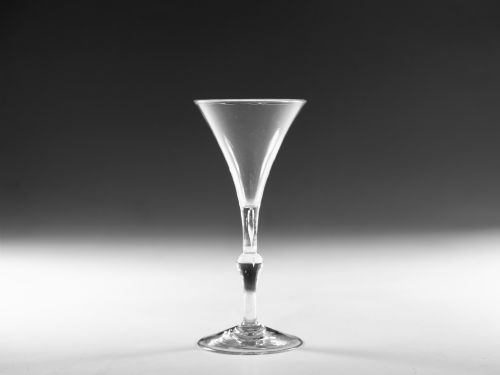
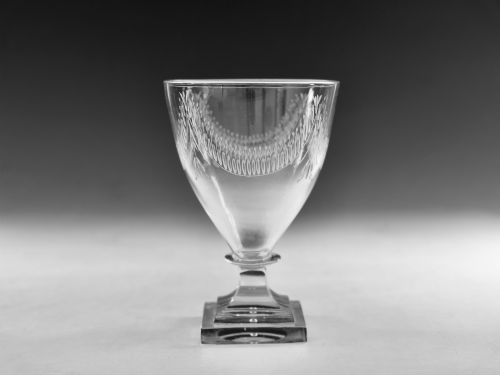
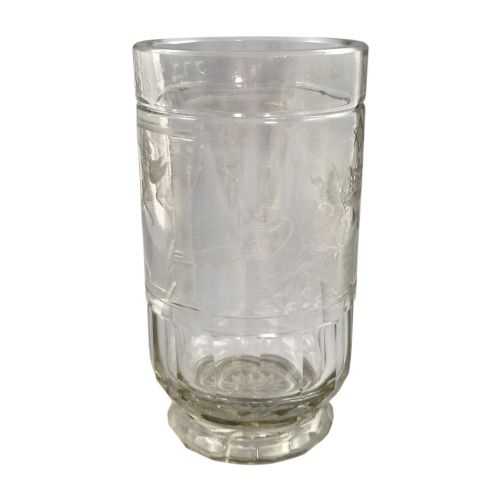
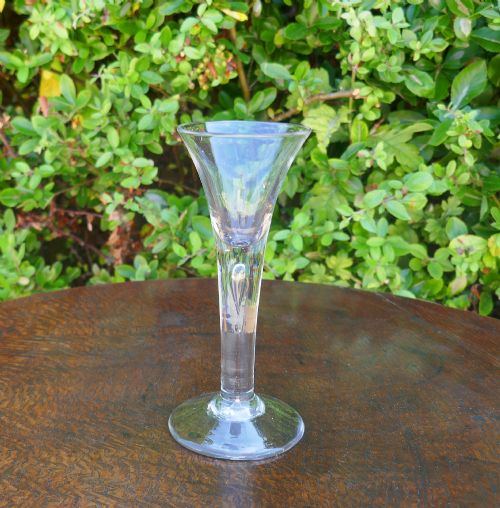
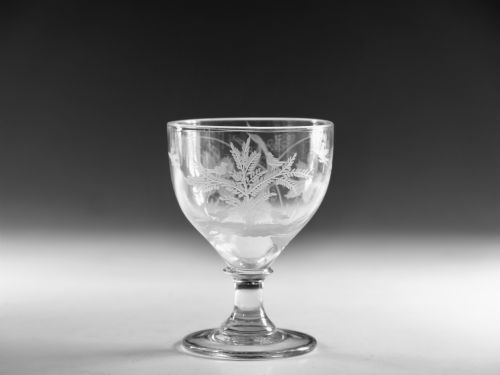
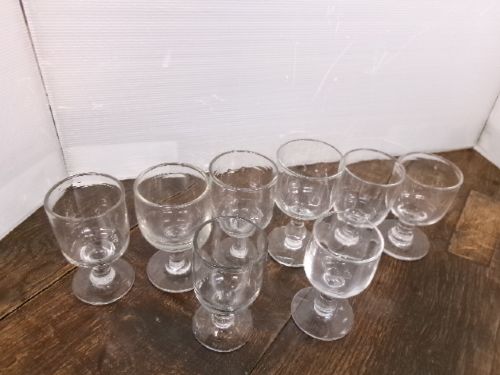
The selections available on this page include air twist wine glass goblets, engraved and nut moulded plain stem wine glasses, standard rummer glasses, and large late Georgian chunky rummers. Each piece reflects the drinking customs of its era.
The predominant origins span the eighteenth century and the broader Georgian epoch. Buyers encounter hand-blown forms that range from slender stemmed wine glasses to heavy, capacious rummer glasses.
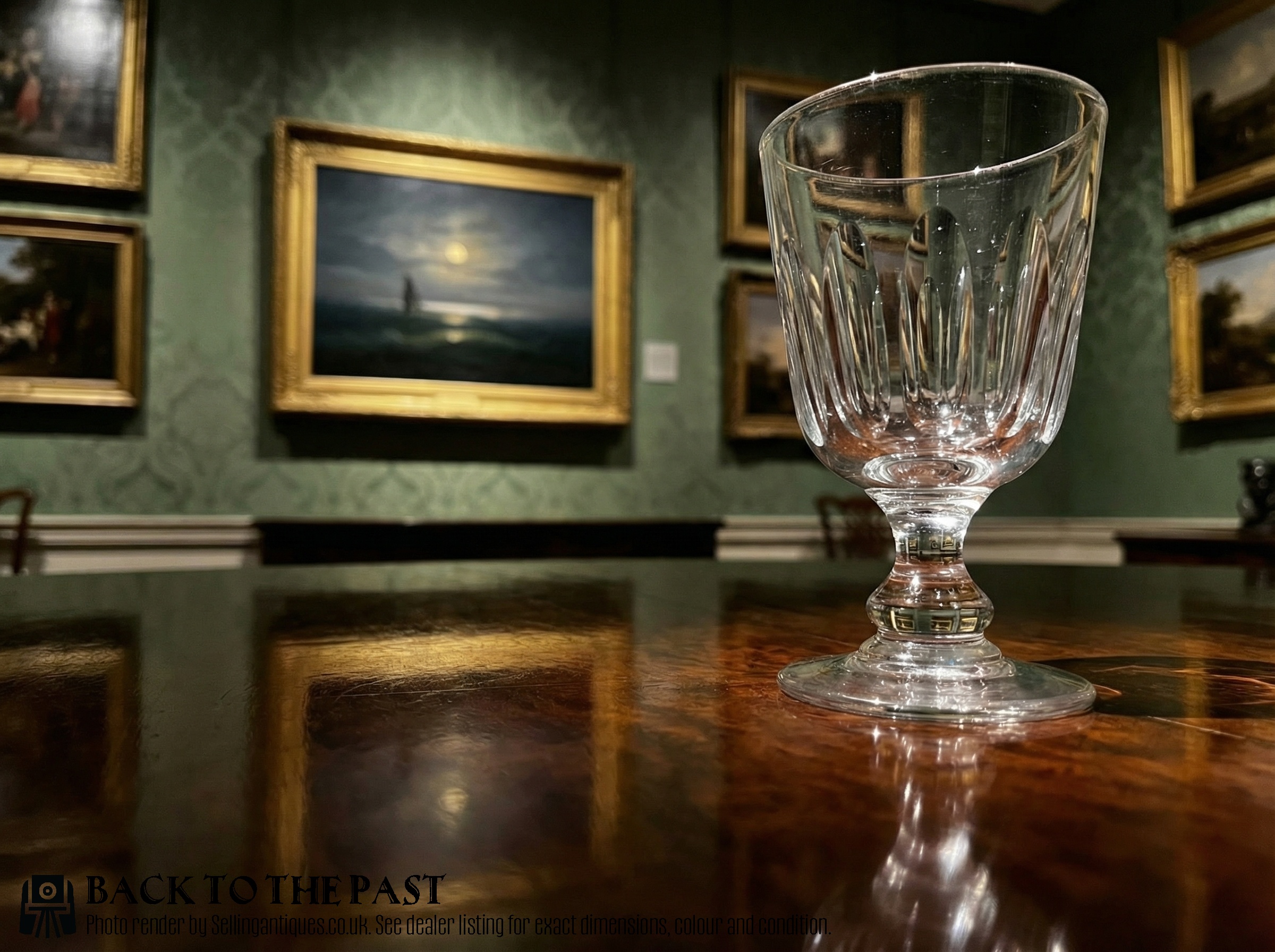
How they were made
The materials recorded in these listings comprise glass, clear glass, hand-blown glass, and lead crystal. Artisans shaped these mediums while molten using traditional glassblowing techniques.
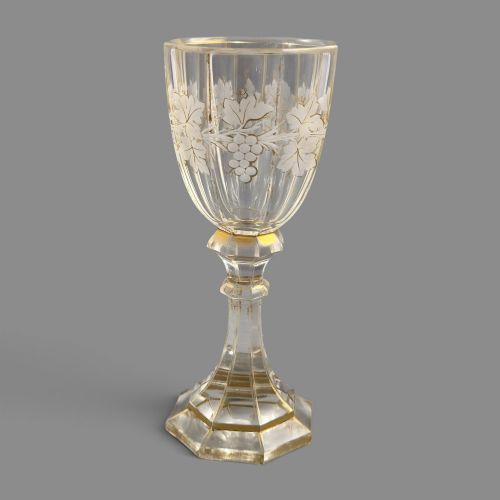
Moulding and engraving formed part of the production process, as seen in nut moulded stems and surface decoration. The resulting objects display the characteristic handling marks of eighteenth-century and Georgian workshops.
Listings feature lead crystal, clear glass, and hand-blown glass objects attributed to the Georgian period and the eighteenth century.
What varies in quality
Quality differences emerge in the complexity of internal stem formations, such as the intricacy found within air twist wine glass goblets. Simpler plain stems occupy a different tier of craftsmanship compared to specialised optical or twist effects.
The physical substance itself dictates distinction, moving from standard clear glass to dense lead crystal. Heavier forms, like large chunky rummers, demonstrate varied mastery in maintaining wall thickness and balance during blowing.
The Antique Clear Glass Goblet Glossary
- Georgian
- A period spanning the reigns of the British monarchs named George, known in these listings for specific drinking vessel forms.
- Lead crystal
- A type of glass containing lead oxide, which increases weight, clarity, and brilliance.
- Rummer
- A large, heavy drinking glass popular in the eighteenth and nineteenth centuries, typically used for ale, wine, or punch.
- Air twist
- A decorative stem formation containing spiral channels of trapped air inside the glass.
- Nut moulded
- A patterned glass surface created by blowing the molten gather into a small metal or wooden mould before drawing out the stem.
Antique Clear Glass Goblet: Frequently Asked Questions
How do I date these glasses?
Dating relies on stylistic markers such as stem construction, bowl shape, and manufacturing techniques like hand-blowing. Pieces from the eighteenth century often feature distinct traits like air twists or nut moulding.
Broader Georgian eras are identified through heavier, chunky rummer forms and specific proportions. Comparing known stylistic periods helps place an item in its historical context.
How were these glasses used?
These vessels functioned primarily for consuming alcoholic beverages such as wine, ale, and punch during meals or social gatherings. Smaller stemmed glasses suited fortified or table wines.
Larger rummer glasses accommodated heartier pours of ale or spirits. Their solid construction made them suitable for everyday dining tables and communal drinking.
How do I care for an antique goblet?
Care requires gentle hand washing in warm water with mild detergent to preserve the historic glass surface. Avoiding sudden temperature changes prevents thermal shock and cracking.
Storing them securely on stable surfaces protects vulnerable stems and rims from impact. Proper handling ensures these eighteenth-century and Georgian objects survive intact.