




Antique Chinese Vase Handles
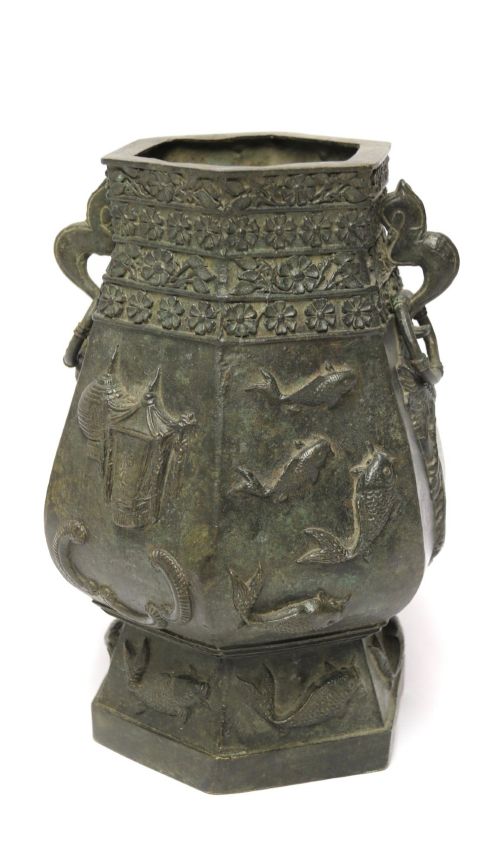
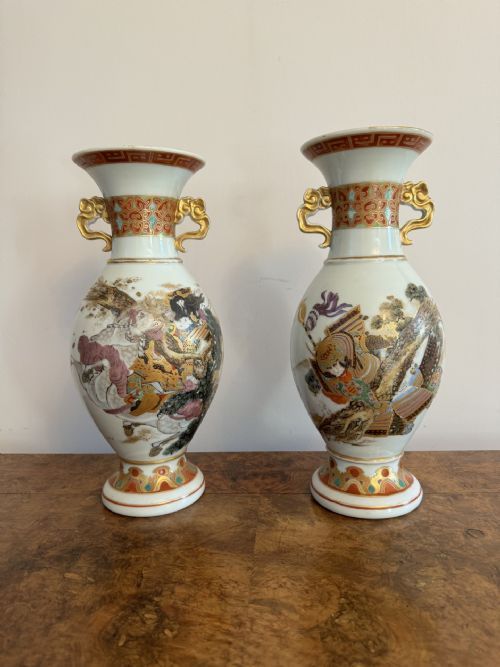
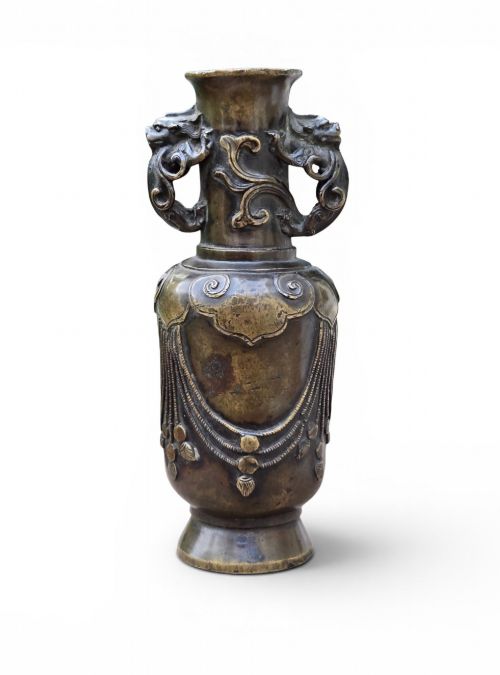
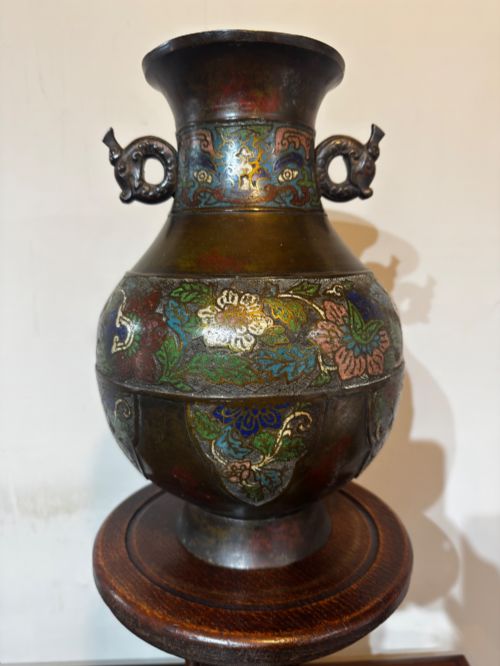
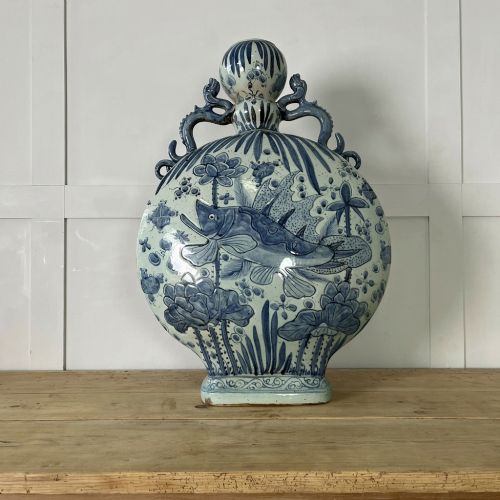
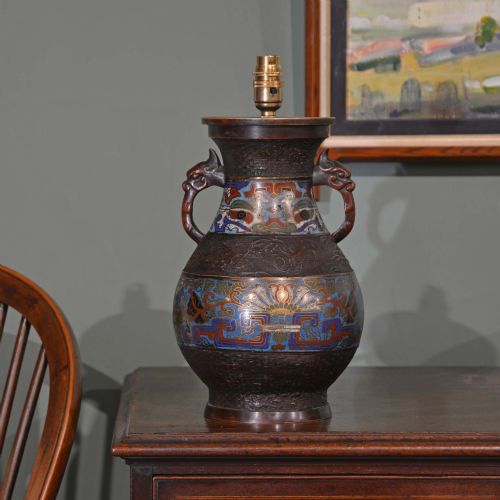
Antique chinese vase handles anchor the sides of bronze vessels, porcelain moon flasks and cloisonne lamp bases crafted during the Qing dynasty and nineteenth century.
Antique Chinese Vase Handles
When you search for antique chinese vase handles, you examine structural mounts and decorative grips attached to vessels, urns, jars and lamps. These forms originate from periods spanning the seventeenth century through to the nineteen thirties, encompassing nineteenth century examples alongside Victorian interpretations.
The objects themselves take shape as bronze vessels, porcelain moon flasks, altar vases, and champleve enamel pieces. Many utilise materials such as silver, wood, brass, gold leaf, and gilding to accentuate the main body of the vessel.
You meet a variety of styles, including Qing dynasty pieces, Chinese export works, Chinoiserie designs, and Asian antiques. Several items function as table lamps or incense burners while retaining their original form and mounts.
What varies in quality
Quality rests in the crispness of the casting on bronze handles and the precision of enamel cells in champleve work. Heavier vessels with well-balanced proportions and sharply defined details stand apart from simpler production pieces.
On porcelain items, the fineness of the hand-painted pigments and the clarity of the glaze dictate the grade of the piece. Intricate brushwork depicting figures or natural motifs shows superior workshop execution compared to mechanical application.
The listings combine nineteenth century bronze altar vessels with porcelain Canton jars and nineteenth century table lamp conversions.
Gao Hengsheng
The Antique Chinese Vase Handles Glossary
- Champleve
- Enamelling technique where troughs or cells are sunk into a metal surface and filled with vitreous enamel before firing. This method creates raised metallic outlines around coloured patterns.
- Cloisonne
- Decorative work in which enamel is applied to compartments created by soldering silver or gold wires to a metal body. The piece is then fired and polished smooth.
- Moon Flask
- Flat, circular porcelain flask with a narrow neck and small loop handles on the shoulders. It draws inspiration from ancient pilgrim bottle shapes.
- Famille Rose
- Palette of opaque overglaze enamels dominated by pink or rose colours, introduced during the Qing dynasty. It allowed for subtle tonal gradations in floral and figural scenes.
- Celadon
- Pale green glazed ceramic originating in China, prized for its jade-like appearance and subtle crackle lines. The glaze results from iron oxide reacting in a reduction kiln.
Antique Chinese Vase Handles: Frequently Asked Questions
What are antique chinese vase handles made of?
These components and their associated vessels are constructed primarily from cast bronze, brass, and porcelain. Additional materials include champleve enamel, cloisonne, silver, cherry wood, and gold leaf.
Metal components are typically cast and hand-finished, while ceramic bodies utilise traditional glazing and overglaze enamel painting techniques developed over centuries.
How do I identify a Qing dynasty vase?
Identification relies on observing specific material traits, glaze characteristics, and stylistic motifs such as famille rose enamels or archaic bronze forms. Examining the weight, base, and handling marks helps distinguish Qing production from later styles.
Many pieces bear stylistic markers consistent with nineteenth century export wares or specific imperial periods recorded in the evidence.
How were these vases used originally?
Vessels featuring these handles served as ritual objects, altar vases, incense burners, and decorative display pieces within scholar studios and elite interiors. Some items functioned as containers for flowers or aromatic materials during ceremonies.
In later periods, many of these same vessels were converted into table lamps while preserving their original handles and bodies.
How should I display a heavy bronze vase?
Heavy bronze vessels, which can weigh several kilograms, require stable, level surfaces capable of supporting substantial loads without tipping. Placing them away from high-traffic edges protects both the vessel and its protruding handles.
Wooden stands, where present, help distribute the weight evenly and protect underlying furniture surfaces from metallic abrasion.