



Antique Chinese Sideboard
An antique chinese sideboard brings provincial warmth and layered history to a room through solid elm and rich lacquered finishes.
Antique Chinese Sideboard
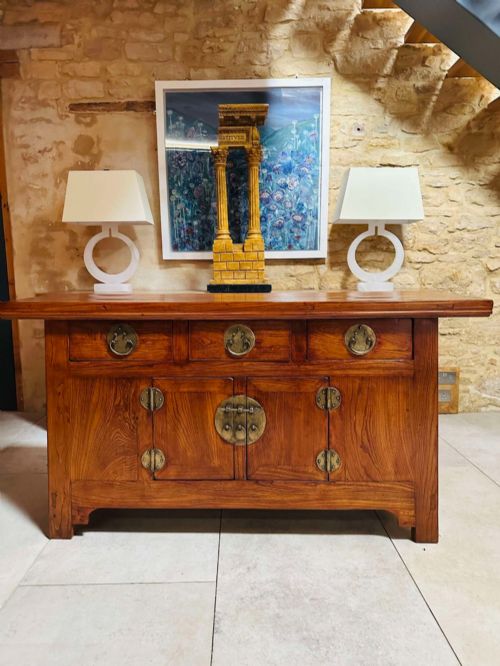
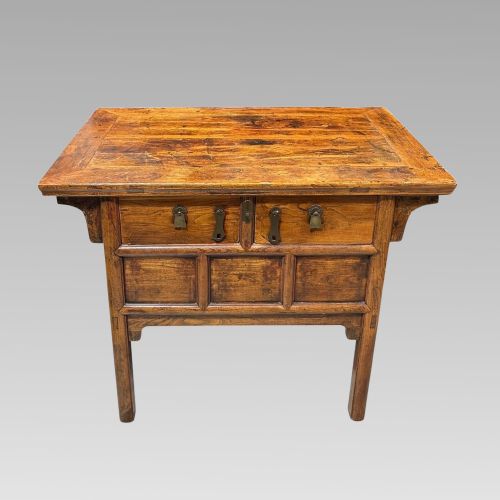
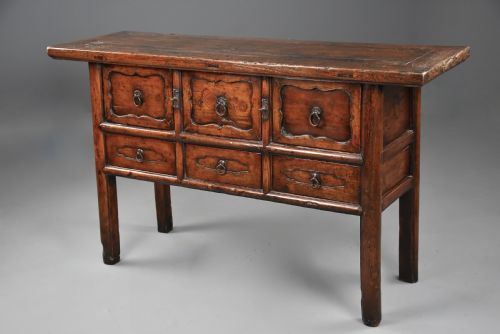
When you search for an antique chinese sideboard, you encounter pieces designed for storage and display across the nineteenth and early twentieth centuries. These forms encompass low console tables, multi-drawer dressers, and tall cabinets originating from provincial workshops.
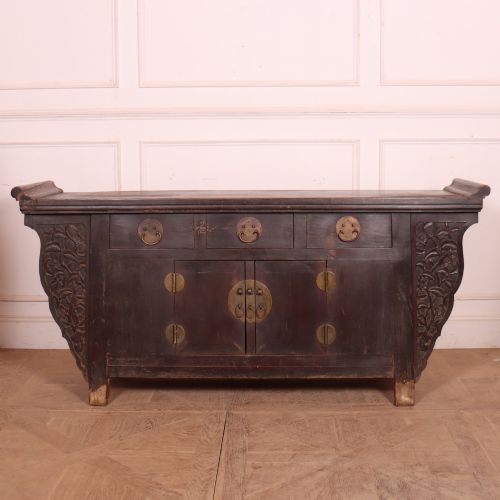
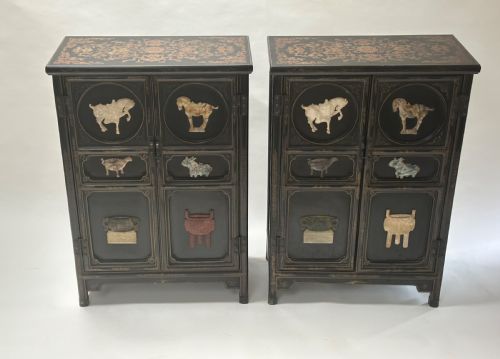
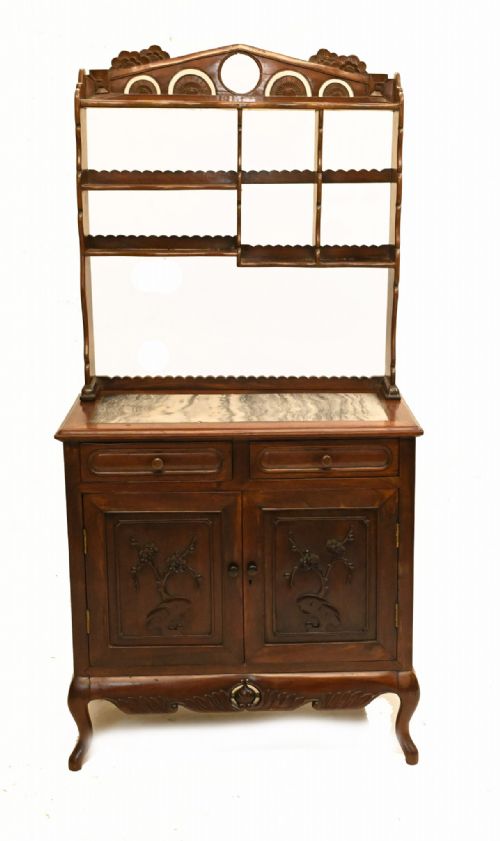
Stylistic influences range from traditional Qing Dynasty designs to Chinoiserie interpretations and export pieces. Buyers meet everything from red and black lacquered storage units to carved wooden side tables.
How they were made
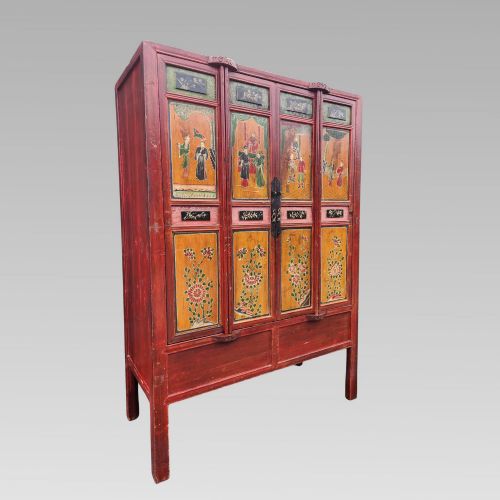
Construction relies heavily on regional timbers, with elm and denser hardwoods providing the structural framework for sideboards and storage cabinets. Cabinetmakers utilised traditional joinery methods alongside iron and brass hardware to secure doors and drawers.
Surfaces frequently feature layers of red or black lacquer, sometimes applied over carved wood or decorated with painted birds and flowers. Certain pieces incorporate inlaid details and gilded highlights upon the lacquer to define the visual depth of the panels.
Antique Chinese Sideboard Retail Price Guide 2026
Typical asking prices for chinese sideboard among the pieces listed under this phrase on Sellingantiques today, from the lower quarter to the upper quarter. They describe what is for sale here now, not the wider market.
Listings feature items built from elm, mahogany, and lacquered wood dating from the nineteenth and early twentieth centuries.
What varies in quality
Quality differentiates itself through the depth and preservation of the original lacquer, alongside the integrity of the timber's patina. Pieces retaining their original carved details and brass or iron mounts command greater interest than heavily restored examples.
The sophistication of regional joinery and the balance of proportions between the stand and the upper cabinet also separate standard items from finer works. The tactile quality of the elm grain and the crispness of any carving reveal the maker's hand.
The Antique Chinese Sideboard Glossary
- Chinoiserie
- European decorative style reflecting Chinese artistic motifs. It appears on cabinets and cupboards produced for both export and domestic markets.
- Lacquer
- Sap applied in multiple layers to seal and decorate wood surfaces. Red and black variants are common on nineteenth century storage cabinets.
- Elm
- Primary timber used for provincial Chinese furniture. It yields a distinctive grain pattern found across sideboards and dressers.
- Qing Dynasty
- Imperial dynasty spanning from the seventeenth to the early twentieth century. Many surviving sideboards date from its later decades.
- Patina
- Surface sheen developed through age and handling. A fine patina highlights the natural texture of hardwood and elm furniture.
Antique Chinese Sideboard: Frequently Asked Questions
What is an antique chinese sideboard used for?
These pieces function primarily as storage units and display surfaces within living spaces and dining rooms. CUPBOARDS and sideboards hold tableware, linens, or books while anchoring a room's decorative scheme.
Their substantial surfaces accommodate lamps, ceramics, and decorative objects. The internal drawers and lower compartments offer practical organisation behind traditional doors.
How do I date an antique chinese sideboard?
Dating relies on examining the construction methods, timber characteristics, and surface finishes such as lacquer or polish. Nineteenth century pieces typically exhibit hand-cut joinery and aged patinas.
Stylistic markers like Qing Dynasty motifs or export design influences help narrow the period. Regional variations in Shanxi and Fujian furniture provide further chronological context.
How do I care for lacquered wood furniture?
Maintain lacquered surfaces by dusting gently with a soft, dry cloth and avoiding harsh chemical cleaning agents. Direct sunlight should be avoided to prevent the lacquer from fading or cracking over time.
Keep the furniture in a stable environment with moderate humidity levels to protect the underlying timber and joinery from expanding or contracting.