


Chinese Elm Cabinet
A chinese elm cabinet brings tangible history into a room, offering practical storage through traditional forms shaped by centuries of woodworking practice.
Chinese Elm Cabinet
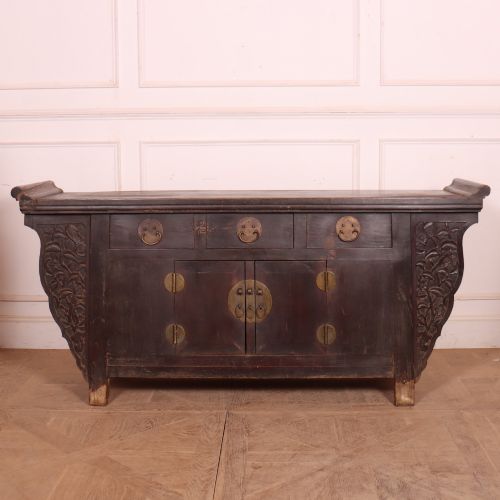
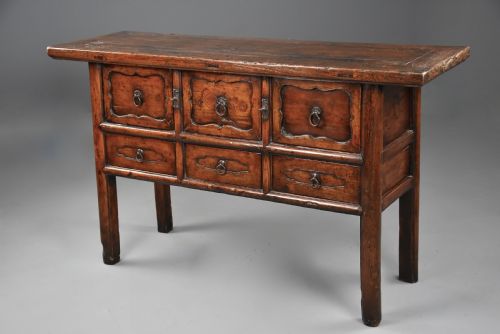
When you search for a chinese elm cabinet, you encounter versatile storage pieces that range from tall marriage armoires to low sideboards and intricate apothecary chests. These items originate predominantly from the nineteenth and early twentieth centuries, reflecting traditional regional domestic storage needs.
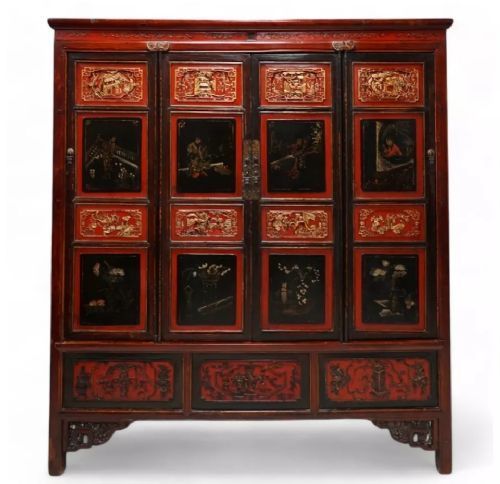
The version you are most likely to meet on this page is a nineteenth-century sideboard or a red lacquer marriage cabinet originating from provinces such as Shanxi. Such pieces combine structural utility with distinctive regional aesthetics developed under Qing Dynasty and Republican influences.
Smaller variants also appear, including table-top chests, side tables, and noodle cabinets that demonstrate the broader application of elm wood across diverse furniture forms. Each object tells a story of domestic life, utilsing native timber to create functional storage solutions.
How they were made
Construction relies primarily on solid elm, occasionally found in burr varieties or locust wood, paired with contrasting hardware forged from brass and iron. These materials provide the inherent strength required for heavy-duty domestic storage and frequent daily use.
Surface treatments frequently involve red lacquer coatings applied over the timber base, imparting a durable sheen alongside the natural patina developed over decades. Master joiners employed traditional framing and panel techniques that allowed the timber to move naturally with seasonal humidity changes.
Shanxi Province produced cabinets sturdy enough to outlive several generations of family disputes over tea.
What varies in quality
The calibre of a piece is defined by the depth of its patina and the integrity of its original timber grain. Superior examples retain their early or original lacquer surfaces without heavy modern intervention.
Hardware selection also distinguishes the range, as hand-forged brass and iron mounts that remain intact contribute significantly to the overall authenticity. The precision of the joinery and the balance of proportions mark the difference between standard provincial utility and finer workshop output.
The Chinese Elm Cabinet Glossary
- Elm
- A durable hardwood native to regions of China, utilised extensively for traditional cabinetry due to its fibrous grain and strength. It takes lacquer finishes particularly well.
- Marriage cabinet
- A large two-door storage armoire traditionally given as a wedding gift to hold clothing and valuables. They often feature striking red lacquer and brass hardware.
- Apothecary chest
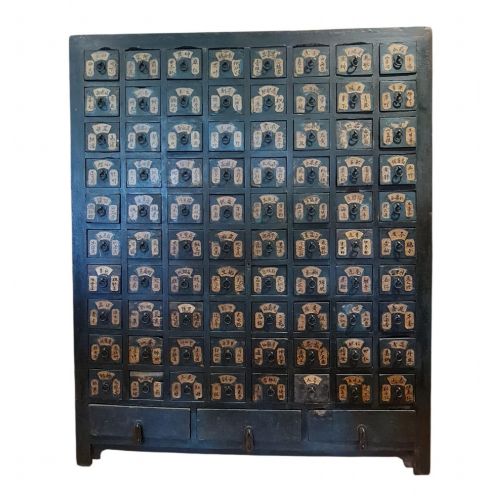
- A multi-drawer cabinet historically used by herbalists and traditional doctors to organise medicinal ingredients. These pieces command attention through their dense arrangement of small drawers.
- Patina
- The surface sheen and tactile quality developed by wood and lacquer over extended periods of handling and age. It serves as a visual indicator of history.
- Qing Dynasty
- The final imperial dynasty of China, spanning from the seventeenth to the early twentieth century. Many provincial domestic furnishings date from its later decades.
Chinese Elm Cabinet: Frequently Asked Questions
What is a chinese elm cabinet used for today?
These cabinets serve as practical storage furniture in modern interiors, functioning as sideboards, media consoles, or linen cupboards. Their internal shelving and drawer space accommodate contemporary domestic items while adding distinct character to a room.
The varied forms allow them to fit into hallways, living spaces, and dining rooms alike. They bridge the gap between decorative art and everyday utility.
How do I identify a marriage cabinet?
Marriage cabinets are typically tall, two-door storage pieces often finished in striking red lacquer with prominent circular brass lock plates. They were traditionally commissioned as part of a bride's dowry.
Inside, you usually find removable shelving and hidden compartments designed for valuables. Their scale makes them a primary focal point in a bedroom or reception room.
Are apothecary chests rare?
Apothecary chests feature numerous small drawers and occasionally see high demand due to their intricate facades and unusual layouts. They were built for herbalists to store vast arrays of medicinal ingredients.
Finding one with a substantial number of intact drawers highlights the specialised nature of these items. They offer exceptional surface organisation compared to standard cupboards.
How should I care for elm furniture?
Maintain elm furniture by keeping it away from direct heat sources and sudden humidity fluctuations to protect the solid timber and lacquer. Regular dusting with a soft cloth preserves the natural patina without stripping the surface.
Avoid chemical polishes that can degrade historical finishes. Gentle care ensures the wood continues to age gracefully in a modern home.