
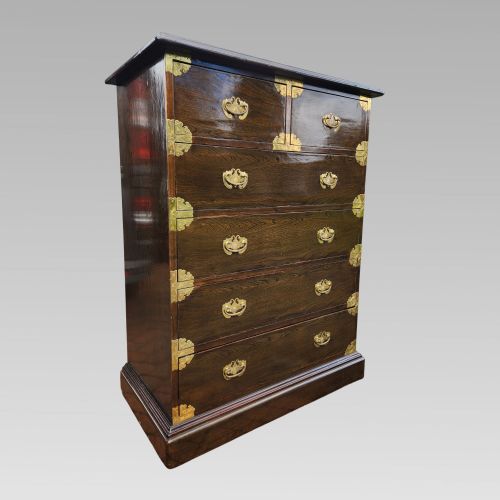


Elm Wood Storage Cabinet
An elm wood storage cabinet brings incredible grain and warmth to a room, offering practical storage disguised as genuine antique character.
Elm Wood Storage Cabinet
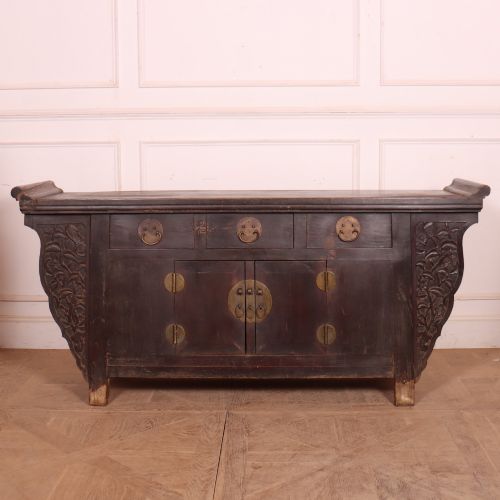
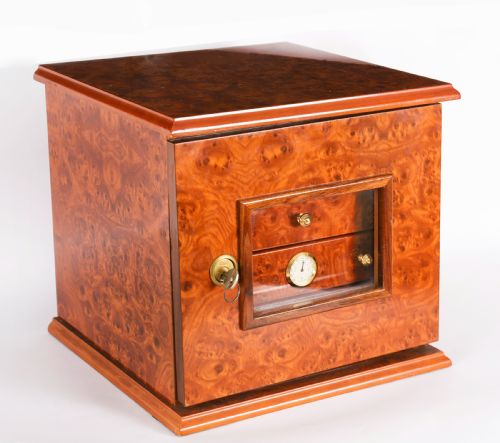
Most pieces you meet on this page hail from the nineteenth and eighteenth centuries, with notable twentieth-century examples like Korean Bandaji chests and cigar humidors. These furnishings range from large floor-standing cupboards to small table-top chests, each designed for utilitarian storage.
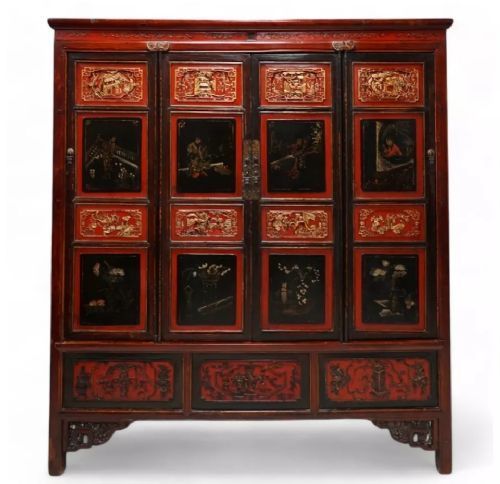
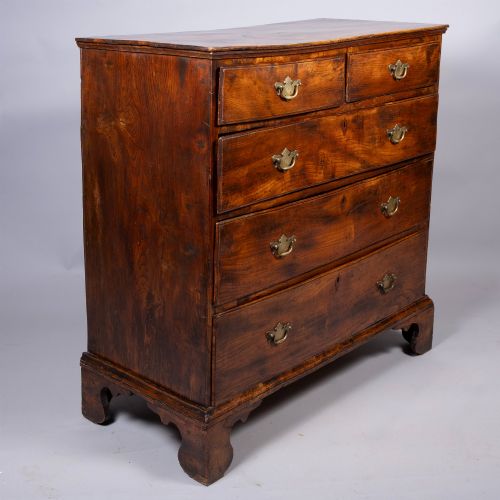
Regional styles dictate the silhouette, shifting from the clean lines of Chinese provincial furniture to the classical proportions of Georgian and French Provincial design. Elm wood anchors them all, prized locally for its toughness and striking figure.
Materials and construction methods
Cabinet makers relied primarily on solid elm and burr elm, frequently pairing them with oak, walnut, or lacquer finishes. Burr elm provided dramatic, swirling grain patterns specifically chosen for prominent door panels and drawer fronts.
Hardware played an essential functional and decorative role, incorporating forged iron and polished brass for hinges, lock plates, and corner mounts. Traditional joinery allowed the dense timber to expand and contract with seasonal humidity changes without splitting.
Listings combine 18th-century European commodes with 19th-century Chinese sideboards, uniting diverse global woodworking traditions through elm timber.
Factors determining quality
The choice of timber creates the primary distinction in quality, particularly where highly figured burr elm or select red lacquer adorns the exterior. Superior pieces display thoughtful book-matching of the grain across doors and drawer fronts, enhancing the natural visual rhythm of the wood.
Original hardware and structural integrity separate fine examples from heavily altered pieces. Retaining authentic brass or iron mounts and traditional internal shelving preserves the historical integrity of the cabinet.
The Elm Wood Storage Cabinet Glossary
- Burr elm
- An excrescence on an elm tree where the grain has grown in a deformed manner, yielding highly decorative swirling patterns when sliced into veneer. Cabinet makers used it on premium surfaces.
- Cellarette
- A lockable cabinet or box designed to hold bottles of wine or spirits, often lined with lead or compartmentalised internally. Regency examples frequently utilised burr elm.
- Bandaji
- A traditional Korean storage chest featuring prominent metal strapwork and hinges across the front face. These pieces were traditionally used for storing bedding and clothing.
- Marriage cabinet
- A large two-door cupboard historically presented to a bride in China as part of her dowry. They typically feature elaborate brass or iron circular faceplates.
- Noodle cabinet
- A tall, open-slatted or panelled Chinese storage cupboard historically utilised in kitchens or tea houses. They offer deep internal shelving enclosed by removable doors.
Elm Wood Storage Cabinet: Frequently Asked Questions
What is a marriage cabinet?
A marriage cabinet is a large traditional Chinese cupboard historically given to a bride as part of her dowry for storing household linens and garments.
These pieces usually feature two doors opening to reveal internal shelving and hidden compartments below.
How do I care for elm furniture?
Elm furniture requires stable indoor humidity levels and protection from direct sunlight to prevent the timber from drying out or warping.
Apply a gentle beeswax periodically to nourish the wood and maintain a soft natural sheen on the surface.
Are these cabinets purely decorative?
These cabinets were built entirely for practical household storage, whether holding garments, books, or provisions.
Today they function equally well in modern interiors for stashing tableware, media equipment, or general clutter out of sight.
What distinguishes burr elm?
Burr elm comes from a growth on the tree that produces dense, swirling, and knotted grain patterns rather than straight lines.
Cabinet makers valued this timber for high-status drawer fronts and table tops because of its striking visual depth.
How do I date an elm cabinet?
Dating relies on examining construction techniques, joinery style, timber preparation, and the design characteristics typical of specific periods like the Qing Dynasty or Georgian era.
Original hardware and wear patterns also provide reliable clues to a piece's true age.