
Antique Chinese Metalwork
Antique chinese metalwork brings lasting presence to a room through centuries of skilled foundry practice and patination.
What antique chinese metalwork is
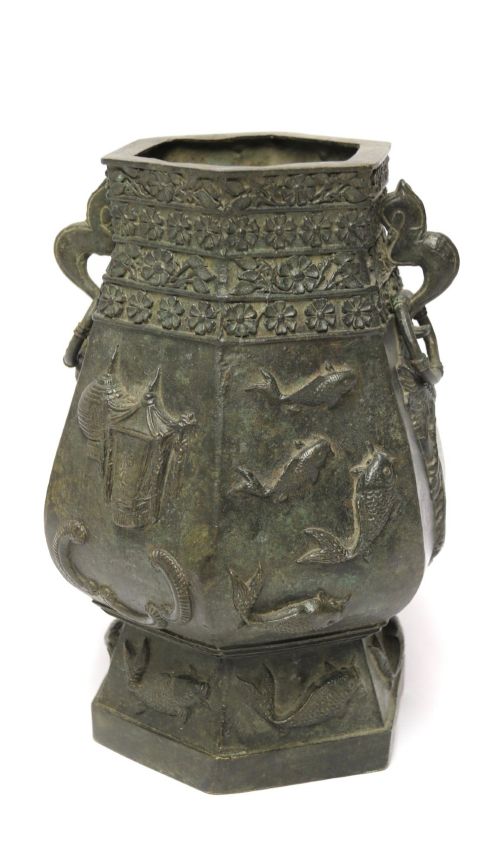
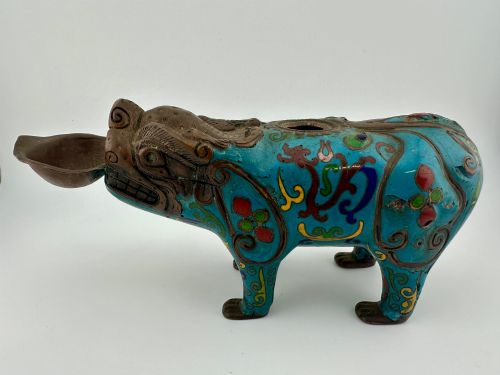
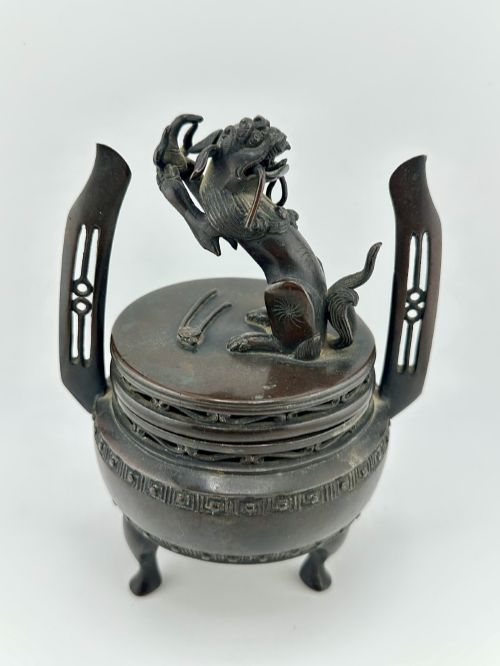
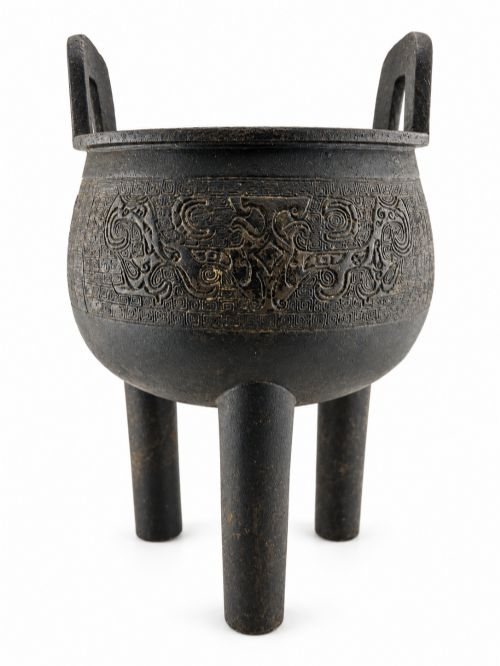
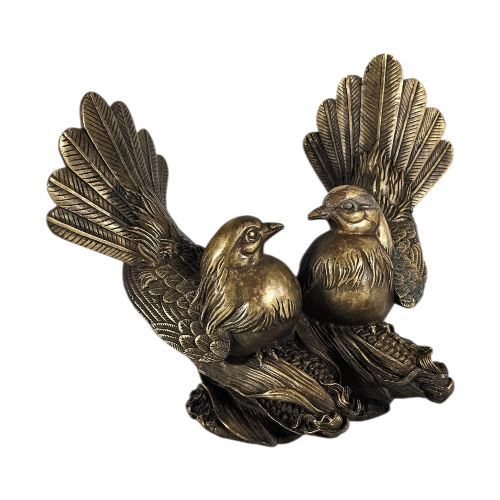
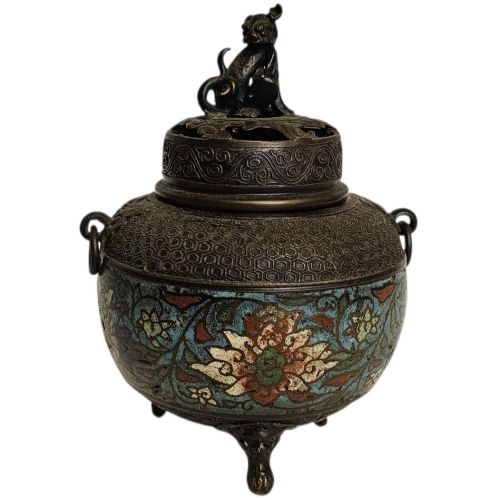
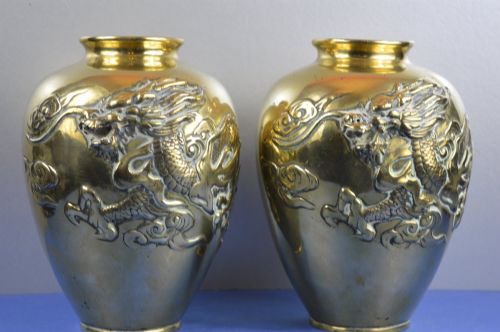
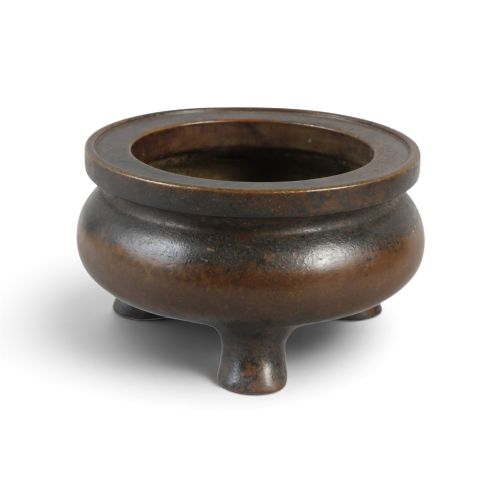
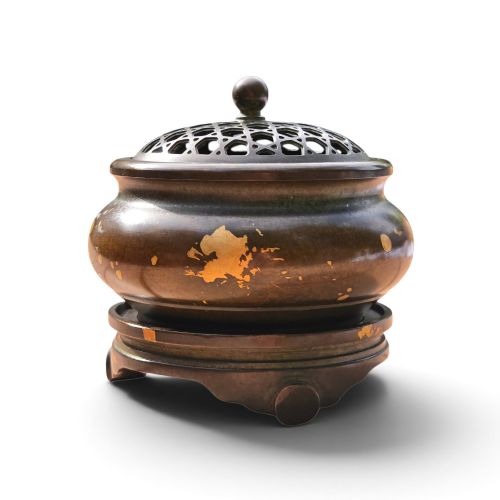
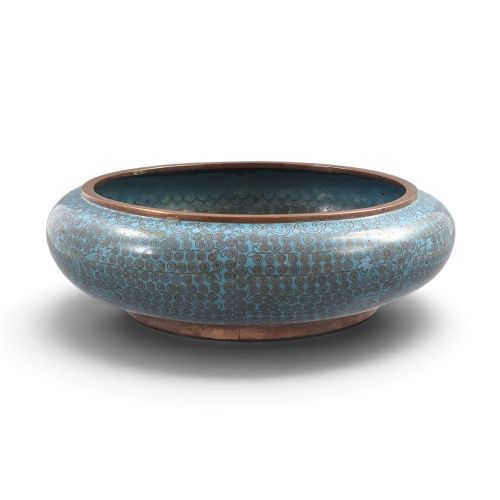
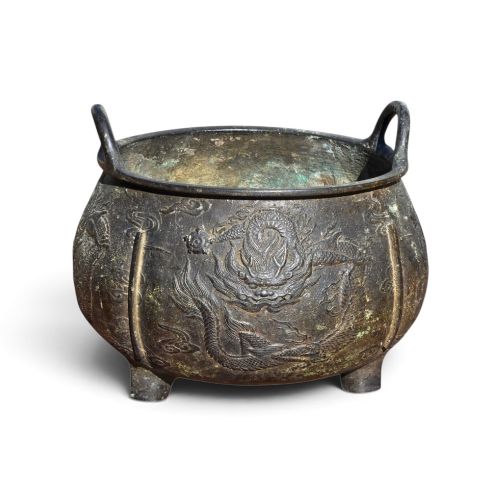
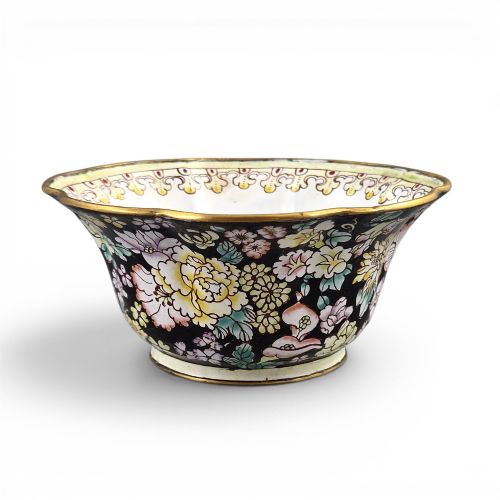
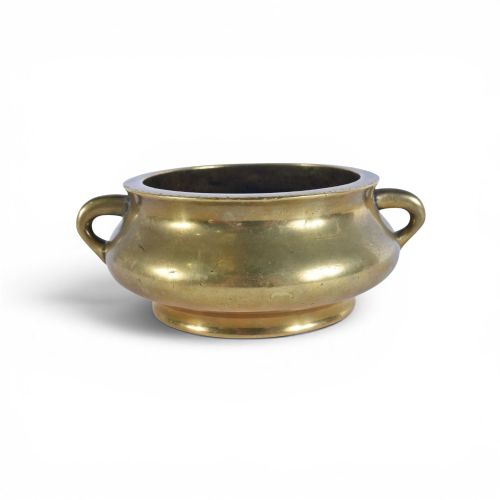
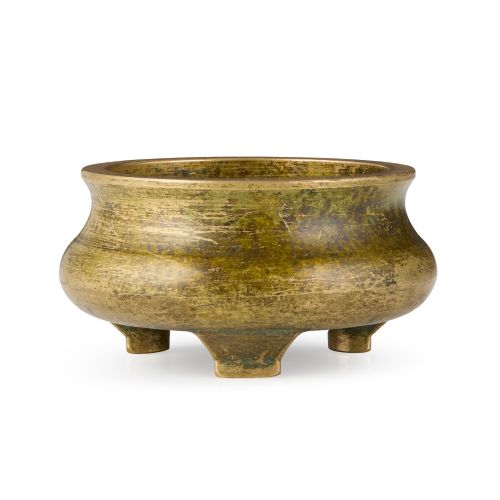
These pieces encompass bronze and brass vessels, figures, and scholar's objects originating from the eighteenth and nineteenth centuries, including the Qing dynasty and late Qing periods. Buyers seeking antique chinese metalwork will encounter functional items such as tripod censers, lidded incense burners, and gu vases, alongside sculptural pairings like pigeon doves and foo dogs.
Vessels dominate the selection, particularly heavy bronze censers bearing historical marks and sculptural items created for scholar's desks. The most frequently met examples on this page are lidded incense burners and bronze censers dating from the eighteenth and nineteenth centuries.
How they were made
Foundries utilised bronze and brass, sometimes applying gold gilding or gold-splashed surface treatments to enhance the metal body. Objects were cast in forms such as tripod vessels and gu vases, requiring precise metallurgical skill during the Qing dynasty and subsequent periods.
Makers incorporated cast marks, such as Xuande and Wu Bangzuo marks, directly into the metalwork during production. Weight and substance characterise these pieces, with large examples reaching several kilograms and measuring significant heights.
Retail Price Guide 2026
Typical UK retail prices for chinese metalwork, calculated from the Sellingantiques database of over a million retail prices indexed since 2003. This retail price guide relies exclusively on Sellingantiques data; no external sources or auction records are used, so the figures do not describe the wider market.
Object forms present on this site include incense burners, censers, gu vases, sculptures, and matching pigeon dove pairs.
What varies in quality
The distinction between standard examples and superior pieces rests on the weight of the metal and the crispness of the casting. Heavier bronze objects, such as large tripod censers with substantial heft, demonstrate greater material investment and foundry confidence.
Surface finish and decorative application separate the tiers, with gold-splashed treatments and fine patination elevating specific scholar's desk items. The presence of clear period marks and integrated stands adds distinction to the better pieces.
The Antique Chinese Metalwork Glossary
- Bronze
- An alloy primarily of copper and tin used extensively for Chinese ritual vessels, censers, and sculptures. It provides the heavy substance and durable structure seen in eighteenth and nineteenth-century pieces.
- Censer
- A vessel designed for burning incense, frequently featuring a cover and tripod feet in antique metalwork. These items were central to scholar's desks and ritual spaces.
- Gu Vase
- An ancient beaker-form vessel shape revived in later dynasties with a flared top and splayed base. Examples appear in bronze among Qing dynasty metalwork.
- Foo Dog
- A mythical guardian lion depicted in pairs guarding doorways or serving as sculptural ornaments. They frequently appear as incense burners or decorative figures in bronze.
- Qing Dynasty
- The final imperial dynasty of China, spanning from the seventeenth to the early twentieth century. Most pieces on this page originate from the eighteenth and nineteenth centuries of this era.
Frequently Asked Questions
What are antique chinese bronze censers?
These vessels were created for burning incense in domestic or ritual settings during the Qing dynasty. They often feature tripod legs and removable covers.
Heavier examples served scholar's desks as both functional items and objects of contemplation.
How do you date antique chinese metalwork?
Dating relies on stylistic markers, casting techniques, and historical period indicators like the Qing dynasty. Marks referencing earlier reigns, such as Xuande, often appear as commemorative foundry traditions rather than direct proof of origin.
Materials like bronze and brass paired with specific forms help narrow the century of production.
Where should I place a bronze censer?
These heavy metal objects suit stable surfaces such as sideboards, desks, or mantelpieces where their weight provides security. Their dark patinated bronze or gold-splashed surfaces complement natural wood and neutral interiors.
Keep them away from direct moisture to preserve the metal finish.