
Antique Chinese Lacquered Furniture
Antique chinese lacquered furniture brings rich red and black surfaces, gold leaf decoration and traditional cabinet forms into a room.
Antique Chinese Lacquered Furniture
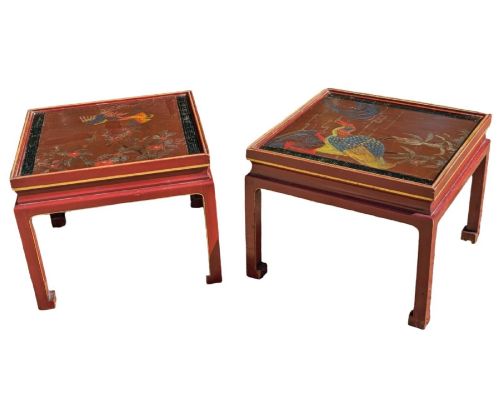
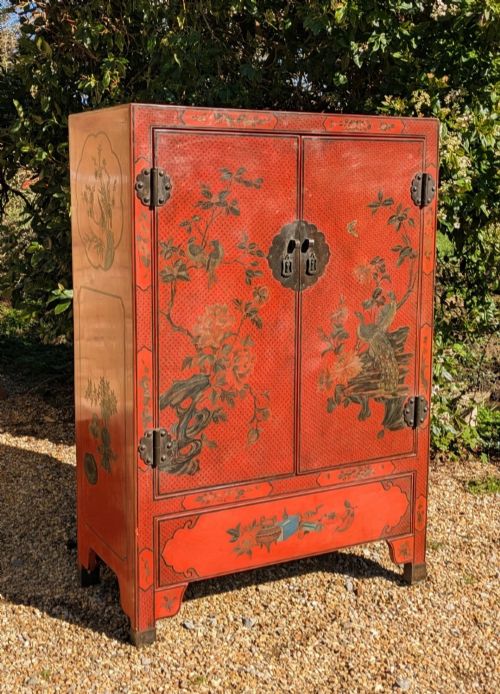
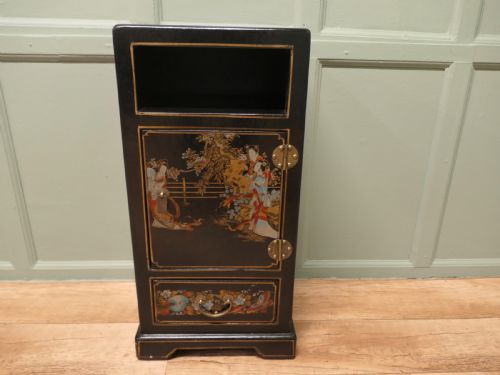
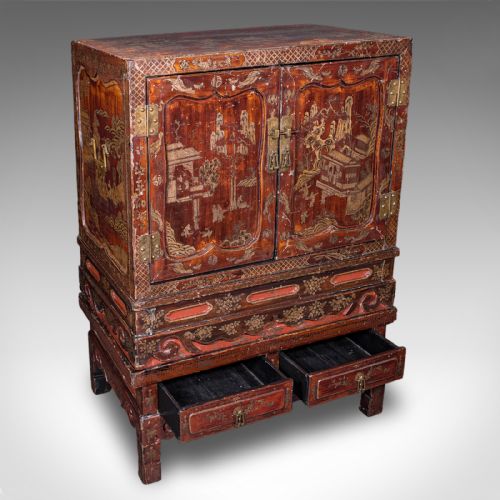
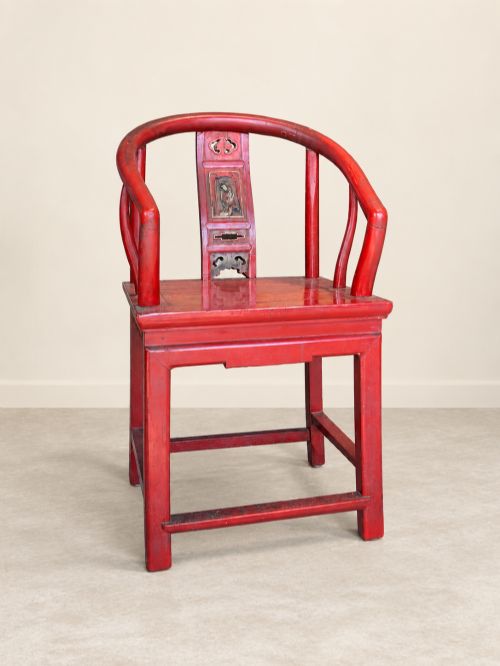
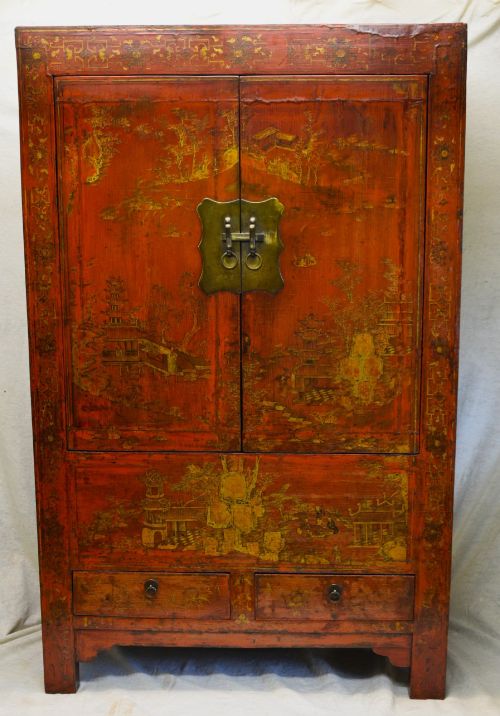
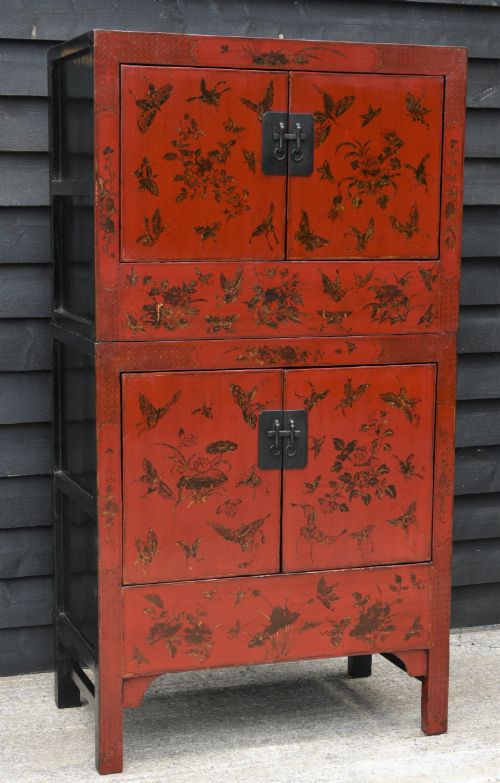
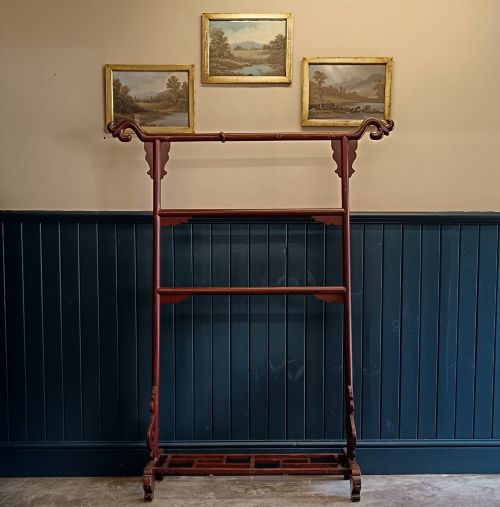
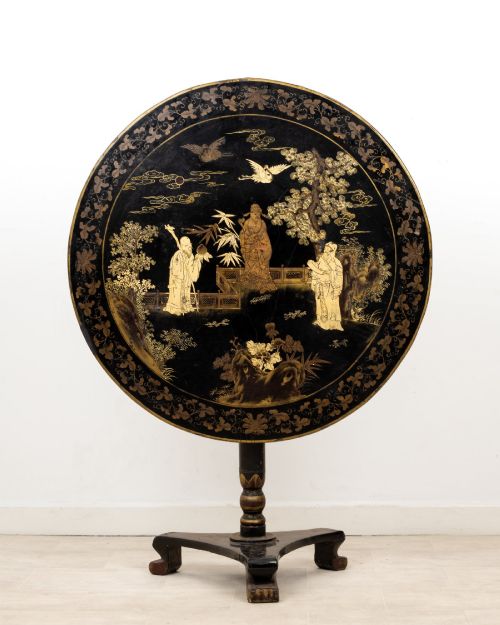
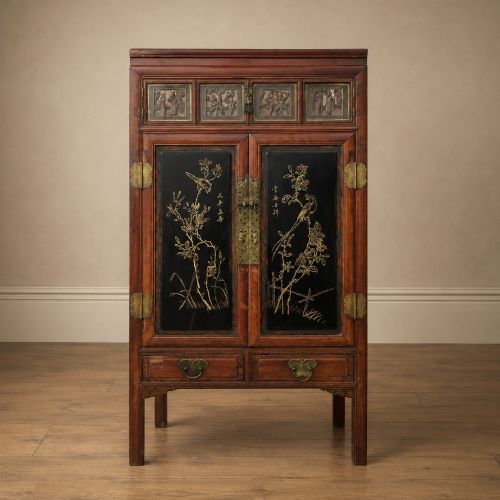
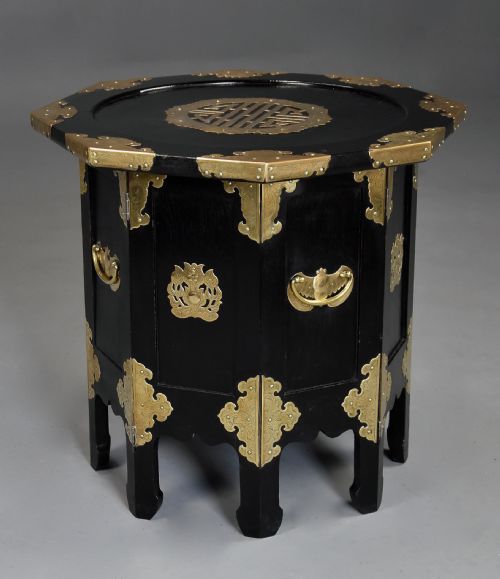
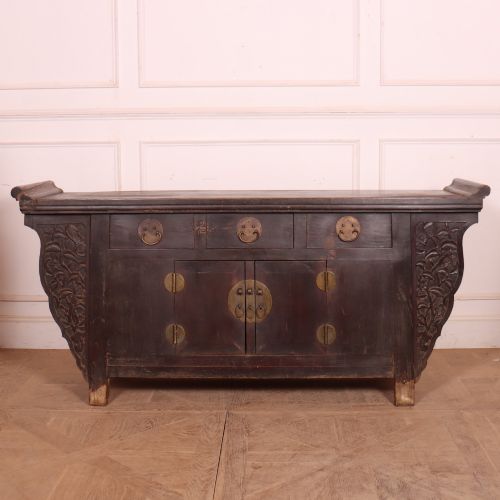
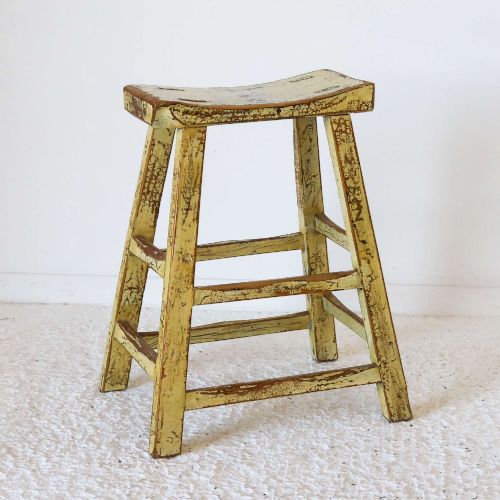
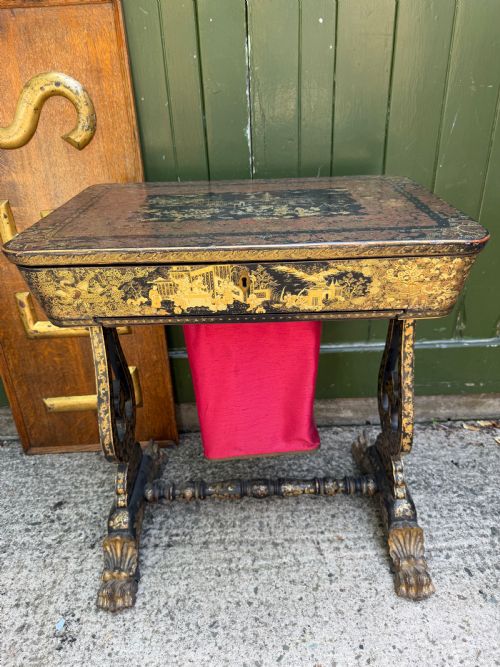
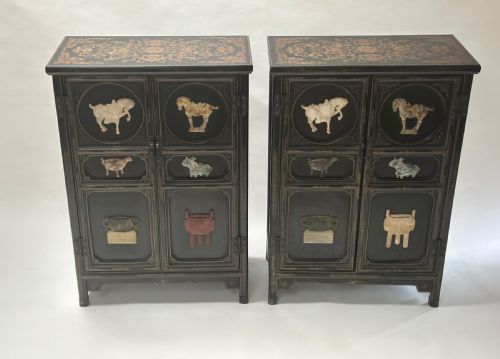
When buyers search for antique chinese lacquered furniture, they encounter a range of functional wooden forms originating from the eighteenth, nineteenth and early twentieth centuries. The selection spans distinct pieces such as wedding cabinets, side cabinets, occasional tables, armchairs, benches and plant stands.
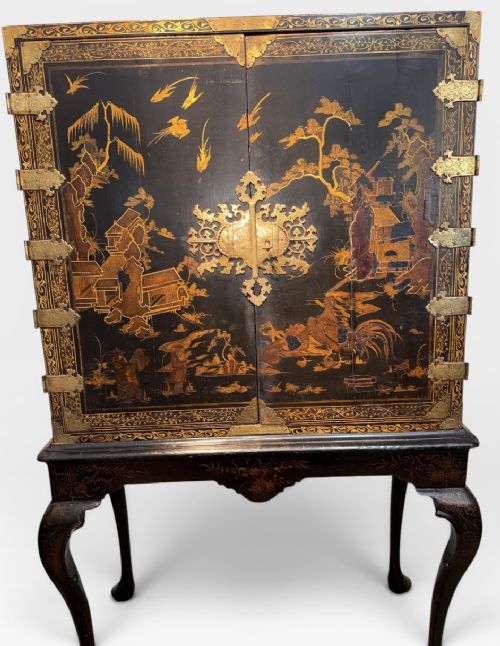
The versions most frequently met on this page include nineteenth-century red and black lacquer wedding cabinets, side tables, and occasional tables reflecting Qing Dynasty and Chinese export traditions. Alongside these, British Victorian and Edwardian pieces influenced by Chinoiserie taste appear frequently.
The forms serve practical purposes in modern interiors, functioning as storage cupboards, coffee tables, benches and side tables while displaying traditional Chinese craftsmanship and surface decoration.
What Varies in Quality
The standard of antique chinese lacquered furniture depends upon the preservation of the original surface finish and the crispness of the carved or gilded details. Pieces retaining their early layers of red or black lacquer with clear, hand-painted motifs demonstrate higher workshop skill than later or heavily restored surfaces.
Structural integrity of the underlying elm or hardwood, combined with the quality of traditional joinery and original brass or iron hardware, separates standard domestic items from finer export and temple pieces.
Materials recorded across the selection include elm, hardwood, brass, iron, gold leaf and traditional lacquer.
The Antique Chinese Lacquered Furniture Glossary
- Lacquer
- A durable resin finish applied in multiple coats to wooden furniture surfaces. It provides a smooth, protective coating that accepts pigments and metallic decoration.
- Chinoiserie
- European decorative style reflecting Chinese artistic motifs and techniques. It appears on British Victorian and Edwardian furniture made to imitate oriental imports.
- Cinnabar
- A red mineral pigment traditionally used to colour lacquer mixtures. It yields a distinctive deep red shade seen on carved panels and cabinets.
- Qing Dynasty
- The final imperial dynasty of China, spanning the seventeenth to the early twentieth century. Many traditional cabinets and tables originate from this period.
- Chinese Export
- Goods produced in China specifically for western markets. These items often combine traditional local techniques with forms suited to European interiors.
Antique Chinese Lacquered Furniture: Frequently Asked Questions
What is a wedding cabinet?
A wedding cabinet is a large traditional storage piece traditionally given to a bride as part of her dowry in China. These tall cupboards feature double doors, internal shelving, and distinct brass hardware.
Today, they serve as substantial wardrobes or linen cupboards in domestic bedrooms and living spaces.
How do I care for lacquered wood?
Lacquered surfaces require gentle maintenance to preserve the original finish and prevent the resin from drying out. Dusting with a soft, dry cloth avoids scratching the delicate painted or gilded layers.
Keep these pieces away from direct sunlight and radiators to protect the timber and lacquer from cracking.
Are these pieces made of solid wood?
Traditional items rely on solid timber foundations such as elm and native hardwoods to construct the frames, panels and legs. This dense wood provides the necessary stability for heavy lacquer coatings.
Joinery methods typically employ traditional interlocking joints rather than modern metal fasteners.
What is the difference between red and black lacquer?
Red lacquer usually incorporates cinnabar pigment to achieve its warm tone, often associated with celebratory items like wedding furniture and temple drums. Black lacquer provides a dark, reflective ground that highlights gold leaf gilding and painted motifs.
Both finishes were built up in successive layers over a wooden base.