

Antique China Display Case
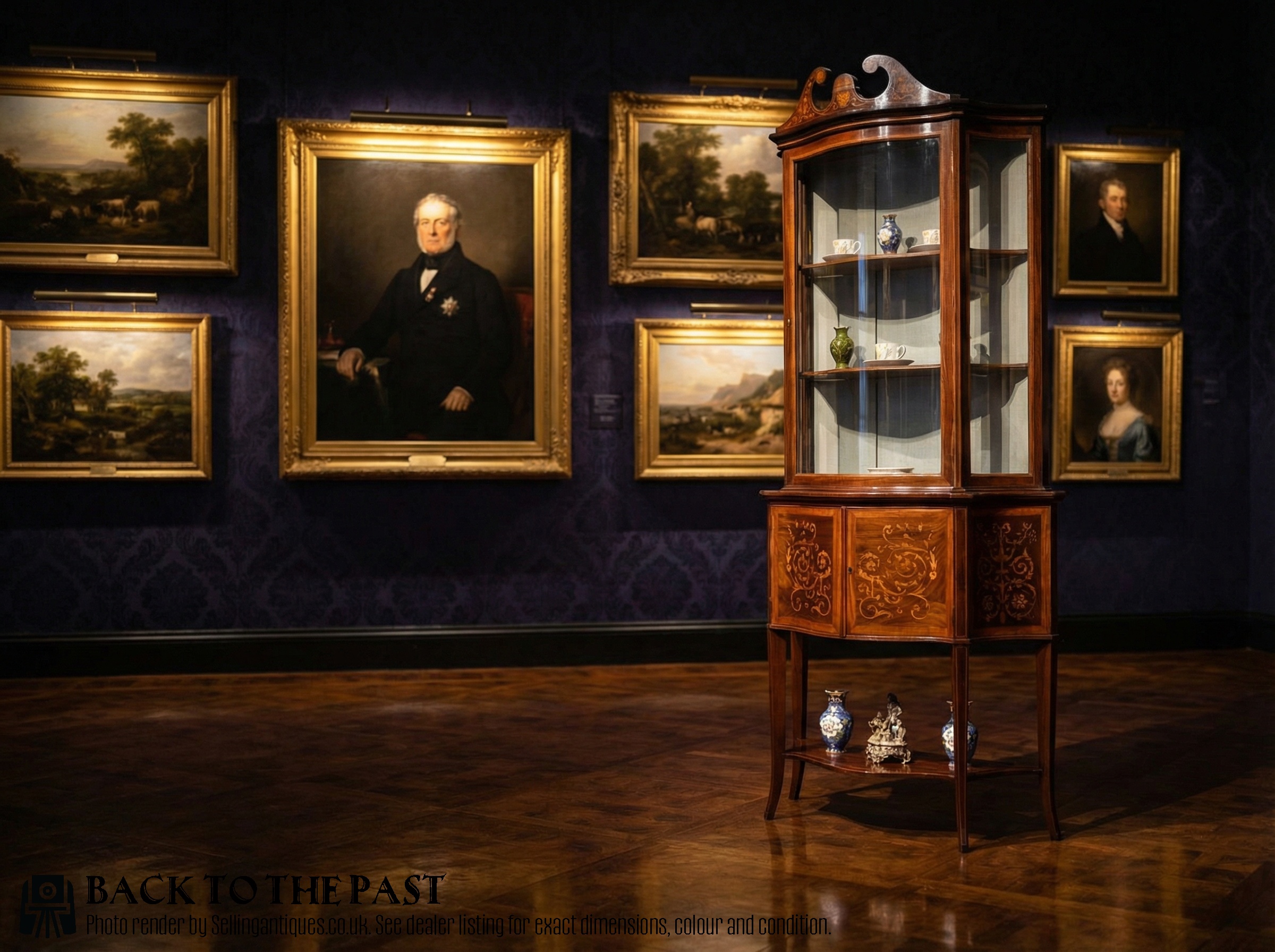
An antique china display case brings polished timber and glazed timber framing together to hold precious porcelain where it catches the light.
Antique China Display Case
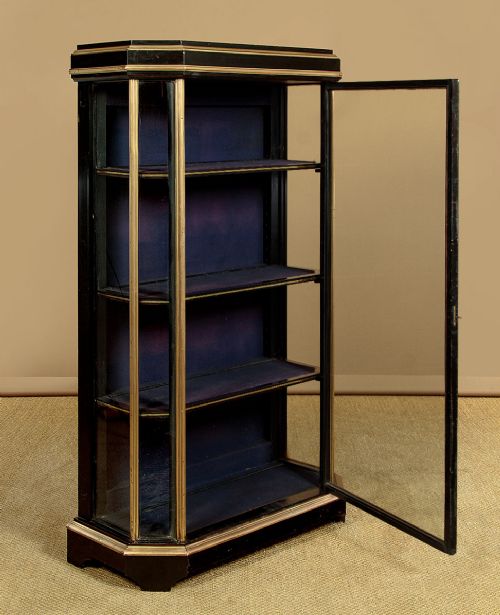
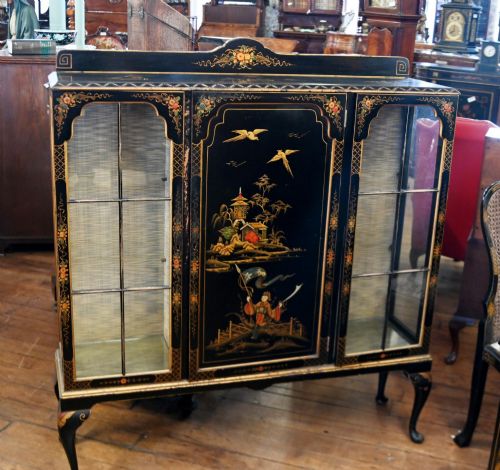
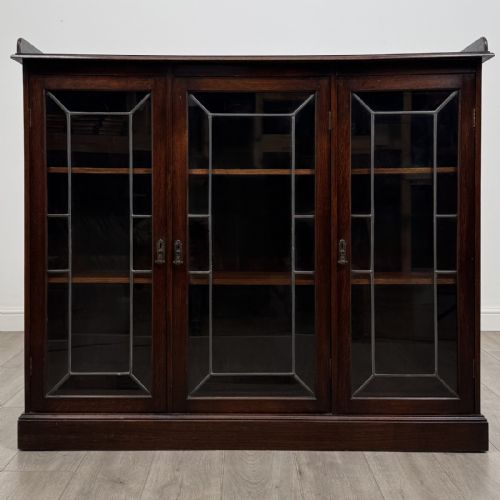
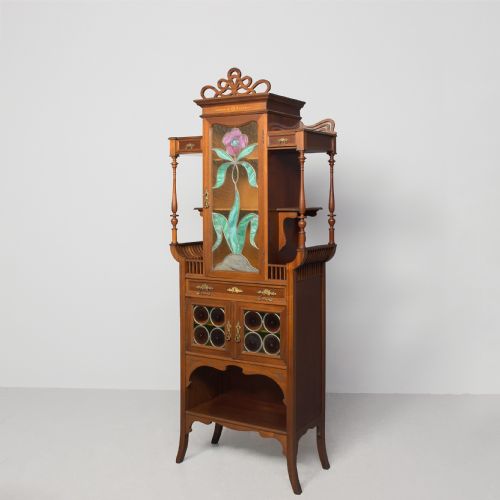
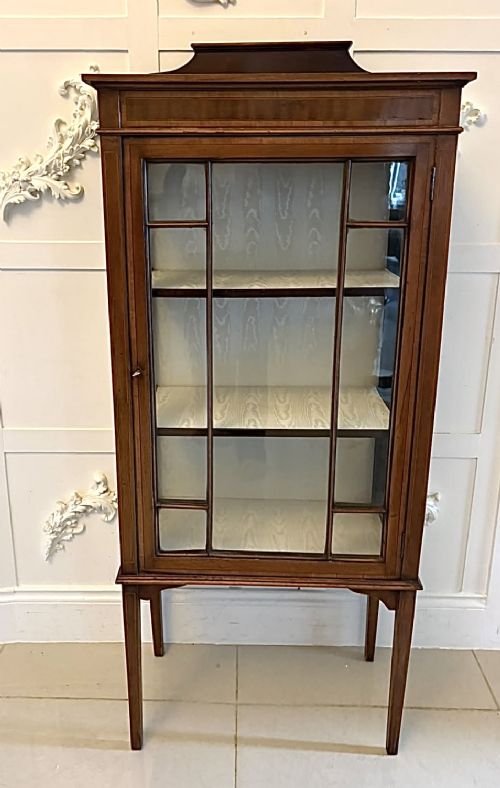
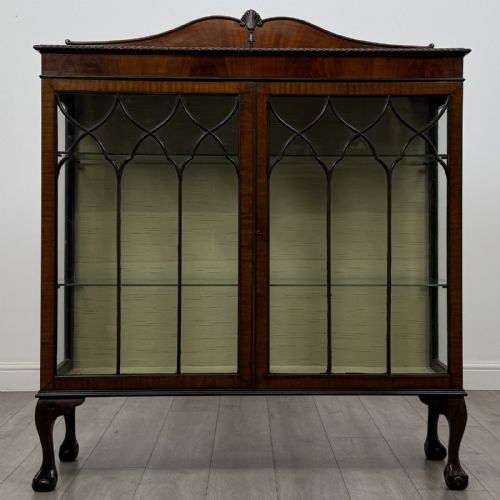
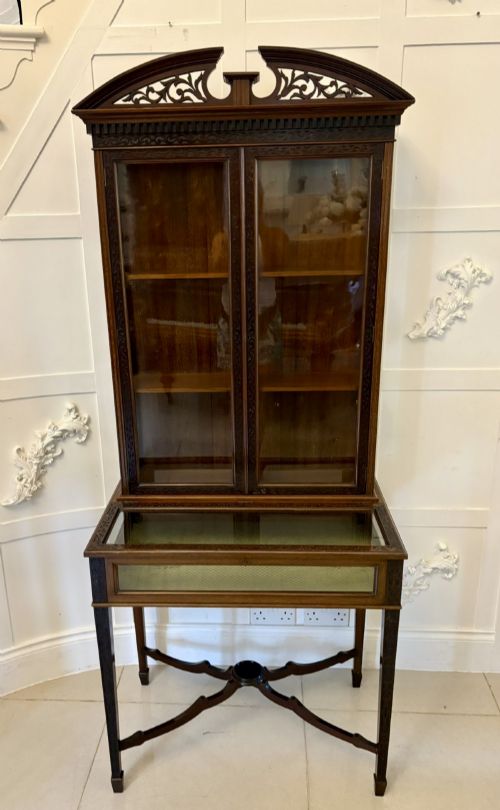
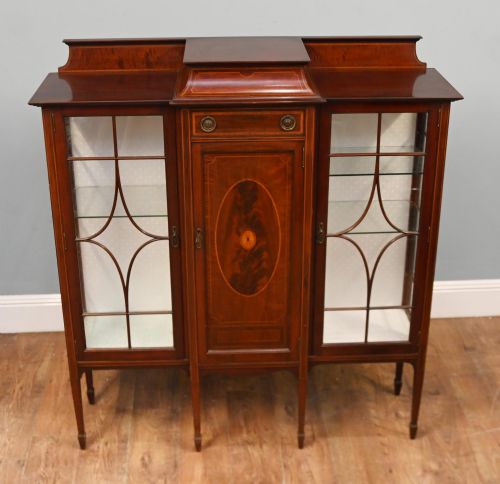
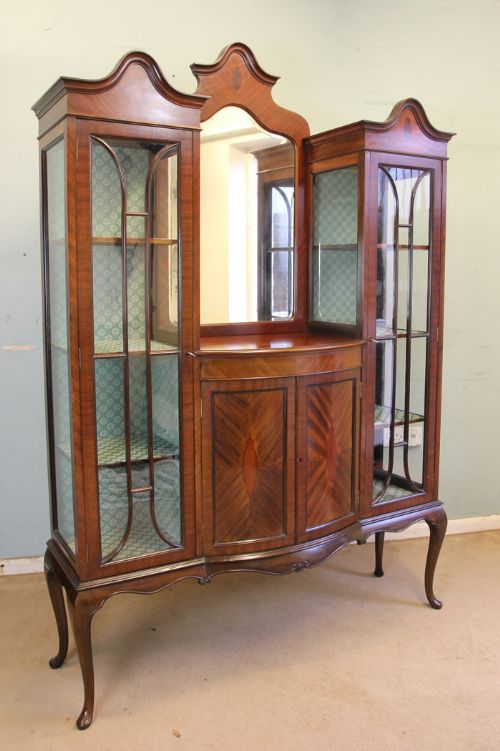
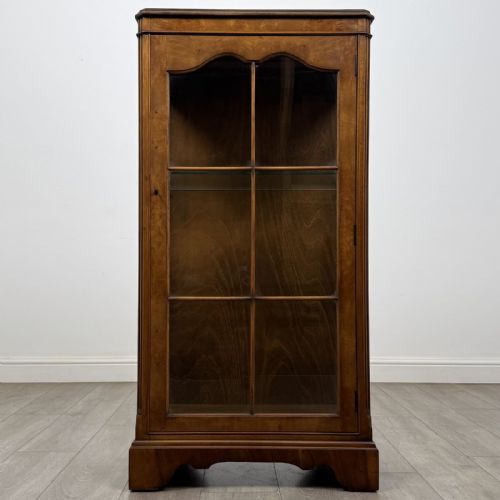
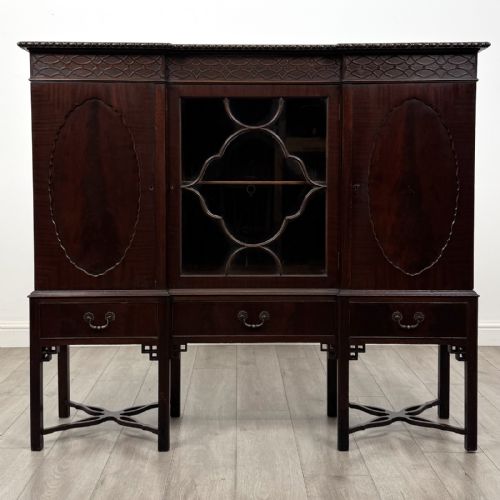
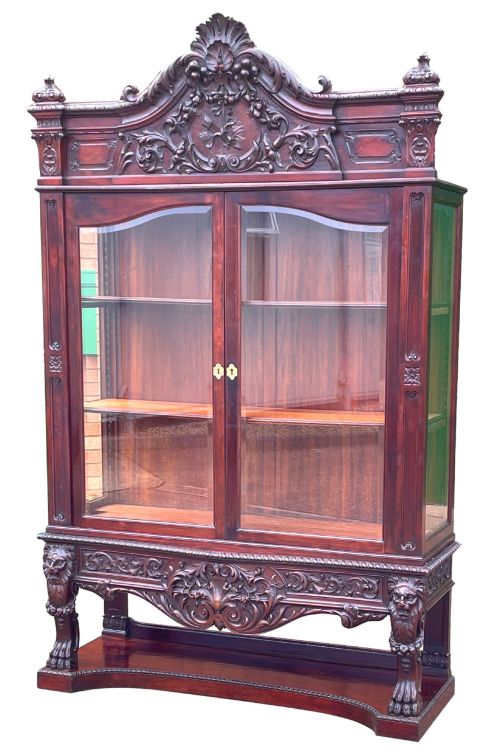
When you search for an antique china display case, you encounter glazed cabinetry designed to protect and showcase ceramic collections within domestic rooms. These pieces originate across the Edwardian era, the nineteen-thirties, and the Victorian period, serving as functional furniture that turns storage into a decorative focal point.
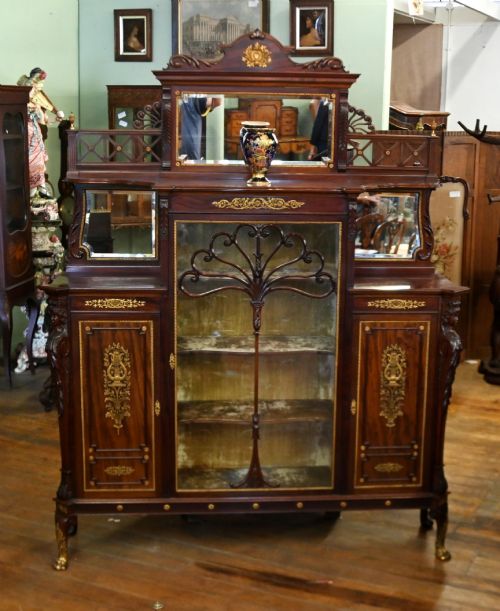
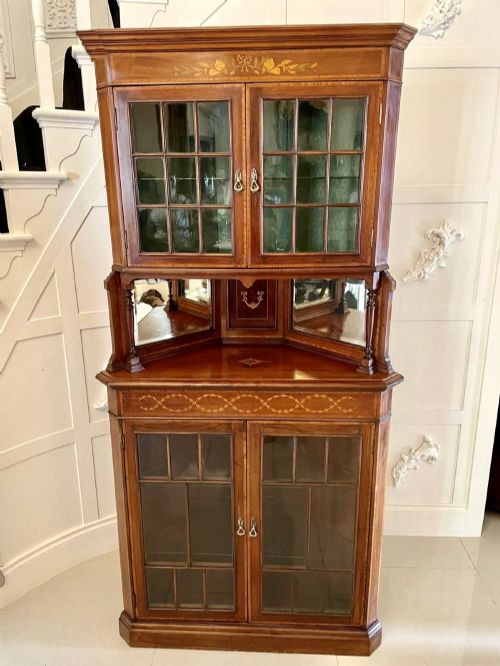
The versions you meet most frequently on this page belong to the Edwardian period and nineteen-hundreds, typically built from mahogany with inlaid details or constructed as smaller freestanding cabinets. They often appear alongside related glazed bookcases and pier cabinets that share the same glass-fronted purpose.
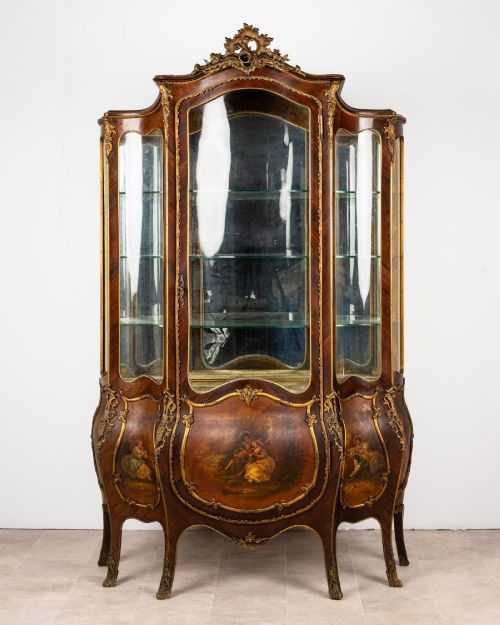
Makers designed these items to stand against drawing room walls, utilising glazed doors and sometimes mirrored backs to amplify interior light. The forms range from bow-fronted timber carcases to larger upright cupboards intended for substantial dinner services.
Construction and materials
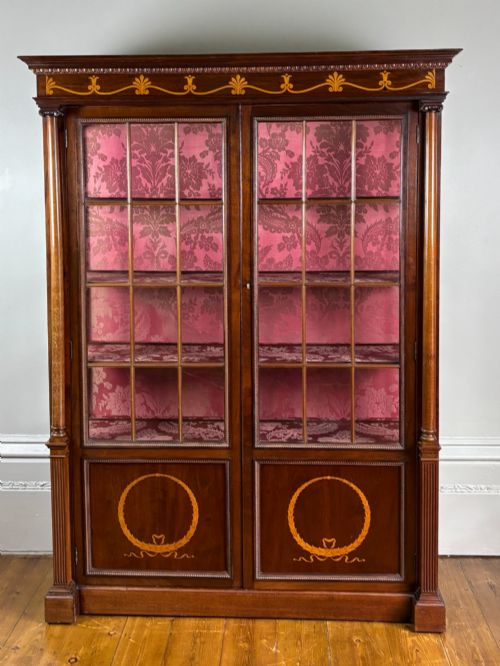
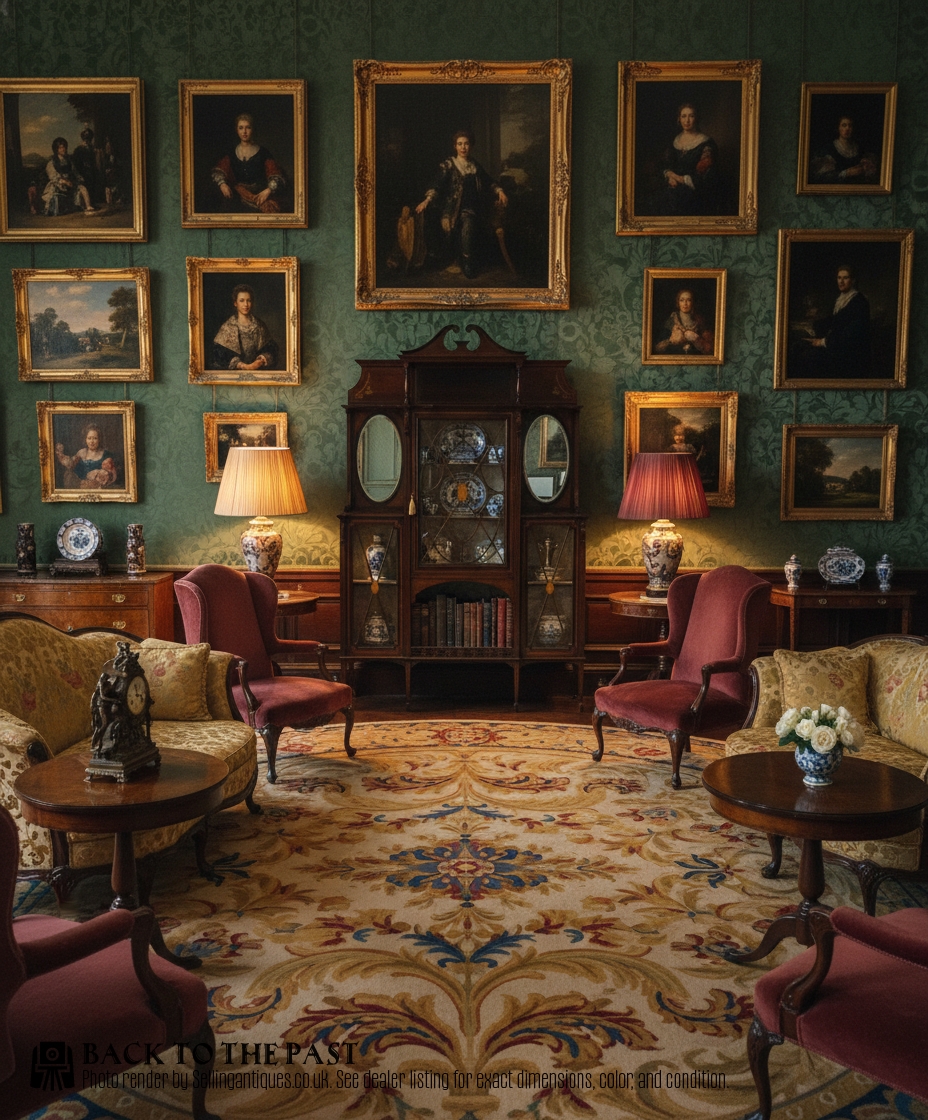
Cabinet makers built these pieces using solid timber frames of mahogany, walnut, oak, and occasional satinwood, frequently applying burr walnut veneer to prominent surfaces. Brass fittings secure doors and interior shelves, while fabric linings sometimes provide a soft backing behind the stored ceramics.
Glass panels are set into glazed doors to keep dust from delicate porcelain while maintaining complete visibility from the room. Interior mirrors appear in specific examples to reflect light through the stored collection from behind.
Antique China Display Case Retail Price Guide 2026
Typical asking prices for china display case among the pieces listed under this phrase on Sellingantiques today, from the lower quarter to the upper quarter. They describe what is for sale here now, not the wider market.
Materials appearing across these items include solid mahogany, burr walnut veneer, satinwood, leaded glass, and brass.
Judging quality in these cabinets
The standard of timber selection and inlay work separates the finer examples from simpler production. Subtle stringing, careful grain matching in veneers, and refined joinery mark out cabinets that received greater attention from their makers.
Proportion and the clarity of the glazed panels also define the upper tier of these pieces. Well-balanced forms with clear, heavy glass and sturdy brass hardware retain their structural integrity far better than utilitarian alternatives.
The Antique China Display Case Glossary
- Inlay
- A technique where contrasting strips of wood or shell are inserted into recesses in the primary timber surface to create decorative patterns. It frequently defines Edwardian cabinet doors.
- Glazed
- Fitted with transparent glass panes held by wooden framing. This allows viewing of the interior contents while protecting them from dust.
- Veneer
- A thin layer of figured wood applied over a secondary timber carcase. Burr walnut veneer provides complex grain patterns on display cabinet fronts.
- Bow-front
- A convex curved cabinet front that swells outward toward the viewer. This shape requires specialised joinery to bend the timber and glass.
- Pier cabinet
- A low freestanding cabinet designed to fit narrow wall spaces between windows. These pieces often share the glazed display function of larger china cabinets.
Antique China Display Case: Frequently Asked Questions
What is an antique china display case?
These pieces are glazed wooden cabinets built to store and exhibit ceramic tableware while keeping dust away behind glass doors.
They combine structural timber carcases with transparent viewing panels, often featuring internal shelving and mirrored backs.
How were display cabinets used?
Households placed them in dining rooms and drawing rooms to exhibit prized porcelain tea sets and decorative ceramic figures.
The glass fronts allowed guests to inspect collections without handling the fragile items inside.
How do I date a display cabinet?
Edwardian and nineteen-hundreds pieces typically display light mahogany framing with delicate inlaid stringing and modest proportions.
Nineteen-thirties examples often incorporate walnut veneers and cleaner geometric lines associated with Art Deco design.
Where should I place one?
Position your cabinet against a sturdy interior wall away from direct sunlight to protect timber finishes and fabric linings.
Ensure the floor is level so the glazed doors hang true and latch correctly against the frame.