

Antique China Dish
An antique china dish brings centuries of ceramic artistry to the table, offering a tangible connection to historical porcelain factories and domestic traditions.
Antique China Dish
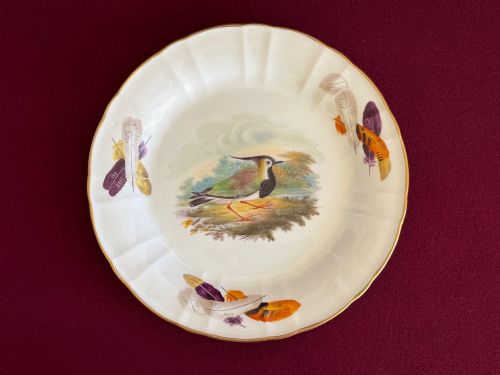
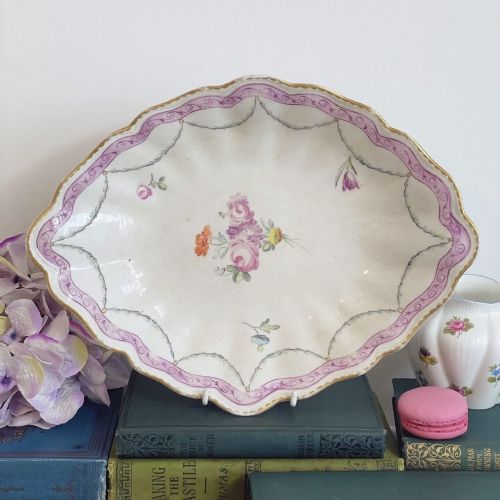
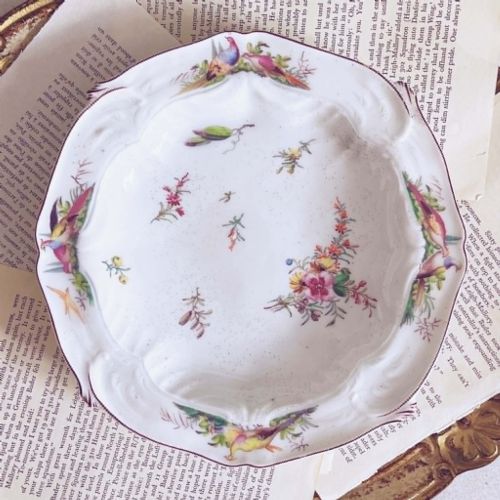
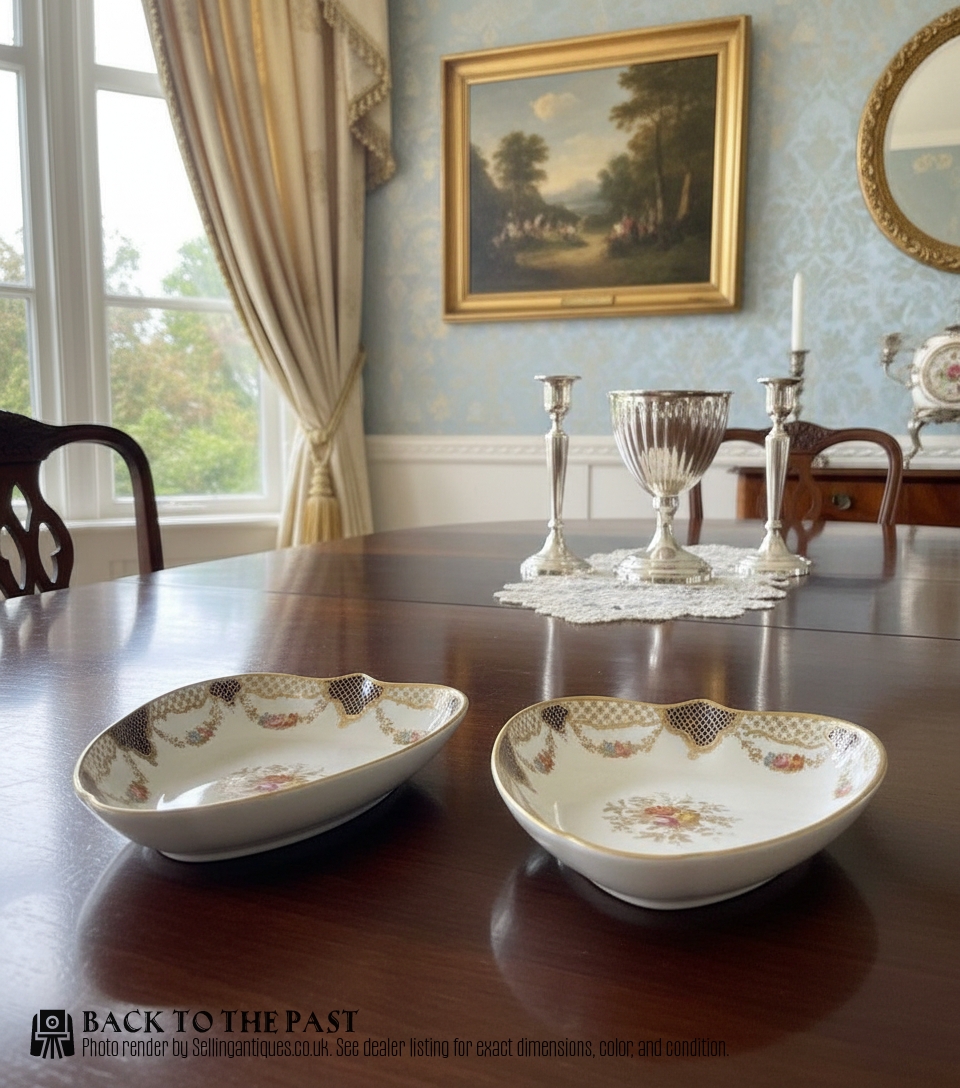
An antique china dish encompasses a diverse group of ceramics, including dessert plates, serving dishes, tureens, and pickle dishes created for functional dining or display. When searching for an antique china dish, buyers encounter forms ranging from Georgian blue and white transferware to elaborate Victorian cabinet plates and early soft-paste porcelain.
The selection spans numerous periods, notably the eighteenth and nineteenth centuries, alongside Edwardian and twentieth-century interpretations. English factories such as Worcester, Royal Worcester, Derby, and Spode dominate the offerings, joined by continental pieces and Chinese export porcelain.
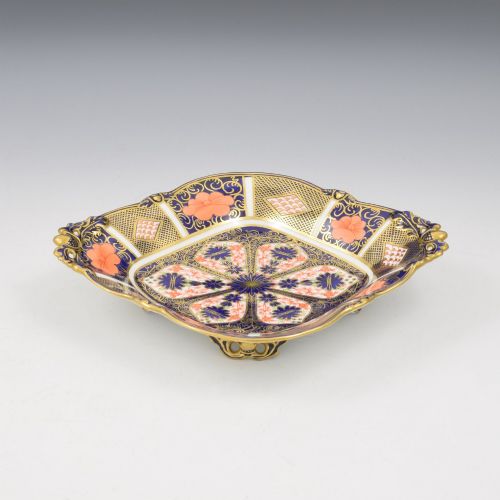
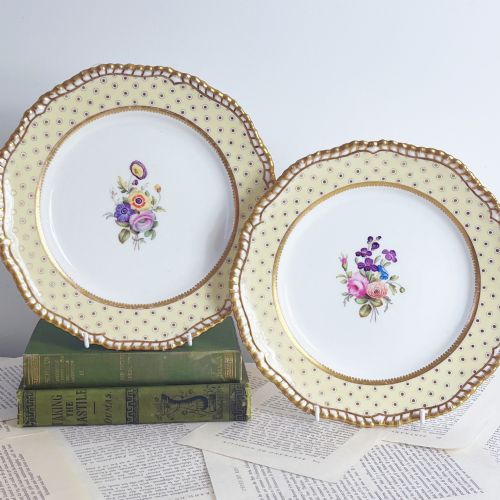
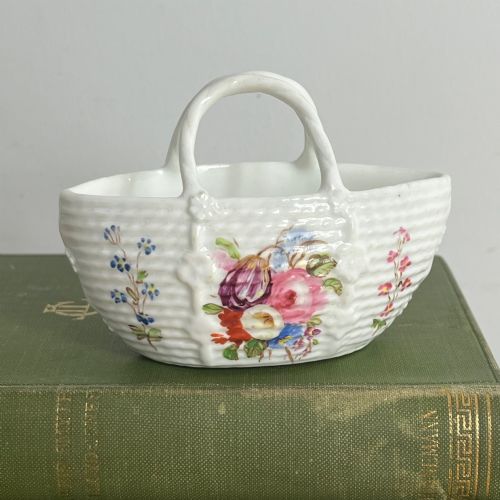
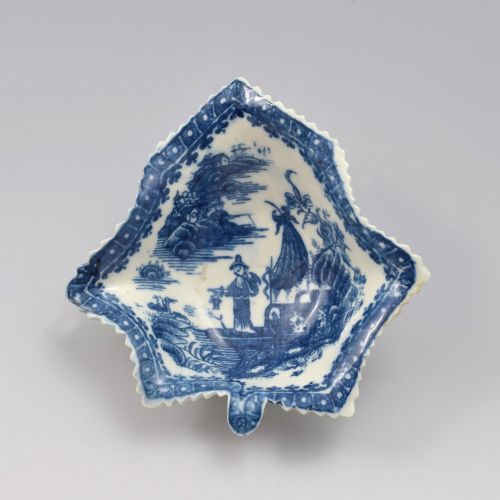
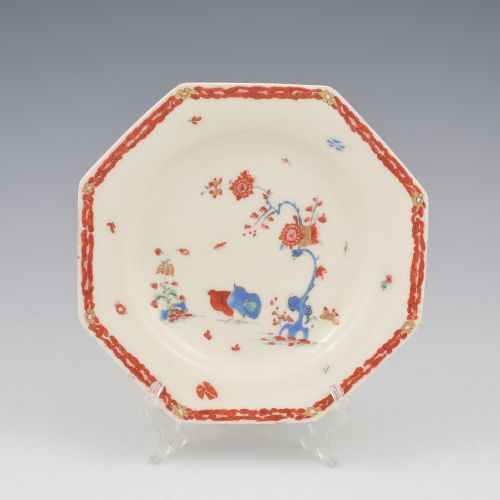
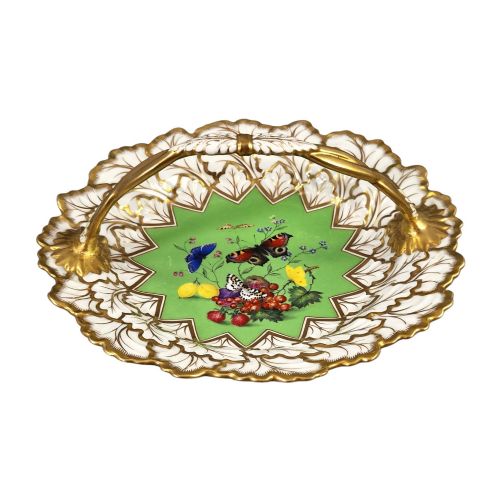
Forms vary from leaf-shaped pickle dishes and quatrefoil sauce tureens to round cabinet plates and octagonal plates. Each piece reflects the functional requirements of past dining customs, transitioning from the dining table to display cabinets.
Materials and manufacture
Potters utilised various ceramic bodies, including bone china, soft-paste porcelain, ironstone, and pottery, shaped by hand or moulded into specific forms. Early factories developed distinct paste compositions that determined the weight, translucency, and durability of each dish.
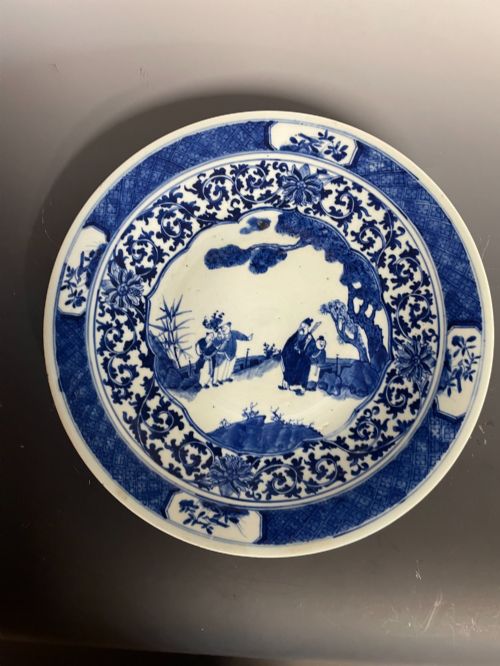
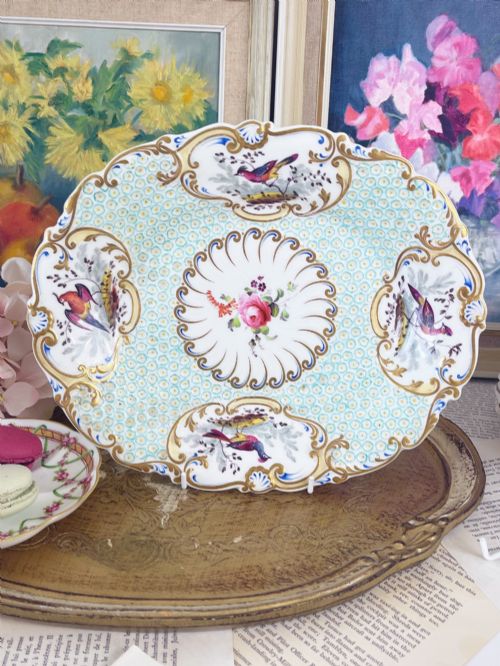
Decoration relied heavily on handpainted polychrome or blue and white motifs, transfer printing, and gilding with gold leaf. Artisans applied cobalt underglaze, enamel colours, and detailed brushwork to depict flowers, birds, figures, and landscapes before firing the pieces in kilns.
Listings feature eighteenth-century soft-paste porcelain and nineteenth-century bone china, alongside ironstone and earthenware pottery forms.
Assessing quality in antique china
Quality rests upon the crispness of the moulding, the fineness of the porcelain paste, and the skill evident in the handpainted or transfer-printed decoration. Pieces featuring delicate, detailed brushwork by named artists command attention for their artistic execution.
The sophistication of the glaze and the precision of the gilding contribute significantly to a dish's overall standing. Maker attribution, through factory marks or documented patterns, further distinguishes standard production items from exceptional factory output.
Royal Crown Derby·Spode Felspar·Flight Barr And Barr·Coalport·H And R Daniel·Wedgwood·Caughley·Derby·Chelsea·Bow·Royal Worcester·Davenport·Chamberlains Worcester·Minton·Masons Patent Ironstone
The Antique China Dish Glossary
- Soft-paste porcelain
- An early artificial porcelain composition made from white clay, glass, and ground minerals rather than hard-paste ingredients. It fires at a lower temperature and often displays a warm, creamy translucency.
- Bone china
- A type of soft porcelain incorporating animal bone ash into the ceramic paste. This formula produces a strong, highly translucent white body well-suited for delicate casting.
- Tazza
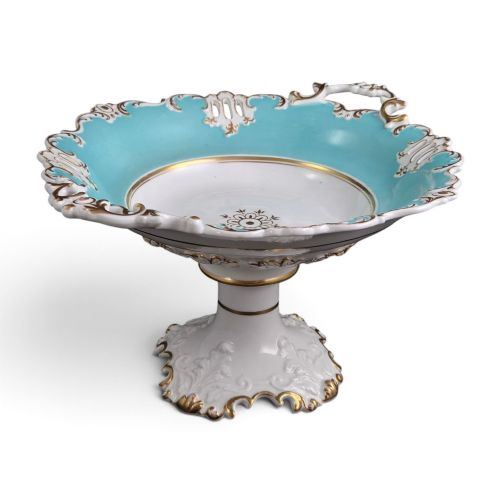
- A shallow ornamental cup or plate mounted on a stem and foot. These raised dishes functioned as centrepieces for serving sweetmeats or fruit during dessert courses.
- Transfer printing
- A decoration technique where an engraved copper plate transfers a design onto tissue paper, which is then stamped onto the ceramic body before glazing. This method allowed intricate patterns to be replicated with precision.
- Kakiemon
- A style of Japanese overglaze enamel decoration characterised by asymmetrical floral and bird motifs on a milky white porcelain ground. European factories frequently copied these distinct palettes during the eighteenth century.
Antique China Dish: Frequently Asked Questions
How do I identify a Dr Wall Worcester dish?
First Period Worcester pieces often feature characterising crescent or disguised numeral marks underneath, alongside delicate handpainted motifs like Chantilly sprigs or fishscale borders.
The porcelain body typically exhibits a slightly greenish tinge when held to the light, accompanied by fine potting and careful foot-rim finishing.
What is a cabinet plate?
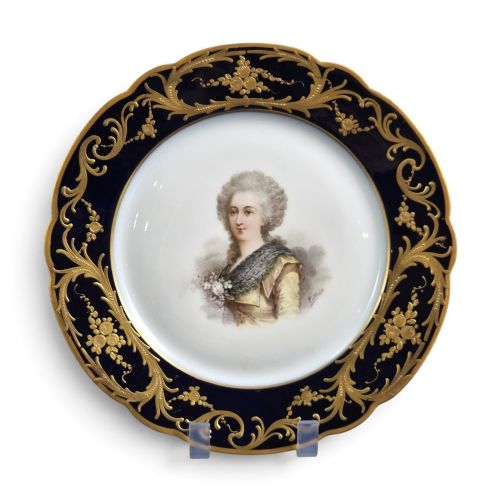
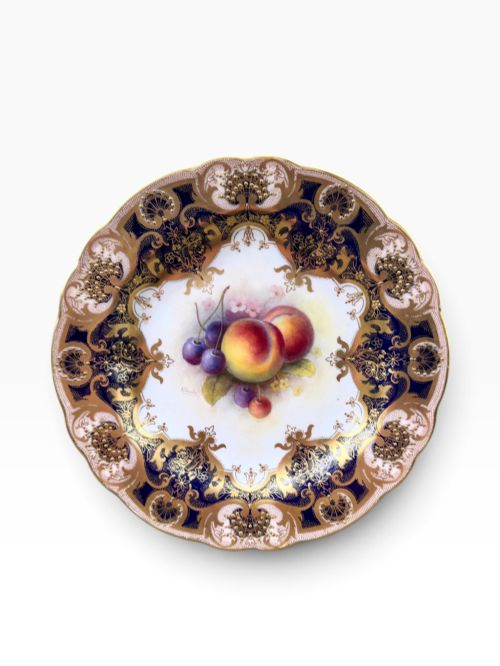
Cabinet plates were decorative items meant for display in drawing-room vitrines rather than everyday dining use. They frequently showcase elaborate handpainted scenes, rich gilding, and signed artwork by factory masters.
Because they avoided the wear of cutlery and washing, these plates often retain pristine painted surfaces and bright gilding.
What does ironstone mean?
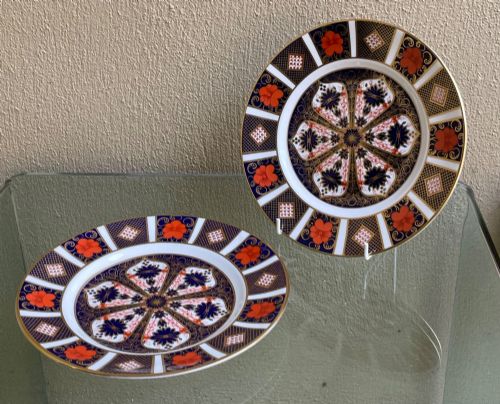
Ironstone is a durable, opaque type of earthenware patented in the nineteenth century to provide a sturdy alternative to porcelain. It offered resistance to chipping while accommodating vibrant transfer-printed or handpainted Japan patterns.
Pieces made from this material tend to feel heavier and thicker than fine bone china.