




Decorative Ceramic Trinket Dish
These decorative ceramic trinket dish pieces hold small treasures securely while bringing hand-painted colour and period craftsmanship to a dressing table.
Decorative Ceramic Trinket Dish
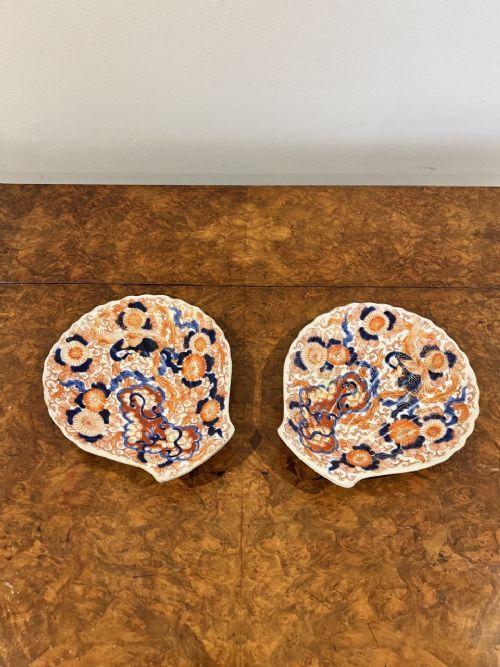
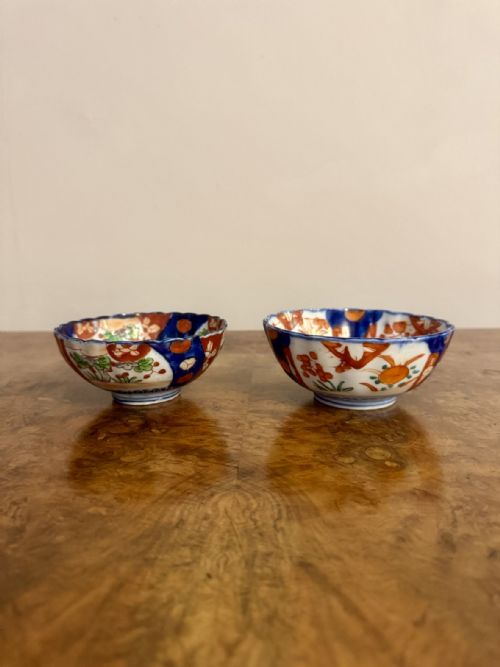
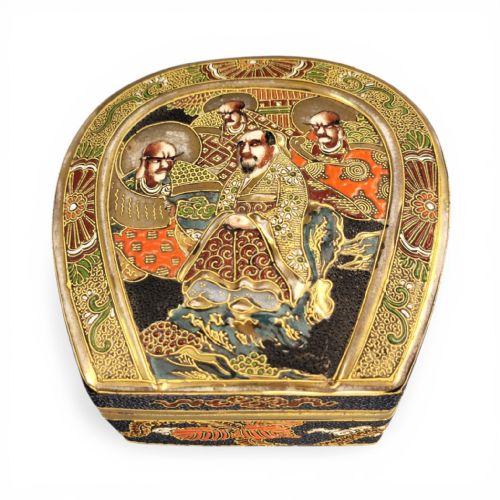
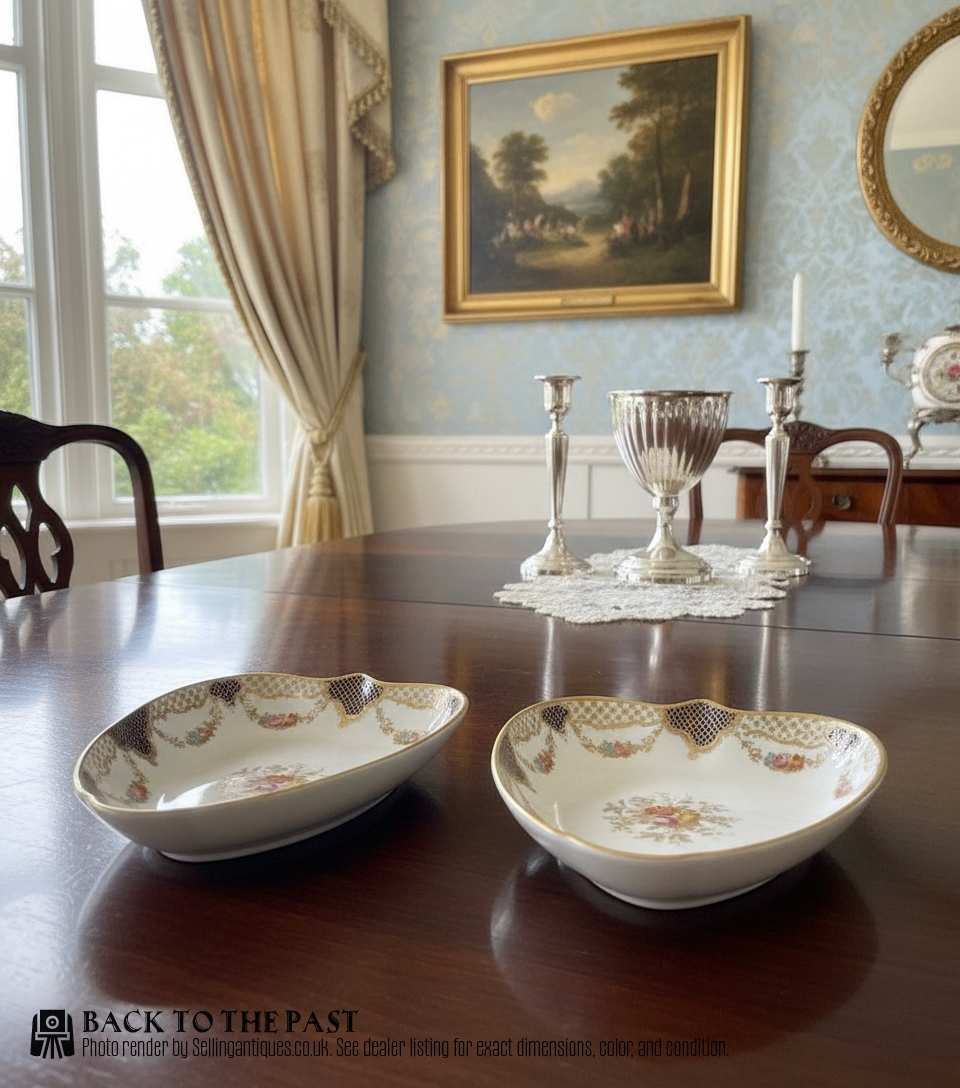
A decorative ceramic trinket dish encompasses small receptacles designed to hold jewellery and small personal items on dressing tables or desks. These items appear in forms ranging from shell-shaped plates and small bowls to lidded boxes and ribbon-handled dishes.
The selections span the nineteenth and early twentieth centuries, drawing on Victorian, Edwardian, and Meiji period aesthetics. European porcelain factories and Japanese export workshops both dominate the physical evidence.
Buyers encounter distinct regional traditions, from English porcelain baskets with applied flowers to Japanese Imari plates and French Limoges lidded containers on ormolu stands.
Materials and methods
Potters shaped fine clay and porcelain bodies into bowls, baskets, and dishes before applying hand-painted pigments under protective glazes. Artisans often incorporated gold leaf, gilding, and gilt metal mounts to accent the ceramic forms.
Japanese workshops utilised Satsuma earthenware and Imari palettes, while European makers such as Rockingham, Dresden, and Meissen employed hard-paste porcelain and delicate applied floral elements.
Decorative Ceramic Trinket Dish Retail Price Guide 2026
Typical asking prices for decorative ceramic trinket dish among the pieces listed under this phrase on Sellingantiques today, from the lower quarter to the upper quarter. They describe what is for sale here now, not the wider market.
Some nineteenth-century makers painstakingly applied tiny ceramic flower petals by hand, ensuring every single leaf survived multiple kiln firings.
Distinctions in execution
Quality rests upon the precision of the hand-painted brushwork and the refinement of the ceramic body. Pieces featuring intricate, multi-coloured enamel designs or delicate applied flowers demonstrate higher artisan skill.
The integration of metal mounts, such as ormolu stands and gilt metal frames, separates standard utility items from luxury dresser wares. Preservation of original gilding and undamaged painted surfaces distinguishes finer examples.
Toshozan·Rockingham·Helena Wolfsohn·Moorcroft·Wedgwood·Royal Crown Derby·Meissen
The Decorative Ceramic Trinket Dish Glossary
- Imari
- A traditional Japanese style of porcelain decorated in underglaze blue and overglaze red, gold, and green. This aesthetic heavily influenced European ceramic production during the nineteenth century.
- Ormolu
- Gilded bronze mounts used to frame or elevate ceramic dishes and boxes. French makers frequently applied this technique to porcelain pieces.
- Earthenware
- Porous pottery fired at lower temperatures than porcelain. Satsuma pieces provide notable examples of this material.
Decorative Ceramic Trinket Dish: Frequently Asked Questions
What were these dishes used for?
These small receptacles served to hold rings, pins, and loose coins on nineteenth-century dressing tables and desks. They kept personal valuables organised and protected within easy reach.
Over time, their primary function shifted toward display, as households showcased hand-painted porcelain and earthenware on mantelpieces and cabinets.
How do I date a porcelain dish?
Dating relies on factory marks stamped or painted on the underside, alongside stylistic clues such as paste composition and colour palettes. Victorian and Edwardian pieces often display registration numbers or specific maker ciphers.
Comparing the hand-painted motifs, such as Imari patterns or floral sprays, with documented production periods helps narrow down the decade of manufacture.
Are these pieces safe to clean?
Dusting with a soft, dry brush safely removes particles from delicate porcelain and earthenware surfaces without risking the enamel or gilding. Moisture can damage exposed clay or weaken old adhesives on applied flowers.
Avoid submerging pieces that feature gilt metal mounts or delicate ormolu stands in water to prevent corrosion.
How do I display them at home?
Trinket dishes look effective grouped on a wooden surface or placed individually on a bedside table to hold daily jewellery. Shallow bowls and shell-shaped plates fit neatly on dressing trays.
Lidded boxes and bonbonniere pieces add visual interest when placed closed on shelves, allowing the painted lid designs to remain visible.