


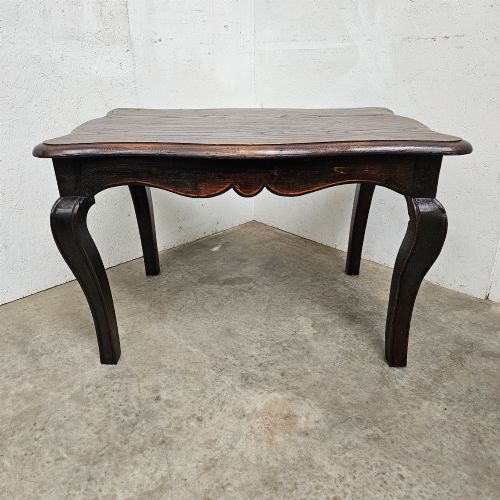


Antique Chestnut Table
An antique chestnut table brings a warm grain and honest utility to a room, offering a sturdy surface built for daily life.

Antique Chestnut Table
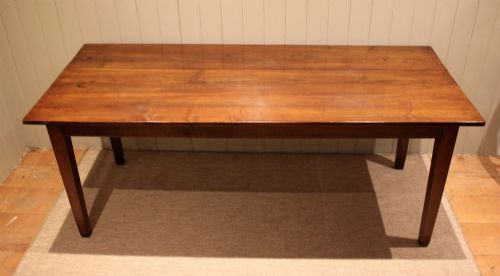
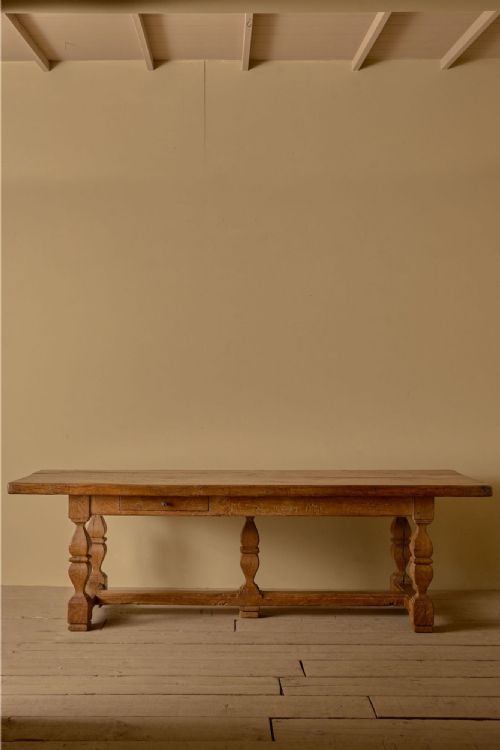
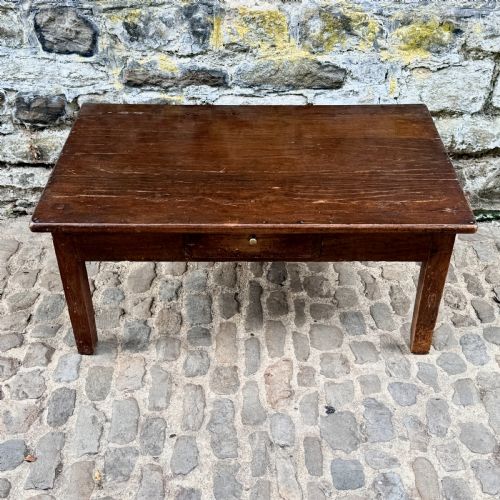
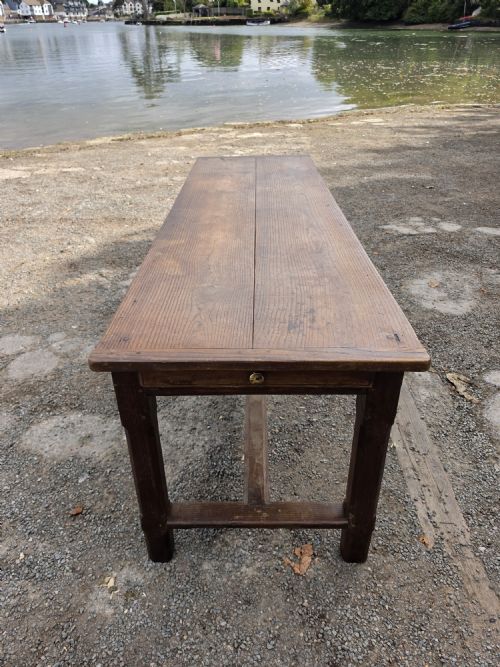
An antique chestnut table encompasses substantial dining boards, low coffee tables, and side pieces originating from the eighteenth, nineteenth, and early twentieth centuries. These items draw on regional traditions, emerging from French provincial workshops, Spanish farmhouses, and English country settings.
Buyers frequently encounter farmhouse and dining formats, often featuring utilitarian drawers or extending mechanisms designed for practical service. Coffee tables and low variants also appear, converted from earlier work benches or constructed with proportions suited to modern sitting rooms.
The material identity shifts across regions, pairing chestnut timber with secondary woods like oak, pine, or sycamore. Pieces range from rustic tables bearing heavy tool marks to refined console and serving variants influenced by later revival periods.
How these tables were made
Cabinet makers and rural joiners utilised solid timber boards, often joining chestnut with oak or pine for structural framing and interior elements. Surfaces show the marks of hand tools, adzes, and traditional saws rather than industrial planing.
Joinery relies on pegged mortise and tenon construction to handle the movement of heavy timber over time. Iron hardware, brass fittings, and occasional leather or carved details complete the construction of drawers and hinged compartments.
Antique Chestnut Table Retail Price Guide 2026
Typical asking prices for chestnut table among the pieces listed under this phrase on Sellingantiques today, from the lower quarter to the upper quarter. They describe what is for sale here now, not the wider market.
Listings feature 17th, 18th, and 19th-century periods alongside Regency and Victorian eras, utilising chestnut, oak, pine, and leather.
What varies in quality
The integrity of the timber dictates the standing of a piece, with tight grain and minimal splitting setting finer examples apart from heavily restored boards. Original surface patination, developed through decades of domestic use, carries greater weight than chemically stripped finishes.
Structural proportions and regional joinery distinguish local craftsmanship from simpler utilitarian items. Tables retaining original working elements, such as drawers with functional wooden runners, hold more character than heavily altered formats.
Heals
The Antique Chestnut Table Glossary
- Chestnut
- A durable hardwood noted for its coarse grain and warm, honey-brown colour. It shares visual similarities with oak but tends to exhibit a lighter weight and distinct growth ring patterns.
- Farmhouse table
- A large, sturdy wooden table designed for everyday domestic labour and dining. These pieces often feature thick plank tops and simple, robust underframes.
- Mortise and tenon
- A traditional woodworking joint where a projecting tongue fits snugly into a corresponding cavity. This method provides strong, durable connections without relying on metal fasteners.
- Provincial
- Denoting styles and construction methods originating from regional areas rather than capital cities. Such pieces typically reflect local materials and practical domestic requirements.
- Patina
- The surface sheen and colour acquired by wood through age, handling, and wax polishing. This quality marks genuine antique age and distinguishes old timber from modern staining.
Antique Chestnut Table: Frequently Asked Questions
How do I spot a true antique chestnut table?
Examine the underside and drawer interiors for hand-tool marks, pegged joinery, and timber shrinkage that indicate genuine age.
Consistent patination across the table top and frame confirms that the components share the same period of use.
Are these tables suitable for daily dining?
Solid hardwood construction makes these tables resilient for everyday meals and family gatherings.
Using placemats and maintaining ambient room humidity helps protect the historic timber from excessive moisture and heat.
How should I care for a chestnut surface?
Apply natural beeswax periodically to nourish the dry wood and maintain a protective barrier against spills.
Avoid placing the table near direct heat sources or in intense sunlight to prevent the timber from warping or splitting.
What styles do these tables come in?
The selection includes French provincial, Spanish farmhouse, and English rustic designs spanning multiple centuries.
Details range from simple plank tops to turned legs, stamped makers' marks, and functional storage drawers.