
Antique Ceramic Water Pitcher
These heavy ceramic vessels were made to hold water for washing and table service, bringing hand-painted colour and sculptural weight to domestic rooms.
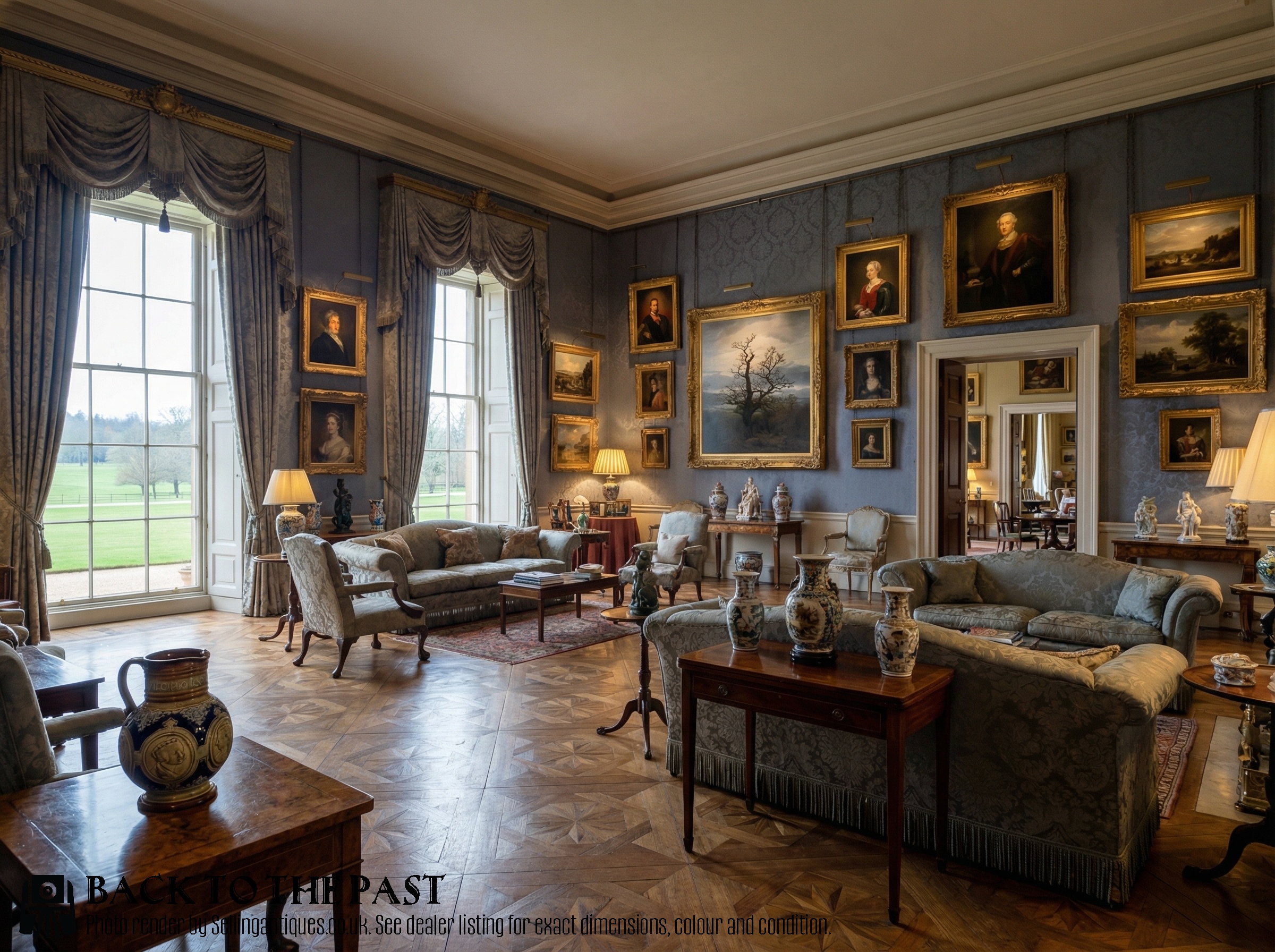
Antique Ceramic Water Pitcher
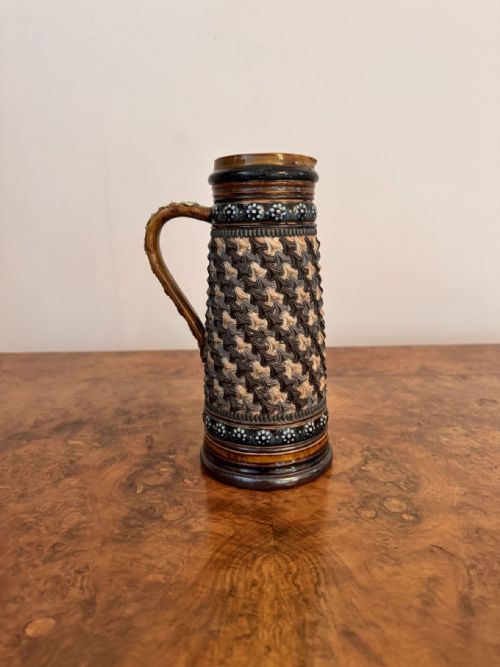
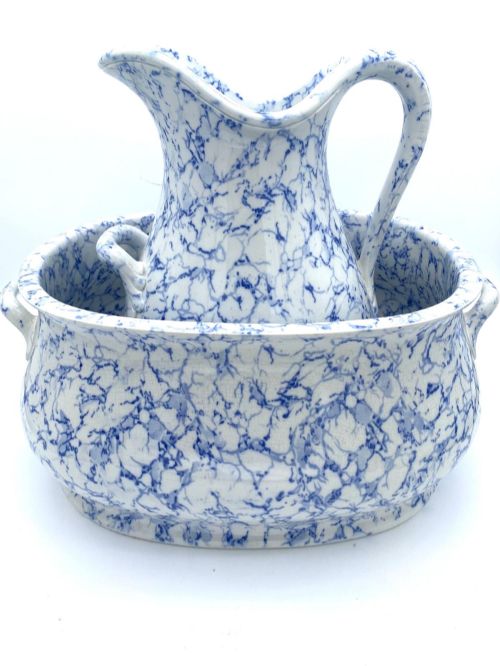
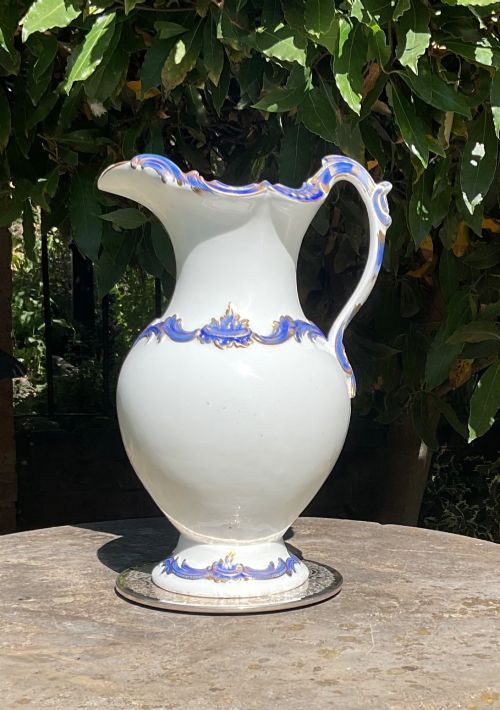
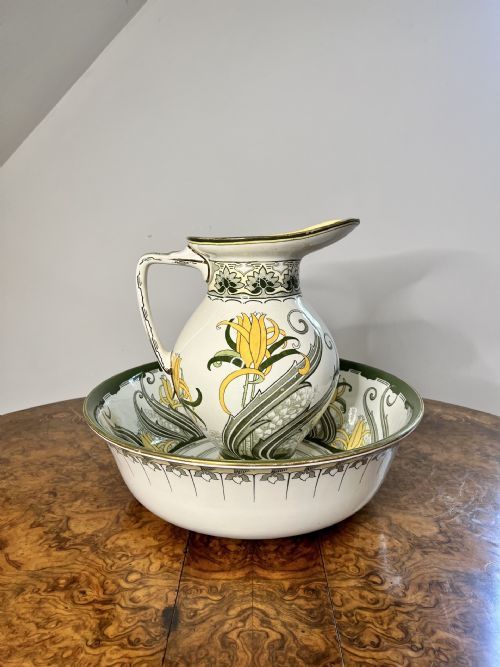
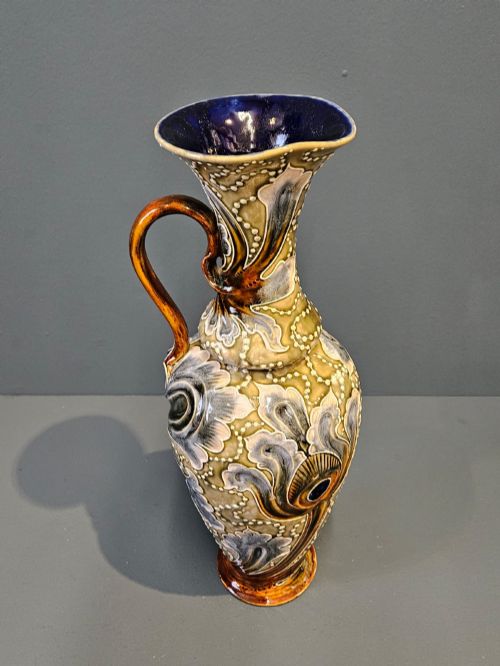
An antique ceramic water pitcher serves as both a functional washing vessel and a decorative centrepiece, emerging in various regional potteries across the eighteenth and nineteenth centuries. Buyers encounter earthenware, stoneware, and porcelain bodies shaped into bulbous jugs, ewers, and matching basin sets.
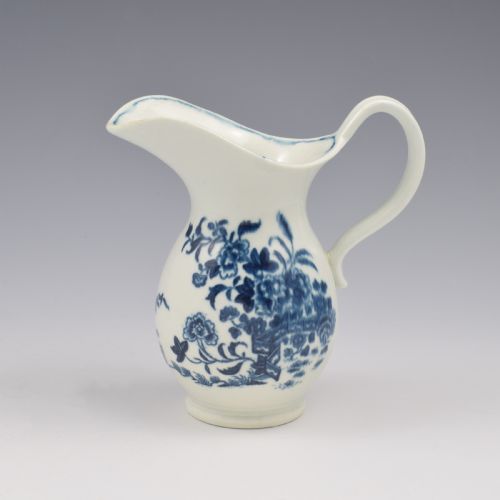
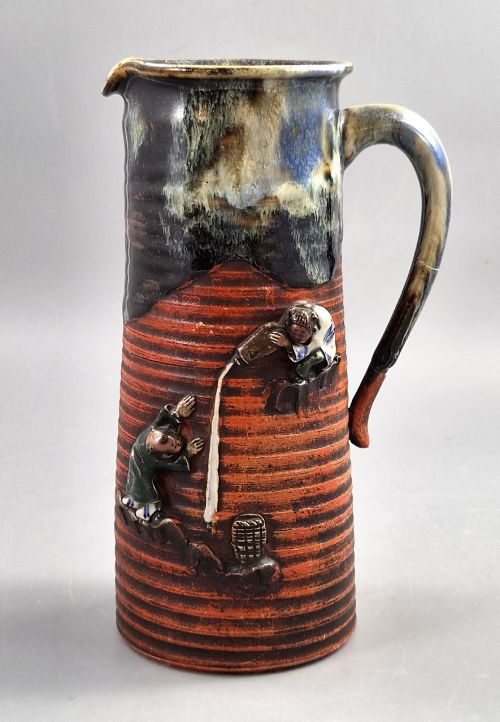
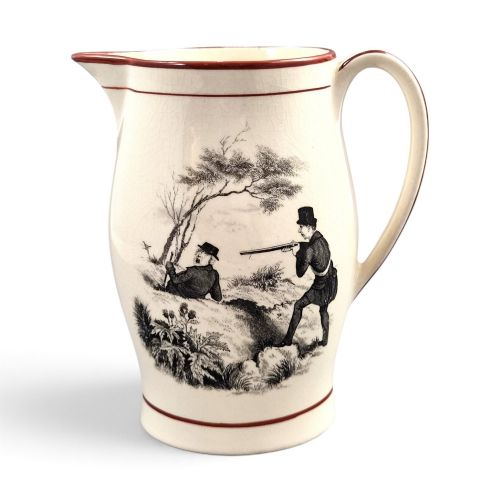
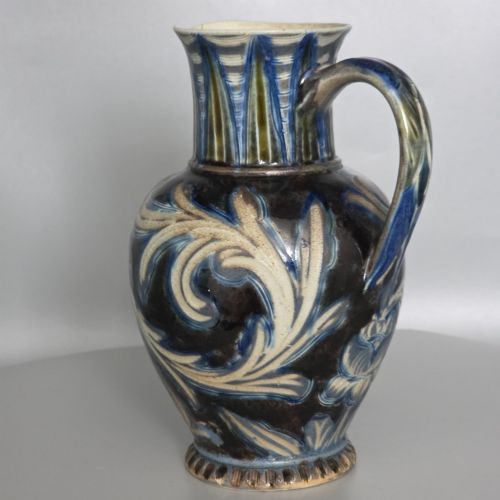
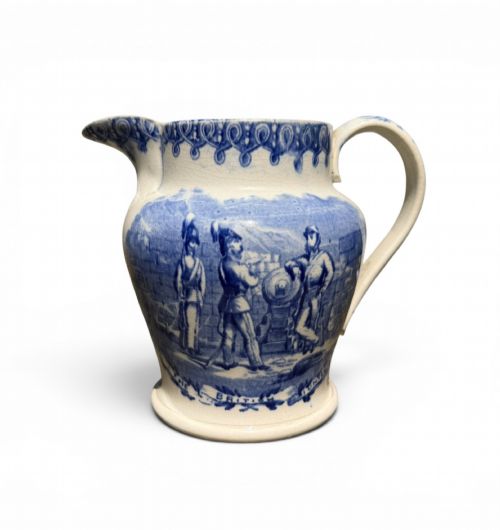
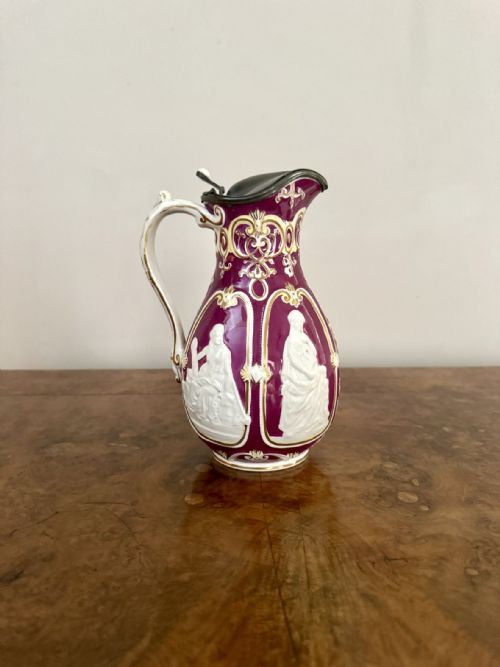
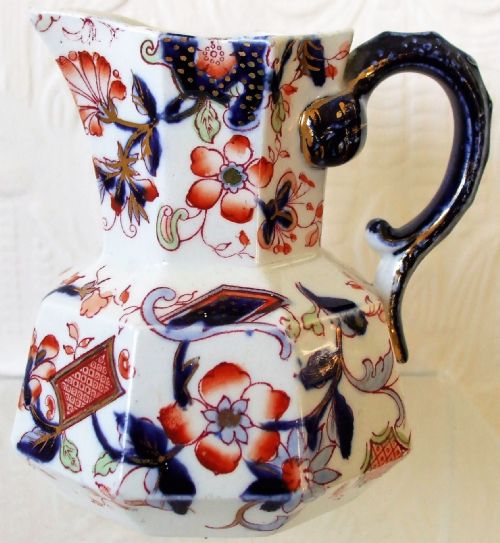
The selection ranges from robust salt-glazed stoneware and creamware made in Staffordshire potteries to refined porcelain ewers produced by Worcester and Derby factories. Victorian majolica, transfer-printed earthenware, and Japanese export ceramics also appear frequently.
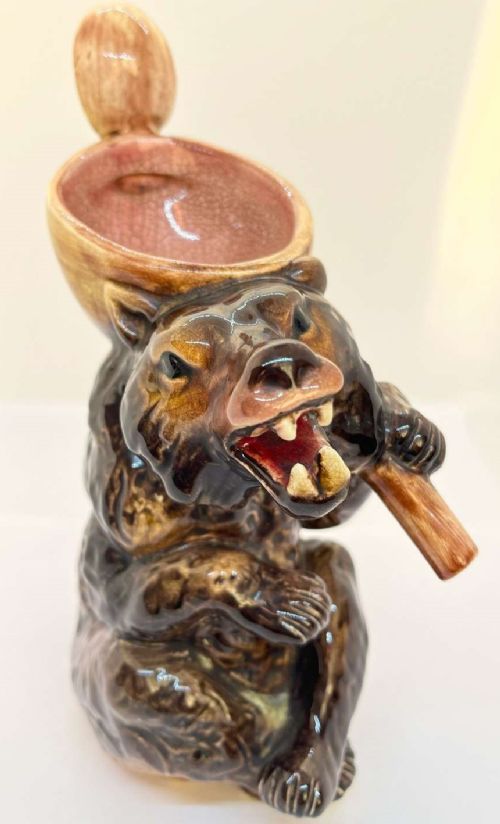
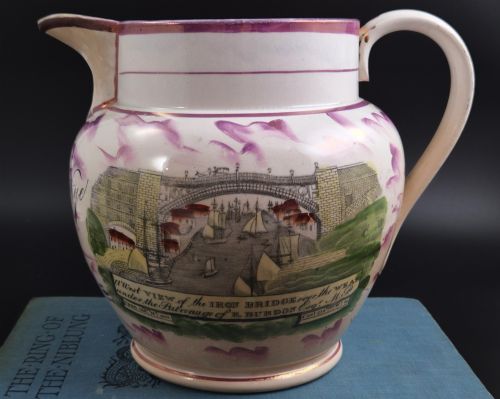
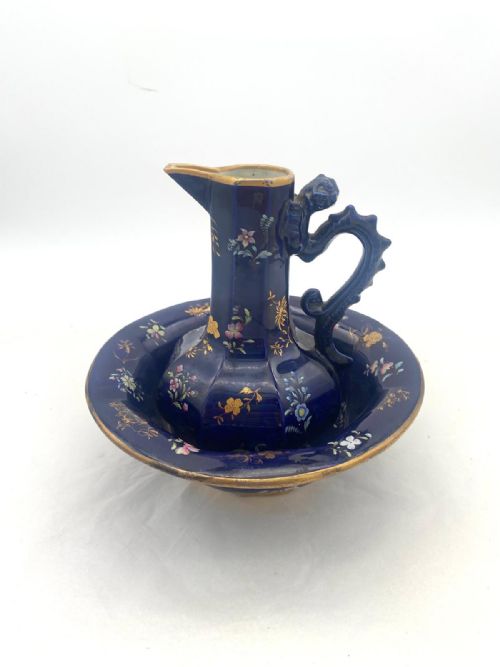
Many survivors formed part of large toilet sets designed for nineteenth-century bedrooms, while others functioned as table pitchers for water or milk. Their forms move from classical moulded handles to playful animal motifs and elaborate figural scenes.
How They Were Made
Potters shaped these vessels using traditional throwing on the wheel, slip-casting in moulds, or press-moulding relief designs into earthenware and stoneware bodies. Relief-moulded sprigs, applied handles, and intricate spouts required careful manual assembly before firing.
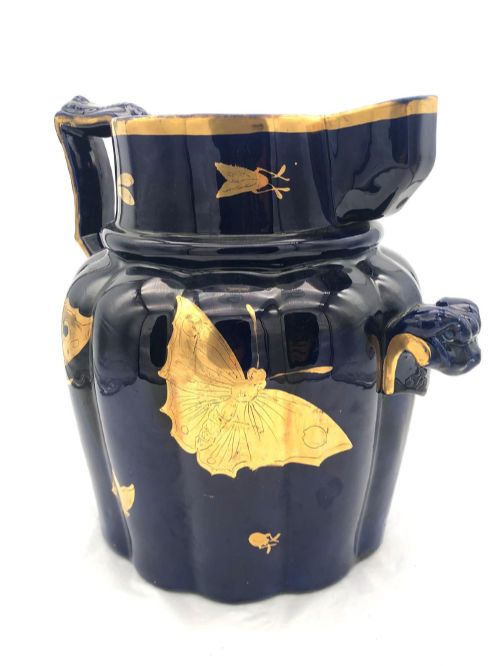
Glazing involved dipping or painting the fired clay with tin, salt, or coloured glazes, often incorporating transfer-printed transfers or hand-painted enamels. Subsequent low-temperature firings fixed metallic lustres, gold leaf, and polychrome pigments onto the glazed surface.
Antique Ceramic Water Pitcher Retail Price Guide 2026
Typical asking prices for ceramic water pitcher among the pieces listed under this phrase on Sellingantiques today, from the lower quarter to the upper quarter. They describe what is for sale here now, not the wider market.
Bear jugs and dragons lurk among the washstand ceramics, proving Victorians liked their morning water poured by beasts.
What Varies in Quality
Quality rests upon the crispness of the moulded relief, the precision of the hand-painted or transfer-printed decoration, and the stability of the handle attachment. Superior examples display balanced proportions, clean glaze application without pooling, and clear factory marks.
Earlier pieces from renowned porcelain manufactories show finer clay bodies and more delicate enamel work, whereas robust utility wares prioritise thick stoneware or ironstone walls designed for heavy daily use.
Doulton Lambeth·Royal Worcester·Minton·Charles Meigh·Chamberlain Worcester
The Antique Ceramic Water Pitcher Glossary
- Earthenware
- Porous pottery fired at lower temperatures, requiring a vitreous glaze to hold liquids. It forms the body of many nineteenth-century domestic jugs.
- Creamware
- A refined, light-coloured earthenware developed in eighteenth-century Staffordshire. It gained popularity for its smooth pale yellow tone under a clear lead glaze.
- Transfer-printing
- A technique where an engraved copper plate transfers a design onto paper, which is then stamped onto the ceramic body before glazing. This allowed for intricate repeating patterns in blue, pink, or magenta.
- Majolica
- A colourful, heavy earthenware coated with an opaque tin-lead glaze and vibrant metallic oxide colours. Victorian versions often featured naturalistic plant and animal forms.
- Stoneware
- Dense, vitrified pottery fired at high temperatures until impervious to liquids without glazing. It provides exceptional durability for heavy water pitchers and ewers.
- Ewer
- A large pitcher with a wide spout and elaborate handle, traditionally used for pouring water at the washstand or dining table.
Antique Ceramic Water Pitcher: Frequently Asked Questions
How were ceramic water pitchers used?
These vessels stood on bedroom washstands alongside matching bowls to hold fresh water for morning ablutions. They also served dining rooms and parlours for pouring water or milk during meals.
Larger forms occasionally doubled as decorative centrepieces or floral containers when not performing utility tasks.
How do I date an antique pitcher?
Dating relies on combining stylistic evidence with factory marks stamped or painted on the base. Transfer-printing colours, glaze types, and potting techniques help narrow the period.
Shape evolution, from Georgian creamware to Victorian majolica, provides further chronological clues.
Are these pitchers waterproof?
Glazed earthenware, stoneware, and porcelain bodies hold liquids safely after centuries of survival. Stoneware and porcelain are completely vitrified, while glazed earthenware relies on an intact surface glaze.
Checking for hairline cracks ensures the vessel remains sound for holding water.
How should I display a pitcher?
These substantial ceramic pieces suit stable sideboards, open shelving, or dedicated washstands where their weight and form remain supported. Pairing a pitcher with its original basin creates a complete historical display.
Placement away from high-traffic edges protects projecting handles and delicate spouts from accidental knocks.