



Antique Ceramic Urn Handles
These antique ceramic urn handles and twin-handled vessels span centuries of porcelain, earthenware and faience craftsmanship.
Antique Ceramic Urn Handles
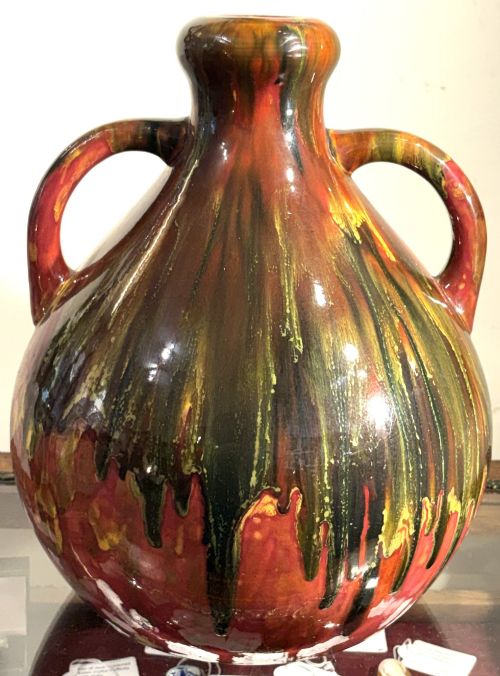
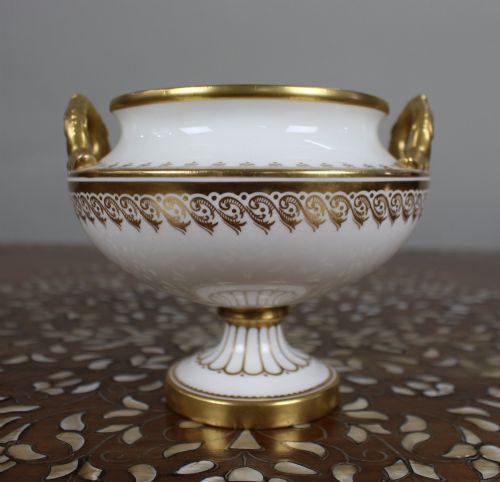
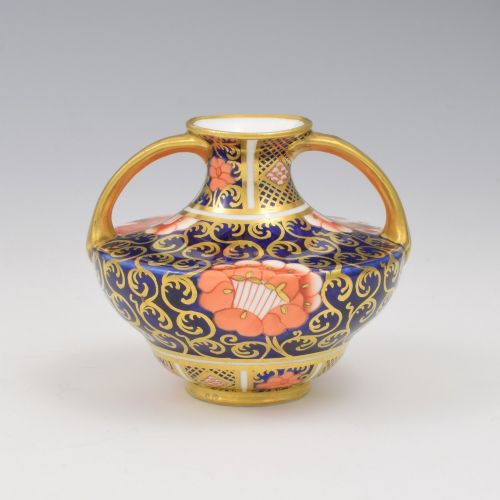
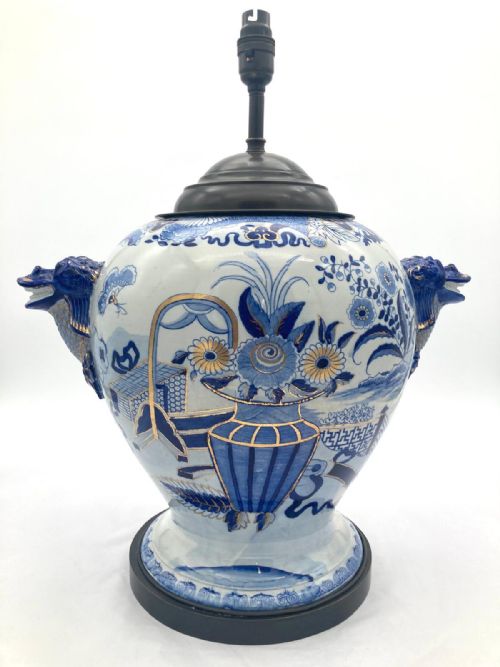
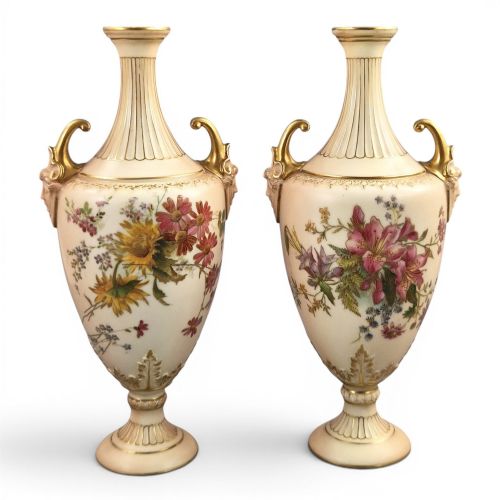
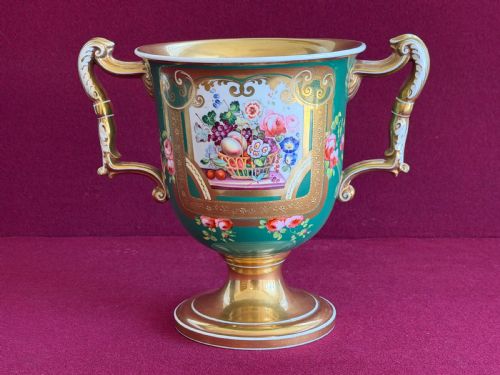
When you search for antique ceramic urn handles, you are exploring the structural grips and decorative terminals on twin-handled vessels, vases, oil pots and loving cups. These handles take many forms, from delicate scrolling porcelain grips on Edwardian and Victorian pieces to robust earthenware lugs on earlier oil jars.
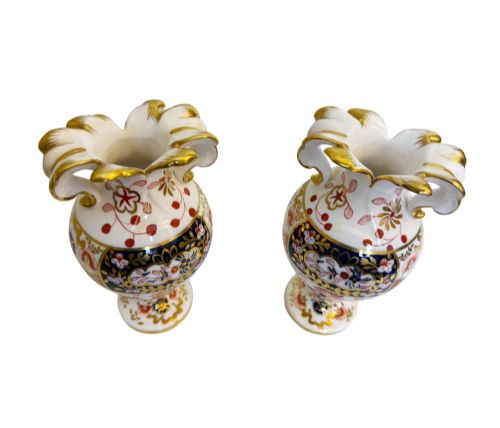
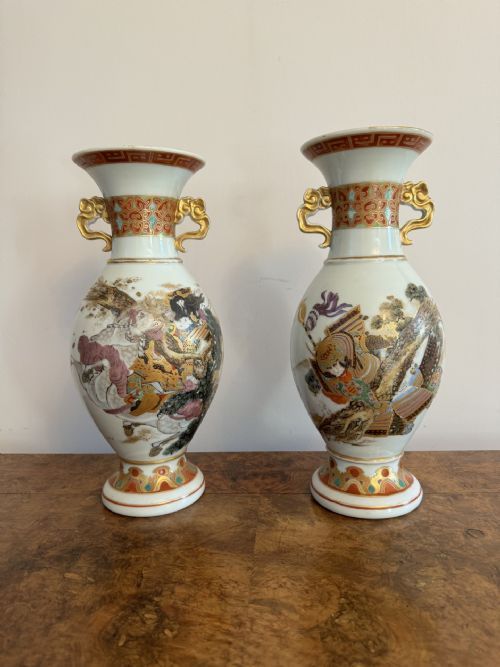
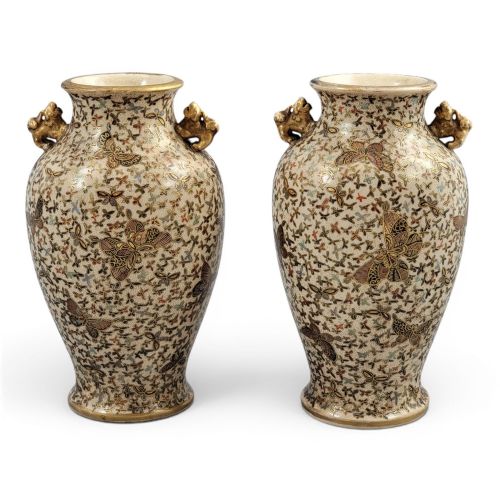
The pieces on this page originate from diverse traditions, including English factories like Spode and Royal Worcester, alongside continental faience and Japanese Satsuma wares. Buyers encounter everything from miniature porcelain twin-handled vases to large terracotta oil jars featuring functional or purely ornamental handles.
Materials and construction
Makers shaped these vessels using porcelain, ironstone, earthenware and terracotta, often applying rich glazes, enamel or gold leaf gilding over the ceramic body. Many items feature hand-painted floral or figural decoration executed directly onto the dry or fired clay.
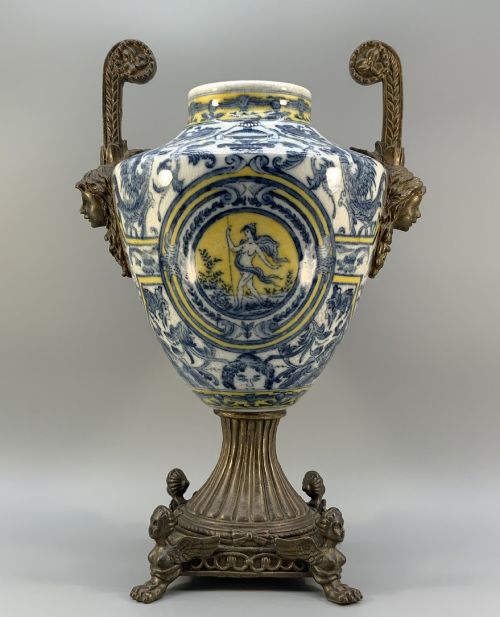
Handles were typically formed separately and securely luted to the body of the vessel prior to firing and glazing. Bronze mounts or intricate bamboo-form mouldings occasionally complement the ceramic structure, particularly in Renaissance Revival and Meiji period pieces.
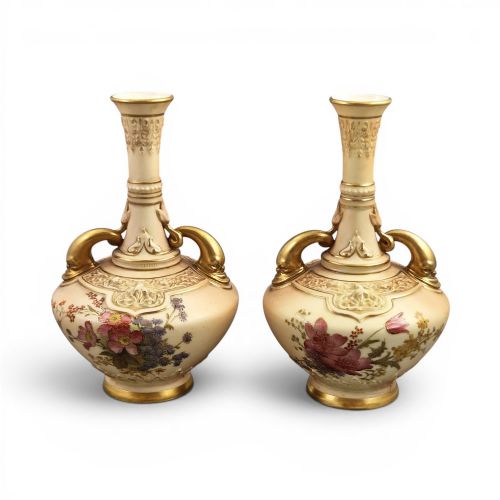
Some delicate porcelain vases feature handles shaped like leaping dolphins or intricate bamboo stalks.
Evaluating craftsmanship and execution
Quality reveals itself in the precision of the hand-painted decoration and the seamless integration of the handles to the main body of the vessel. Finer examples display crisp detailing in the gilding and enamelling, alongside well-balanced proportions in the architectural form of the urn or vase.
The distinction between standard production wares and exceptional pieces lies in the artistic execution of the painted scenes and the sophistication of the ceramic paste, whether ironstone, bone china or delicate porcelain.
Spode·Royal Crown Derby·Chamberlain Worcester·Hicks and Meigh·Royal Worcester·H and R Daniel·Makuzu Kozan·Wileman Intarsio·Derby Porcelain·Minton·William Moorcroft·Royal Doulton·Doulton Lambeth·Samson Paris·Kinkozan·Cantagalli
The Antique Ceramic Urn Handles Glossary
- Faience
- Tinned earthenware decorated with opaque coloured glazes. This technique produced richly coloured decorative vessels across various European traditions.
- Ironstone
- A heavy, durable type of earthenware patented in the 19th century. It served as a robust alternative to porcelain for large vases and transfer-printed jugs.
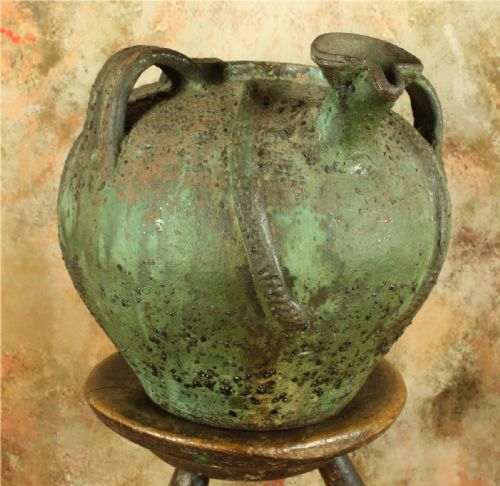
- Confit Pot
- A traditional glazed earthenware or terracotta pot used in France for food storage. These utilitarian vessels frequently feature sturdy side handles.
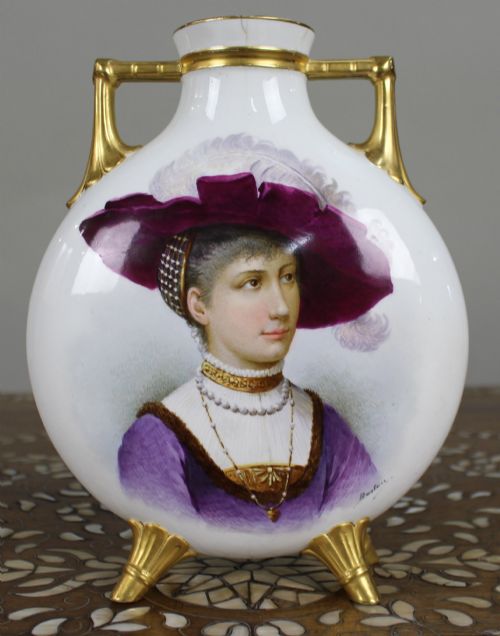
- Moon Flask
- A flattened circular flask vase supported by a base and fitted with twin side handles. They often display intricate hand-painted floral or orientalist scenes.
- Gilding
- The application of gold leaf or gold powder to the ceramic surface. This technique highlights rims, handles and decorative borders on fine porcelain.
Antique Ceramic Urn Handles: Frequently Asked Questions
What are antique ceramic urn handles made of?
These handles are formed from the same ceramic body as the vessel itself, utilising materials such as porcelain, earthenware, ironstone and terracotta.
Craftsmen often enhanced them with gold leaf gilding, enamel, or coloured glazes that matched the overall design of the vase or jar.
How were twin-handled vases used historically?
Twin-handled vases and urns served primarily as decorative garnitures for mantelpieces and large rooms in prosperous homes. Some smaller vessels functioned as loving cups or specialised containers for oils and domestic goods.
Over time, many of these ceramic pieces were adapted for modern living, including conversion into table lamps.
How do I distinguish 19th-century pieces from earlier eras?
Nineteenth-century pieces frequently display eclectic revival styles such as Renaissance Revival, alongside extensive use of transfer printing and bright enamel colours. Earlier 18th-century items often exhibit simpler earthenware forms or hand-painted tin-glazed earthenware traditions like Delft.
Examining the paste quality, base marks and stylistic motifs provides reliable clues to the exact manufacturing period.
Are handles on antique urns purely decorative?
While many handles on decorative Victorian and Edwardian vases are purely ornamental, those on larger oil pots, confit jars and amphora vessels were designed for lifting and transport.
Makers carefully balanced the weight of the ceramic body with the structural strength of the handles during the throwing and firing process.