


Antique Ceramic Tile Painting
An antique ceramic tile painting brings hand-painted imagery and tin glaze onto wall plaques and framed panels.
Antique Ceramic Tile Painting
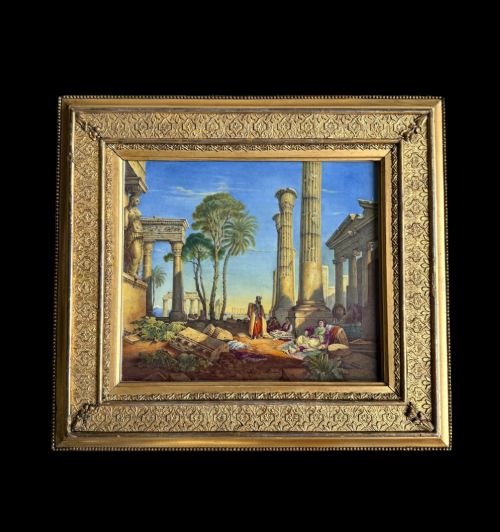
An antique ceramic tile painting captures hand-painted scenes on earthenware, porcelain, and tin glaze surfaces. These objects appear as framed art, wall plaques, and architectural tiles across various historic periods.
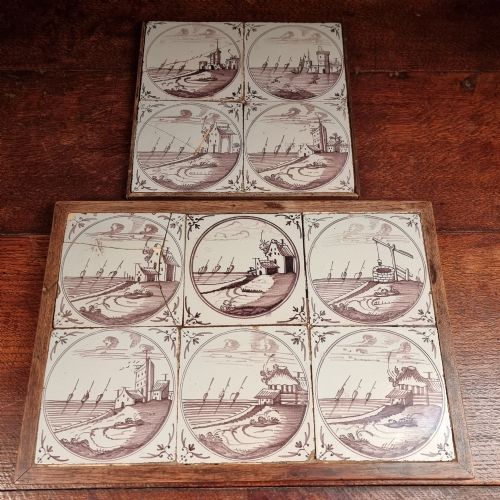
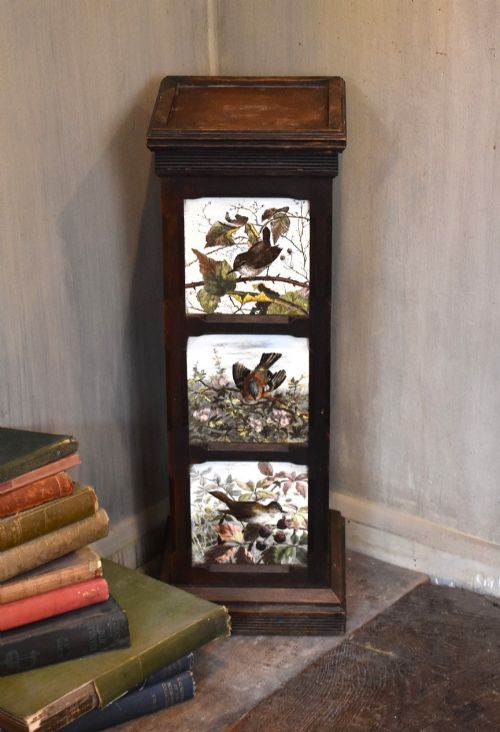
The pieces on this page span from the seventeenth century through the Victorian era and early twentieth century. Buyers encounter Dutch Delft motifs, Aesthetic Movement designs, and Italian faience among the listed wall art.
Subjects range from religious scenes and literary figures to botanical studies and classical motifs. Many pieces combine wood frames with ceramic surfaces to form cohesive decorative objects.
Materials and construction
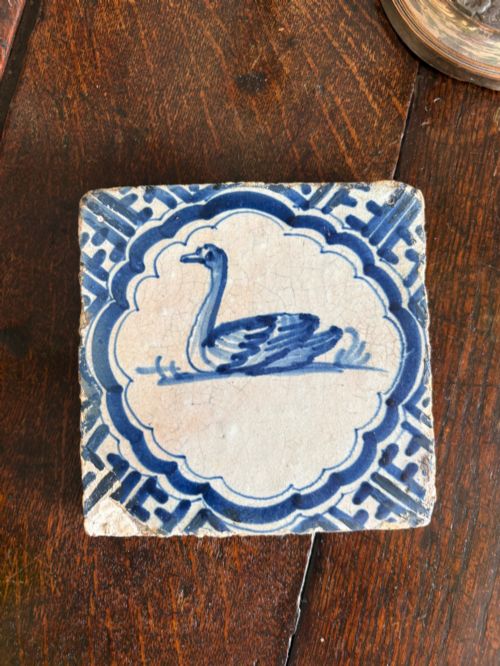
Maker workshops utilised earthenware and porcelain bodies as the foundation for pigment application. Cobalt pigment and polychrome colours provided the visual depth on tin glaze surfaces.
Artists applied hand-painted designs directly onto the ceramic before firing, sometimes incorporating gold leaf accents. Wooden framing protected the edges of wall plaques and framed tile pictures.
Listings feature earthenware, porcelain, and tin glaze materials across periods from the seventeenth century to the twentieth century.
Assessing quality and execution
The distinction in quality rests on the precision of the brushwork and the complexity of the painted composition. Finer pieces demonstrate controlled pigment application and detailed figurative work.
The integrity of the glaze surface and the harmony of the palette distinguish superior examples. Original framing and maker signatures also influence the character of individual plaques.
Architectural Pottery Co·William de Morgan
The Antique Ceramic Tile Painting Glossary
- Tin glaze
- An opaque white glaze containing tin oxide, providing a smooth surface for painted decoration. It is characteristic of Delft and majolica wares.
- Polychrome
- Decoration utilising multiple colours rather than a single pigment. This technique allows for complex pictorial representations.
- Earthenware
- Porous pottery fired at lower temperatures, commonly used for historic tiles and wall plaques. It requires a glaze to become impermeable to moisture.
- Faience
- European tin-glazed earthenware, often associated with Italian and French production. The term encompasses decorative plaques and painted panels.
Antique Ceramic Tile Painting: Frequently Asked Questions
How do I hang a ceramic plaque?
Most framed art and wall plaques utilise secure backing systems designed for vertical display. Ensure the wall fixings match the weight of the ceramic and wood combination.
Avoid hanging pieces in areas subject to excessive moisture or direct sunlight. Proper support prevents strain on the frame and the tile body.
What periods do these tiles cover?
The selections span from the seventeenth century through the eighteenth and nineteenth centuries into the early twentieth century. Each period displays distinct stylistic traits in pigment use and subject matter.
Dutch Delft and Italian faience represent the earlier centuries, while Victorian and Aesthetic Movement pieces reflect later tastes.
How should I clean painted tiles?
Dust surfaces gently with a dry, soft cloth to remove particulate matter without disturbing the glaze. Avoid liquid cleaners and chemical solvents that could damage historic pigments.
Preserving the original surface requires minimal intervention. Professional conservation is advisable for any structural issues.
Are these pieces hand painted?
The listings feature hand-painted motifs executed with cobalt pigment and polychrome colours. Brushwork and pigment saturation vary naturally across individual pieces.
Master painters produced devotional plaques, literary scenes, and botanical motifs by hand. This manual execution creates distinct variations between similar subjects.