

Regency Porcelain Painting
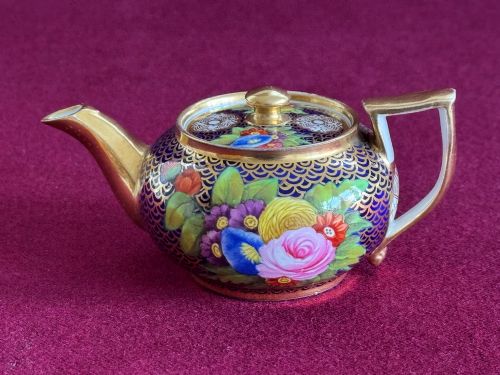
Regency porcelain painting brings together delicate ceramic forms and meticulous hand-applied botanical or landscape decoration from the early nineteenth century.
Regency Porcelain Painting
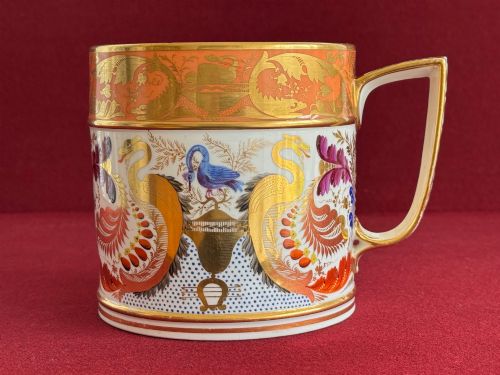
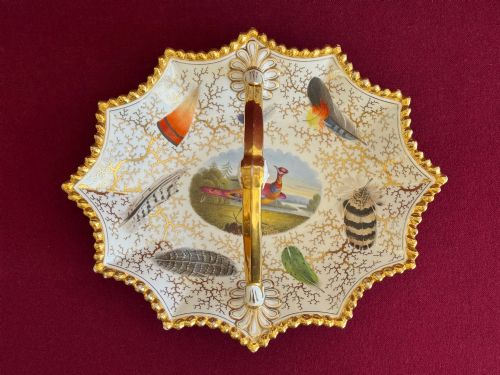
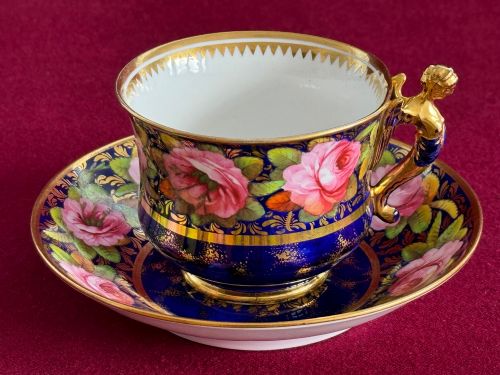
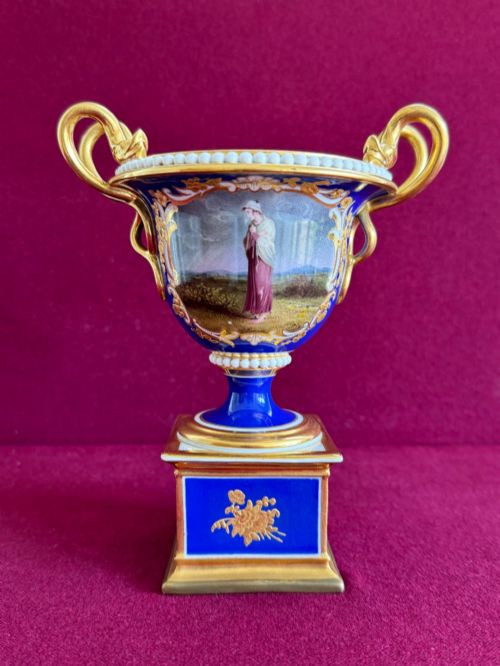
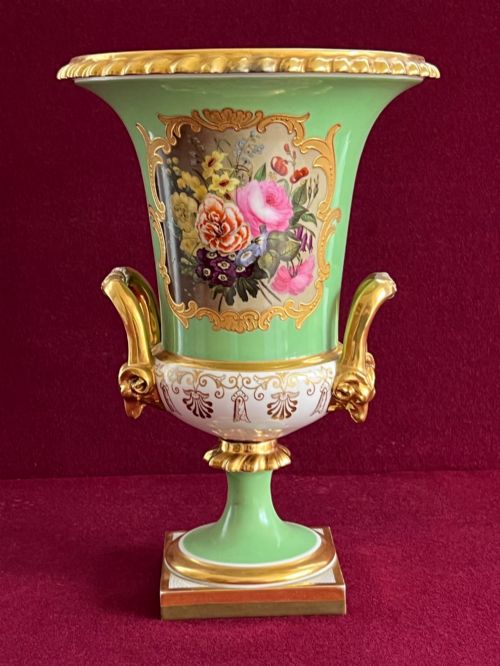
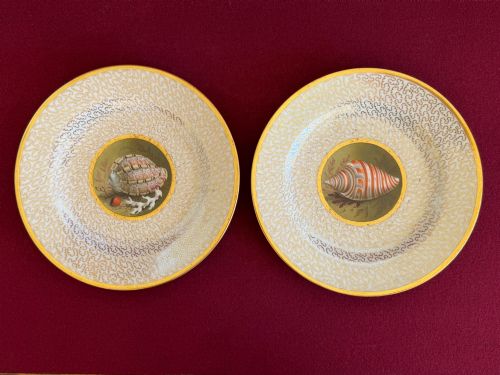
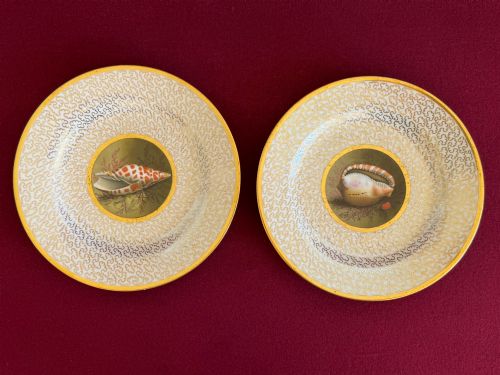
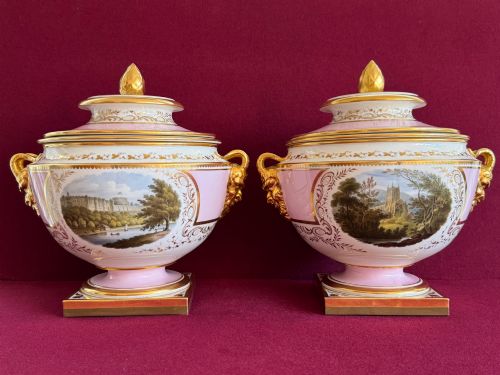
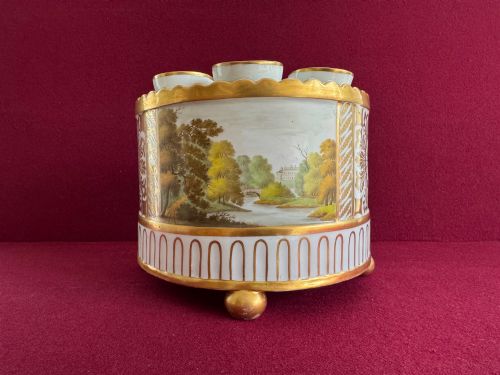
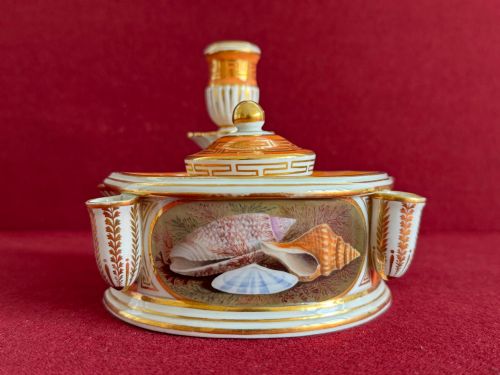
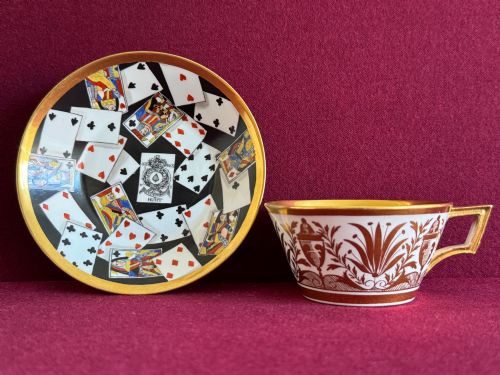
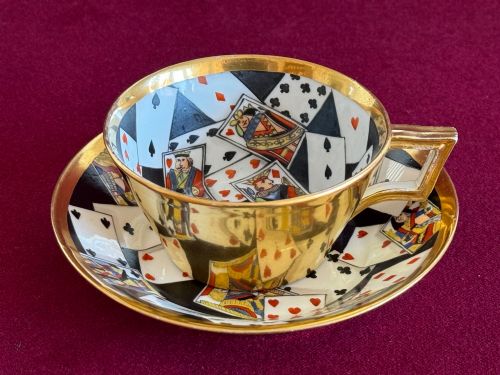
When searching for regency porcelain painting, collectors encounter delicate decorative objects such as vases, campana shapes, pastille burners, and tea wares produced during the Georgian and Regency periods. The forms range from utility items like porter mugs and cream tureens to cabinet display pieces like plaques and ice pails.
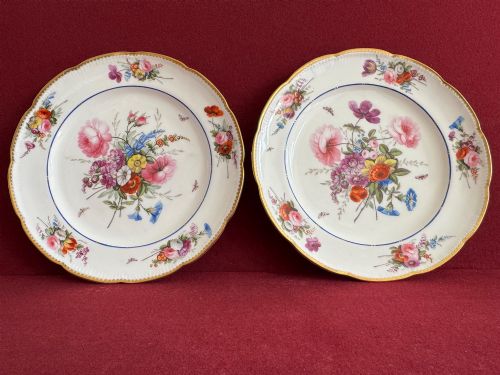
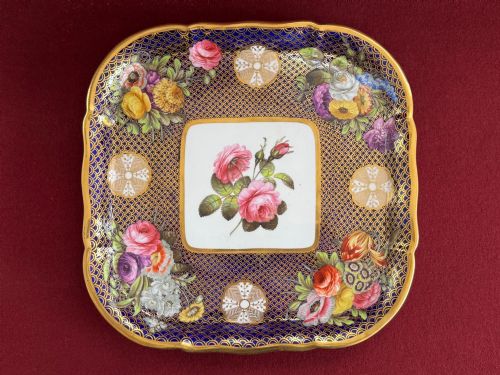
The most common examples on this page stem from prominent English factories such as Worcester, Spode, and Derby, often displaying detailed floral, fruit, or avian compositions. These pieces capture the transition from Neoclassical restraint towards the richer expressions of the William IV and Rococo Revival styles.
Vessels and flatware frequently utilise bone china alongside standard porcelain, decorated with rich coloured grounds and fine gilding. The artistry lies in the miniature scale of the brushwork applied directly to the glazed ceramic surface.
Distinctions in quality and execution
The sophistication of the handpainted subject matter largely governs the standing of an individual piece, moving from repetitive factory floral motifs to bespoke artistic commissions by named hands. Painterly precision, anatomical accuracy in birds or figures, and the subtlety of colour blending separate standard production wares from masterworks.
The richness of the gilding and the crispness of the porcelain moulding further define the hierarchy of these objects. Pieces retaining intact, burnished gold work alongside well-preserved enamel highlights represent the upper tier of period output.
Listings feature porcelain, bone china, and enamel decorated with gold leaf and gilding across Regency and Georgian periods.
Flight Barr and Barr·Spode Porcelain·Derby Porcelain·H and R Daniel·Chamberlain Worcester·Minton Porcelain
The Regency Porcelain Painting Glossary
- Bone china
- A hybrid porcelain containing calcined bone ash, which yields a durable, slightly translucent white body.
- Campana shape
- A classical urn profile resembling an inverted bell, frequently utilised for decorative vases during the Regency period.
- Gilding
- The application of gold leaf or powdered gold onto the ceramic surface, often burnished to a bright finish.
- Pastille burner
- A small perforated vessel designed to burn scented pastilles, popular for interior fragrance in Regency drawing rooms.
- Trio
- A matched set comprising a teacup, coffee cup, and matching saucer.
Regency Porcelain Painting: Frequently Asked Questions
What is regency porcelain painting?
It refers to hand-applied enamel decoration on ceramic bodies produced during the early nineteenth century. Artists painted botanical studies, birds, and landscapes directly onto tea wares and display pieces.
The work reflects the refined tastes of the Georgian and Regency eras, executed by skilled hands working within major English potteries.
How do I care for antique painted porcelain?
These items require gentle hand washing in warm water without abrasive sponges to protect the delicate enamel pigments. Avoid soaking pieces with gilt highlights to prevent the gold leaf from wearing away.
Display them away from direct sunlight to keep the handpainted colours vibrant over time.
How are these pieces dated?
Dating relies on factory marks stamped or painted on the base, combined with specific stylistic shapes and pattern numbers. Archive records help match particular decorative borders to known operational years.
Changes in porcelain body composition, such as the adoption of bone china, also provide reliable chronological markers.
Were these items used daily?
Many tea cups, saucers, and plates served practical functions in fashionable households during breakfast and evening tea gatherings. Other forms like pastille burners and decorative baskets fulfilled purely aesthetic and aromatic roles in the drawing room.
Survival rates vary depending on whether an object saw active daily handling or remained protected on a display shelf.