

Antique Ceramic Saucer
An antique ceramic saucer brings tabletop history into the home, offering fragile beauty and refined craftsmanship from earlier centuries.
What an antique ceramic saucer is
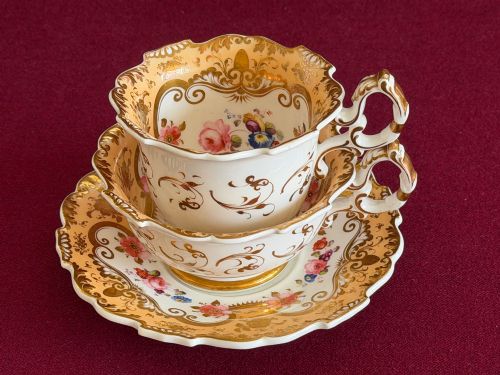
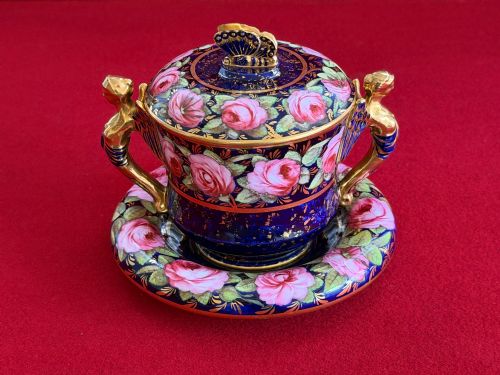
When searching for an antique ceramic saucer, a buyer finds delicate vessels originally designed to accompany morning and evening hot drinks. These pieces span the Georgian, 18th Century, and Regency periods, reflecting the shifting domestic tastes of their eras.
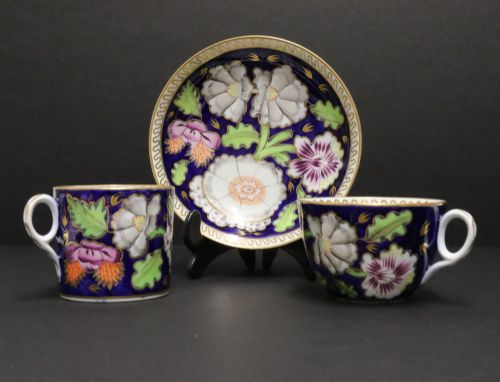
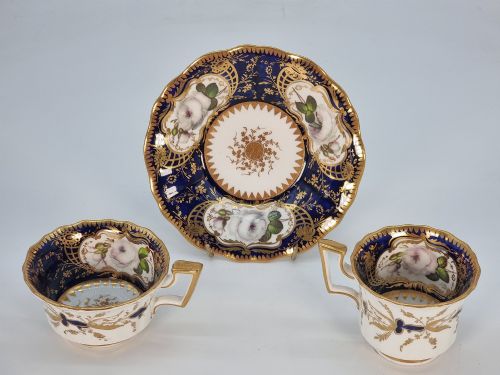
Visitors to this page are most likely to meet individual saucers or matched cups and saucers. Forms include standalone decorative dishes alongside companion pieces for coffee cups and teacups.
Origins represented in the current selection trace back to notable European ceramic traditions. English and continental workshops produced these items for formal tea and coffee service.
How they were made
Makers utilised hard-paste porcelain as a primary body, firing the ceramic at high temperatures to achieve a durable and vitreous finish. This dense material provided an ideal smooth surface for subsequent decoration.
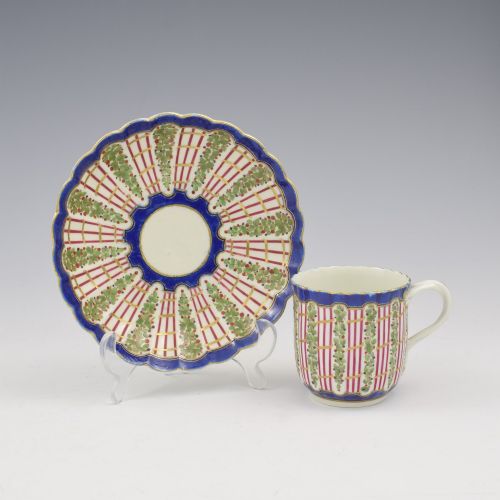
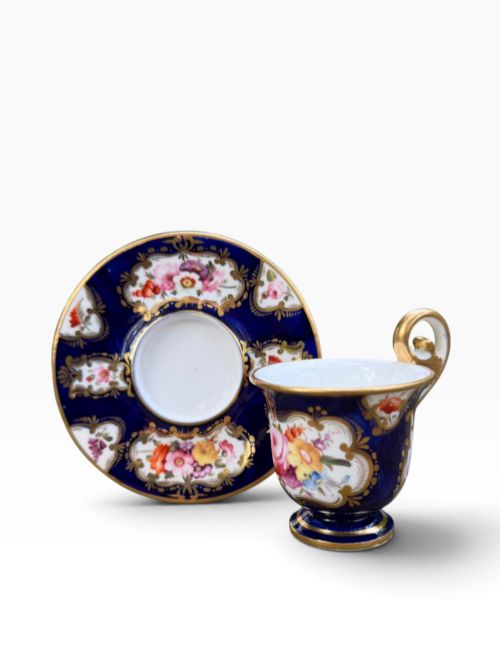
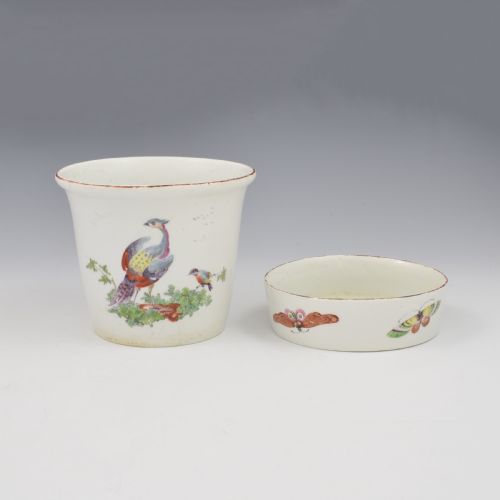
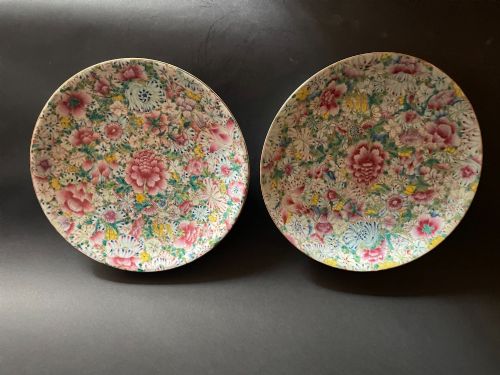
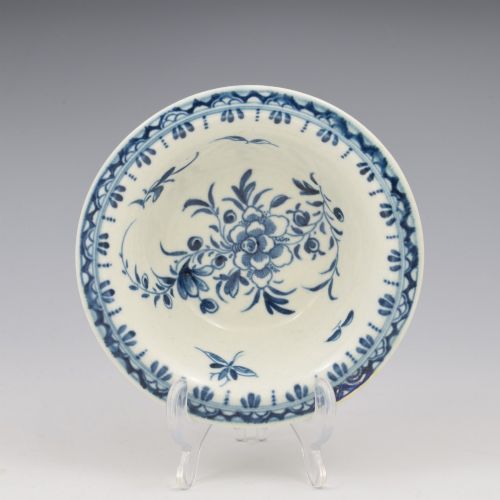
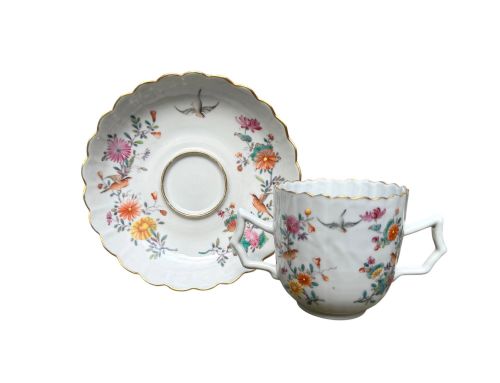
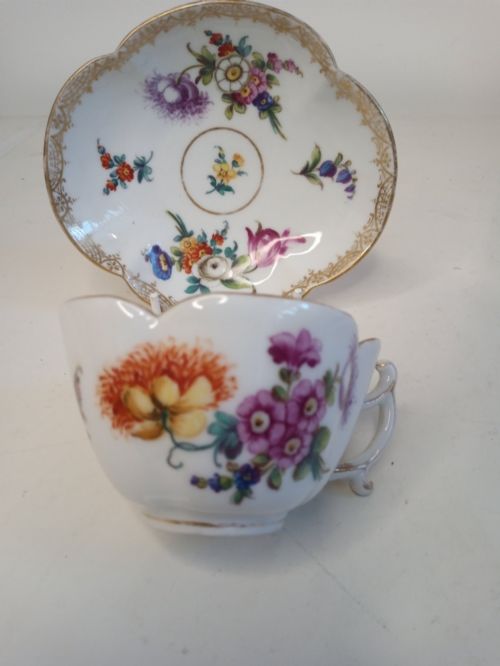
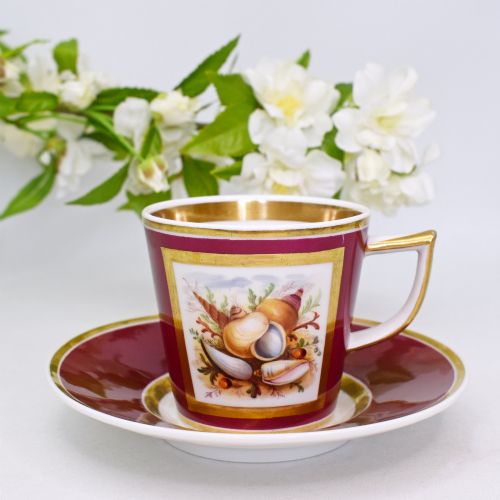
Surface design relied on hand-painted enamel pigments alongside applied gold leaf and gilding to create metallic highlights. Artisans carefully integrated blue ribbons, compartments, and fancy birds into the glaze.
Retail Price Guide 2026
Typical UK retail prices for ceramic saucer, calculated from the Sellingantiques database of over a million retail prices indexed since 2003. This retail price guide relies exclusively on Sellingantiques data; no external sources or auction records are used, so the figures do not describe the wider market.
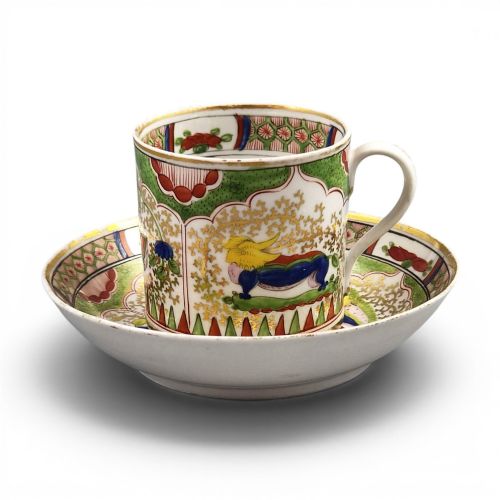
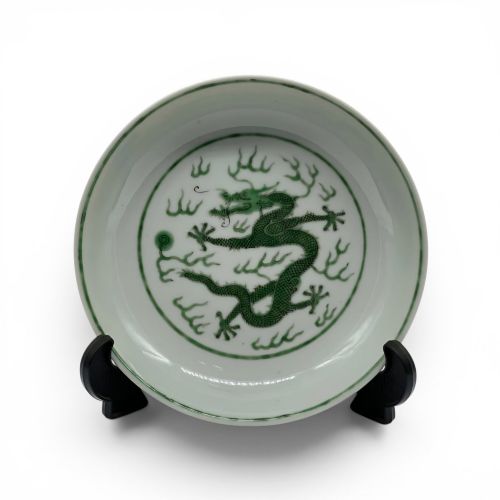
Some saucers feature elaborate compartments for dragons, proving that historical tea drinkers enjoyed a bit of mythical company with their morning brew.
What varies in quality
Differentiation across the range rests upon the precision of the painted decoration and the ambition of the pattern. Hand-rendered details such as delicate blue ribbon borders or complex bird motifs demand superior brushwork.
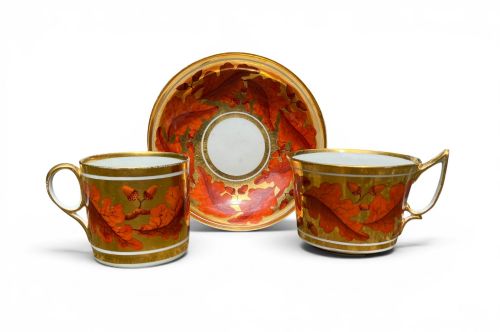
The application of gilding and gold leaf distinguishes standard production from finer output. Careful burnishing elevates the metallic elements, while the purity of the hard-paste porcelain body itself reflects superior manufacturing standards.
Worcester·Meissen·Spode
The Antique Ceramic Saucer Glossary
- Hard-Paste Porcelain
- A durable ceramic composition fired at high temperatures. It contains kaolin and petuntse, yielding a hard, translucent body.
- Enamel
- A vitrified decorative coating applied to ceramic surfaces. Painters use metallic oxides to achieve bright colours that remain permanent after firing.
- Gilding
- The application of gold leaf or gold powder to ceramic decoration. This technique adds reflective metallic borders and highlights to the rim or centre.
- Neoclassical
- A style drawing inspiration from classical antiquity. It influences the formal borders and balanced compositions seen on Regency and Georgian ceramics.
Frequently Asked Questions
How were these saucers used?
These saucers formed part of tea and coffee services in wealthy households. Diners often poured hot tea from the cup into the saucer to cool it before drinking.
Over time, changing dining etiquette separated the saucer into a standalone dish or a permanent companion to the teacup. They remained essential items for formal entertaining throughout the Georgian and Regency periods.
How do I care for an antique saucer?
Wash antique porcelain strictly by hand using lukewarm water and mild soap. Avoid soaking the piece, as moisture can penetrate old glazes and weaken historical repairs.
Keep these ceramics away from modern dishwashers and sudden temperature changes. Display them securely on stable surfaces or in dedicated cabinets to protect the delicate enamel and gilding.
How do I tell Georgian periods apart?
Georgian ceramics span a broad stylistic timeline from the eighteenth century into the nineteenth century. Pieces from the earlier decades often feature hand-painted birds and classical motifs under eighteenth-century aesthetics.
Later Regency examples introduce refined patterns like numbered designs and specific border treatments. Examining the underlying porcelain body and stylistic motifs helps narrow the production era.
What is hard-paste porcelain?
Hard-paste porcelain is a true ceramic body composed of kaolin and china stone fired at extremely high temperatures. This process vitrifies the mixture, creating a hard, non-porous material.
European factories developed hard-paste recipes to rival imports from Asia. It provides a bright, stable canvas for intricate enamel painting and gold leaf application.