

Antique Ceramic Plates
Antique ceramic plates bring centuries of table history into your home, offering tangible links to historical kilns and domestic rituals.
What antique ceramic plates are
Antique ceramic plates encompass functional and decorative vessels produced across the eighteenth and nineteenth centuries in various European traditions. These pieces reflect the evolving tastes of dining rooms and display cabinets over generations of domestic life.
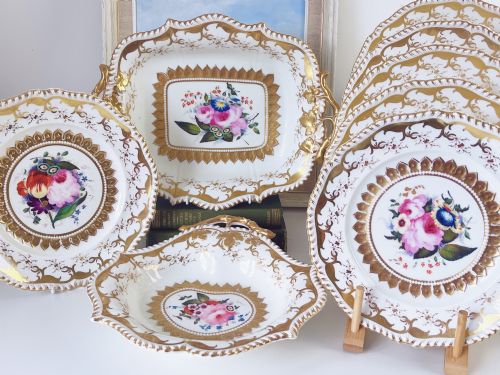
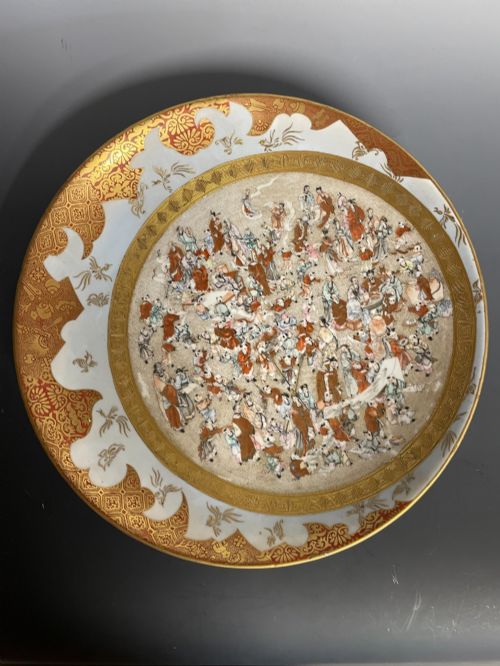
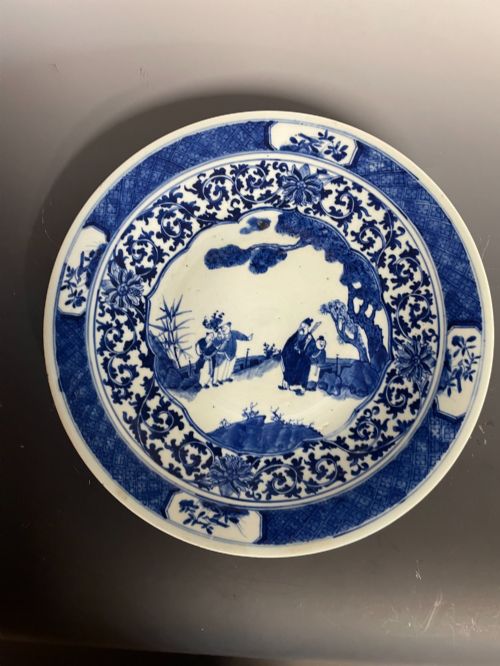
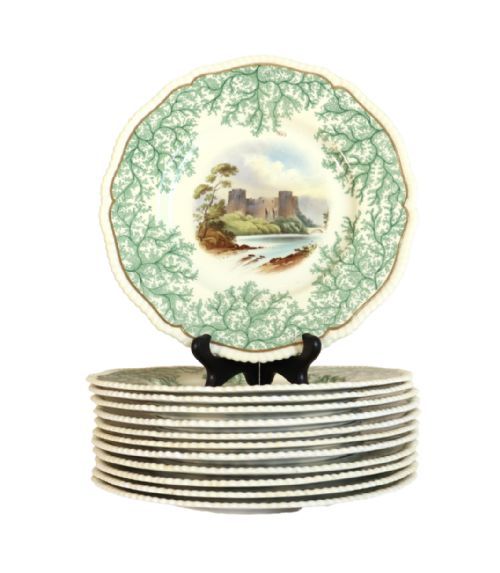
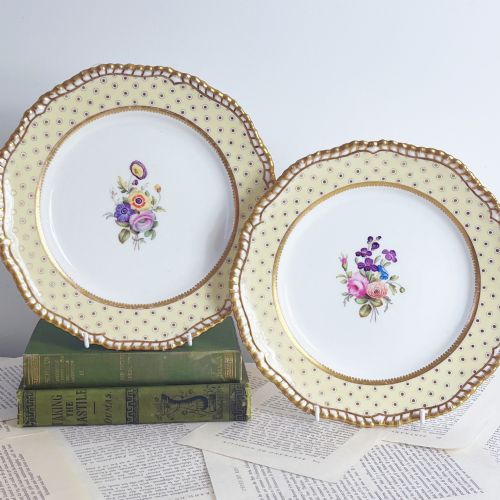
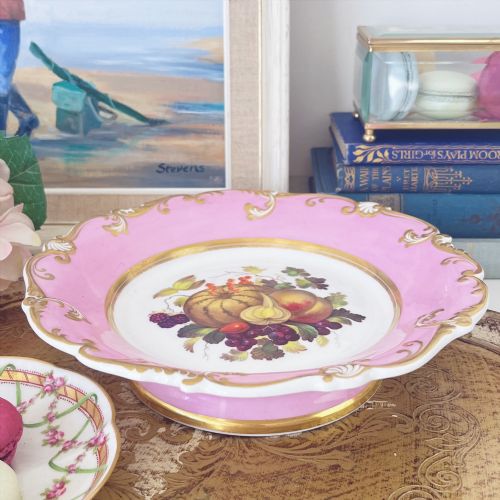
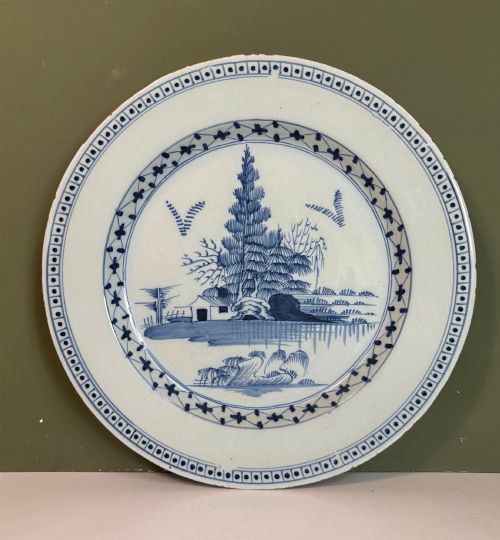
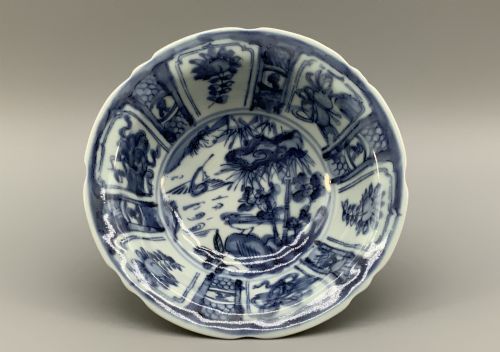
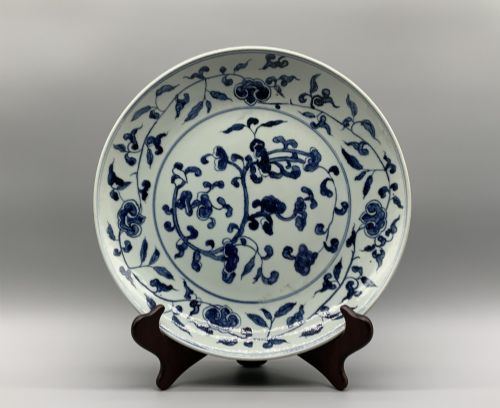
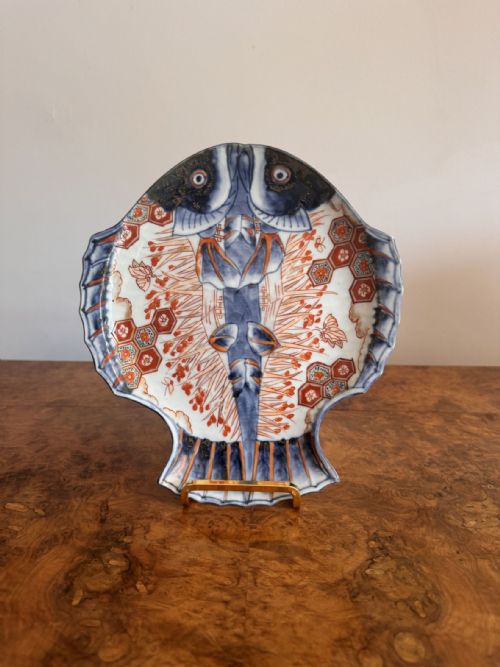
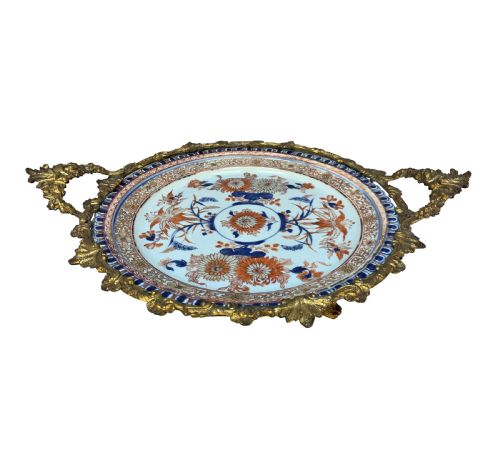
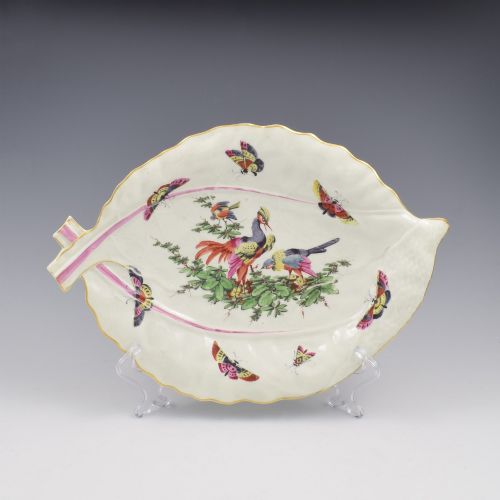
Georgian and Victorian Imari examples sit alongside Delft, Dutch productions, and pictorial blue and white printed wares. Each object carries the distinct stylistic markers of its period, from Rococo mouldings to classical floral borders.

How they were made
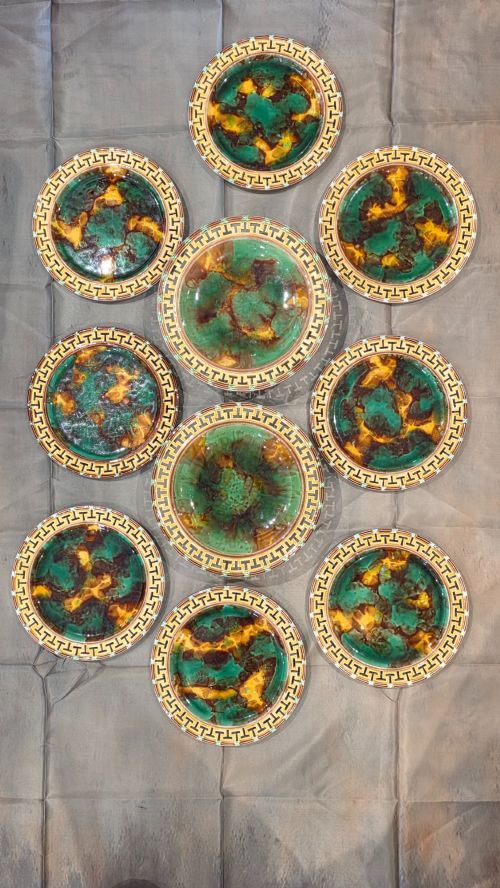
Potters shaped these vessels using traditional methods in clay bodies such as soft-paste porcelain, ironstone, and earthenware. Potters applied tin-glaze or transparent lead glazes before firing the ceramic bodies in kilns.
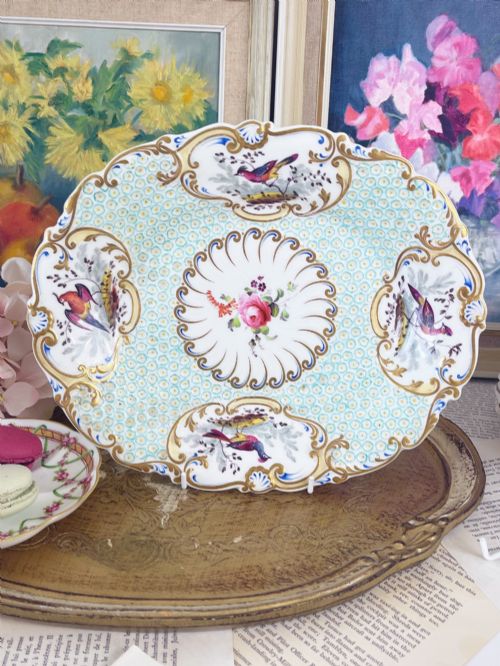
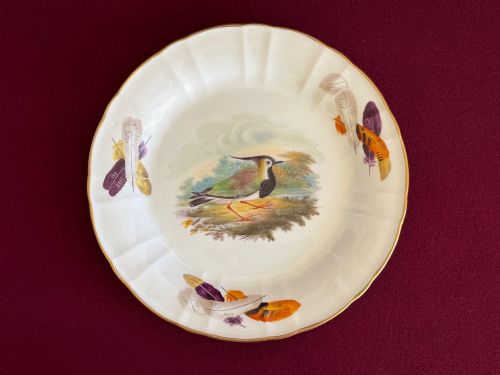
Decoration relied on hand-painted enamel pigments, blue and white transfer printing, and delicate gilding applied to the fired surfaces. Skilled artisans hand-painted floral motifs like the ozier border or intricate pictorial scenes directly onto the glaze.
Retail Price Guide 2026
Typical UK retail prices for ceramic plates, calculated from the Sellingantiques database of over a million retail prices indexed since 2003. This retail price guide relies exclusively on Sellingantiques data; no external sources or auction records are used, so the figures do not describe the wider market.
Listings feature ceramics spanning the eighteenth and nineteenth centuries, incorporating ironstone, soft-paste porcelain, and tin-glazed earthenware.
What varies in quality
Quality rests in the crispness of the transfer print, the delicacy of the hand-painted enamel work, and the sophistication of the ceramic body. Early soft-paste porcelain and well-potted ironstone display superior weight and resonance compared to standard utility wares.
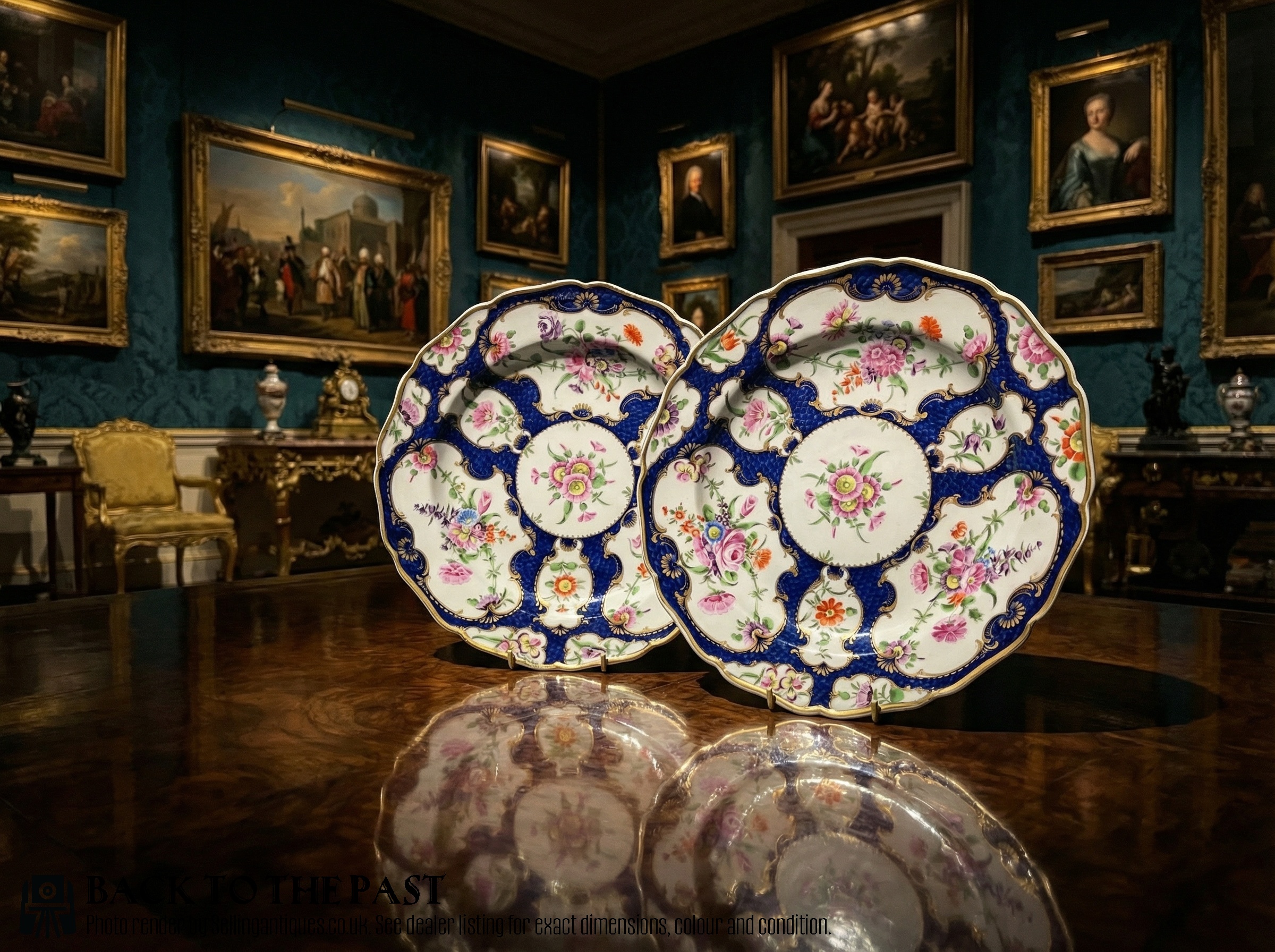
The refinement of the moulding, particularly in Rococo scrollwork or ozier relief borders, dictates the artistic ambition of the piece. Preservation of the original gilding and the depth of cobalt blue underglaze further separate standard production from exceptional examples.
Masons·Chantilly·Staffordshire·Worcester·Meissen
The Antique Ceramic Plates Glossary
- Ironstone
- A heavy, durable type of earthenware patented in the nineteenth century to rival true porcelain.
- Soft-paste porcelain
- A glassy ceramic material fired at lower temperatures than hard-paste porcelain, noted for its warm glaze texture and slight translucency.
- Tin-glazed earthenware
- Pottery covered with a white tin-oxide glaze that provides an opaque background for painted decoration, commonly associated with Delftware.
- Ozier border
- A moulded wickerwork pattern used on the rims of eighteenth-century plates to mimic woven baskets.
- Blue scale
- A dark blue patterned ground applied to porcelain surfaces, often reserved for luxury factories.
Frequently Asked Questions
How do I care for antique ceramic plates?
Wash these pieces gently by hand using mild soap and warm water, avoiding abrasive sponges or modern dishwashers that can damage old glazes and gilding.
Store them securely on plate racks or with protective felt dividers between stacked items to prevent edge chipping.
Were antique plates used for dining?
Many of these plates served daily or ceremonial dining functions in historical households, depending on their material and fragility.
Soft-paste porcelain and delicate decorative plates were often restricted to dessert courses or display, while ironstone and earthenware handled heartier meals.
How can I tell eighteenth-century plates apart?
Look closely at the ceramic body, glaze characteristics, and painting style to identify the production period and geographic origin.
Eighteenth-century pieces often feature softer paste bodies, tin-glazed surfaces, or hand-painted motifs like floral ozier borders distinct from later Victorian transfer-printed wares.
Can I hang antique plates on the wall?
Hanging antique plates is a traditional way to display pictorial designs and decorative colour patterns in your living space.
Utilise coated spring-wire hangers that distribute pressure evenly across the rim without biting into the historic ceramic fabric.