


Antique Ceramic Plate
An antique ceramic plate brings centuries of kiln work straight to the table, offering a tangible slice of Regency and 18th-century life.
What they are
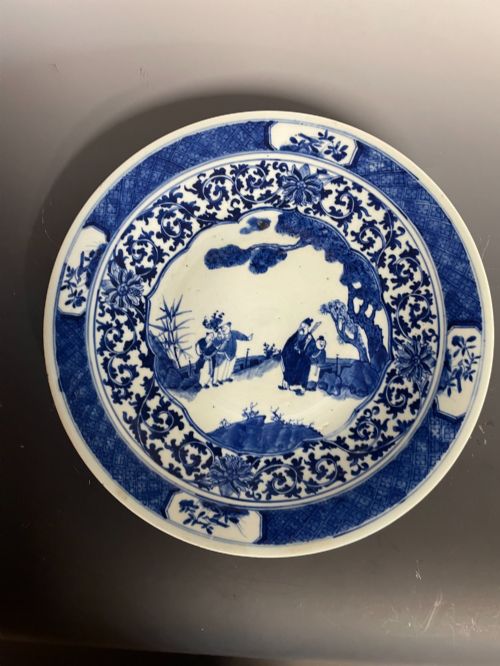
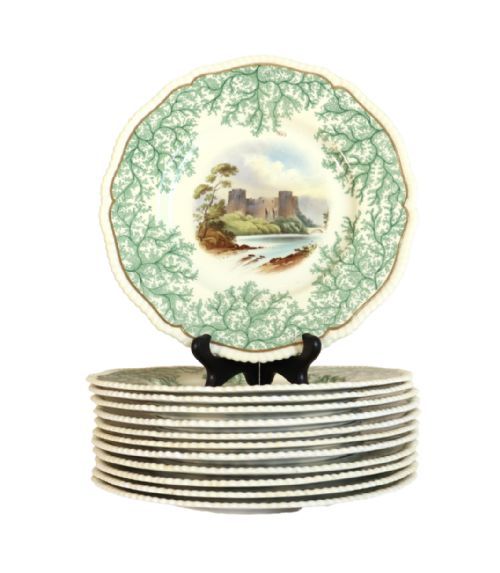
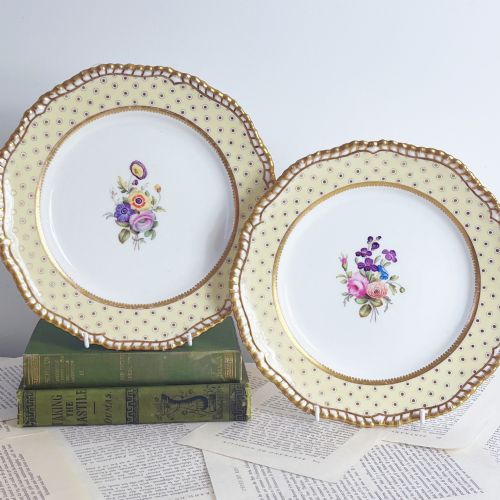
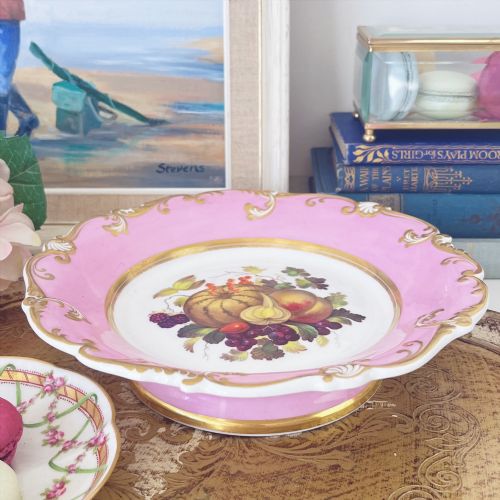
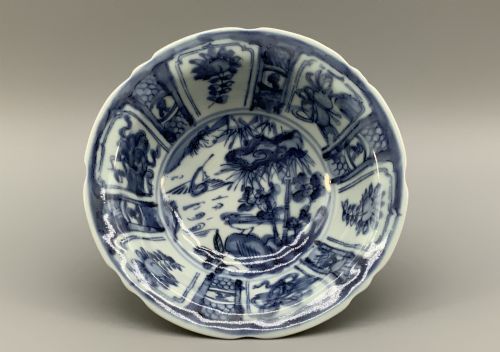
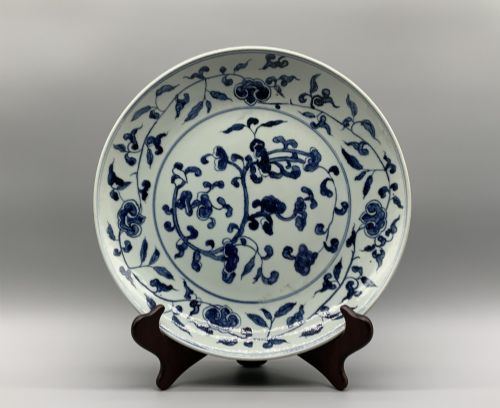
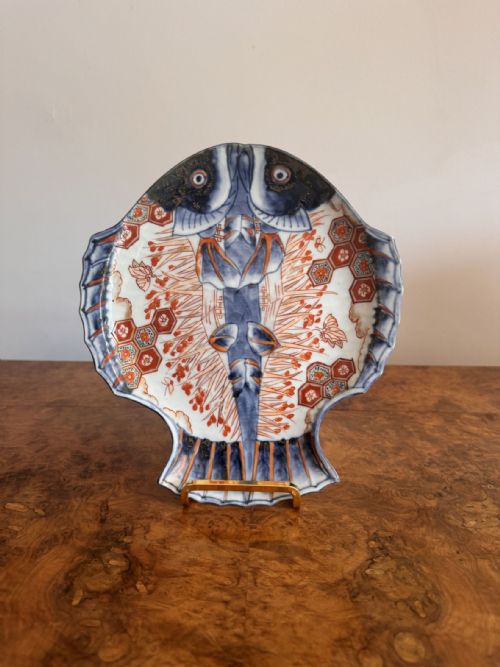
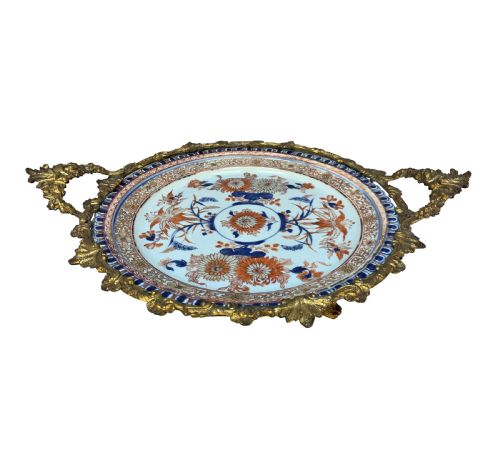
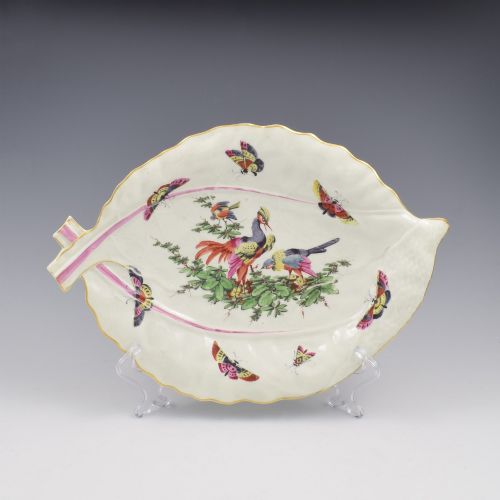
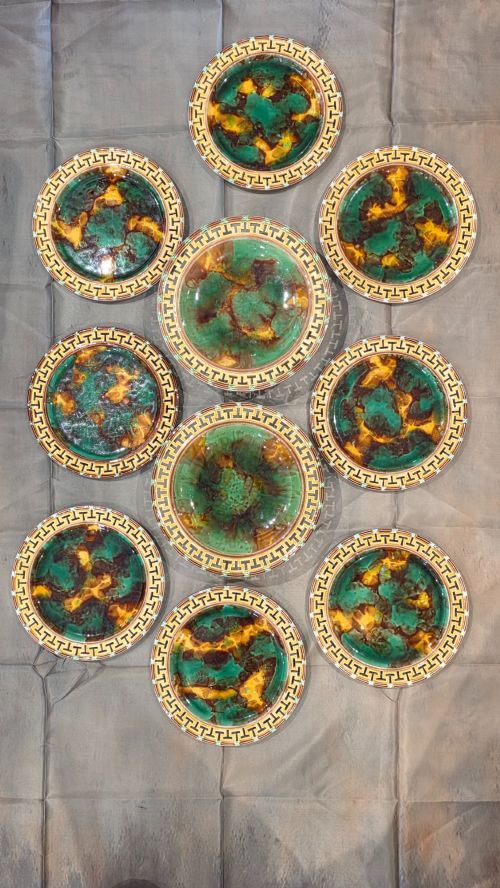
An antique ceramic plate encompasses cabinet plates, decorative plates, and serving dishes from the 18th and 19th centuries. Buyers searching for an antique ceramic plate often encounter pieces originating from English makers and Dutch kilns.
How they were made
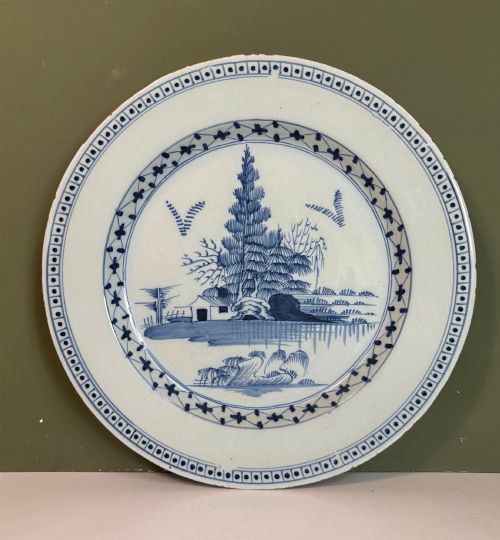
Potters shaped porcelain and earthenware on the wheel or in moulds before firing them in kilns. Tin glaze provided an opaque white surface suitable for hand-painting on early earthenware.
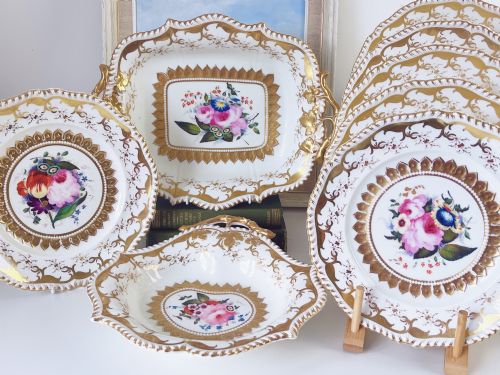
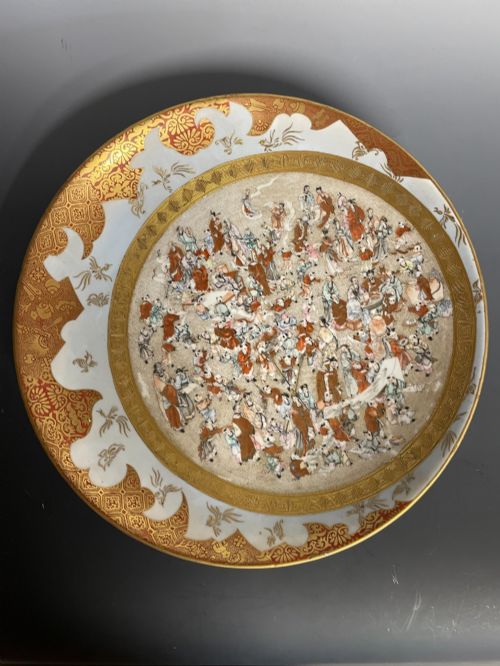
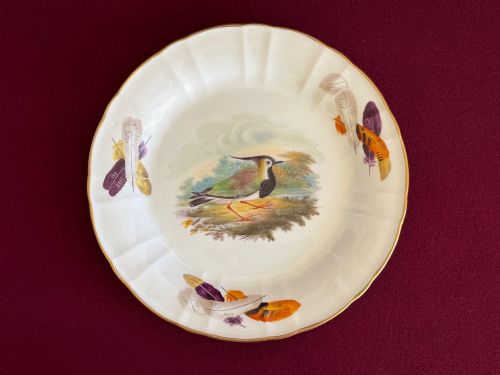
Decoration often involved enamel colours and gold leaf or gold gilt applied by hand. Skilled artisans painted intricate patterns directly onto the fired ceramic body.
Some plates feature the Jabberwocky pattern, bringing a touch of whimsical 1830s Worcester imagination straight to the dessert table.
What varies in quality
Quality rests in the finesse of the hand-painting and the purity of the ceramic body. Crisp enamel work and delicate gilding separate fine cabinet plates from standard wares.
The prestige of the maker and the complexity of the pattern dictate the upper tier of the range. Earlier tin-glazed pieces derive their merit from the spontaneity of the brushwork.
Anstice Horton and Rose·Chamberlain·Barr Flight and Barr
The Antique Ceramic Plate Glossary
- Cabinet plate
- A decorative plate intended for display in a cabinet rather than for everyday dining. These pieces usually feature elaborate painted scenes or rich gilding.
- Tin glaze
- An opaque white glaze containing tin oxide, applied to earthenware before painting. This technique formed the smooth white surface characteristic of delftware.
- Gold leaf
- Beaten gold hammered into extremely thin sheets and applied to ceramic surfaces for decoration. It adds a reflective metallic border or highlight.
- Earthenware
- Porous pottery fired at lower temperatures than porcelain. It requires a glaze to become impermeable to liquids.
- Porcelain
- A hard, fine-grained ceramic fired at high temperatures until vitrified. It rings clearly when struck and allows for thinner, more refined vessels.
Frequently Asked Questions
What is an antique ceramic plate?
An antique ceramic plate is a historic dish made from porcelain, earthenware, or tin-glazed clay dating from the 18th or 19th century.
These items served as decorative cabinet pieces, dessert plates, or serving vessels in period homes.
How do I identify Regency plates?
Regency plates typically date from the early 19th century and often feature refined porcelain bodies with hand-painted motifs and gilding.
Maker marks or specific stylistic cues from factories active during this era help confirm the period.
Can I use antique plates for dining?
Most antique ceramic plates, particularly delicate cabinet plates and early tin-glazed pieces, are better suited for display.
Age, historical value, and fragile enamel or gold leaf decoration mean they require careful preservation rather than daily use.
What is tin glaze?
Tin glaze is a lead glaze rendered opaque by the addition of tin oxide, used primarily on earthenware to create a white background.
This technique was fundamental to the production of traditional delftware plates.
How do porcelain and earthenware differ?
Porcelain is fired at much higher temperatures until vitrified, resulting in a dense, white, and non-porous body.
Earthenware is softer, more porous, and requires a glaze to seal the clay body.