


Antique Ceramic Ornament
An antique ceramic ornament brings sculptural form and painted detail into a room, spanning figures, animals and vessels from centuries of global kilns.
Antique Ceramic Ornament
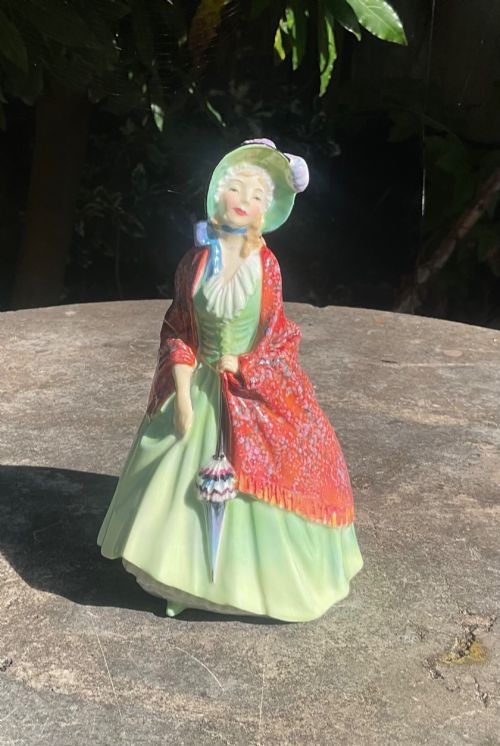
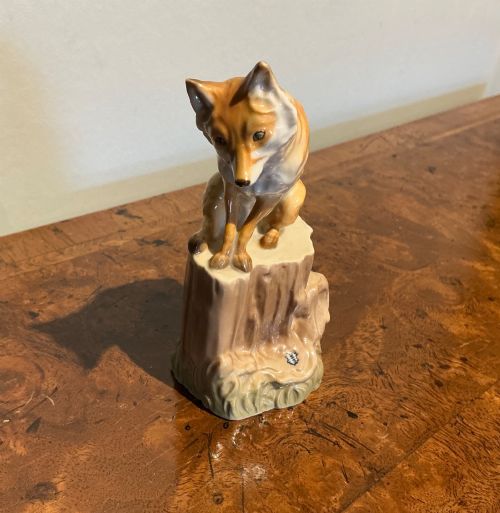
When searching for an antique ceramic ornament, a buyer encounters a diverse group of sculptural objects that served decorative or functional roles in domestic interiors. These items range from mantelpiece figures and spill vases to animal sculptures and cabinet groups produced across centuries of ceramic tradition.
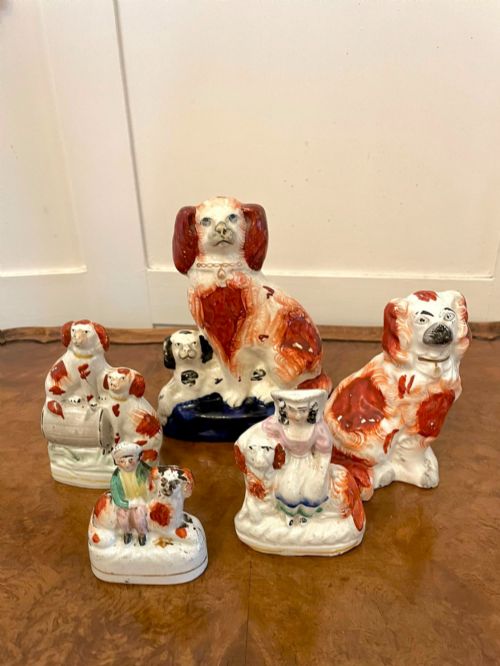
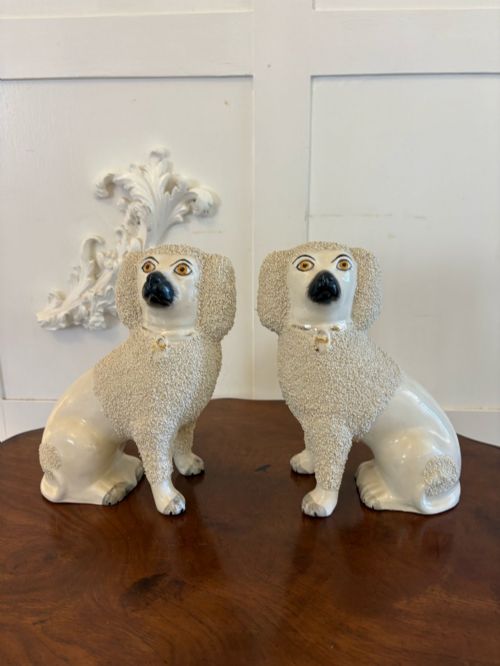
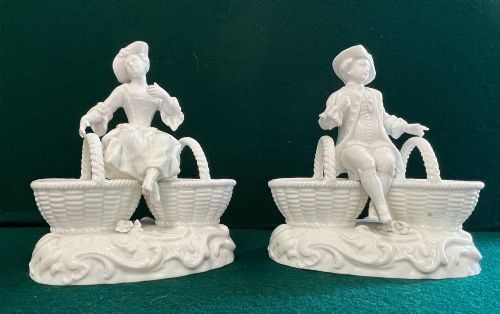
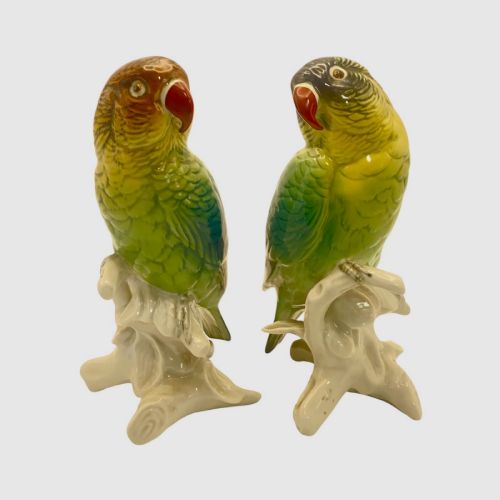
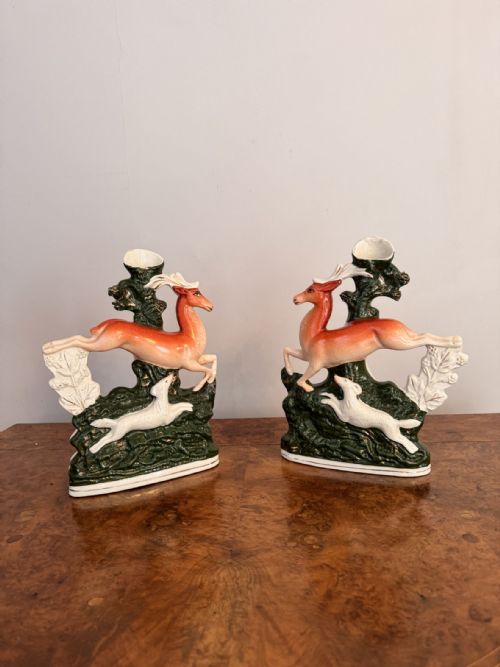
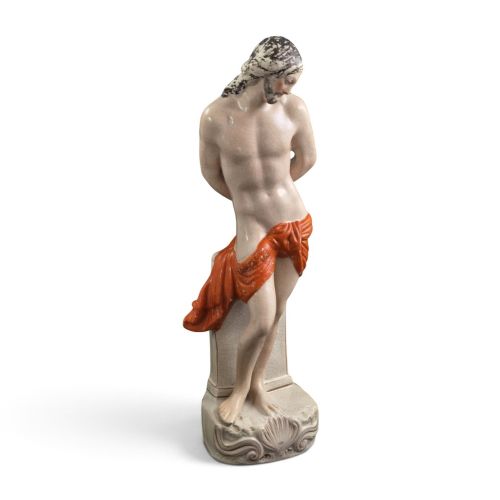
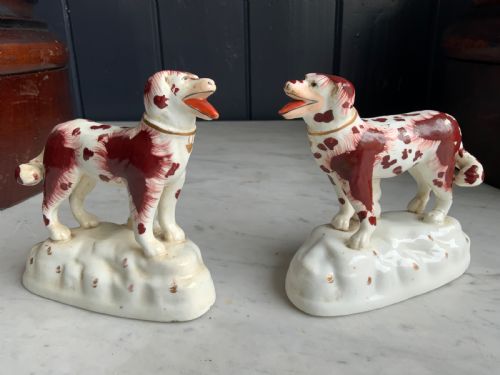
The most common version met on this page is the 19th-century earthenware Staffordshire figure or pair of animals, alongside Continental porcelain birds and figures from factories such as Meissen. These pieces capture the tastes of Victorian parlours and later Edwardian cabinets through modelled clay and painted or glazed surfaces.
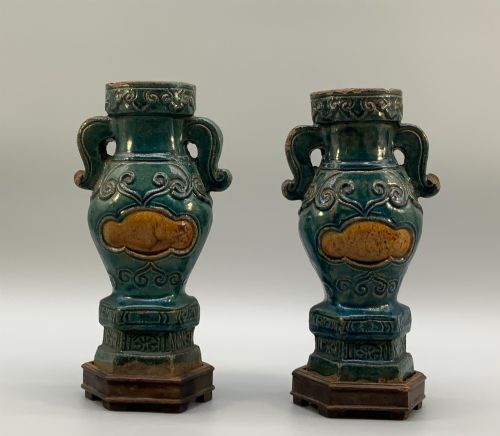
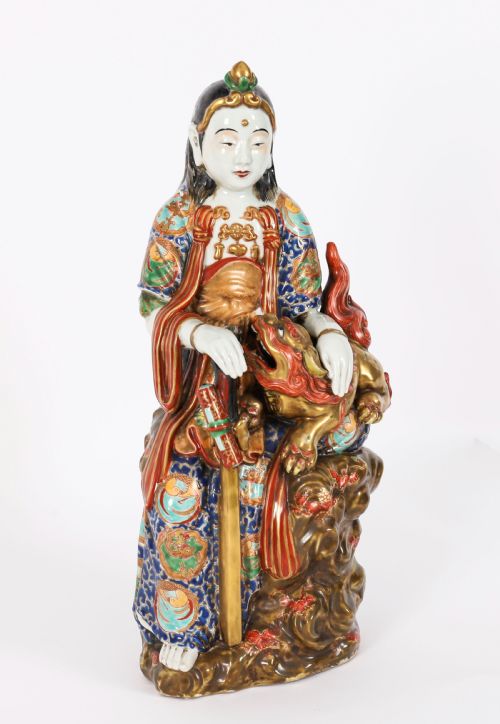
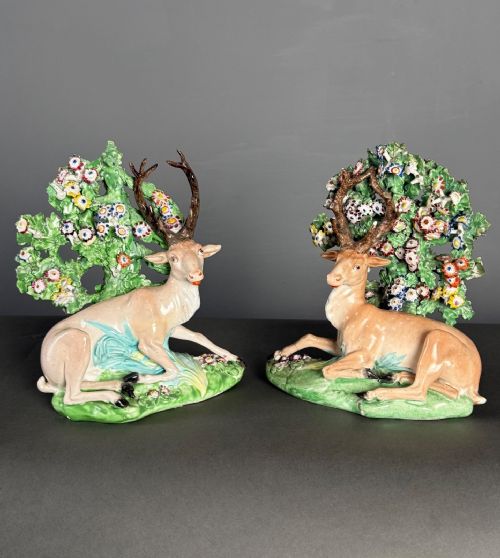
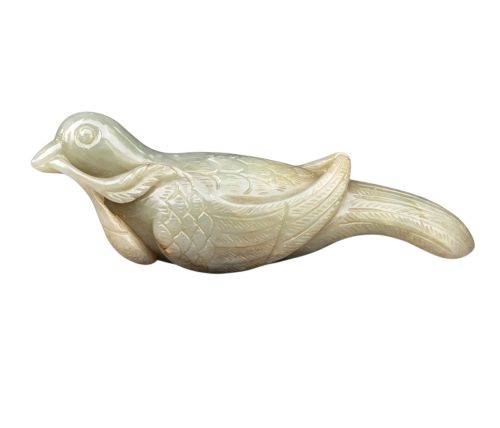
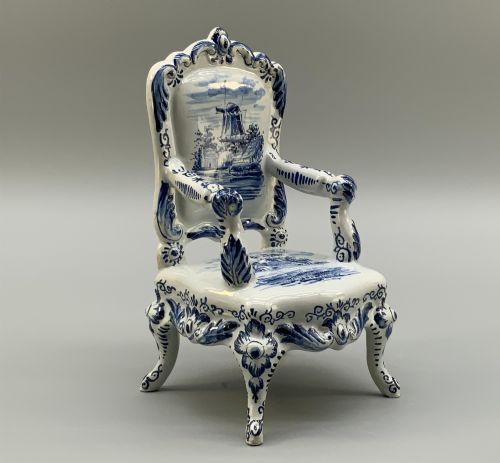
Beyond English and European output, the selection encompasses Asian ceramics including Japanese Kutani porcelain and Chinese Ming Dynasty works, each demonstrating distinct regional glaze and firing techniques. These varied origins mean a collection might include anything from a miniature Delft chair to a large Derby stag.
How they were made
Makers shaped these ornaments using earthenware, porcelain or stoneware, often employing moulds to form complex figures of humans, animals and architectural subjects. Once shaped, pieces received hand-painted enamel decoration, underglaze blue, or coloured glazes before undergoing kiln firing to fix the colours and vitrify the body.
Antique Ceramic Ornament Retail Price Guide 2026
Typical asking prices for ceramic ornament among the pieces listed under this phrase on Sellingantiques today, from the lower quarter to the upper quarter. They describe what is for sale here now, not the wider market.
Listings feature periods spanning from the 18th century to the 1930s, encompassing earthenware, porcelain and lead glaze materials.
What varies in quality
Maker attribution and the preservation of original factory marks also influence standing within the category. Works carrying clear factory attribution or demonstrating exceptional sculptural presence represent the higher end of the range.
Royal Doulton·Meissen·Karl Ens·Derby·Nymphenburg·Royal Worcester·Volkstedt Rudolstadt Factory
The Antique Ceramic Ornament Glossary
- Earthenware
- A porous pottery body fired at lower temperatures, commonly found in 19th-century Staffordshire figures. It requires a glaze to become impermeable to liquids.
- Porcelain
- A dense, hard ceramic material fired at high temperatures, known for its fine grain and translucent quality. European and Asian kilns utilised different clay compositions to achieve this finish.
- Spill Vase
- A hollow cylindrical container attached to a figurine, designed to hold wooden spills used for lighting fires or pipes. These dual-purpose objects were popular in domestic settings during the 19th century.
- Flatback
- A style of Staffordshire figure where the rear of the piece is unpainted and flat, intended to sit flush against a mantelpiece wall. This method saved time and materials during production.
- Glaze
- A glassy coating fused to the ceramic body through firing, providing colour, shine and protection. Variations include lead glaze and tin glaze depending on the regional tradition.
Antique Ceramic Ornament: Frequently Asked Questions
What is a spill vase?
A spill vase combines a decorative figurine or animal group with an adjacent hollow tube used to hold wooden fire lighters. These objects sat on mantelpieces before the invention of safety matches.
They frequently feature naturalistic settings such as tree trunks or foliage that double as the container for the spills.
How are Meissen figures marked?
Meissen porcelain figures often bear the underglaze blue crossed swords mark applied by the factory from the 18th century onward. Additional numbers or pressmark incisions may also appear on the base.
The quality of the porcelain body and the intricate detailing of the modelled flowers and garments offer further clues to their origin.
Where were Dutch Delft figures made?
Dutch Delftware ornaments were produced in and around the town of Delft in the Netherlands, drawing on Chinese porcelain import styles. They are characterised by tin-glazed earthenware decorated in blue and white.
Subjects ranged from animals to miniature furniture, reflecting the playful nature of 19th-century ceramic production.