
Antique Ceramic Lamps
Antique ceramic lamps bring domestic history and decorative glaze into modern rooms, turning centuries-old vessels and figures into functional light sources.
Antique Ceramic Lamps
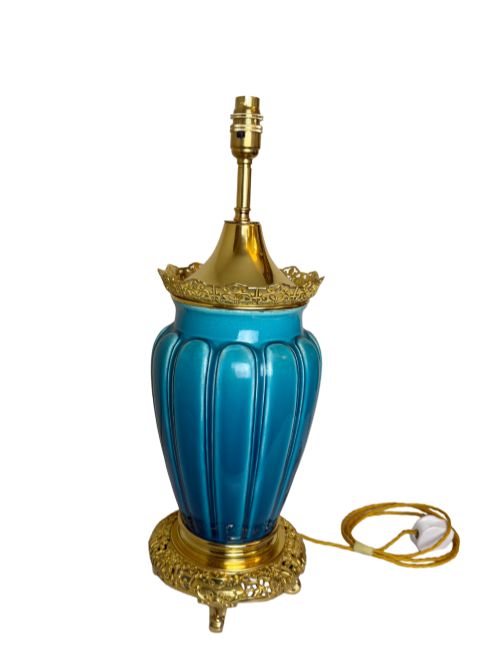
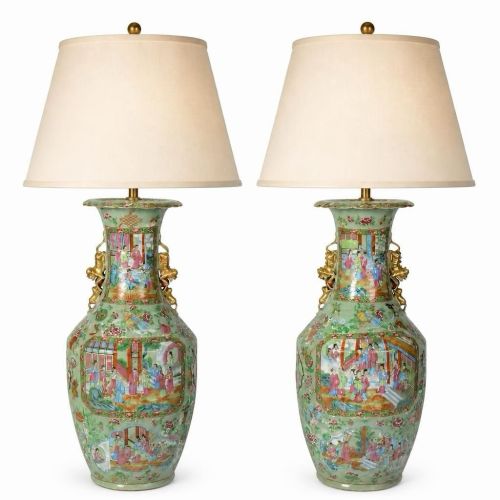
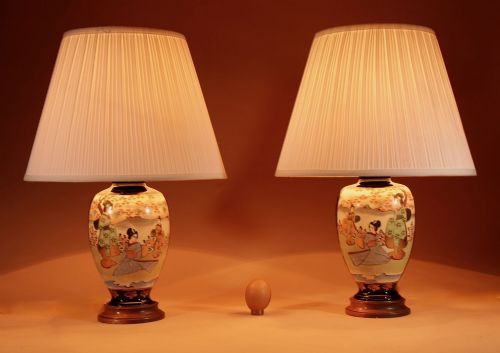
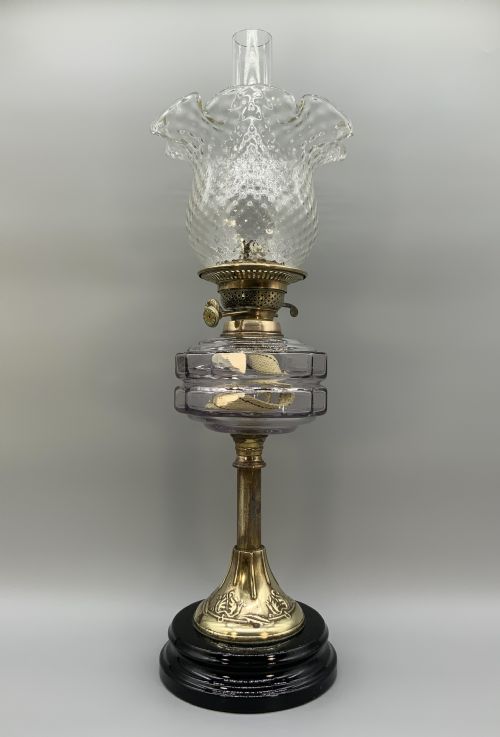
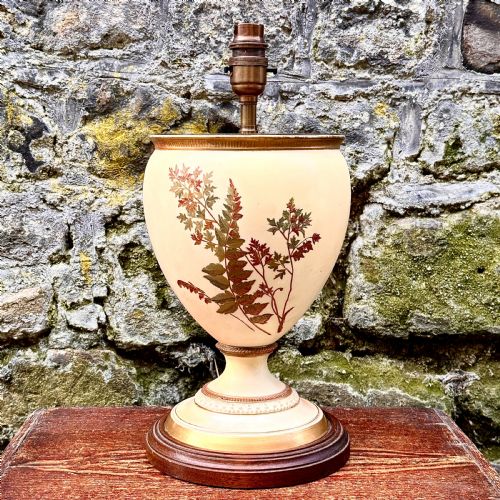
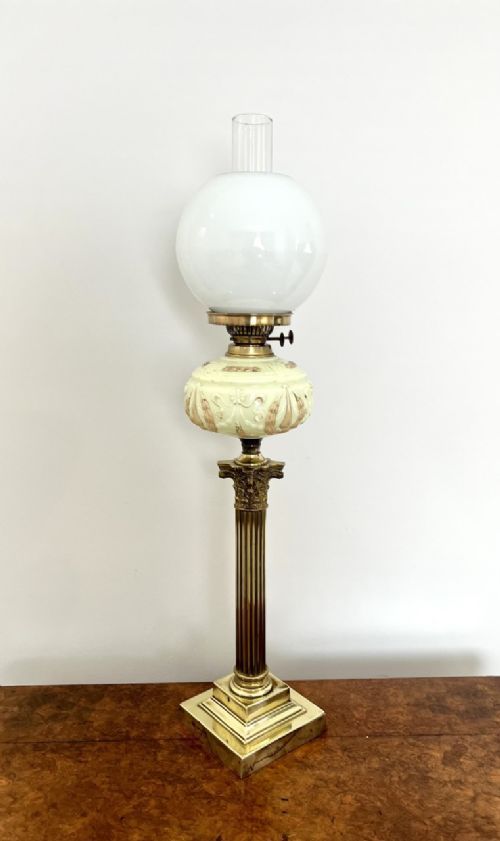
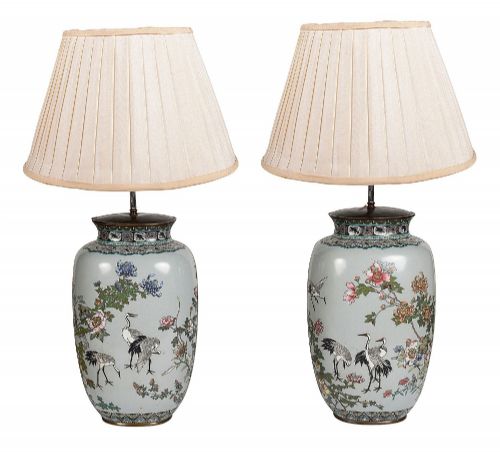
When searching for antique ceramic lamps, buyers encounter a diverse selection of converted vessels, oil burners, and figural bases spanning the eighteenth to the twentieth centuries. These pieces originate from diverse traditions, including Victorian English factories, continental European potteries, and East Asian kilns.
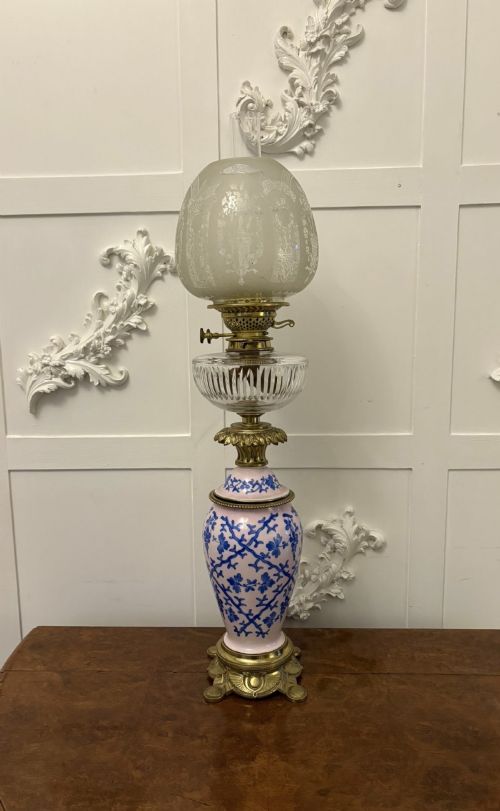
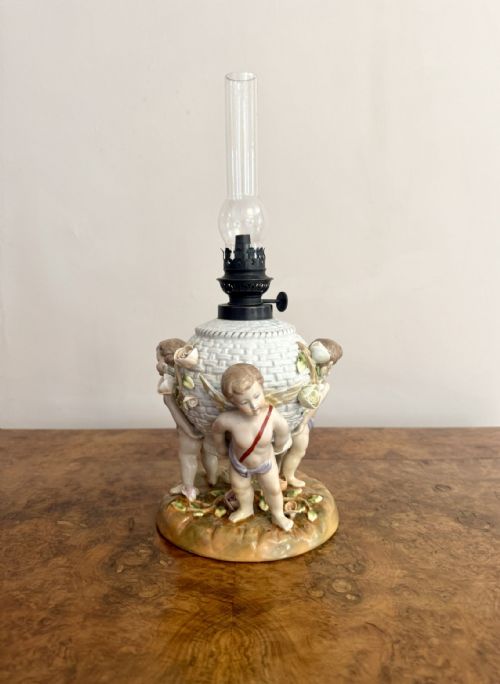
The most common examples on this page are nineteenth-century porcelain and earthenware bodies adapted for electricity or retaining their original brass and bronze oil-burner fittings. Vases, jars, and figures frequently form the main body, often paired with matching pairs or individual statement pieces.
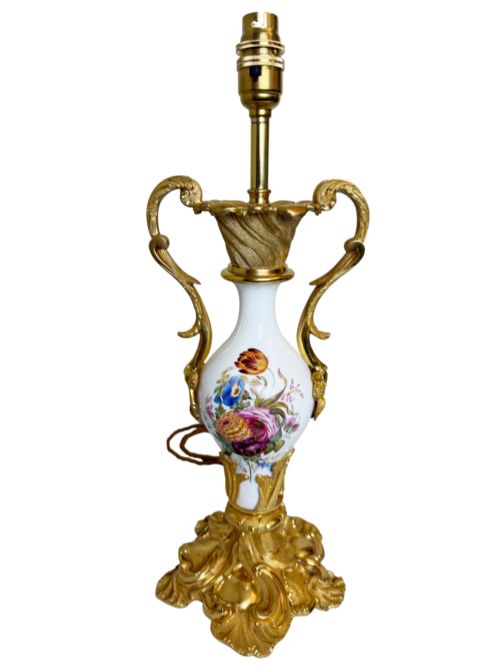
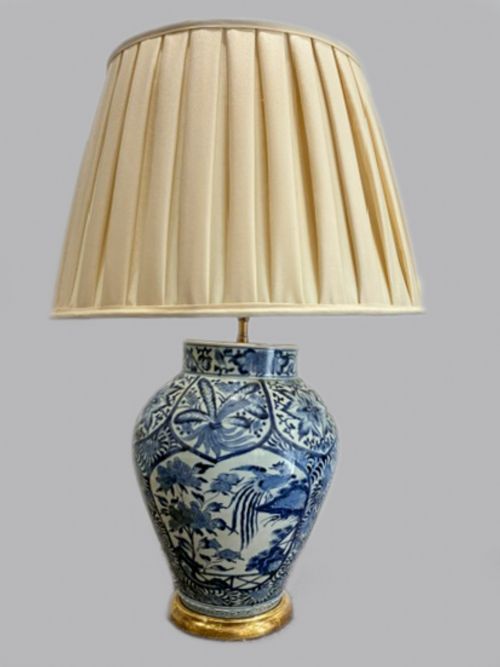
Makers utilised porcelain, earthenware, and stoneware, frequently mounting them on brass or gilt bronze bases to elevate their status in period drawing rooms and parlours. Many items represent later conversions of earlier Chinese and European vases, bridging distinct centuries of craftsmanship.
Materials and construction methods
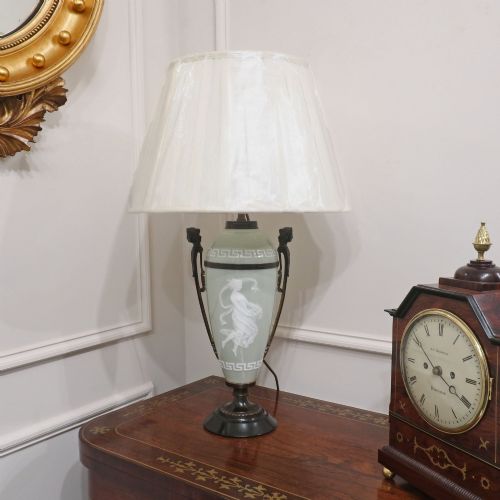
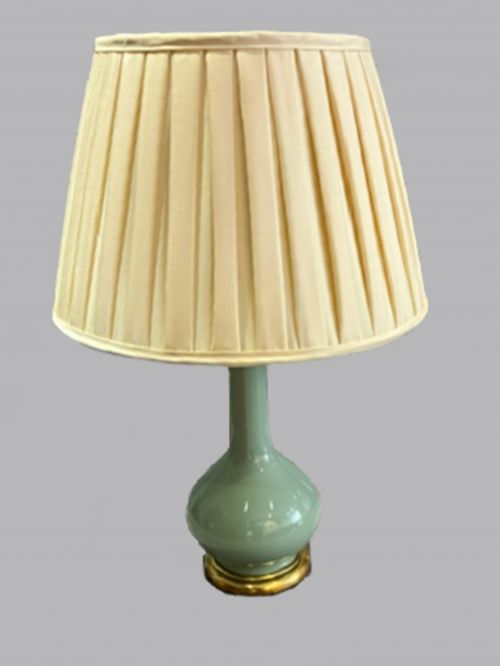
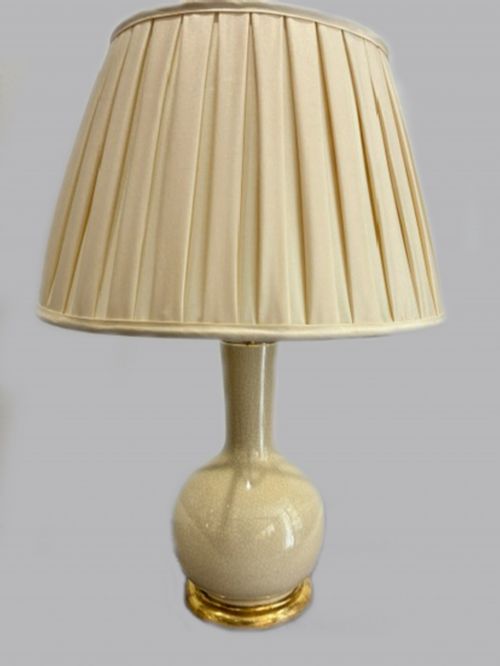
Potters shaped ceramic bodies on the wheel or in moulds before applying glazes, ranging from crackle ware and celadon to delicate pate sur pate and hand-painted blue and white decoration. These ceramic elements were subsequently combined with metal mounts in brass, copper, or gilt bronze to secure the electrical or oil components.
Conversion processes often involved drilling the ceramic base or mounting collars onto existing vases without damaging the principal glaze, integrating fabric shades and hand-blown glass elements. Metalwork components such as burners and collars came from specialised metal-working firms before reaching the final assembly.
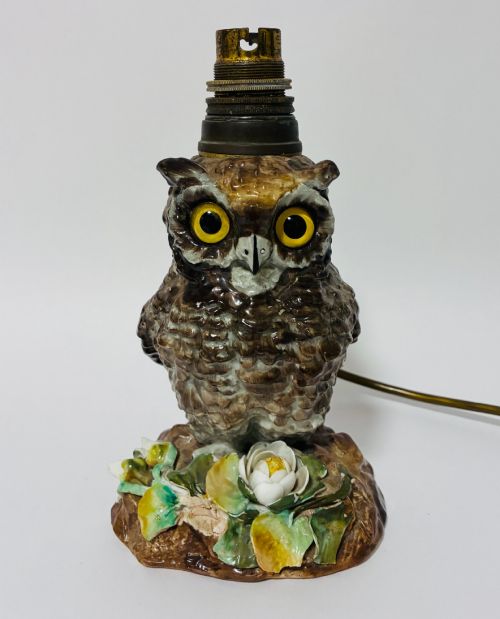
German porcelain spitz dogs and wide-eyed owls stand ready to illuminate dark corners with their ceramic gaze.
Distinctions in quality
Quality rests upon the crispness of the porcelain moulding, the delicacy of the hand-painted or enamelled decoration, and the integration of metal mounts. Finer examples retain original gilding and undamaged ceramic bodies without heavy restoration.
The weight and finish of the brass or gilt bronze mountings separate standard production items from exceptional commissions. Matched pairs command greater attention than assembled counterparts due to the uniformity of their ceramic firing and decorative schemes.
Sitzendorf·Royal Worcester·Hinks·Taylor Tunnicliff·Hicks and Meigh
The Antique Ceramic Lamps Glossary
- Celadon
- A type of transparent green glaze applied to pottery, creating subtle jade-like tones over carved or plain ceramic surfaces. This finish originates in East Asian kilns and appears frequently on converted nineteenth-century vases.
- Pate sur pate
- A ceramic decoration technique where successive layers of white slip are built up on a coloured clay body to create a low relief cameo effect. This method demands immense skill from the porcelain artist.
- Gilt bronze
- Copper alloy treated with a layer of gold to give a rich, durable metallic finish. It secures ceramic lamp bodies and provides decorative feet or collars.
- Cloisonne
- Enamelling method where metal wires form compartments on a vessel surface to hold coloured glass pastes before firing. Surviving examples display intricate geometric or floral patterns.
- Oil lamp
- A domestic lighting device utilising a wick and oil reservoir before conversion to electricity. Many surviving antique ceramic examples retain their original brass burner mechanisms.
Antique Ceramic Lamps: Frequently Asked Questions
Are these lamps safe for modern electrical use?
Most antique lamps are rewired by dealers or require professional rewiring to meet contemporary safety standards before regular domestic use.
Buyers should have a qualified electrician inspect the vintage internal wiring and fittings upon purchase.
How do I identify a converted vase?
Examining the base reveals whether a historical ceramic vessel has a drilled hole for electrical flex or fitted metal collars.
Many decorative jars and vases from earlier centuries were adapted later into table lamps while preserving their original exterior glazes.
Do antique lamps require special cleaning?
Ceramic bodies tolerate gentle dusting with a dry cloth, avoiding abrasive chemicals that might harm delicate painted glazes or gilding.
Metal mounts benefit from careful maintenance using appropriate cleaners that do not touch the surrounding pottery.
How can I tell the period of a ceramic base?
Dating relies upon glaze characteristics, factory marks, style influences like Art Nouveau or Rococo Revival, and the construction of metal mounts.
Comparing the potting technique with known factory outputs provides reliable clues to the exact decade of manufacture.