


Pair Vintage Table Lamps
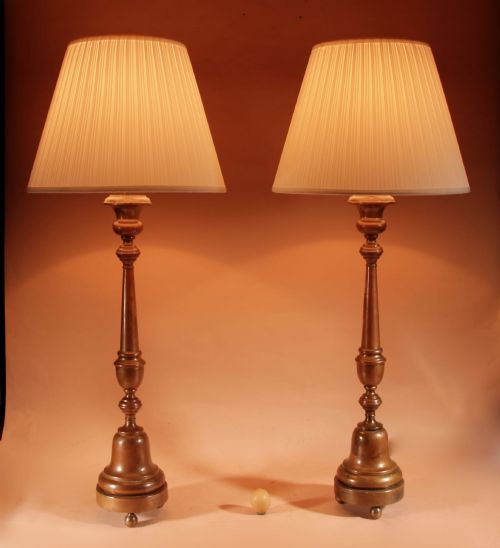
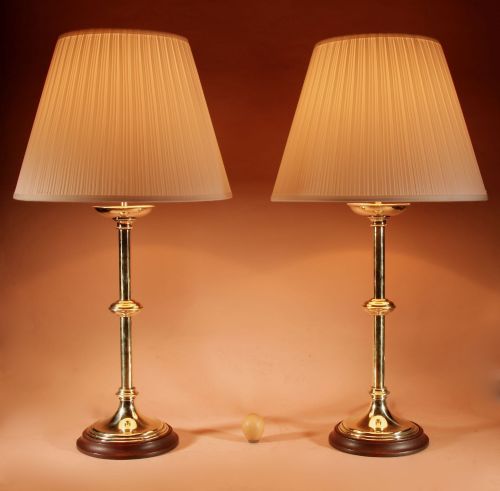
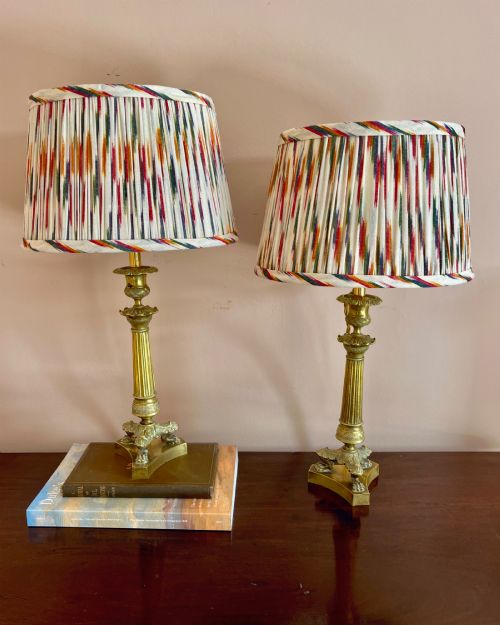
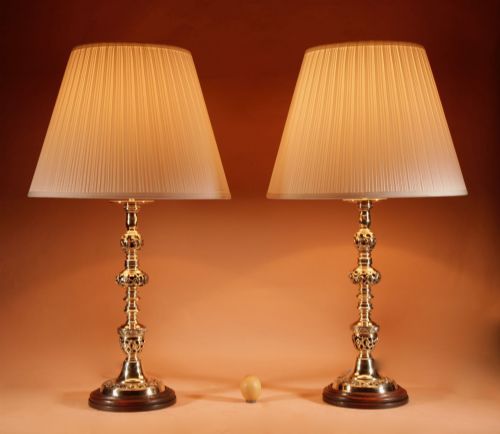
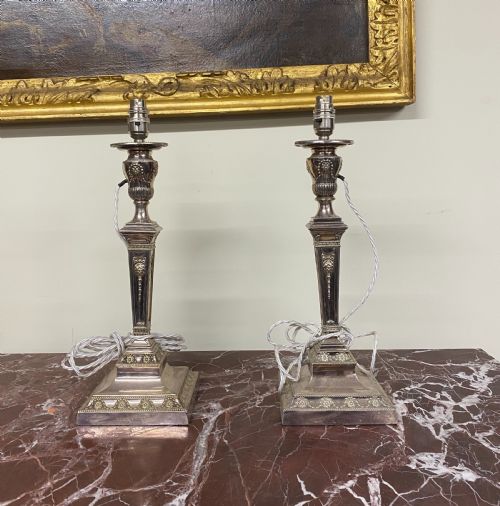
Pair vintage table lamps bring symmetry and period character to a room, offering warm illumination through matched lighting.
Pair Vintage Table Lamps
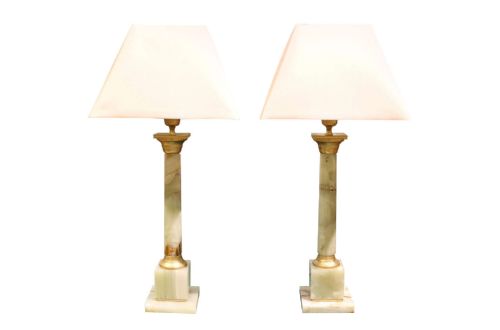
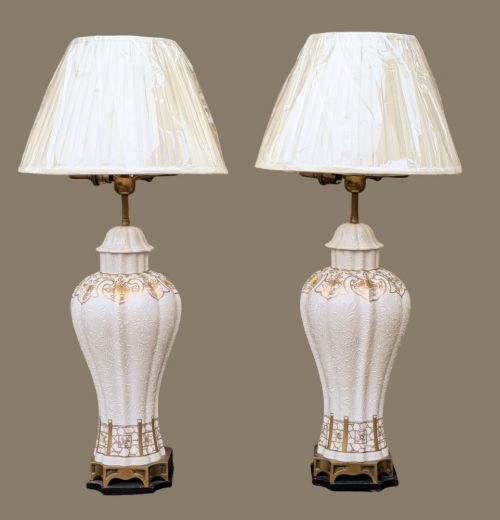
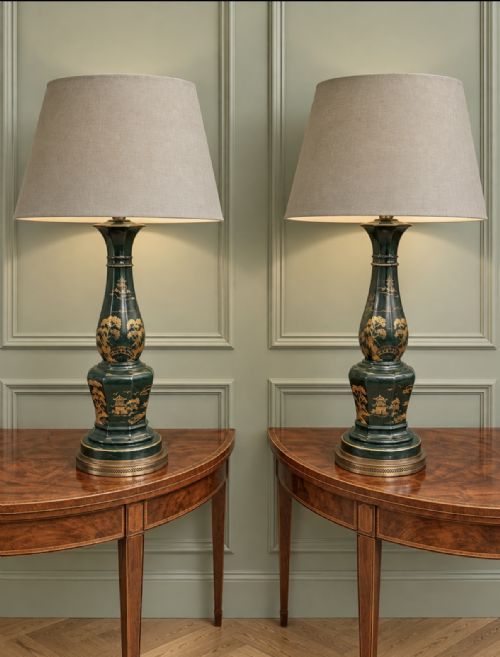
When you search for pair vintage table lamps, you are looking at matched sets of lighting designed to sit on surfaces and bring symmetry to a room. These dual fixtures provide balanced illumination while introducing distinct decorative character from past decades.
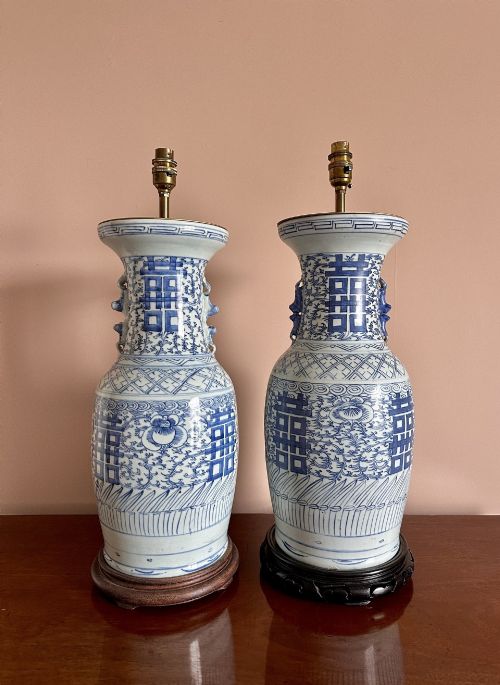
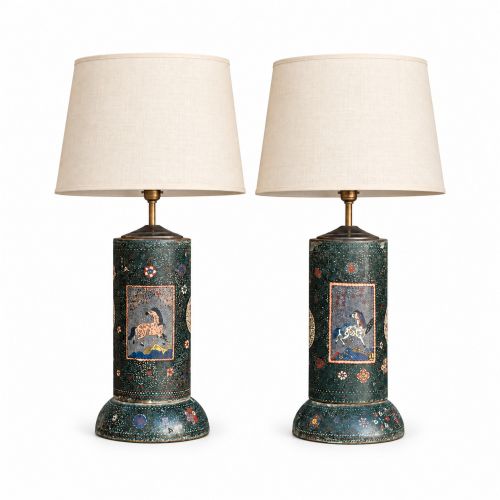
The pieces you are most likely to meet on this page span the early to mid-twentieth century, encompassing items from nineteen hundred up to nineteen thirty. Common configurations include glass bodies, converted tobacco jars, and enamelled vessels fitted with shades.
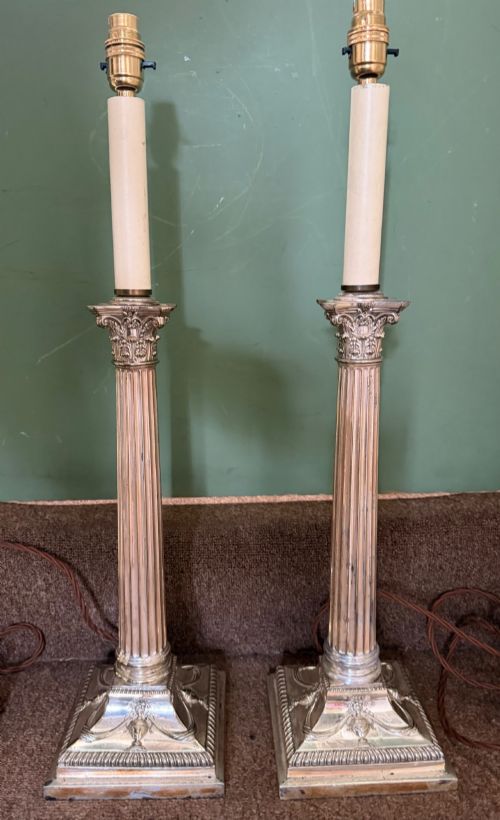
Origins and styles vary across the selection, touching upon Victorian, Neoclassical, Chinese Export, and Mid-Century Modern aesthetics. Each pair reflects the prevailing interior taste of its respective era through form and material choice.
How they were made
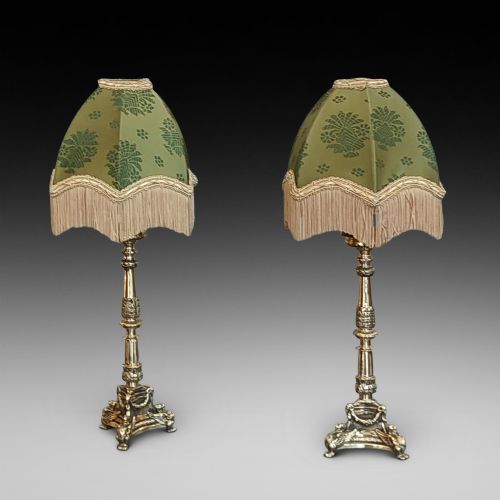
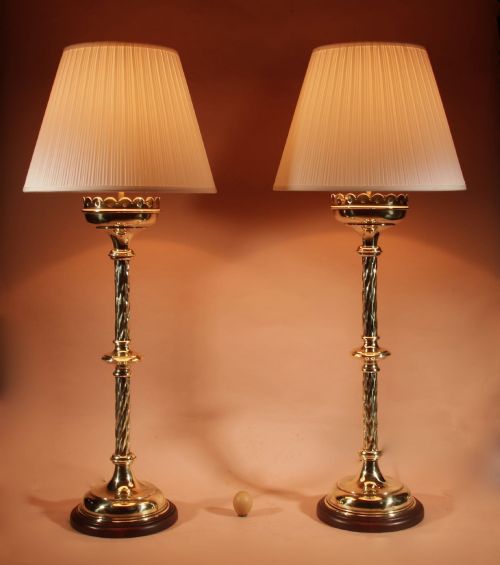
Materials recorded across the listings include brass, amber glass, silk, polished metal, patinated metal, enamel, wood, and stoneware. Makers utilised these media to construct durable bases and complementary upper components.
Techniques range from ceramic pottery production to metalworking and glassblowing, often combining rigid structural elements with delicate fabric shades. Some examples repurpose existing vessels, such as stoneware tobacco jars, into functional lighting fixtures.
Pair Vintage Table Lamps Retail Price Guide 2026
Typical asking prices for pair vintage table lamps among the pieces listed under this phrase on Sellingantiques today, from the lower quarter to the upper quarter. They describe what is for sale here now, not the wider market.
Listings feature periods from nineteen hundred, nineteen twenty, and nineteen thirty, alongside styles like Mid-Century Modern and Neoclassical.
What varies in quality
The top of the range is distinguished by the harmony of the pair and the integrity of the materials, such as heavy brass, genuine enamel work, or thick amber glass. Finer examples show careful attention to proportions and balanced decorative detailing.
Lower tiers often involve simpler construction or mismatched elements where the pairing may be less cohesive. Quality also rests on the preservation of original surfaces, whether polished metal or patinated finishes.
The Pair Vintage Table Lamps Glossary
- Amber glass
- A warm-toned transparent or translucent material used for lamp bodies. It diffuses light with a golden hue.
- Patinated metal
- Metal surfaces showing natural ageing and oxidation over time. This finish adds depth and historical character to the base.
- Chinese Export
- Objects manufactured in China specifically for Western markets. These pieces often feature traditional enamel or decorative motifs.
- Tobacco jar
- A lidded container originally used for storing smoking leaf. Certain examples from the early twentieth century are converted into lamp bases.
Pair Vintage Table Lamps: Frequently Asked Questions
How do I match vintage lamps?
Matching vintage lamps involves looking at height, proportion, and material consistency across the pair.
Original sets share identical manufacturing traits, while assembled pairs rely on complementary shades and balanced silhouettes to create visual symmetry.
What periods do these lamps cover?
The pieces span from the turn of the twentieth century through the nineteen thirties.
This encompasses Victorian, Neoclassical, and early Mid-Century Modern design movements represented in the surviving examples.
How were converted jars used?
Converted items such as Royal Doulton tobacco jars originally served domestic storage functions before receiving electrical fittings.
This practice repurposed durable stoneware vessels into decorative lighting fixtures.
What materials are most common?
Common materials include brass, amber glass, silk, polished or patinated metal, enamel, wood, and stoneware.
These substances provide both the structural weight needed for bases and the decorative textures characteristic of vintage lighting.